Can You Cover a Generator to Make It Quieter?
Quick Answer
Yes, you can reduce generator noise with a purpose-built acoustic enclosure, but you should not cover a running generator with a blanket, tarp, or homemade box that restricts airflow. Safer options include moving it farther from occupied areas, reducing vibration, maintaining the exhaust system, and installing a properly designed sound barrier without compromising ventilation.
You can make a generator quieter, but the right method depends on whether the noise comes from the engine, exhaust, cooling fan, or vibration against the ground. The goal is to reduce the sound reaching your home or campsite without causing overheating, fire, or carbon monoxide exposure.
A cover designed specifically for generator noise control is different from an ordinary weather cover. Before adding any enclosure, check the generator manufacturer’s ventilation, clearance, and operating instructions.
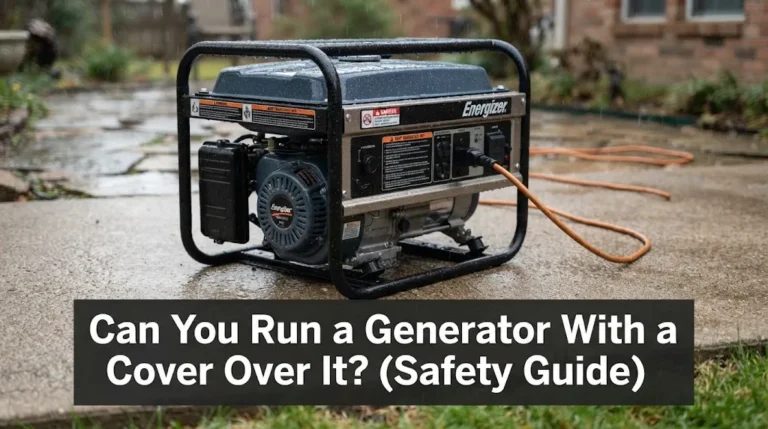
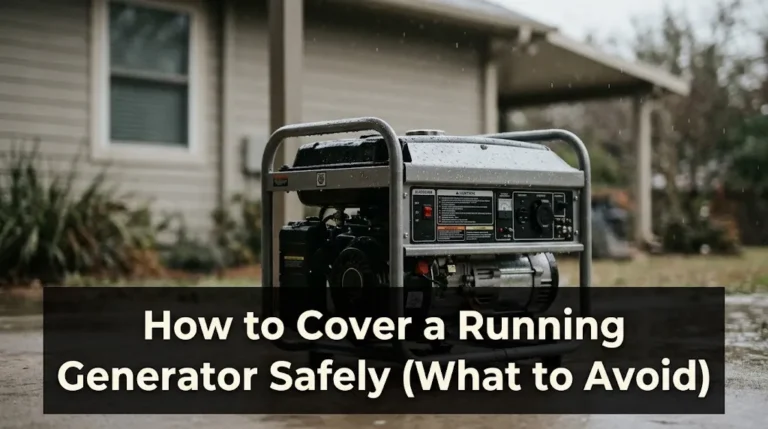
Can You Cover a Generator While It Is Running?
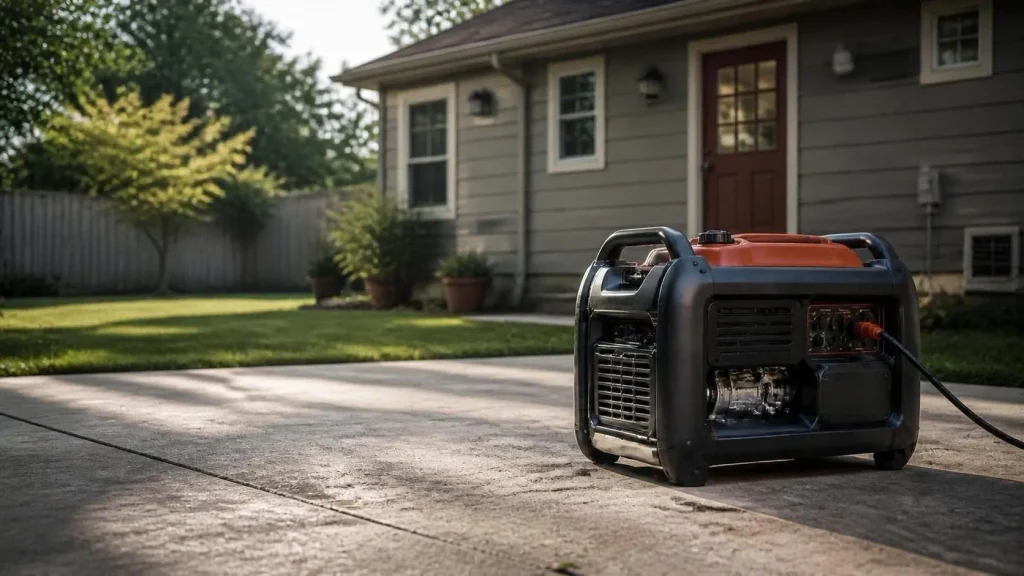
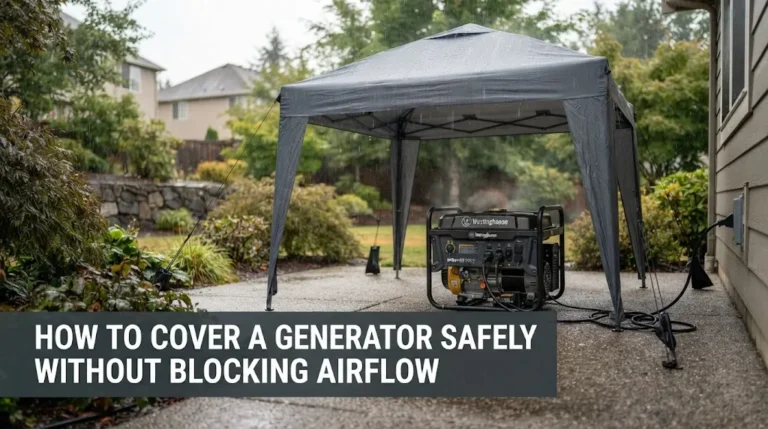
Only with an enclosure specifically designed and approved for that generator and its operating conditions. An ordinary cover or improvised soundproof box can trap heat, block cooling air, and allow dangerous exhaust gases to accumulate.
Gasoline, propane, and diesel generators need adequate combustion air and cooling airflow. Their exhaust can contain carbon monoxide (CO), a poisonous gas that has no color or smell and can become fatal before someone recognizes the danger.
Never operate a portable generator inside a garage, shed, basement, tent, or other enclosed space, even if doors or windows are open. The U.S. Consumer Product Safety Commission (CPSC) advises operating portable generators outdoors at least 20 feet from homes and buildings, with exhaust directed away from windows, doors, and vents.
Read the CPSC’s generator safety guidance before changing the setup. A noise-reduction project must never override these safety requirements or the manufacturer’s instructions.
What Is the Safest Way to Make a Generator Quieter?
Start with changes that do not modify the engine or restrict airflow. These are generally simpler than building an enclosure and can reduce the noise reaching the listener.
1. Move the generator farther away
Distance is one of the simplest ways to reduce the sound you hear. If the generator is currently beside a patio, bedroom window, or campsite seating area, moving it to a suitable outdoor location farther from people may make a noticeable difference.
Do not move it closer to the house merely to hide it behind a wall. Preserve the required clearance from buildings, doors, windows, vents, combustible materials, and other hazards, and keep the exhaust directed away from occupied areas.
2. Use an anti-vibration mat or suitable pads
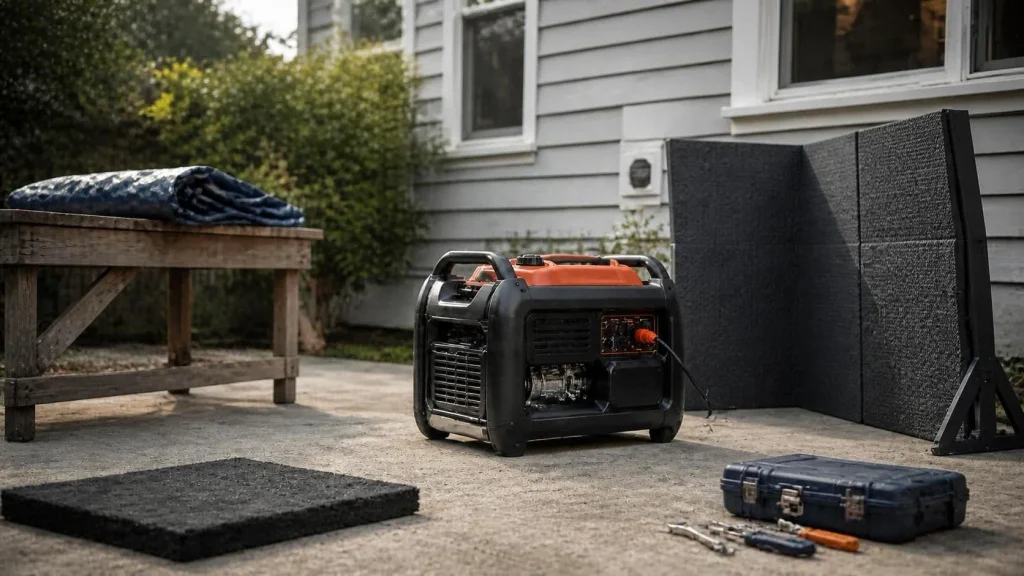
Some generator noise comes from vibration transferring into concrete, decking, metal platforms, or other hard surfaces. A manufacturer-compatible vibration-isolation mat or properly rated pads can help reduce this structure-borne noise.
Place the generator on a stable, level surface that supports its weight and allows safe operation. The mat must tolerate the generator’s weight, heat, fuel exposure, and outdoor conditions without making the machine unstable or blocking any required openings.
3. Check the load and operating mode
Many inverter generators adjust engine speed according to electrical demand. If your model has an economy or low-speed mode, using it within the manufacturer’s permitted operating conditions may reduce noise when the connected load is light.
Do not overload the generator or disable a required operating mode to chase a quieter sound. High-demand appliances, including pumps and air conditioners, may need extra starting power, so the engine can become louder when those appliances switch on.
4. Maintain the generator properly
Loose panels, rattling fasteners, damaged mounts, worn components, and exhaust leaks can create additional noise. Follow the maintenance schedule and inspect the unit with the engine off and cool.
- Check for loose exterior panels and accessible fasteners.
- Look for damaged vibration mounts and signs of unusual contact.
- Inspect the exhaust system for visible damage, leaks, or loose connections.
- Follow the specified oil, air-filter, and routine service intervals.
If the generator suddenly becomes louder, develops a new metallic rattle, or produces an unusual exhaust sound, stop using it if safe to do so and investigate the cause before adding soundproofing materials.
Can a Soundproof Box or Barrier Reduce Generator Noise?
Yes, a properly engineered acoustic enclosure or correctly positioned sound barrier can reduce noise reaching a particular area. The important difference is that a barrier redirects or blocks some sound, while a complete enclosure must also manage ventilation, heat, exhaust, access, and weather exposure.
Sound barriers: A practical option for some setups
A suitable freestanding barrier between the generator and the listening area can interrupt the direct path of sound. A solid, stable barrier with sufficient mass generally blocks more sound than a thin sheet or lightweight fabric.
Positioning matters. A barrier can redirect sound toward a neighbor or another part of the property, so consider the surrounding buildings and people before installing one. Keep the generator’s required clearances, exhaust path, and cooling-air openings unobstructed.
Purpose-built acoustic enclosures
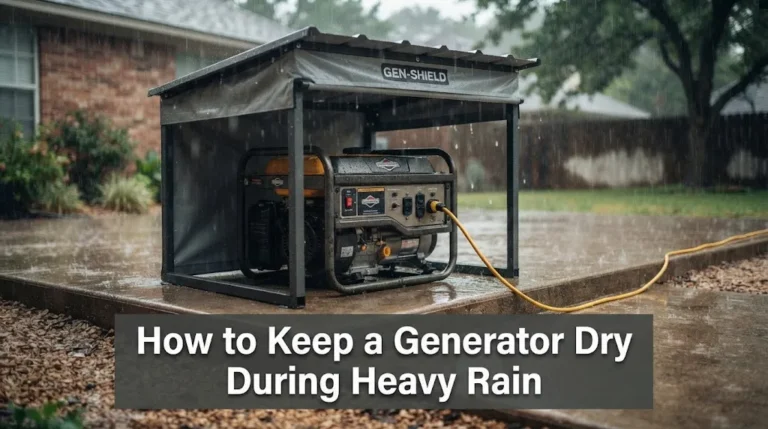
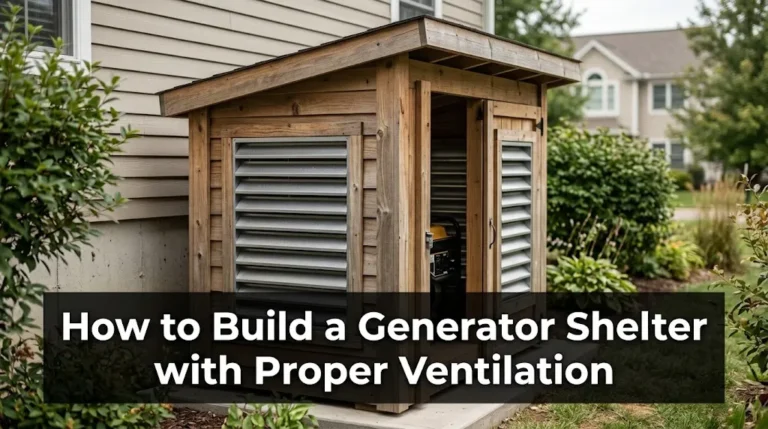
A generator-rated acoustic enclosure uses sound-attenuating materials and a ventilation design suited to the equipment. For permanent standby generators, the enclosure must match the generator model and installation requirements; for portable units, use only a solution explicitly suitable for that type of generator.
Professional installations may require engineered airflow paths, sound attenuators, exhaust treatment, and maintenance access. An enclosure that looks well insulated is not necessarily safe or effective.
Warning
Never wrap a running generator in a blanket, carpet, foam, or an ordinary tarp, or put it inside an improvised sealed box. These materials can obstruct cooling airflow, overheat, or create a fire hazard. They do not make generator exhaust safe.
Will Changing the Muffler Make a Generator Quieter?
A properly selected muffler can reduce exhaust noise, which is one of the main sources of sound from an engine-driven generator. However, replacing or modifying the exhaust is not a universal DIY fix.
Use only a compatible, manufacturer-approved muffler or exhaust component. An unsuitable part can increase exhaust backpressure, affect engine performance, create leaks, or direct hot exhaust toward people and combustible materials.
Do not drill, remove, or bypass the factory muffler, and never extend exhaust into a homemade enclosure or building. If the exhaust is unusually loud or damaged, have the system inspected and repaired according to the manufacturer’s specifications.
For larger standby systems, a qualified installer or acoustic specialist can assess whether a suitable exhaust silencer or sound-attenuating enclosure is appropriate. The ASHRAE noise-control guidance explains why engine casing, cooling airflow, and exhaust noise need to be addressed as separate parts of the system.
Which Noise-Reduction Method Should You Choose?
The best option depends on the source of the noise, the generator type, and how much modification the installation allows. Use this comparison to decide where to start.
| Method | Best suited to | Main limitation |
|---|---|---|
| Greater distance | Portable generators and outdoor setups | Safe placement and cable limits still apply |
| Vibration pads | Rattling or vibration through hard surfaces | Will not eliminate engine or exhaust noise |
| Freestanding sound barrier | Noise traveling toward a specific area | May redirect noise elsewhere |
| Approved muffler | Excessive exhaust noise | Must match the generator and exhaust system |
| Purpose-built acoustic enclosure | Compatible portable or standby systems | Ventilation, heat, access, and clearances require careful design |
For many portable generators, start with placement, vibration control, and maintenance before considering more complex modifications. A fixed standby system may benefit more from a professionally designed enclosure or exhaust-noise solution.
What Mistakes Should You Avoid When Soundproofing a Generator?
Noise reduction should never come at the expense of safe operation. Avoid these common mistakes:
- Blocking cooling vents: Restricted airflow can cause overheating and equipment damage.
- Directing exhaust toward a building: Carbon monoxide can enter through windows, doors, vents, and other openings.
- Using flammable soundproofing: Ordinary foam, blankets, and fabrics may not tolerate the heat or fire risks around an engine.
- Building a tight enclosure without a ventilation plan: Openings that pass cooling air also allow sound through, so effective designs must balance both needs.
- Ignoring unusual noise: A new rattle, exhaust leak, or mechanical change needs investigation, not simply more insulation.
- Moving the noise toward someone else: Barriers and exhaust direction can shift the problem rather than solve it.
Always follow the generator’s operating manual and applicable local noise requirements. A quieter setup is not automatically a safer setup.
How Can You Tell Whether Your Noise Fix Is Working?
Compare the sound before and after making one change at a time. If you have a sound-level meter or phone app, use it as a rough comparison tool, taking readings from the same position and under similar electrical loads.
Phone readings are not a substitute for calibrated measurements, and results can vary with microphone quality, background noise, and distance. Listen for the type of noise that changed: a reduction in floor vibration does not necessarily mean the engine or exhaust became quieter.
Also check that the generator operates normally and that no vents, exhaust outlets, or service access points have been obstructed. If it runs hotter than expected, produces unusual smells or sounds, or shows a warning, shut it down when safe and follow the manufacturer’s troubleshooting guidance.
Key Insight
The best noise-control method targets the actual source. Vibration pads address transmitted vibration, barriers block some sound paths, and compatible mufflers address exhaust noise. No single cover safely solves every type of generator noise.
Frequently Asked Questions
Can I put a tarp over my generator to reduce noise?
No. A normal tarp can restrict cooling airflow and trap heat, and it does not make exhaust safe. Use only a manufacturer-approved weather or acoustic solution that is specifically suitable for operation while running.
Does putting a generator on grass make it quieter?
A suitable softer surface may reduce some vibration transmitted through the ground, but the generator must remain stable, level, and operated according to its manual. Grass alone will not eliminate engine or exhaust noise.
Can plywood block generator noise?
A properly positioned, stable barrier may reduce direct sound reaching a particular area. It must not obstruct cooling air, violate clearance requirements, or redirect exhaust toward people or buildings.
Will a bigger muffler make my generator quieter?
Not necessarily. The muffler must be compatible with the engine and exhaust system. An unsuitable muffler can affect performance or create safety problems, so use a manufacturer-approved component or qualified technician.
Why is my generator suddenly louder than before?
Possible causes include loose panels, worn mounts, exhaust leaks, damaged components, or a change in engine load. Stop using the generator if you suspect an exhaust leak or serious mechanical problem, and inspect or service it according to the manufacturer’s instructions.
Can I run a generator in a soundproof shed?
Do not operate a portable generator in an ordinary shed, even if it has openings or a soundproof lining. A dedicated generator installation needs purpose-designed ventilation and exhaust arrangements that meet the equipment manufacturer’s requirements and applicable safety rules.
Conclusion
You can make a generator quieter, but covering it with ordinary materials is not a safe solution. Start by increasing the distance from occupied areas while maintaining safe outdoor placement, reducing vibration, checking for loose or damaged parts, and using permitted low-noise operating modes.
If the generator still produces too much noise, consider a compatible sound barrier, approved exhaust component, or purpose-built acoustic enclosure. Preserve cooling airflow, exhaust clearance, and maintenance access throughout the process. Never trade carbon monoxide or fire safety for a quieter machine.

Hi, I’m Michael Turner. I own a generator workshop in the United States and founded HomeGeneratorBlog to share practical, hands-on guidance about generator installation, maintenance, troubleshooting, safety, and backup power solutions. My goal is to help homeowners make smarter, more confident decisions through clear and reliable information