Can You Run a Generator Outside in the Snow?
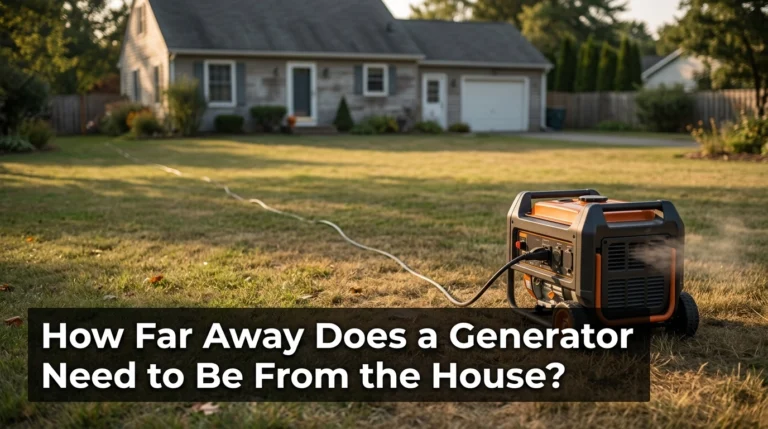
Quick Answer: Yes, you may be able to run a portable generator outdoors while it is snowing, but only if the manufacturer permits operation in those conditions and the generator is protected from snow and moisture with an approved weather shelter. Keep it outdoors, at least 20 feet from your home and other occupied buildings, with the exhaust directed away from doors, windows, and vents. Never run a generator indoors, in a garage, or in another enclosed or partly enclosed space. If you cannot keep the generator dry and safely ventilated, turn it off and wait for safer conditions.
Winter power outages can make a portable generator extremely useful. However, falling snow, melting ice, freezing temperatures, and strong winds introduce additional risks. Water can create electrical hazards, snow can obstruct ventilation, and an improperly positioned generator can expose people to deadly carbon monoxide.
The safest approach is to check your specific generator’s manual, prepare an appropriate outdoor operating location, and avoid running the equipment whenever weather conditions exceed its permitted operating limits.
Can You Run a Generator While Snow Is Falling?
Whether you can operate a generator during snowfall depends on its design, the manufacturer’s instructions, and the protection available at the operating site. Some generators can operate in cold weather when installed under an approved shelter, while others must not be operated in snow, rain, or wet conditions.
Snow itself is not the only concern. Snowflakes can accumulate around the engine, enter openings, melt into water, or combine with wind to reach electrical components. A generator that appears dry at first can become wet as snow accumulates and melts.
Before starting your generator, check the owner’s manual for instructions about:
- Permitted outdoor operating temperatures.
- Restrictions on rain, snow, moisture, and wet surfaces.
- Approved weather covers or generator operating enclosures.
- Required ventilation and clearance around the engine and exhaust.
- Cold-weather starting, oil, and maintenance procedures.
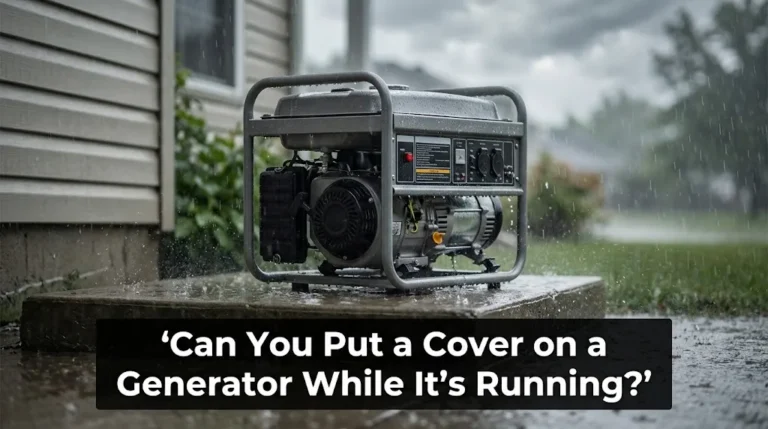
If the manufacturer prohibits operation during precipitation, do not override that restriction with a homemade cover. If the manual permits operation under an approved shelter, install that shelter exactly as instructed.
For more background on wet-weather operation, read our guide to using a generator in the rain.
Why Is Running a Generator in Snow Risky?
Running a generator in winter involves several hazards that can develop quickly. Understanding them helps you decide whether operating the equipment is safe under the current conditions.
1. Snow and melting ice can create electrical hazards
Snow can melt when it contacts a warm engine or electrical component. Moisture may reach outlets, plugs, extension-cord connections, or other parts that are not designed to get wet. Damaged or wet electrical equipment can increase the risk of electric shock, short circuits, and equipment failure.
Never handle electrical connections with wet hands or while standing in water. Keep plugs and connections dry, use outdoor-rated equipment suitable for the conditions, and follow the generator manufacturer’s instructions for electrical protection.
2. Snow can obstruct ventilation and exhaust
Generators need sufficient airflow to cool the engine and discharge exhaust gases. Wind-driven snow or drifting snow can accumulate around the unit, block ventilation openings, or obstruct the exhaust outlet.
Before and during operation, check that snow is not building up around the generator. Maintain the clearances specified in the manual, and never place the unit where drifting snow could block its airflow or exhaust.
3. Carbon monoxide can cause fatal poisoning
Portable generators produce carbon monoxide (CO), an odorless, colorless gas that can cause sudden illness or death. Cold weather can make this hazard harder to manage because people may be tempted to move a running generator into a garage, shed, porch, or other sheltered area.
Never operate a generator indoors or in an enclosed or partly enclosed area. This includes garages, basements, sheds, crawl spaces, and spaces where an open door or window might seem to provide enough ventilation.
The U.S. Centers for Disease Control and Prevention advises placing generators outdoors more than 20 feet from windows, doors, and vents. Direct exhaust away from buildings and occupied areas. Install battery-operated or battery-backup carbon monoxide alarms inside your home according to the alarm manufacturer’s instructions.
Safety warning: If anyone develops headache, dizziness, weakness, nausea, vomiting, chest pain, or confusion while a generator is operating, get everyone outside into fresh air immediately and contact emergency services. Do not re-enter the affected building until authorities say it is safe.
4. Freezing temperatures can affect starting and performance
Cold weather can make an engine harder to start. Engine oil may become more viscous, batteries can lose starting power, and fuel-related problems may become more noticeable. These effects depend on the generator model, fuel type, maintenance condition, and temperature.
Use only the oil, fuel, battery arrangements, and cold-weather accessories approved for your model. Do not use improvised heating devices or open flames to warm the engine.
How Should You Protect a Generator From Snow?
The goal is to prevent snow and melting water from reaching the generator without restricting airflow, trapping exhaust, or creating a fire hazard. A cover that keeps moisture out but blocks ventilation is not a safe solution.
Use a manufacturer-approved operating shelter
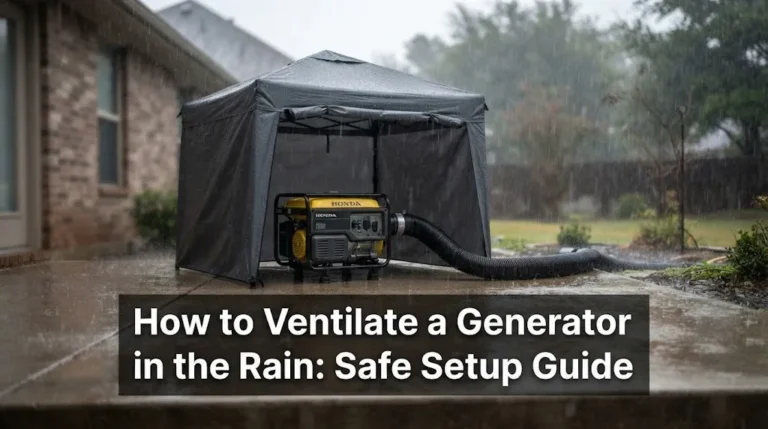
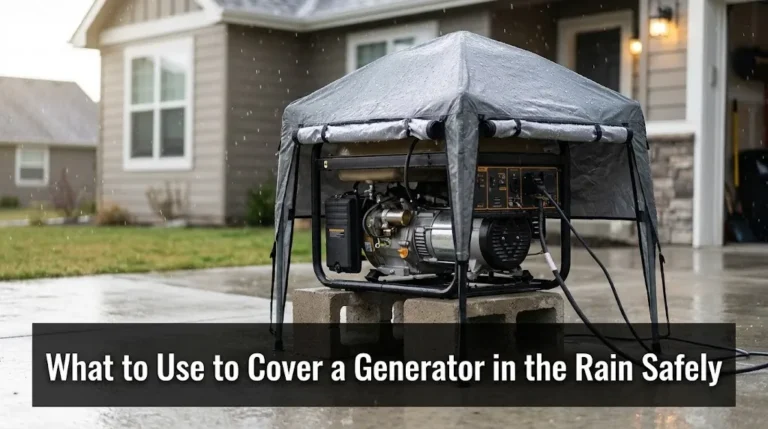
Choose a weather shelter or operating cover specifically designed for your generator and approved for use while the engine is running. Follow its installation instructions and maintain all required clearances.
A suitable shelter should protect the equipment from precipitation while allowing sufficient airflow and keeping exhaust gases away from people and buildings. Do not assume that a cover intended for storage is safe to use while the generator is operating.
Avoid loose tarps and improvised enclosures
A tarp thrown over a running generator can obstruct airflow, contact hot engine or exhaust parts, or trap exhaust gases. Plastic sheeting and makeshift wooden boxes can create similar hazards if they restrict ventilation or are not designed for generator use.
Do not enclose a generator in a small shed, tent, or homemade box unless the manufacturer specifically approves that type of operating enclosure and all applicable safety requirements are met. A roof alone does not make an unsafe location suitable.
Keep the generator on a stable, dry surface
Place the generator on a firm, level surface that will remain stable as snow accumulates or melts. Avoid locations where runoff, slush, or melting snow can collect around the frame, wheels, outlets, or electrical connections.
Keep the area around the generator clear of snow and combustible materials. Do not dig the unit into a snowbank or allow snowdrifts to build around its air intake or exhaust.
Keep electrical connections dry
Inspect extension cords, plugs, and outlets before use. Use outdoor-rated cords with the correct capacity for the connected load, and replace damaged equipment. Protect connections from precipitation using appropriate, approved equipment rather than wrapping them in a way that traps moisture.
Never connect a generator directly to household wiring through a wall outlet. Use a properly installed transfer switch or another connection method approved by a qualified electrician. This helps prevent dangerous backfeeding into utility lines.
For additional guidance, see our article about weather protection for outdoor generators.
How Do You Prepare a Generator for Cold Weather?
Preparation can reduce the likelihood of starting problems and help you identify hazards before an outage occurs. Complete these checks before severe winter weather arrives whenever possible.
-
Read the owner’s manual.
Confirm the approved operating temperature range, weather restrictions, required clearances, and any cold-weather starting procedures. The manual for your exact model takes priority over general advice.
-
Check the oil and maintenance condition.
Inspect the oil level and use the grade recommended for the expected temperature. Check air filters, spark plugs, and other service items according to the maintenance schedule.
-
Use the correct fuel.
Follow the manufacturer’s fuel requirements and storage recommendations. Keep fuel in approved containers, away from ignition sources, and never refuel a hot or running generator.
-
Inspect the battery and starting system.
If your model uses a starting battery, check its condition and follow the manual’s cold-weather recommendations. Do not use unapproved battery chargers or heating devices.
-
Prepare a safe operating location.
Choose an outdoor location away from doors, windows, vents, and air intakes. Plan for a manufacturer-approved weather shelter and make sure snow accumulation will not obstruct airflow or exhaust.
-
Check cords and connected equipment.
Use undamaged, outdoor-rated extension cords that are suitable for the load and conditions. Keep connections dry and avoid overloading the generator.
-
Test the setup before an emergency.
When conditions are safe and the manual permits it, test the generator and its approved shelter. Confirm that you can start, operate, monitor, and shut down the equipment safely.
If you need a more detailed preparation checklist, read our guide to winterizing a portable generator.
Where Should You Place a Generator During a Snowstorm?
Location is one of the most important parts of generator safety. A sheltered area may look convenient, but it is unsuitable if it allows exhaust to enter the home or prevents the generator from operating as designed.
Use these placement principles:
- Keep it outdoors: Never run the generator inside a home, garage, basement, shed, or other enclosed or partly enclosed space.
- Maintain at least 20 feet of separation: Follow CDC guidance to place the generator more than 20 feet from doors, windows, and vents, and direct exhaust away from occupied buildings.
- Choose a stable, dry location: Avoid standing water, runoff, and areas where melting snow may pool.
- Prevent snow blockage: Keep air intakes, cooling openings, and exhaust outlets clear according to the manual.
- Use only approved weather protection: Do not sacrifice ventilation or safe exhaust discharge to keep the generator dry.
- Keep it away from combustible materials: Maintain the clearances specified by the manufacturer and keep fuel containers away from the operating unit.
Do not assume that an open garage door, porch, balcony, or carport makes every location safe. Airflow can change with wind and building layout, and exhaust may still enter occupied spaces. Use only a location and shelter arrangement that meets the manufacturer’s requirements and applicable safety guidance.
For more placement advice, read where to place a portable generator.
When Should You Stop Running a Generator in Snow?
Turn off the generator according to the manufacturer’s shutdown procedure if conditions become unsafe or you can no longer maintain the required protection. Do not wait for visible damage before responding to a developing hazard.
Stop operation if:
- Snow or melting water reaches parts that must remain dry.
- The shelter shifts, collapses, or restricts airflow.
- Snow begins blocking the exhaust outlet, air intake, or cooling openings.
- Electrical cords, plugs, or connections become wet or damaged.
- The unit develops unusual noises, smoke, a burning smell, or other signs of malfunction.
- Strong winds or heavy snowfall make the operating location or shelter unsafe.
- You cannot maintain the required separation from buildings or safely direct exhaust away from occupied areas.
- The owner’s manual prohibits operation in the current conditions.
Follow the manual’s shutdown and cooling instructions before inspecting or moving the equipment. Never refuel a running or hot generator. If the unit has become wet, do not restart it until it has been assessed and made safe according to the manufacturer’s guidance or by a qualified service professional.
When severe weather makes safe operation impossible, prioritize people over uninterrupted power. Turn the generator off and wait until conditions improve or an approved, safe setup is available.
Related Product: Generator Weather Protection Canopy
A purpose-built generator operating canopy may help protect compatible equipment from precipitation. Before purchasing one, confirm that it is designed for use while the generator is running, fits your exact model, and meets the manufacturer’s ventilation, clearance, and exhaust requirements. A storage cover is not necessarily safe for operation.
Browse generator operating weather canopies on Amazon
Affiliate disclosure: This article may contain affiliate links. If you make a qualifying purchase through a link, the site may earn a commission at no additional cost to you.
Frequently Asked Questions
1. Can snow damage a portable generator?
Yes. Snow can melt into water and expose electrical components to moisture, while drifting snow can obstruct air intakes or exhaust outlets. Cold temperatures may also make starting more difficult. Follow the manufacturer’s weather restrictions and use only an approved operating shelter when one is permitted.
2. Can I run a generator under a canopy while it snows?
Only if the canopy is specifically approved for operating use with your generator and the manufacturer’s instructions permit operation in those conditions. It must protect the equipment without restricting airflow, trapping exhaust, or creating a fire hazard. Do not assume an ordinary camping canopy, tarp, or storage cover is suitable.
3. Can I run a generator in a garage if the garage door is open?
No. Never operate a portable generator in a garage, even when the door is open. Carbon monoxide can build up and enter the home. Operate the generator outdoors, more than 20 feet from doors, windows, and vents, with the exhaust directed away from occupied buildings.
4. Will a generator start in freezing temperatures?
It depends on the generator model, fuel type, battery condition, maintenance, and outside temperature. Cold weather can make starting harder. Use the oil grade, starting procedure, and cold-weather accessories specified in the owner’s manual, and never use an open flame to warm the engine.
5. What should I do if snow gets inside the generator?
Shut the generator down if it is safe to do so, and follow the manufacturer’s shutdown instructions. Do not touch wet electrical connections or restart equipment that may have water inside it. Consult the manual or a qualified service professional to determine when it is safe to inspect and restart the unit.
6. Should I cover my generator after using it in winter?
After shutting it down and allowing it to cool as instructed, you may use a suitable storage cover if the manufacturer recommends one. Keep the equipment dry and follow the manual’s storage requirements. Never place a storage cover over a running or hot generator.
Conclusion
You may be able to run a generator outdoors during snowfall, but only when the specific model permits it and you can protect it from moisture without restricting ventilation or creating exhaust hazards. Keep the generator outdoors, more than 20 feet from doors, windows, and vents, and use only a manufacturer-approved operating shelter.
If snow, water, wind, or freezing conditions make safe operation uncertain, shut the generator down and follow the owner’s manual. Safe placement, dry electrical connections, proper maintenance, and carbon monoxide precautions are essential for winter generator use.