Do I Need to Cover My Generator From Snow? Winter Safety Guide
Quick Answer
No, you generally do not need to cover a standby or portable generator from normal falling snow, as they are engineered to withstand severe weather, but you must keep the intake, exhaust, and clearance zones entirely clear of drifting snow and ice blockages to prevent carbon monoxide buildup and engine starvation.
Winter storms bring unique challenges for home backup power. When temperatures drop and snow begins to accumulate, many generator owners wonder whether their equipment requires physical protection from the elements. While modern generators are built to handle rain, sleet, and snow, failing to account for heavy snowdrifts or freezing ice can cause critical operational failures.
How Weather-Resistant Generator Engineering Works
Both standby and portable generators are constructed with weather-resistant housings designed to shed precipitation. Standby generators feature rugged, powder-coated aluminum or steel enclosures that protect internal electrical components, wiring, and the engine block from direct moisture ingress.
Portable generators utilize heavy-gauge steel frames and protective cowlings. While moisture from falling snow rarely damages the electrical windings or internal combustion systems during operation, extreme weather introduces secondary physical hazards that require active management.
The primary threat during a snowstorm is not the falling flake itself, but accumulation patterns driven by high winds. Drifts can quickly surround a unit, sealing off vital ventilation paths and introducing moisture directly into the combustion chamber through intake vents.
The Critical Risks of Snow Accumulation
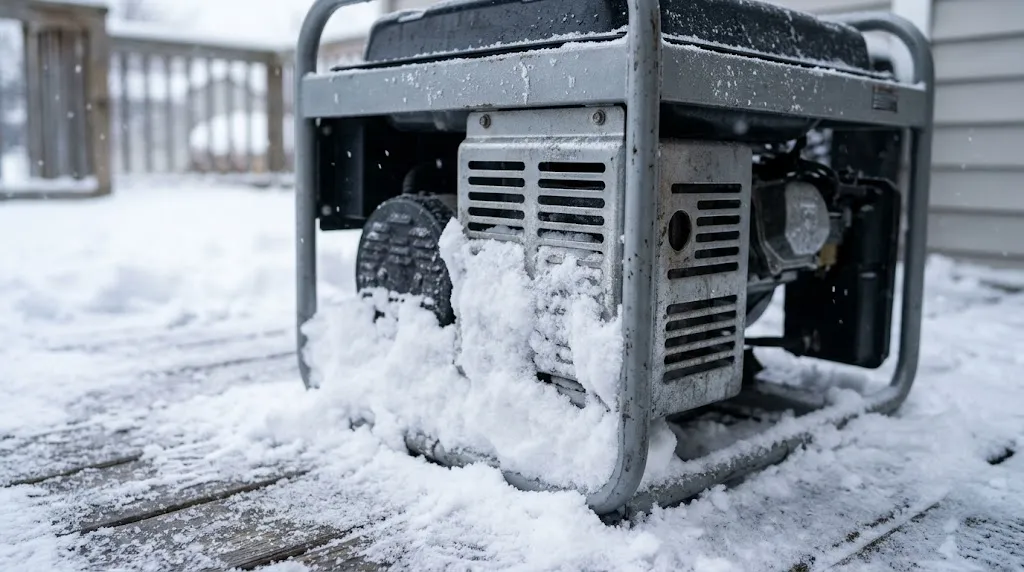
Allowing snow to build up around or on top of an operating generator creates several severe operational hazards:
- Exhaust Blockage and Carbon Monoxide Danger: If snow drifts high enough to block the exhaust port, exhaust gases can back up into the unit or force their way toward nearby structures, dramatically increasing carbon monoxide poisoning risks.
- Air Starvation: Internal combustion engines require a steady volume of clean air for combustion and cooling. Blocked intake vents cause the engine to run lean, stall, or overheat.
- Ice Formation and Freeze-Up: Melting snow refreezing on mechanical linkages, starter motors, or control panels can immobilize choke controls and prevent manual or automatic starting.
- Electrical Short Circuits: While internal components are insulated, massive ice packs melting over control panels or terminal blocks can compromise electrical safety.
Warning
Never enclose an operating generator in a tight, unventilated structure, shed, or snow tent. Generators produce lethal carbon monoxide gas that must be dissipated safely in open air at least 20 feet away from windows, doors, and vents.
Safe Practices for Using a Generator in Winter
Managing a generator during winter conditions involves maintaining proper clearance and monitoring weather shifts. Implementing a structured maintenance routine ensures uninterrupted emergency power when the grid fails.
Follow these operational guidelines during snowy weather:
- Maintain Clear Perimeters: Keep a minimum clearance of 3 to 5 feet on all sides of the generator, ensuring snowbanks and drifts do not encroach upon the unit.
- Inspect Vents Frequently: Check the unit every few hours during active blizzards to clear any drifting snow blocking intake or exhaust louvers.
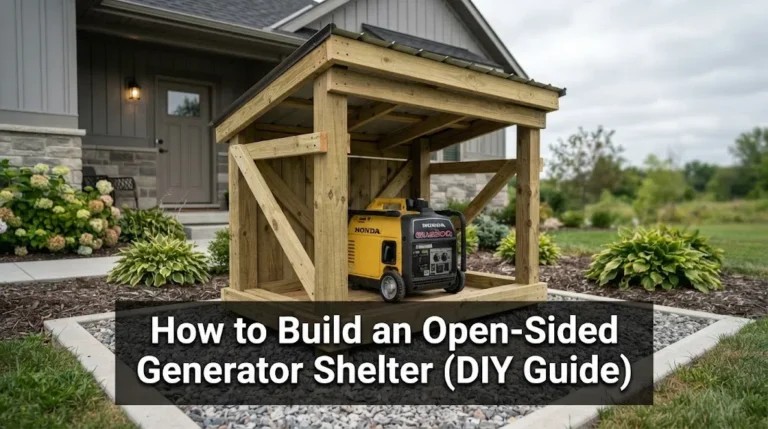
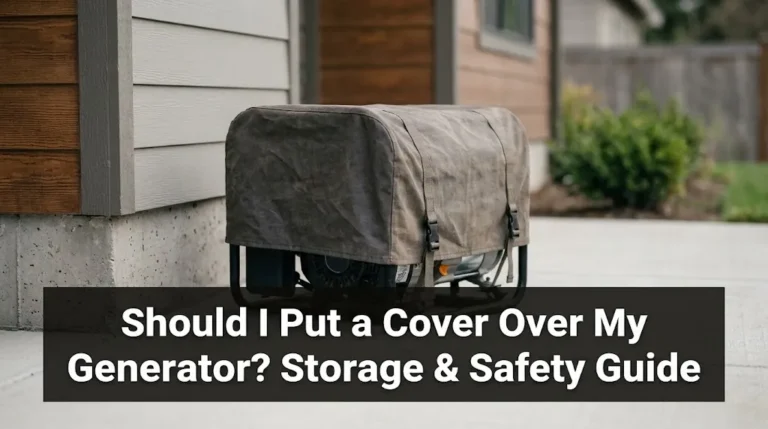
- Use Proper Shelter Structures: If you use a commercial generator tent or canopy designed specifically for winter operation, ensure it is anchored securely and positioned well away from the hot exhaust muffler to prevent melting or fire hazards.
- Protect Electrical Connections: Keep extension cords, transfer switches, and plug connections elevated off the ground and shielded from melting runoff and freezing puddles.
Tip
Before winter weather arrives, inspect your generator’s battery warmer (if equipped for standby units) and switch to the manufacturer-recommended winter-weight synthetic engine oil to ensure reliable cold-weather cranking.
Standby vs. Portable Generators in Snowstorms
The type of generator you own changes how you manage winter weather exposure.
| Feature | Standby Generators | Portable Generators |
|---|---|---|
| Installation | Permanently installed on a concrete pad outdoors. | Moved outdoors manually during emergencies. |
| Weather Enclosure | Heavy-duty factory weather-proof housing. | Open frame; requires careful placement or tenting. |
| Snow Vulnerability | Drifts blocking side louvers and exhaust. | Snow entering control panels and electrical outlets. |
| Action Required | Clear snow away from unit perimeter periodically. | Use a certified running cover and keep away from drift zones. |
Understanding these operational differences ensures you apply the correct level of oversight when heavy winter precipitation hits your property.
What to Do After a Major Blizzard
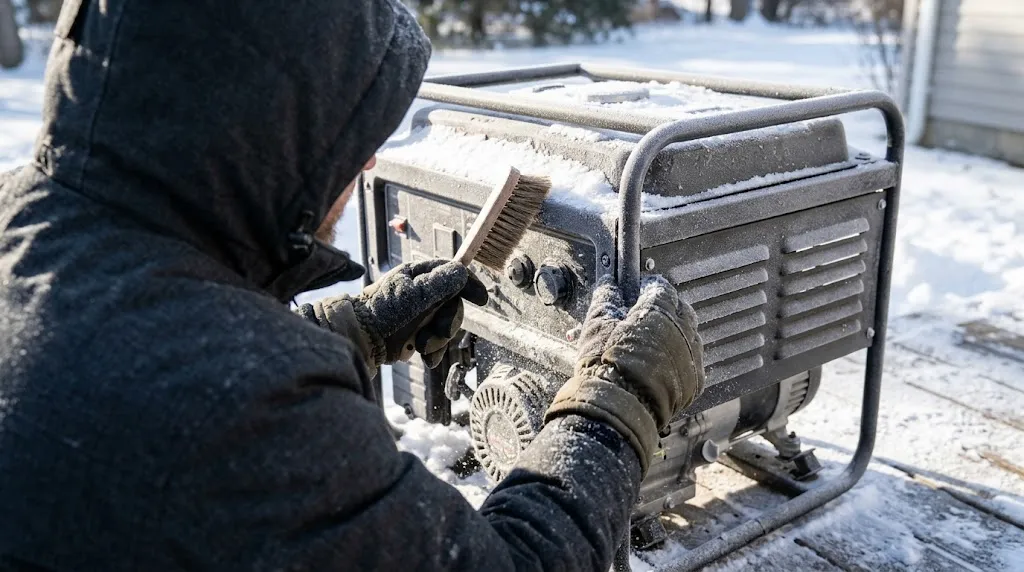
Once the storm passes, perform a thorough inspection before shutting down or servicing the generator. Heavy winds often push fine snow particles through small louvers, where they can melt and refreeze against internal baffles or electrical connections.
Safely shut down the generator according to manufacturer instructions, remove any ice bridging the exhaust or intake channels, and verify that all safety switches and circuit breakers function properly before restoring heavy electrical loads.
Related Product
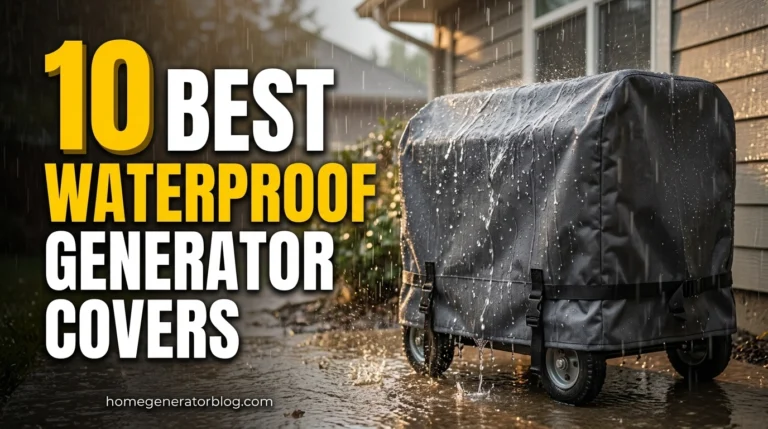
Weatherproof Generator Tent Covers
A heavy-duty running tent protects your portable generator from heavy snow and rain while maintaining required airflow for safe operation.
As an Amazon Associate, we earn from qualifying purchases.
Frequently Asked Questions
Can I put a tarp over my running generator in the snow?
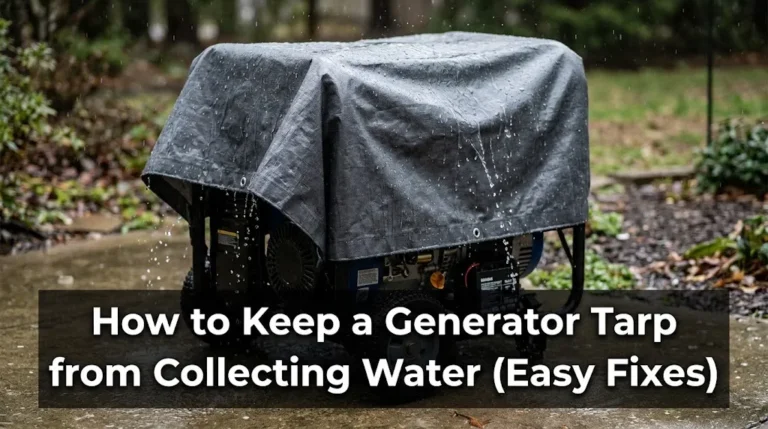
No. Tarping a running generator creates a severe fire hazard and blocks crucial ventilation. Tarps can collapse under the weight of accumulated snow, restrict airflow, cause the engine to overheat, and trap dangerous carbon monoxide gases. Only use rigid, manufacturer-approved running tents designed specifically for generators.
Will snow damage the electrical components of a generator?
Falling snow generally will not damage a generator because outdoor units are engineered with weatherproof electrical enclosures. However, blowing snow driven by high winds can penetrate control panels or outlets on portable units, creating short circuits if moisture is allowed to pool and freeze.
How far away from the house should a generator be placed in winter?
A generator must always be operated at least 20 feet away from your home with the exhaust pointing away from doors, windows, and fresh air intakes. In winter, ensure this 20-foot perimeter is free of deep snowdrifts that could accumulate around the unit and impede exhaust dissipation.
What should I do if my generator freezes up in the snow?
If ice locks up the starter mechanism, choke, or control switches, shut the engine off completely. Use a portable hair dryer or warm air source to gently thaw frozen components. Never pour boiling water over a cold engine block, as extreme thermal shock can crack metal components.
Do standby generators need snow removal during a storm?
Yes. Even though standby units have robust permanent enclosures, heavy drifting snow can pile up against the side vents and exhaust ports. Check the generator every few hours during severe blizzards and shovel away any snowbanks that block the required clearance zones.
How does cold weather affect generator fuel efficiency?
Cold winter temperatures can slightly reduce battery cranking power and thicken engine oil, causing the engine to work harder during startup. Additionally, propane (LPG) fueled generators may experience reduced tank pressure in sub-freezing weather if the vapor withdrawal rate exceeds the ambient vaporization capacity.
Conclusion
Covering your generator from falling snow is generally unnecessary, as modern backup power systems are built to withstand outdoor elements. However, keeping the unit free from drifting snowbanks, ensuring proper ventilation, and maintaining safe operating clearances are critical steps to prevent carbon monoxide hazards and mechanical failure during severe winter storms.

Hi, I’m Michael Turner. I own a generator workshop in the United States and founded HomeGeneratorBlog to share practical, hands-on guidance about generator installation, maintenance, troubleshooting, safety, and backup power solutions. My goal is to help homeowners make smarter, more confident decisions through clear and reliable information