Can You Put a Cover on a Generator While It’s Running?
Quick Answer
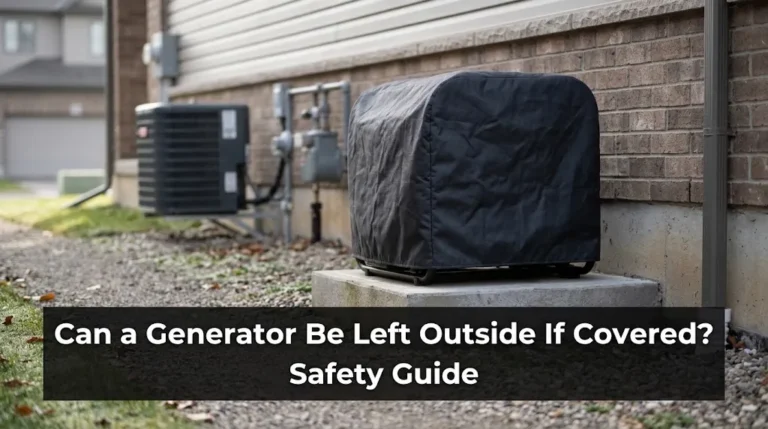
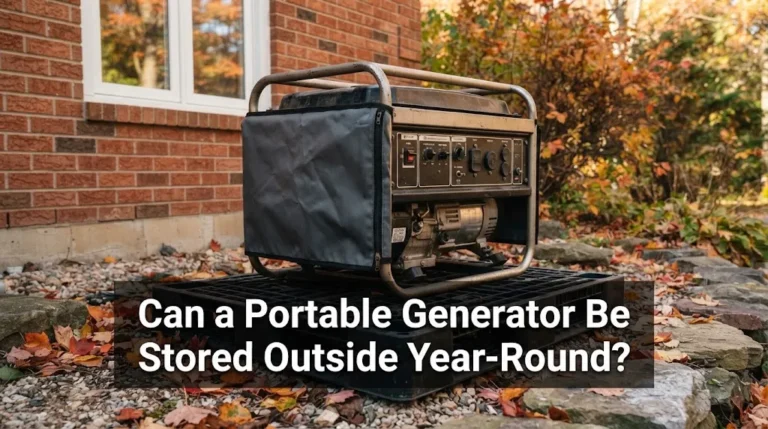
No, you should never put a standard cover on a generator while it is running. Standard fabric or vinyl covers trap extreme heat, restrict essential airflow, and create severe fire, carbon monoxide, and engine damage hazards. If you need protection during wet weather, you must use a specifically engineered running tent or canopy designed for active ventilation.
Why Standard Generator Covers Are Dangerous During Operation
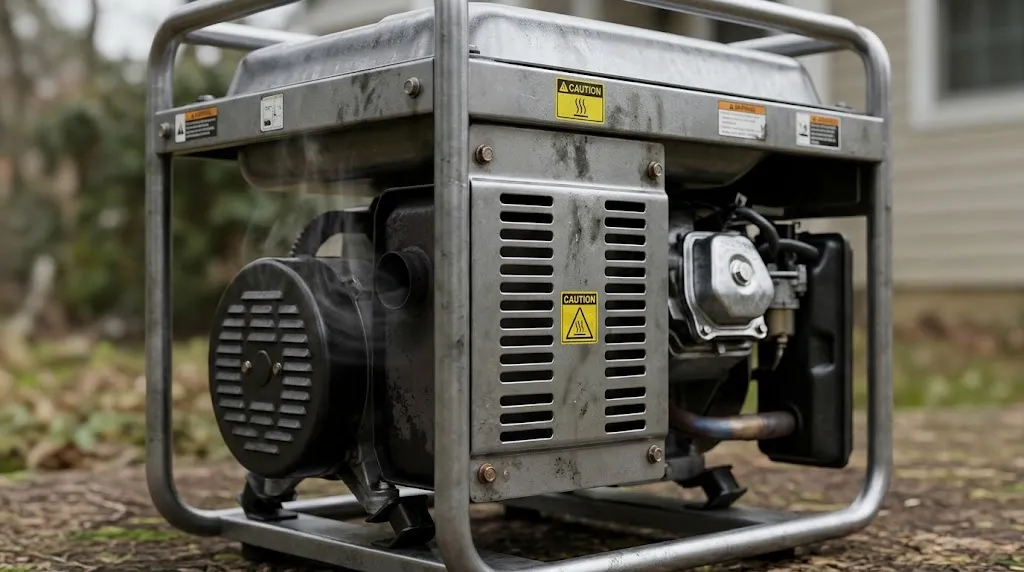
Portable generators generate massive amounts of thermal energy. Combustion engines, exhaust pipes, and alternators rely on continuous, unobstructed airflow to keep operating temperatures within safe limits.
When you place a standard storage cover over an operating generator, you instantly seal off the ventilation pathways. Without proper air exchange, heat builds up rapidly around the unit. This thermal containment can melt plastic components, warp engine parts, and severely damage the alternator windings.
Warning
Covering a running generator with a standard tarp or storage bag creates an immediate fire hazard. Intense exhaust heat can easily ignite synthetic fabrics, leading to sudden fires or catastrophic engine failure.
The Risk of Carbon Monoxide Buildup
Beyond thermal damage, restricting airflow compromises exhaust clearance. Portable generators emit lethal levels of carbon monoxide (CO), an odorless and colorless gas.
When a cover restricts the free dispersion of exhaust fumes, toxic gases can pool around the unit or push back toward intake vents. This increases the risk of dangerous gas accumulation, especially if the generator is placed near open windows, doors, or semi-enclosed spaces like porches and garages.
How Moisture Affects Running Generators
Storms, rain, and snow are usually the primary reasons people consider covering their generators. However, moisture management requires specialized equipment rather than makeshift barriers.
Exposing an unprotected electrical panel to heavy rain creates short-circuit risks, damages sensitive control boards, and presents shock hazards. At the same time, blocking airflow to stop the rain starves the engine of oxygen, causing it to stall, sputter, or overheat.
Safe Ways to Protect a Generator in Bad Weather
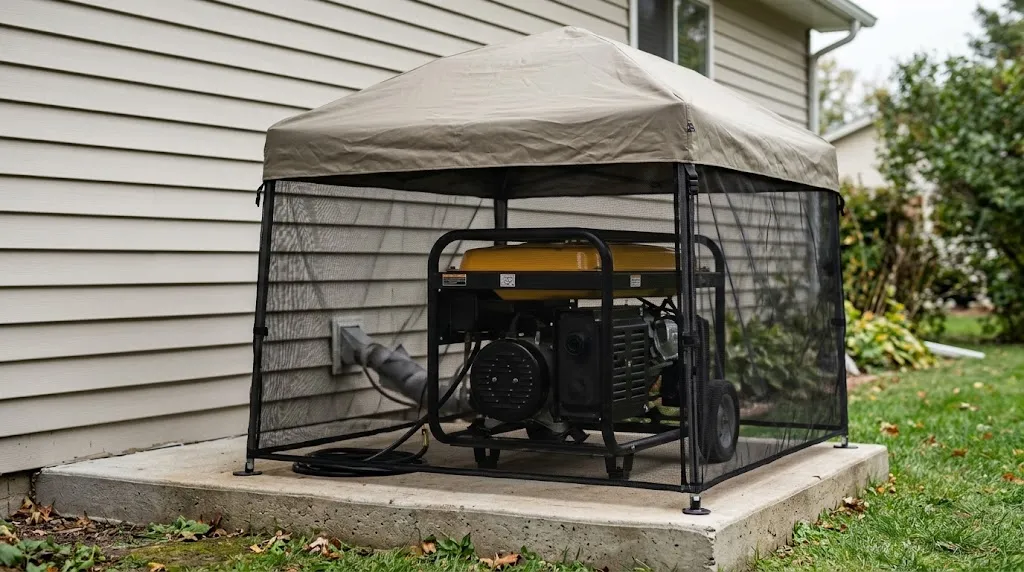
If you live in an area prone to severe weather and need reliable backup power during storms, you need to separate storage protection from operational protection.
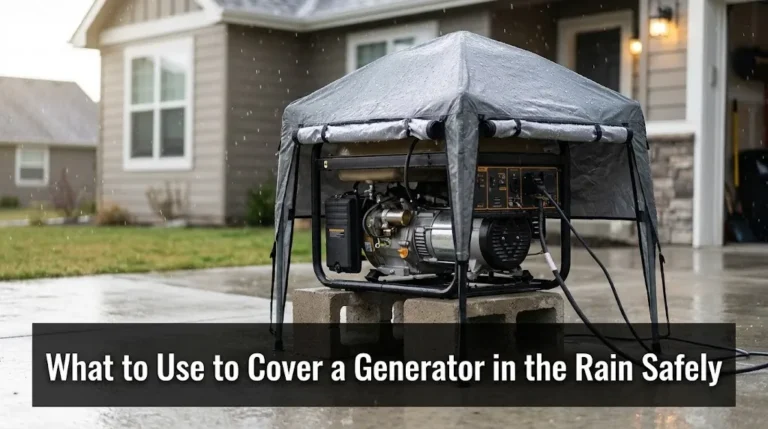
- Use a Running Tent or Canopy: Invest in a weather-resistant tent specifically engineered for running generators. These structures feature open sides or mesh venting to maintain airflow while deflecting rain and snow.
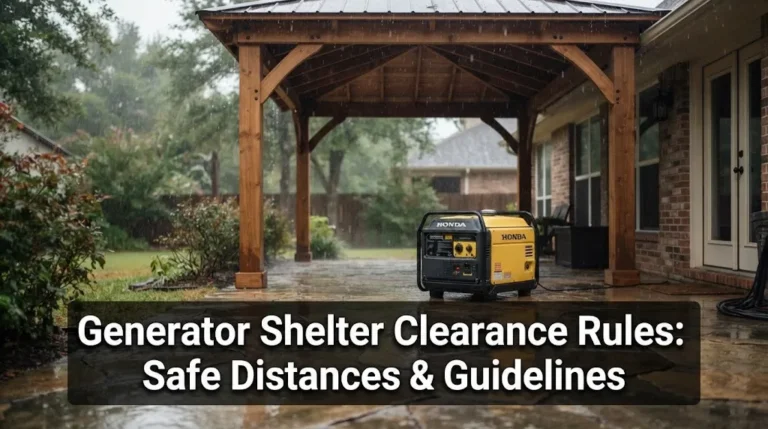
- Position Under an Eave or Awning: Place the generator well away from living spaces while utilizing a permanent overhang for primary moisture protection. Always maintain a minimum distance of 15 to 20 feet from windows and doors.
- Elevate the Unit: Keep the generator on a dry, elevated surface to prevent pooling water from reaching the electrical components or frame.
Tip
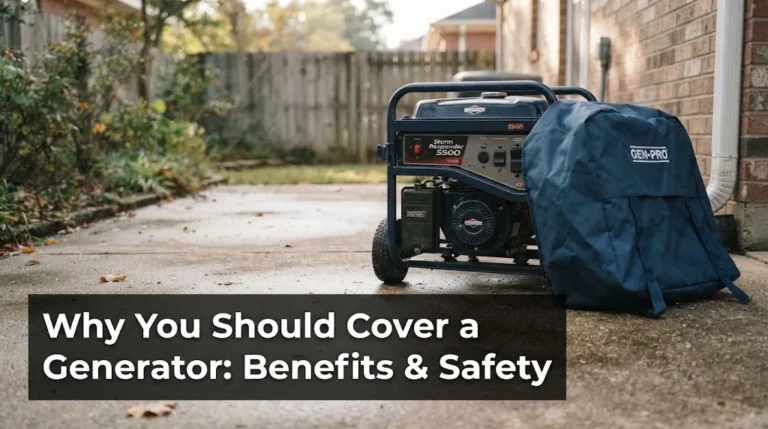
Always wait until the engine has completely cooled down before putting your heavy-duty storage cover back on the unit.
When Can You Use a Cover?
Storage covers serve an important purpose, but their timeline is strict:
| Generator State | Cover Status | Reason |
|---|---|---|
| Running / Active | No Cover (Unless Running Tent) | Prevents overheating, fire, and CO buildup |
| Shut Down & Hot | No Cover | Allows residual engine heat to dissipate safely |
| Cool & Stored | Full Storage Cover | Protects against dust, moisture, and debris |
Understanding this distinction ensures your equipment remains protected during storage without creating hazardous operating conditions when the power goes out.
Related Product
Generator Running Tent
A breathable, weather-resistant canopy lets you safely operate your generator in rain or snow while maintaining proper airflow.
As an Amazon Associate, we earn from qualifying purchases.
Frequently Asked Questions
Can I use a regular tarp to cover a running generator?
No. Using a standard plastic tarp or canvas sheet traps heat and exhaust fumes, creating a severe fire hazard and risking engine seizure.
What happens if a generator gets wet while running?
Direct exposure to heavy rain can short out electrical outlets, damage control panels, and create electrical shock hazards. Always use a proper running cover or shelter.
How do running generator tents work?
Running tents feature heavy-duty waterproof tops with open or mesh sides that shield the electrical outlets and engine from precipitation while allowing unrestricted airflow for cooling and exhaust.
Can I run my generator in a garage if it’s covered?
Never run a portable generator inside a garage, shed, or enclosed space, regardless of whether it is covered. Carbon monoxide poisoning can occur within minutes in enclosed areas.
How long should I wait after turning off my generator to put the cover on?
Wait until the engine, muffler, and alternator have completely cooled to room temperature. Putting a storage cover on a hot engine can melt the fabric and trap residual moisture.
Are inverter generators safer in the rain?
While many inverter generators feature enclosed plastic housings, they are still not completely waterproof and require dry operating conditions or specialized shelters to prevent electrical damage.
Conclusion
Safely operating a portable generator requires balancing weather protection with critical ventilation needs. Never place a standard storage cover over a running engine, as trapped heat and restricted exhaust create immediate fire and carbon monoxide hazards. By utilizing specialized running tents or proper shelter positioning, you can keep your backup power running reliably through any storm without compromising safety.

Hi, I’m Michael Turner. I own a generator workshop in the United States and founded HomeGeneratorBlog to share practical, hands-on guidance about generator installation, maintenance, troubleshooting, safety, and backup power solutions. My goal is to help homeowners make smarter, more confident decisions through clear and reliable information