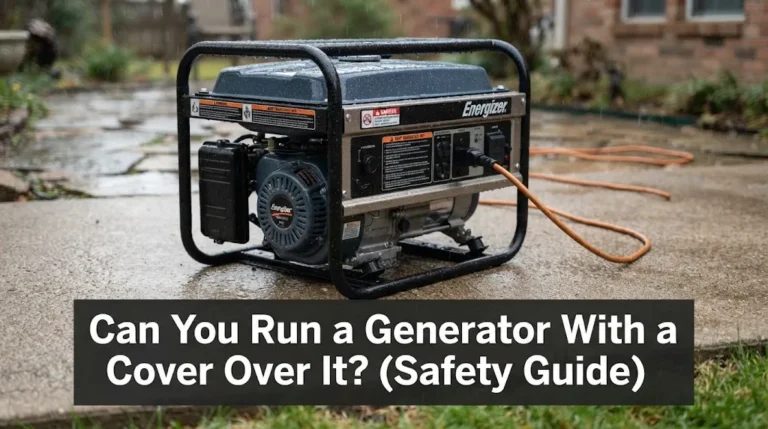
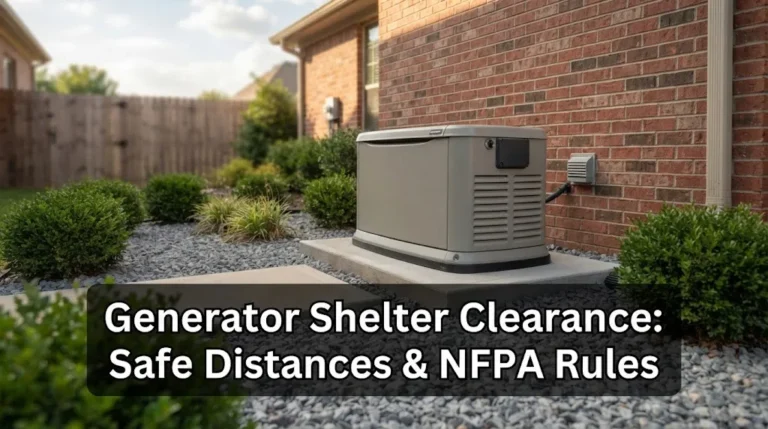
How to Cover a Running Generator Safely (What to Avoid)
Quick Answer
Never cover a running portable generator with standard tarps, plastic sheets, or boxes, as this severely restricts airflow, traps deadly carbon monoxide, and creates an extreme fire and electrocution hazard. Instead, use a specialized, ventilated running-cover enclosure or a rated generator tent designed specifically to allow proper ventilation while protecting the unit from direct rain or snow.
Why Covering a Running Generator Is Dangerous
Operating a portable generator requires a constant balance between weather protection and open-air ventilation. When severe weather strikes during a power outage, the instinct to protect expensive electronic equipment from rain, snow, or sleet is completely natural. However, throwing a standard household tarp, blanket, or enclosed structure over a running generator creates immediate, life-threatening dangers.
The primary danger stems from exhaust accumulation and thermal overload. Generators burn fossil fuels such as gasoline, propane, or diesel, which produces carbon monoxide (CO)—an odorless, colorless, and deadly gas. Confining a running generator under a makeshift cover traps this exhaust near the engine, increasing the risk of toxic gas pooling or leaking backward into living spaces. Furthermore, air-cooled engines draw in ambient air to dissipate intense internal heat. Restricting that airflow causes the engine temperature to spike rapidly, which can warp engine components, melt plastic shrouds, or trigger an electrical fire.
Moisture hazards present an equally serious concern when improper covers are used. While keeping rain off the unit seems helpful, standard plastic sheeting or non-breathable tarps trap condensation directly against electrical outlets, alternator windings, and control panels. This trapped humidity leads to accelerated corrosion, electrical short circuits, and severe shock hazards for anyone operating the equipment.
Critical Safety Rules for Generator Weather Protection
Safe generator operation in adverse weather depends on adhering to strict physical boundaries and manufacturer guidelines. Safety regulators and generator manufacturers uniformly mandate that portable units run strictly outdoors, well away from windows, doors, and vents.
Maintain Safe Distance From Structures
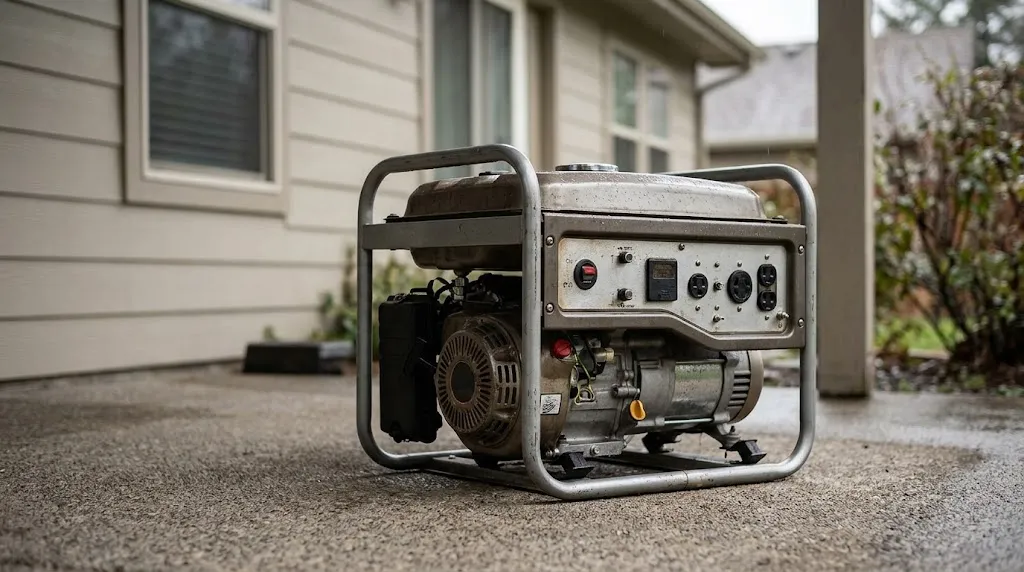
A generator must always be positioned at least 15 to 20 feet away from any home, garage, shed, or enclosed structure. Exhaust pipes should point outward, completely away from any building openings. Adding a cover does not change this requirement; even under a specialized shelter, placing a generator too close to a wall allows carbon monoxide to accumulate against the structure and seep indoors through windows or soffits.
Never Enclose a Running Engine in Small Spaces
Never place a running generator inside a garage, shed, crawlspace, or tightly fenced dog run, even with the doors or windows open. Temporary enclosures made of plywood walls, canvas flaps, or zip-up storage tents that lack certified cross-ventilation will trap exhaust gases within minutes. If a shelter lacks open sides specifically engineered for airflow during operation, it must not be used.
Warning
Never use a standard blue plastic tarp draped directly over a running generator, even if you leave the ends open. The fabric can sag against hot exhaust mufflers, melt instantly, and ignite fuel vapors or plastic components.
Approved Methods to Protect a Generator in Wet Weather
Protecting a running generator from rain, snow, or direct sunlight requires purpose-built equipment engineered to maintain unrestricted airflow while shielding sensitive electrical components.
Using Specialized Running Tents and Canopies
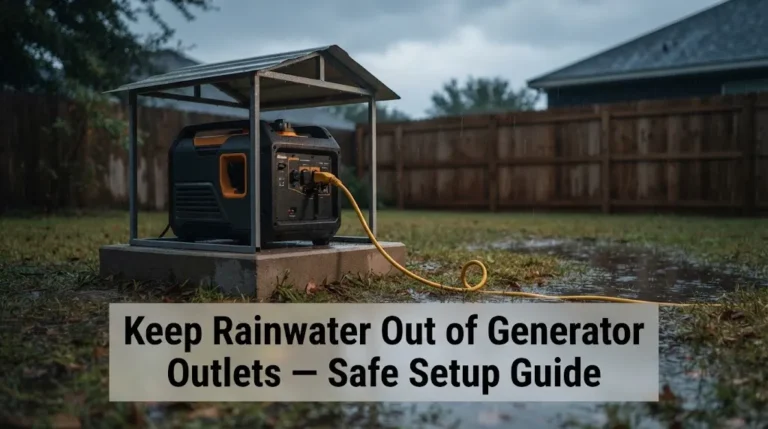
Several manufacturers produce heavy-duty, weather-resistant tents designed specifically for portable generators. These specialized canopies feature flame-retardant fabric, rigid internal framing that anchors to the generator frame, and adjustable marine-grade vinyl side flaps. These flaps can be rolled up during dry operations and rolled down or pitched out during rainstorms to shield the electrical panel and engine housing while leaving the exhaust side entirely open to the elements.
Operating Under an Open-Sided Porch or Awning
If operating near a home, a permanent or semi-permanent open-sided patio cover, carport, or elevated deck can provide adequate overhead shelter. The location must remain completely open on at least three sides to ensure unimpeded cross-ventilation. Never operate a generator under a low overhang where exhaust can become trapped under the roofline.
Tip
Always position your generator so that prevailing winds blow exhaust fumes directly away from your home and away from any shelter openings.
Understanding the Risks of Substandard Cover Materials
Homeowners often attempt DIY solutions during emergencies, but understanding why specific materials fail helps prevent catastrophic accidents.
| Cover Material | Primary Hazard | Operational Impact |
|---|---|---|
| Standard Plastic Tarp | Melting and fire hazard | Direct contact with hot exhaust melts plastic instantly; traps exhaust gas. |
| Canvas Drop Cloth | Moisture saturation | Absorbs heavy rain, becomes waterlogged, and collapses onto hot engine parts. |
| Plywood Enclosure Box | Carbon monoxide buildup | Restricts airflow completely, causing engine overheating and lethal CO pooling. |
| Storage Cover (Non-Running) | Severe engine damage | Designed strictly for stationary storage; suffocates the engine within minutes. |
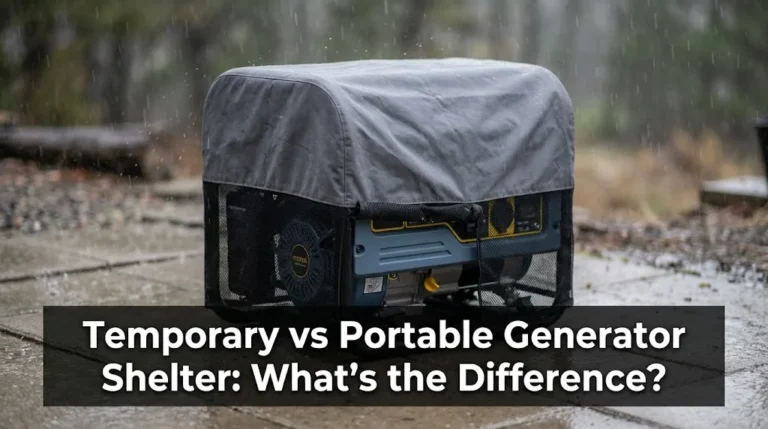
A storage cover is engineered to protect a cold, powered-down generator from dust and UV rays when parked in a garage. Putting this tight-fitting vinyl or canvas cover over a running unit blocks all cooling intake vents. The alternator will overheat, insulation on internal wiring will melt, and the engine will seize or stall.
How to Safely Handle Refueling and Maintenance in Wet Weather
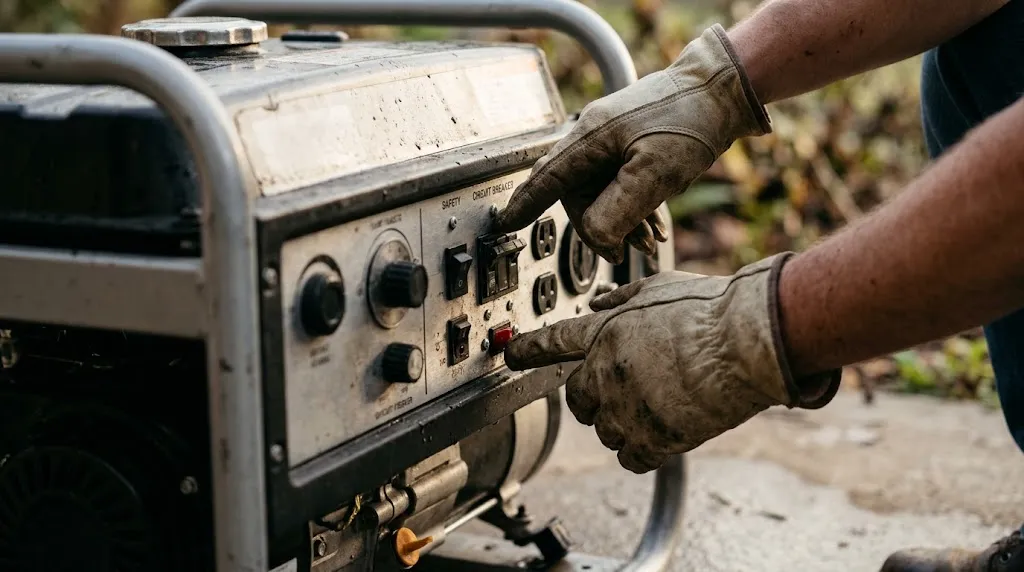
Severe weather introduces additional hazards when handling fuel or performing basic checks while the generator runs.
Refueling a hot, running generator is extremely dangerous under any circumstances, but doing so in heavy rain or snow increases the risk of thermal shock or fuel contamination. Water entering the fuel tank can ruin the carburetor and stall the engine instantly. If refueling is necessary during a storm, shut down the generator, let the engine cool for several minutes, move under a protected overhang or use a handheld umbrella to shield the fuel opening, and wipe away any moisture around the cap before pouring fresh fuel.
Extension cords and connection points also demand rigorous management in wet environments. Ensure all cords are rated for outdoor use, feature grounded three-prong plugs, and are free of cuts or frayed insulation. Never run extension cords through standing puddles or let connection blocks sit directly in mud or snow. Using heavy-duty cord covers or elevated connections prevents ground faults and protects users from electrical shock.
Key Insight
Modern inverter generators and traditional open-frame units rely on ambient air movement to cool internal alternator windings. Even if an enclosure keeps the rain out, zero airflow causes thermal breakdown of electrical insulation long before the engine displays external warning signs.
What to Do After the Storm Passes
Once severe weather clears and power restoration is underway, proper shutdown and post-storm maintenance ensure the generator remains reliable for future emergencies.
Begin by turning off all connected appliances and unplugging power cords from the generator panel. Allow the engine to run without a load for two to three minutes so internal temperatures can stabilize and cool down gradually. Once shut down, remove any specialized running tent or temporary shelter to let remaining condensation evaporate completely from the metal frame and engine housing.
Inspect the control panel, outlets, and circuit breakers for any signs of moisture intrusion. If water penetrated the electrical sockets, allow the unit to dry entirely before attempting another start. Once the engine is completely cool, you can safely install a breathable, weather-resistant storage cover designed for powered-down units until the next maintenance check or emergency deployment.
Related Product
Portable Generator Running Tent
A heavy-duty, weather-resistant running cover designed to protect your generator from rain and snow while maintaining proper ventilation and exhaust clearance.
As an Amazon Associate, we earn from qualifying purchases.
Frequently Asked Questions
Can I use a blue tarp over my generator if I leave the sides open?
No. Standard plastic tarps lack heat resistance and proper anchoring systems. High winds during a storm can easily lift the tarp and force it against the hot exhaust muffler, causing it to melt instantly and create a fire hazard.
How far away from my house should my generator be placed?
You should place your portable generator at least 15 to 20 feet away from your home with the exhaust pointed away from all windows, doors, and air intake vents to prevent carbon monoxide poisoning.
Will rain ruin my portable generator if it gets wet?
Direct exposure to heavy rain or snow can short-circuit electrical outlets, rust alternator components, and damage the control panel. While generators are built tough, they are not completely waterproof and require rated shelter or a running tent during wet weather.
Can I build a wooden enclosure for my generator?
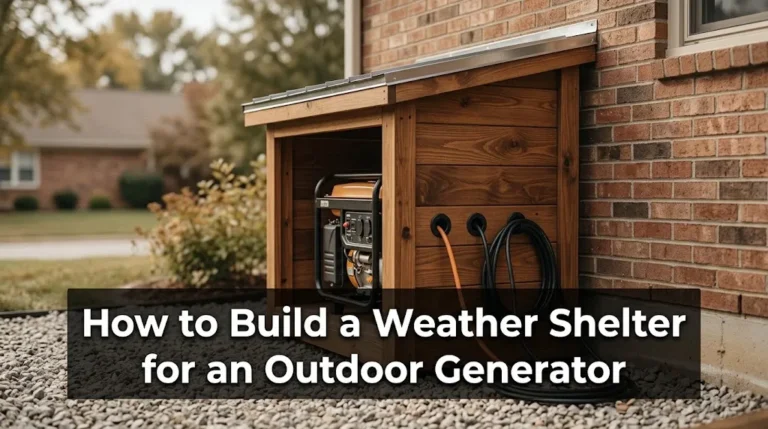
Building a custom wooden box or shed for a running generator is extremely hazardous unless it is professionally engineered with active ventilation fans and commercial louvers. Standard homemade boxes trap carbon monoxide and cause the engine to overheat rapidly.
What type of cover is safe to use while the generator is running?
Only use specialized running tents, canopies, or enclosures specifically certified by generator manufacturers or aftermarket brands for operation while the engine is running. These shelters feature fire-retardant materials and open ventilation flaps.
What should I do if my generator gets soaked during a storm?
Shut down the unit immediately, disconnect all electrical cords, and move it to a dry area if possible. Allow the generator to dry completely and inspect the electrical outlets for moisture before attempting to restart it.
Conclusion
Protecting a portable generator during inclement weather is essential for preserving your equipment, but safety must always take precedence over convenience. Never use standard tarps, blankets, or unventilated enclosures over a running engine, as the risks of carbon monoxide poisoning, fire, and catastrophic engine overheating are severe. By utilizing certified generator running tents, maintaining proper distance from your home, and adhering to strict operating guidelines, you can safely keep your essential appliances running through any storm.

Hi, I’m Michael Turner. I own a generator workshop in the United States and founded HomeGeneratorBlog to share practical, hands-on guidance about generator installation, maintenance, troubleshooting, safety, and backup power solutions. My goal is to help homeowners make smarter, more confident decisions through clear and reliable information