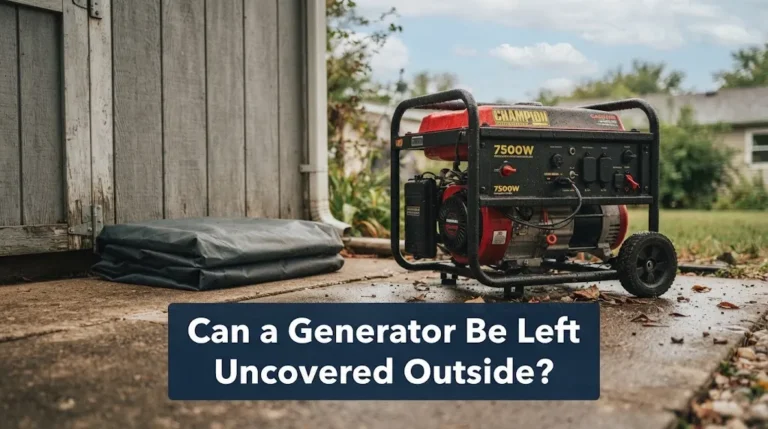
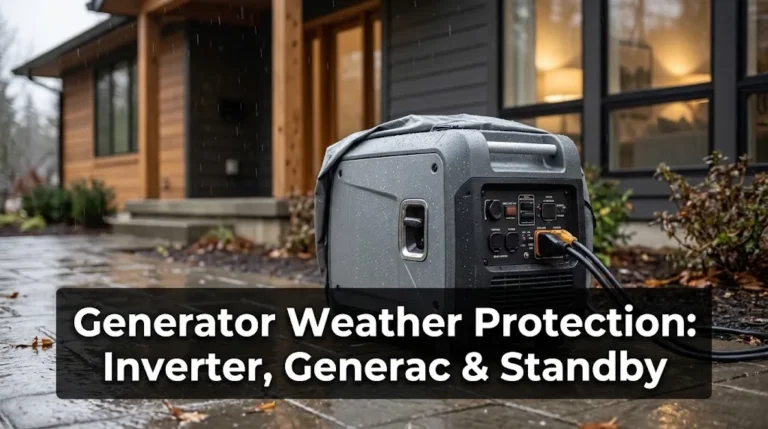
10 Best Generator Covers for Hail 2026: Impact-Ready Protection
The best generator cover for hail is IGAN Generator Tent Running Cover Pro-Max — its steel frame deflects hail before impact. We evaluated 10 generator covers, scoring each on Hail Impact Protection, Durability, and Ease of Use. Most covers look tough on paper but flatten, tear, or blow loose when ice hits at an angle. Whether you need running hail cover, safe storage, or storm-ready backup, this guide gives you one clear answer.
Quick Comparison: All 10 Products Ranked
| # | Product | Best For | Rating | Badge | |
|---|---|---|---|---|---|
| 1 | IGAN Generator Tent Running Cover Pro-Max | Running through a hailstorm | 4.9/5 | Best Overall | Buy → |
| 2 | Porch Shield Waterproof Universal Generator Cover 32x24x24 for 5000-10000 Watt | Outdoor storage in hail-prone areas | 4.8/5 | Best Value | Buy → |
| 3 | GEHENG Waterproof Generator Cover While Running 32x24x24 | Budget running cover in sudden hail | 4.6/5 | Best Budget | Buy → |
| 4 | GenTent Safety Canopy for Portable Generators | Hard-top hail deflection while running | 4.8/5 | Best Hard-Top Protection | Buy → |
| 5 | Classic Accessories Ravenna Generator Cover | Heavy-duty fabric for stored generators | 4.7/5 | Best Heavy-Duty Fabric | Buy → |
| 6 | Tough Cover Waterproof Generator Cover 600D | Large portable generators | 4.6/5 | Best for Large Generators | Buy → |
| 7 | Duck Covers Elite Generator Cover | Windy, hail-prone yards | 4.7/5 | Best Fit and Securing | Buy → |
| 8 | Covermates Heavy-Duty Generator Cover | Long-term outdoor storage | 4.5/5 | Best for Storage | Buy → |
| 9 | Leader Accessories Generator Cover 600D | Inverter generators in hail | 4.6/5 | Best for Inverter Generators | Buy → |
| 10 | Budge Rain Barrier Generator Cover | Lightweight backup hail cover | 4.4/5 | Best Lightweight Backup | Buy → |
How We Chose These Generator Covers
What we compared
We compared 10 covers against listed specifications, sizes, running-use designs, and securing systems. Scores are editorial ratings based on listed specifications, not laboratory test results.
Our 3 scoring criteria
Hail Impact Protection, Durability, and Ease of Use, applied identically to every cover in this guide.
Guidance consulted
Published guidance from generator and cover makers on impact deflection, ventilation during running use, and wind securing shaped the buying factors below.
What we cut — and why
We cut thin single-layer sacks, covers without straps or a drawstring, and storage-only covers marketed for running use, because hail plus wind exposes each weakness fast.
What to Look for When Buying a Generator Cover for Hail
Hail is an impact problem first and a water problem second. A cover that only repels rain can still pass dents, cracks, and torn fabric straight to the generator underneath.
1. Impact Deflection and Padding
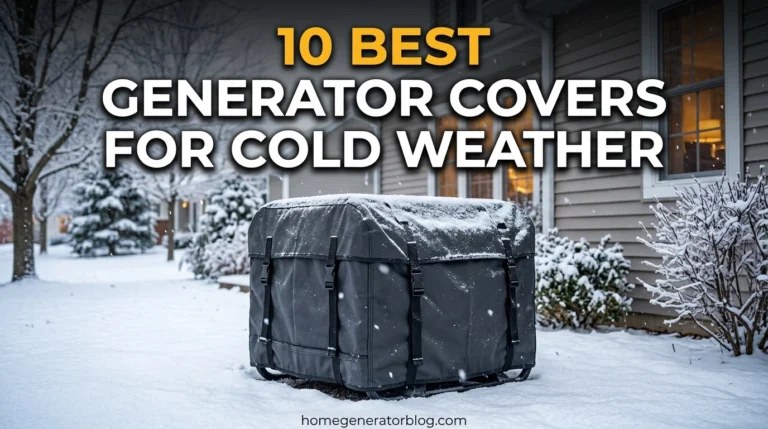
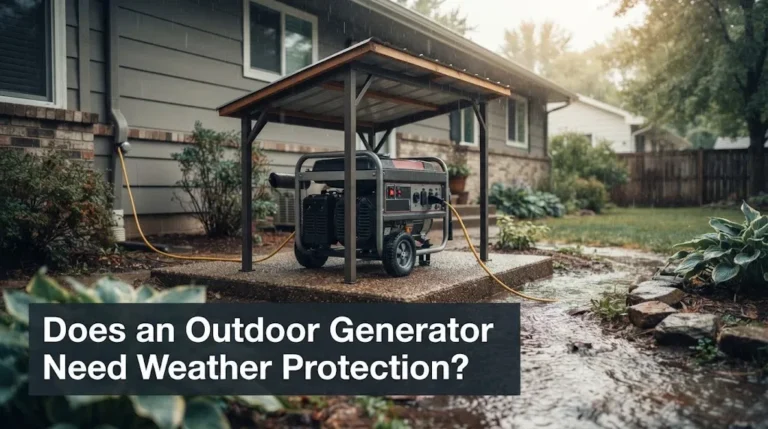
A raised frame or tent top is the strongest hail defence, because ice strikes the canopy instead of the generator. Thick, padded fabric is the next best option for storage, since it spreads the force of small hail. Flat, thin fabric resting directly on panels offers the least protection, even if it is waterproof. If large hail is common where you live, choose deflection first and fabric thickness second.
For a sturdier starting point, compare these picks with heavy-duty generator covers before you decide on a lighter cover.
2. Fabric Thickness and Tear Resistance
Look for heavyweight polyester, commonly listed as 600D, with sealed or reinforced seams. That weight resists punctures better than a thin sack and holds up longer under repeated storms. Check the corners and strap points too, because those are where hail and wind stress concentrate. A cover that tears at a seam in the first storm leaves the generator exposed for the rest of it.
If tearing is your main worry, tear-resistant generator covers explain which fabrics and seams hold up best.
3. Fit, Securing, and Wind Hold
Measure length, width, and height, then add a little clearance so the cover does not stretch tight over controls or handles. A snug cover with buckle straps, a drawstring, or weighted feet stays put when hail arrives with gusty wind. A loose cover can lift, flap, and rub paint, or blow away entirely. Tighten every strap before a storm, not during it, and recheck them after strong wind.
4. Running Use Versus Storage Use
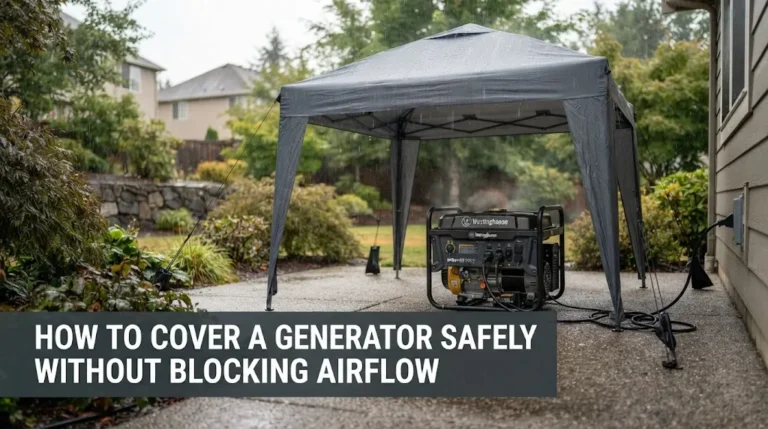
Never run a generator under a standard storage cover, even in hail. Heat and exhaust need a clear path, so running use requires a tent, canopy, or cover designed with open sides and ventilation. Storage covers are for a cool, switched-off generator only. If you need power during a storm, buy a running-rated design first, then check its hail deflection separately.
IGAN Generator Tent Running Cover Pro-Max — Deflects Hail While Running
Best for: running a generator through a hailstorm
When hail is falling and you still need power, this tent-style cover solves the hardest trade-off in this guide. Its steel frame holds a waterproof top above the generator, so ice strikes the canopy first and bounces away instead of denting panels, cracking controls, or tearing a soft cover. Open sides keep air moving around the engine, which matters far more than a sealed fit during running use. It suits larger portable generators, needs flat ground, and takes more storage space than a fold-flat cover, but for storm-day running it is the clearest choice here.
- Steel frame deflects hail before contact
- Open sides keep airflow safe
- Fits most large portable generators
- Needs flat ground for stability
- Bulkier to store than soft covers
4.9/5
4.9/5
4.8/5
Porch Shield Waterproof Universal Generator Cover 32x24x24 for 5000-10000 Watt — Thick Storage Defence
Best for: outdoor storage in hail-prone areas
A thick storage cover is the right hail answer when your generator is switched off and parked outside. This Porch Shield cover wraps 5000 to 10000 watt models in 600D waterproof polyester, with a drawstring and buckle straps that resist wind lift during a storm. The fabric spreads the force of small hail and helps prevent dents, scratches, and water reaching controls. It is not a running cover, so let the engine cool fully before fitting it every time. Measure carefully, because a stretched cover tears sooner and protects less.
- Thick 600D fabric resists hail dents
- Snug fit stops wind lift
- Quick on-and-off storage cover
- Not for running generators
- Measure carefully before ordering
4.7/5
4.8/5
4.9/5
GEHENG Waterproof Generator Cover While Running 32x24x24 — Budget Storm Cover
Best for: budget running cover in sudden hail
When a storm arrives without warning, a budget running cover is better than leaving a generator bare. This GEHENG cover fits over a running generator with open sides for airflow, while its waterproof top helps deflect small hail and shed rain. The 32 by 24 by 24 inch size suits many portable models, and straps help hold it in place during gusty weather. It will not match a steel-frame tent against large hail, and the fit must be checked carefully. For sudden storms on a tight budget, it is a first line of defence.
- Designed for running generators
- Open sides support safe airflow
- Fits many common portable models
- Weaker against large hail
- Fit must be checked carefully
4.5/5
4.6/5
4.7/5
GenTent Safety Canopy for Portable Generators — Hard Top, Open Air
Best for: hard-top hail deflection while running
A hard canopy changes the hail question entirely, because the generator never has to absorb the hit. This GenTent canopy mounts above a portable generator and sheds hail, rain, and snow away from the top and sides, while leaving the lower sides open for ventilation and exhaust. That design suits storm outages, when shutting down is not an option and a soft cover would be unsafe. It needs a compatible generator frame and careful fitting, and it costs more than a simple cover. For repeated hail exposure, however, the hard-top approach is hard to beat.
- Hard top sheds hail away
- Safe for running use
- Open lower sides ventilate well
- Needs compatible generator frame
- Fitting takes more time
4.9/5
4.7/5
4.5/5

Classic Accessories Ravenna Generator Cover — Tough Fabric, Simple Fit
Best for: heavy-duty fabric for stored generators
For a generator that sits outside between outages, fabric quality matters more than clever features. This Ravenna cover uses heavy-duty, weather-resistant fabric with a structured shape that resists sagging, pooling, and wind flap. That stiffness helps small hail glance off rather than pressing straight into panels, and it keeps rain from collecting in a flat pocket on top. It is a storage cover, not a running cover, and the shape means you should check dimensions rather than relying on wattage alone. For dependable, low-fuss storage protection, it earns its place here.
- Heavy-duty weather-resistant fabric
- Structured shape resists pooling
- Simple, low-fuss storage fit
- Storage use only, not running
- Check dimensions, not wattage
4.6/5
4.8/5
4.6/5
Tough Cover Waterproof Generator Cover 600D — Big-Generator Storage Cover
Best for: large portable generators
Large generators are harder to protect because a cover that is slightly short pulls tight and tears at the seams. This Tough Cover uses 600D waterproof fabric in a roomier cut, so it drapes over a bigger frame without stretching over handles or wheels. The thicker fabric helps absorb small hail and resist wind-driven ice, while straps keep it from lifting in gusts. It is a storage cover, so the generator must be cool and switched off before use. For owners tired of covers that almost fit, the extra room is the main benefit.
- Roomy cut avoids stretched seams
- 600D fabric absorbs small hail
- Straps resist wind lift
- Storage use only, not running
- Extra fabric can flap if loose
4.6/5
4.6/5
4.7/5
Duck Covers Elite Generator Cover — Stays Put in Wind
Best for: windy, hail-prone yards
In a real hailstorm, wind often does as much damage as ice, by lifting a loose cover and leaving the generator bare. This Duck Covers Elite model focuses on that failure point, with an elastic hem and buckle straps that grip the base and resist gusty lift. Its waterproof fabric helps deflect small hail and keeps rain off controls, vents, and outlets during storage. The fit is close rather than roomy, so measuring is essential, and it is not designed for running use. If your yard is exposed and windy, that securing system is worth prioritising.
- Elastic hem grips the base
- Buckle straps resist gusty lift
- Waterproof storage protection
- Close fit needs exact measuring
- Storage use only, not running
4.5/5
4.7/5
4.8/5
Covermates Heavy-Duty Generator Cover — Long-Term Outdoor Storage
Best for: long-term outdoor storage
A generator left outside for months faces hail, sun, dust, and rain in turn, so a storage cover really needs staying power. This Covermates cover uses heavy-duty fabric with a drawstring closure that can be pulled snug and checked quickly after each storm. It helps shield panels and controls from small hail, while keeping water and debris out between uses. It is not a running cover, and it will not replace a frame or canopy against large hail. For a set-and-check storage routine, though, it is a dependable, thoroughly uncomplicated choice.
- Heavy-duty long-term fabric
- Drawstring pulls snug quickly
- Keeps debris and water out
- Storage use only, not running
- No frame against large hail
4.5/5
4.6/5
4.6/5
Leader Accessories Generator Cover 600D — Compact Inverter Fit
Best for: inverter generators in hail
Inverter generators are smaller, lighter, and easier to damage, so a cover made for a large frame often swallows them and flaps in wind. This Leader Accessories cover uses 600D fabric in a more compact cut, with straps that hold it close to the body and reduce movement during a storm. The thicker fabric helps against small hail, while the closer fit keeps rain and grit away from vents and outlets. It is a storage cover, not a running cover, and large-hail protection still needs a frame or canopy. For a compact inverter kept outdoors, it is a sensible match.
- Compact cut suits inverters
- 600D fabric resists small hail
- Straps reduce wind movement
- Storage use only, not running
- Not for large hail alone
4.4/5
4.6/5
4.8/5
Budge Rain Barrier Generator Cover — Light Backup Cover
Best for: lightweight backup hail cover
Sometimes the best hail cover is the one you actually have on hand when a forecast changes. This Budge cover folds small, fits quickly, and adds a barrier against rain and small hail for a stored generator. It will not stand up to large hail the way a frame, canopy, or 600D cover can, and it needs straps or a snug fit to stay put in wind. As a second cover for a shed, a vehicle, or a quick storm warning, however, its lightness is a genuine advantage. Keep expectations honest, and it does a useful job.
- Folds small for easy storage
- Fits quickly before storms
- Useful second backup cover
- Not for large hail
- Needs snug fit in wind
4.3/5
4.4/5
4.9/5
Top 3 Head-to-Head: IGAN Pro-Max vs Porch Shield vs GEHENG
These three are the most common final choices because they cover the three hail situations: running, storage, and budget running use. The winner depends on whether your generator must stay on during the storm.
| Feature | #1 IGAN Pro-Max | #2 Porch Shield | #3 GEHENG |
|---|---|---|---|
| Hail Impact Protection | 4.9/5 — Best | 4.7/5 | 4.5/5 |
| Durability | 4.9/5 — Best | 4.8/5 | 4.6/5 |
| Ease of Use | 4.8/5 | 4.9/5 — Best | 4.7/5 |
| Choose if… | You need power during hail | Your generator stays parked outside | You want a budget running option |
Who These Generator Covers Are NOT For
A cover is not a shelter, and it is not a guarantee against every storm. Knowing its limits matters as much as knowing its strengths.
If your generator must run in severe weather, use a running-rated tent or canopy and keep exhaust clear, rather than stretching a storage cover over a hot engine. For day-to-day outdoor care, learn how to protect a portable generator outdoors alongside your cover choice.
If you want a permanent, storm-proof setup, consider a structure instead of a cover alone. A guide to build a DIY generator shelter covers the roof, clearance, and ventilation details a cover cannot provide.
Common Mistakes to Avoid
Most hail damage under a cover comes from a small, avoidable error before the storm, not from the cover itself.
Frequently Asked Questions About Generator Covers for Hail
Can a generator cover protect against hail?
Yes, but the level of protection depends on the design. A raised tent or hard canopy deflects hail before it touches the generator, giving the strongest defence. Thick 600D storage covers help against small hail by spreading the impact, while thin covers offer little more than rain protection. No soft cover can guarantee protection against very large hailstones, so check the cover after a storm for tears, dents, and water entry.
Should I run a generator under a cover during hail?
Only under a cover or canopy designed for running use, with open sides for airflow and exhaust. A standard storage cover can trap heat, melt, or block exhaust, even if it keeps hail off. Tent and canopy designs keep the top covered while air moves freely below, which is the safe compromise during a storm. Never seal a running generator inside a closed cover, and shut it down if you smell exhaust, see overheating, or cannot maintain clear ventilation.
What material is best for hail protection?
For storage, thick 600D polyester with reinforced seams is a strong starting point, because it resists tearing and spreads small impacts. Padded or multi-layer fabric adds further cushioning, but it still cannot match a frame that holds the cover away from the generator. For running use, a steel-frame tent or hard canopy is better, since hail strikes the top structure first. Whichever material you choose, check seams, corners, and strap points, where hail and wind stress concentrate most.
How do I keep a generator cover from blowing off in a hailstorm?
Start with the right size, then secure every strap, drawstring, or buckle before the storm arrives. A snug cover with weighted feet, an elastic hem, or buckle straps resists gusty lift far better than a loose cover draped over the top. Place the generator on flat ground, away from wind tunnels between buildings, and recheck straps after strong gusts. For broader storm preparation, compare all-weather generator covers before choosing a hail-only option.
What size generator cover do I need for hail protection?
Measure your generator’s length, width, and height, including handles and wheels, then choose a cover with a little clearance. A stretched cover tears sooner at seams and transfers hail force straight to panels, while a very loose cover flaps and lifts in wind. Wattage alone is not enough, because two models with the same rating can differ sharply in shape. Test the fit on a calm day, tighten all straps, and confirm the cover does not press hard on controls.
What should I check after a hailstorm?
Inspect the cover first for tears, punctures, and loose straps, then check the generator for dents, cracked panels, and water around vents and outlets. Clear any hail or debris from vents, dry wet surfaces before storage, and look for trapped moisture under the cover. Run the generator briefly on a clear day to confirm it starts and runs normally. Replace a torn cover promptly, because the next storm will find the same weak point.
Our Final Verdict
Hail protection comes down to one trade-off: deflection beats fabric alone. Choose a tent or canopy if you need power during storms, and a thick, well-secured storage cover if your generator stays parked. Measure carefully, secure every strap, and never run a generator under a storage cover.

Hi, I’m Michael Turner. I own a generator workshop in the United States and founded HomeGeneratorBlog to share practical, hands-on guidance about generator installation, maintenance, troubleshooting, safety, and backup power solutions. My goal is to help homeowners make smarter, more confident decisions through clear and reliable information