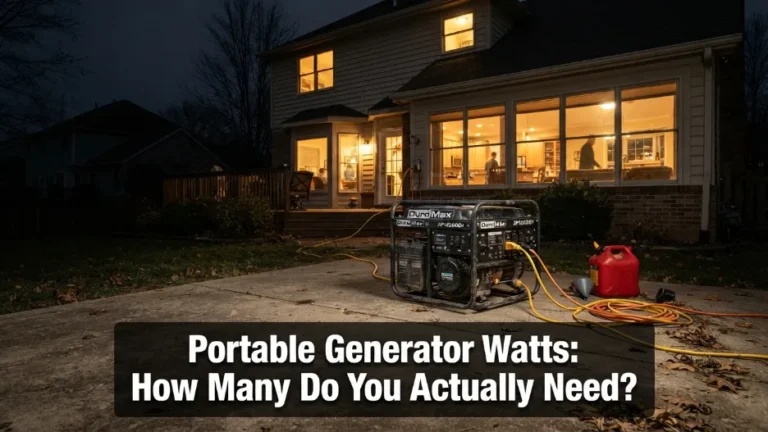
What Is the Average Cost to Have a Generator Installed?
Quick Answer
The average cost to have a whole-house generator installed is approximately $6,000 to $11,000, including equipment and installation. For a typical automatic standby system, budgeting $8,000 to $16,000 is more realistic, according to Generac’s installation guidance. Installation work alone often costs $3,000 to $5,000, while a portable generator with a professionally installed home connection can cost $900 to $4,000 overall.
Typical Generator Installation Budgets
- Portable generator setup: $900–$4,000 with professional household connection equipment.
- Standard standby system: $6,000–$11,000 for many straightforward residential installations.
- Automatic home backup: $8,000–$16,000 is a useful planning budget for many complete systems.
- Installation work alone: Often $3,000–$5,000, depending on what the contractor includes.
- Complex whole-home projects: Larger installations can exceed $20,000.
Before Accepting a Quote
- Confirm total pricing: Check whether the quote includes the generator, transfer switch, electrical work, fuel connection, permits, and testing.
Generator installation prices can look confusing because two similar-looking systems may need different amounts of electrical and plumbing work. A low equipment price doesn’t always mean a low installation bill.
When comparing backup-power options, I focus on the complete installed cost rather than the generator’s advertised price. Here’s how to estimate your budget, identify extra charges, and compare contractor quotes.
How Much Does It Cost to Install a Generator in 2026?
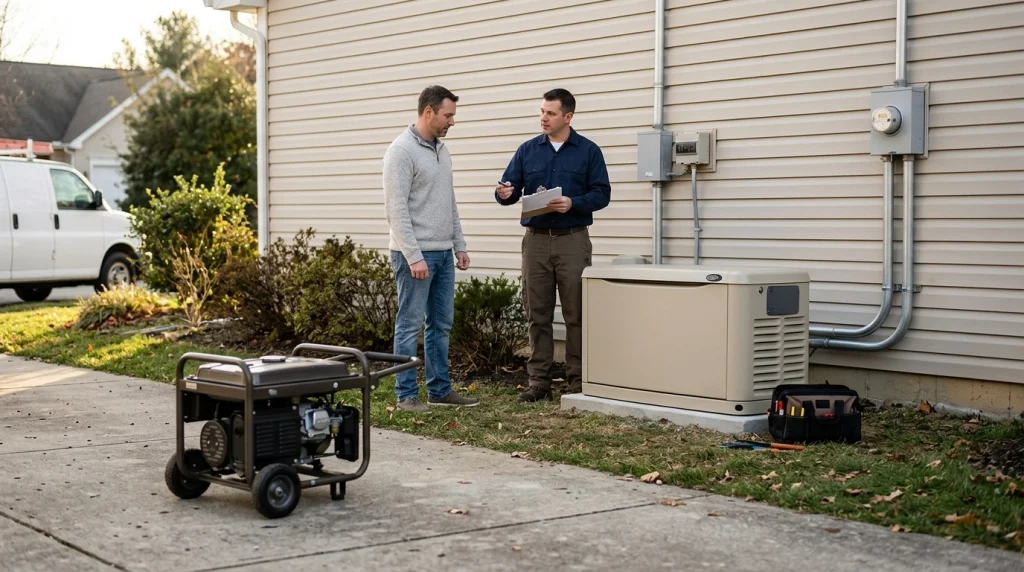
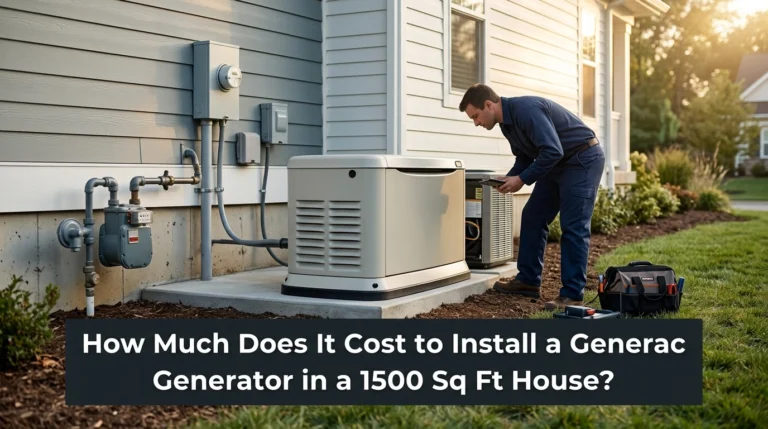
In 2026, a complete home standby generator installation commonly falls between $6,000 and $16,000. The final amount depends on generator capacity, fuel supply, site conditions, and included equipment.
A generator installation is the process of positioning backup-power equipment, connecting it safely, and preparing it for use during an outage. Permanent standby systems normally require professional electrical and fuel connections.
Generator Installation Cost by Type
The table below compares broad U.S. planning ranges. These are not guaranteed quotes, and project scope varies between installers.
| Generator Type | Estimated Total | Typical Use |
|---|---|---|
| Portable with home hookup | $900–$4,000 | Selected essential circuits |
| Smaller standby system | $6,000–$10,000 | Essential household loads |
| Common automatic standby | $8,000–$16,000 | Broader home backup |
| Large or complex installation | $15,000–$25,000+ | High electrical demand or extensive site work |
These ranges overlap because capacity alone doesn’t determine cost. A smaller generator needing major electrical upgrades can cost more than a larger unit installed beside existing connections.
Why Do Published Installation Averages Differ?
Different cost studies measure different project sizes and equipment combinations. That’s why national averages shouldn’t replace a detailed local estimate.
- HomeGuide: Reports $6,000–$11,000 for many whole-house generator installations, including equipment and labor.
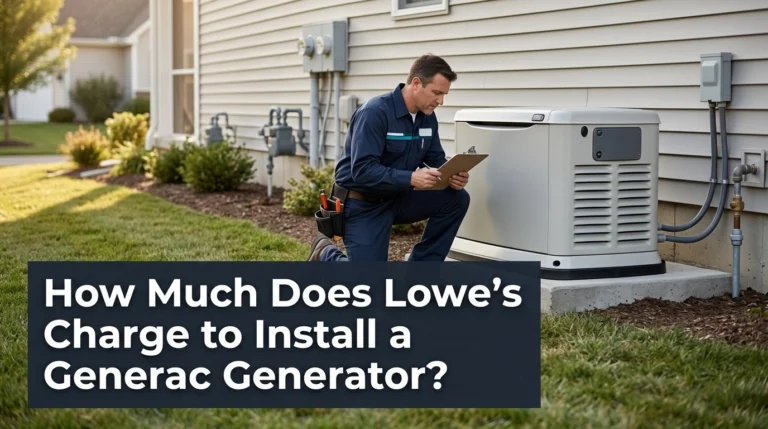
- Generac: Provides an $8,000–$16,000 typical installed-system range.
- Angi: Reports a 2026 project average around $5,157 across its reported installation data, covering a wider mix of costs and installations.
The HomeGuide generator cost breakdown offers useful comparisons between equipment, installation work, and project complexity.
How Much Does Generator Installation Cost Without the Generator?
Professional standby-generator installation work typically costs $3,000 to $5,000, excluding the generator purchase. Complicated projects can cost considerably more.
This installation allowance may cover several tasks rather than electrician labor alone. Always check how the contractor divides equipment, materials, and labor charges.
What Is Included in Installation Labor?
- Site preparation: Preparing a suitable location and mounting surface.
- Electrical connections: Connecting approved wiring, protection equipment, and transfer controls.
- Fuel hookup: Connecting the generator to a properly sized natural gas or propane supply.
- Transfer equipment: Installing or connecting the automatic transfer switch.
- Startup testing: Checking generator operation and simulating a utility outage.
- Inspection coordination: Arranging any required local approvals.
A straightforward installation near the electrical panel and fuel supply can reduce labor. Long underground wiring runs or major electrical upgrades usually increase the bill.
Ask whether the quoted labor price already includes the transfer switch and fuel piping. Adding those costs twice can make your budget unnecessarily high.
What Makes Generator Installation More Expensive?
The largest price differences usually come from site conditions and power requirements. The generator itself represents only part of the completed system.
Generator Capacity and Electrical Demand
A larger generator generally costs more to purchase. It may also require heavier electrical equipment and greater fuel capacity.
However, buying more kilowatts than your home needs wastes money. Start by calculating essential loads before choosing a model.
My home generator sizing guide explains running watts, startup demand, and basic capacity planning.
Electrical Panel and Transfer Switch
An automatic transfer switch changes the home’s power source from utility electricity to the standby generator. It also prevents the generator from feeding power into utility lines.
Transfer-switch equipment and installation can add hundreds or thousands of dollars. The exact cost depends on amperage, electrical layout, and included components.
- Existing panel compatibility can simplify installation.
- Long electrical cable runs increase material and labor costs.
- Service-panel upgrades may require additional permits and equipment.
- Automatic load management may help control generator size.
Fuel Line and Site Preparation
Natural gas and propane generators need adequate fuel pressure and pipe capacity. An existing gas meter doesn’t guarantee enough capacity for a new generator.
For propane systems, a new tank or upgraded fuel line may increase the budget. Underground trenching can also become expensive.
Some generators use approved prefabricated mounting bases, while others need additional site work. A concrete pad isn’t automatically required for every model.
How Much Does Generator Size Affect Installation Cost?
Generator output is measured in kilowatts, abbreviated kW. One kilowatt equals 1,000 watts of electrical power.
Many residential systems fall within the 10–26 kW range. The right capacity depends on actual connected loads, not just the home’s floor area.
Choosing Between Essential and Whole-Home Backup
- 10–14 kW: May support essential circuits and selected larger loads, depending on the household.
- 18–20 kW: Can accommodate broader household demand with appropriate load planning.
- 22–26 kW: Often considered for homes requiring more complete backup coverage.
- Above 26 kW: May suit unusually large properties or substantial simultaneous electrical loads.
These are planning categories, not sizing guarantees. Central air conditioners, well pumps, and electric heating can change requirements substantially.
For example, a 14 kW generator cannot automatically run every appliance in every house. An electrician should verify starting loads and calculate connected demand.
Is a Portable Generator Cheaper to Install Than a Standby Generator?
Yes. A portable generator is generally much cheaper because it doesn’t require permanent automatic standby equipment.
A portable setup with a professionally installed home connection may cost $900–$4,000 total. A basic appliance-only setup may cost less because it doesn’t connect to household wiring.
When a Portable Generator Makes More Sense
- You experience occasional, relatively short outages.
- You mainly need refrigeration, lighting, and selected appliances.
- Your installation budget is limited.
- You’re comfortable starting the generator and managing its electrical load manually.
A portable generator supplying household circuits needs approved isolation equipment. Never connect it through a regular wall outlet or dryer receptacle.
See my guide to safe generator connections before choosing a manual backup setup.
When a Standby Generator Makes More Sense
- Your location experiences frequent or extended outages.
- You want automatic startup without manually connecting equipment.
- Heating, cooling, refrigeration, or other critical loads need dependable backup.
- You prefer a fixed fuel supply and permanent installation.
Automatic operation is the biggest convenience advantage. However, it comes with higher installation and maintenance costs.
Does Generator Fuel Type Change Installation Cost?
Yes. Natural gas and propane systems often have different installation expenses because their fuel connections differ.
Natural gas can be convenient when a suitable supply already exists. Propane may require tank installation, delivery access, and additional plumbing.
- Natural gas: Check existing meter capacity, supply pressure, and pipe sizing.
- Propane: Account for tank ownership or rental, site preparation, and delivery.
- Gasoline: Common in portable generators but requires safe fuel storage and manual refueling.
- Diesel: Consider equipment cost, fuel storage, and maintenance needs.
A lower installation price doesn’t always mean lower long-term operating costs. Fuel availability and local rates matter throughout the generator’s life.
My comparison of generator fuel options explains the practical differences.
What Hidden Costs Should You Expect?
Unexpected charges often appear after a contractor inspects the electrical panel and installation site. These costs deserve attention before signing a contract.
- Permit fees: Local electrical, mechanical, or building approvals.
- Gas meter upgrades: Extra capacity when the existing service cannot support the generator.
- Electrical panel upgrades: Replacement or modification of unsuitable existing equipment.
- Trenching: Underground electrical conduit or fuel piping.
- Propane storage: A new tank, approved location, or rental arrangement.
- Site preparation: Leveling, drainage, or mounting improvements.
- Optional monitoring: Connected features or service subscriptions.
One detail I always emphasize is installation distance. The cheapest generator location may not satisfy ventilation, service-clearance, or local setback requirements.
Review the generator placement requirements before selecting a permanent location.
What Does a $11,200 Generator Installation Quote Look Like?
Here’s an illustrative budget for a natural-gas standby system. It shows how equipment and installation charges can combine.
| Expense | Example Cost |
|---|---|
| Standby generator | $5,200 |
| Transfer switch equipment | $1,200 |
| Electrical installation labor | $2,100 |
| Gas supply connection | $1,200 |
| Mounting and site preparation | $600 |
| Permits | $300 |
| Additional materials and commissioning | $600 |
| Illustrative Total | $11,200 |
This is a hypothetical estimate, not a documented contractor invoice or national average. Your actual expenses may differ substantially.
Some generators already include a transfer switch, and many installers combine material and labor charges. Confirm those details before comparing this example with a real bid.
How Can You Get an Accurate Generator Installation Quote?
The best approach is to request itemized estimates from qualified local contractors. Compare identical project requirements rather than just the final numbers.
- Calculate your power needs. Identify essential appliances and their running and startup requirements.
- Request an on-site assessment. Have the installer inspect your electrical equipment, fuel supply, and proposed location.
- Get at least three detailed quotes. Ask contractors to list equipment, labor, permits, and exclusions separately.
- Verify licensing and coverage. Confirm applicable contractor qualifications, insurance, and warranty responsibilities.
- Confirm startup testing. Require a completed functional test and instructions for safe operation.
I would also ask what happens if the installer discovers an undersized gas meter or an outdated electrical panel. Those problems can change the contract price.
Questions Worth Asking Your Installer
- Does the estimate include the generator and transfer switch?
- Who obtains the required permits?
- Are fuel piping and electrical trenching included?
- Will the installer coordinate any utility upgrades?
- What warranty covers the equipment and installation work?
- Does the final price include startup and operational testing?
How Much Does a Generator Cost to Maintain After Installation?
Installation is only the beginning of generator ownership. Fuel, routine servicing, and replacement parts add to the long-term budget.
Some residential cost guides estimate basic maintenance expenses around $80–$300, depending on the service and equipment. Comprehensive service contracts or major repairs can cost more.
Ongoing Expenses to Budget For
- Fuel: Depends on generator load, fuel consumption, runtime, and local energy prices.
- Oil and filters: Replace according to manufacturer maintenance schedules.
- Battery replacement: Standby starting batteries eventually require replacement.
- Professional service: Periodic inspections help identify problems before outages.
- Repairs: Aging electrical or engine components can create additional expenses.
Maintenance also affects useful service life. You can compare expected longevity in my generator lifespan guide.
Can You Install a Whole-House Generator Yourself?
I don’t recommend installing a permanently connected standby generator yourself. Electrical isolation, fuel connections, grounding, clearances, and local codes require specialized knowledge.
Improper connections can endanger homeowners and utility workers. The Electrical Safety Foundation International explains why properly installed transfer equipment is essential.
Generator Safety Requirements
- Use qualified professionals for electrical and gas connections.
- Follow the exact standby-generator manufacturer’s clearance requirements.
- Never operate portable combustion generators inside a home or garage.
- Keep portable generators outdoors at least 20 feet from the home, with exhaust directed away from openings.
- Maintain working carbon monoxide alarms inside the home.
- Never backfeed household wiring through an ordinary receptacle.
The U.S. Consumer Product Safety Commission provides further warnings about generator exhaust and carbon monoxide.
Is Installing a Whole-House Generator Worth the Money?
A standby generator can be worth the investment when outages create significant inconvenience, safety concerns, or property risks. Automatic startup reduces the need for manual intervention.
However, a $12,000 system may be difficult to justify for a household experiencing only rare, brief outages. A smaller portable system might provide adequate backup at a lower cost.
- Choose portable backup: When affordability and selected essential circuits matter most.
- Choose standby backup: When automatic operation and broader coverage justify the expense.
- Consider battery storage: When quiet, short-duration backup without combustion exhaust is the priority.
I recommend choosing backup power based on your real outage history and electrical needs. Don’t assume the most expensive system delivers the best value for every home.
Generator Equipment Worth Comparing
If you’re reviewing generator installation costs, these products illustrate three different ways to build a home backup system. Confirm compatibility and professional installation requirements before purchasing.
As an Amazon Associate I earn from qualifying purchases. Ratings below reflect editorial suitability for the stated use, not verified customer-review averages or hands-on test scores.
🏆 Best Automatic Standby Option
Generac Guardian 14kW Model 7225
★★★★☆ 4.5/5 editorial fit
This 14 kW standby model supports natural gas or propane and includes automatic transfer equipment. I like this configuration for homeowners prioritizing essential backup and automatic operation, provided a load assessment confirms sufficient capacity.
💰 Best Fuel-Flexible Portable Option
Westinghouse WGen9500TFc
★★★★☆ 4.4/5 editorial fit
This tri-fuel portable generator delivers 9,500 running watts on gasoline, with lower ratings on propane and natural gas. I would consider it when fuel flexibility matters and manual backup is acceptable.
🔌 Best for Essential Circuit Connections
Reliance Controls 306CRK Transfer Switch Kit
★★★★☆ 4.3/5 editorial fit
This 30-amp, six-circuit kit includes a manual transfer switch, outdoor inlet box, and 10-foot cord. I consider it a practical option for selected essential circuits when a qualified electrician confirms compatibility.
Frequently Asked Questions
How much does it cost to install a Generac whole-house generator?
Generac reports that many complete home standby installations cost approximately $8,000–$16,000. The actual price depends on generator size, existing electrical equipment, gas connections, site preparation, and local labor rates. Larger installations and major upgrades may exceed that range.
How much does an electrician charge to hook up a generator?
Professional generator installation work commonly costs several thousand dollars for a permanent standby system. A simpler portable-generator inlet and manual transfer setup can cost considerably less. Request a quote separating electrical labor, transfer equipment, wiring, and permits to understand what you’re paying for.
Can a generator be installed for less than $5,000?
Yes. A portable generator with professionally installed manual transfer equipment may fit within a $5,000 budget. A complete automatic whole-house standby system usually costs more, especially when the property requires additional fuel piping, site preparation, or electrical upgrades.
How long does whole-house generator installation take?
The physical installation may take a day or several days, depending on project complexity. However, permits, contractor scheduling, site preparation, and utility coordination can extend the overall process over several weeks. Ask your installer for a realistic schedule before placing an equipment order.
Does homeowners insurance cover generator installation?
Homeowners insurance generally doesn’t pay to install a generator as a routine home improvement. Coverage may differ when eligible insured damage is involved, and discounts are not guaranteed. Review your insurance policy and ask your insurer whether a permanently installed generator changes your coverage or premiums.
Final Takeaway: Budget for the Complete Installation
The average cost to have a generator installed depends heavily on what you’re powering. Many complete standby projects cost $6,000–$11,000, while an $8,000–$16,000 budget provides a more conservative starting point for automatic residential backup.
Before choosing equipment, calculate your electrical needs and obtain three itemized installation quotes. The right system should deliver dependable backup without unnecessary capacity, hidden expenses, or unsafe shortcuts.

Hi, I’m Michael Turner. I own a generator workshop in the United States and founded HomeGeneratorBlog to share practical, hands-on guidance about generator installation, maintenance, troubleshooting, safety, and backup power solutions. My goal is to help homeowners make smarter, more confident decisions through clear and reliable information