Can I Run My Generator for 12 Hours? Complete Safety Guide
Quick Answer
Yes, you can run some generators for 12 hours, but only when the manufacturer allows extended operation and the generator has enough fuel, proper oil level, safe ventilation, and a manageable electrical load. A generator that runs only eight hours per tank may need a shutdown and cool-down before refueling, so check how a portable generator works before treating 12 hours as a continuous runtime target.
Before running for 12 hours
- Check the manual: Your generator’s operating and maintenance limits override any general runtime advice.
- Check the oil: Confirm the engine oil is at the correct level before a long run.
- Reduce the load: A generator near maximum output burns more fuel and works harder.
- Plan your fuel: Never add gasoline while the generator is running or still hot.
- Control carbon monoxide: Operate portable generators outdoors and well away from doors, windows, and vents.
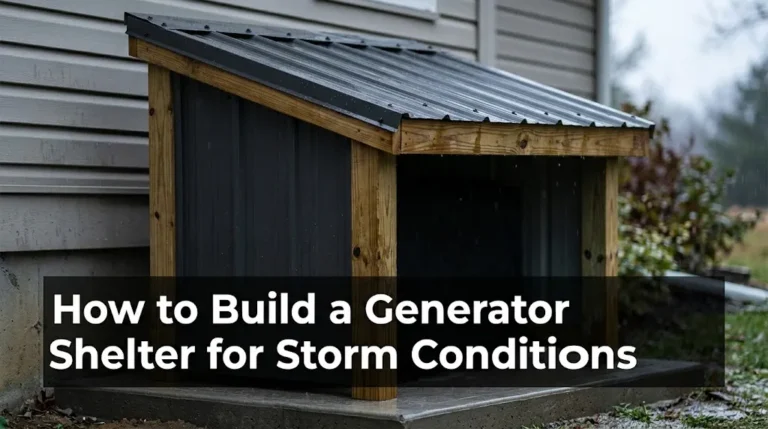
- Watch the weather: Keep the generator dry while maintaining unrestricted outdoor airflow.
My practical rule
- Don’t ask only whether the engine can run for 12 hours. Ask whether the entire setup can do it safely.
A long power outage makes 12 hours sound like a simple runtime question. In practice, fuel capacity, engine maintenance, electrical load, and carbon monoxide safety all matter just as much.
I don’t treat 12 hours as a universal limit or target. I treat it as an operating period that the generator, fuel system, environment, and maintenance schedule all need to support.
Can I Run My Generator for 12 Hours Continuously?
Some generators can run for 12 hours continuously, while others cannot. The correct answer depends on your exact model, fuel tank, load percentage, and manufacturer’s instructions.
For example, the Westinghouse WGen3600c lists up to 14 hours of gasoline runtime at 25% load, but about 10.5 hours at 50% load. That difference shows why the number on the box means little without its test conditions.
| Generator example | Rated output | Published runtime | What it shows |
|---|---|---|---|
| Westinghouse WGen3600c | 3,600 running watts | 14 hours at 25% load; 10.5 hours at 50% | A lighter load can push one tank beyond 12 hours. |
| Honda EU2200i | 1,800 running watts | 8.1 hours at 25% load; 3.2 hours at rated load | Not every quality generator can make 12 hours on one tank. |
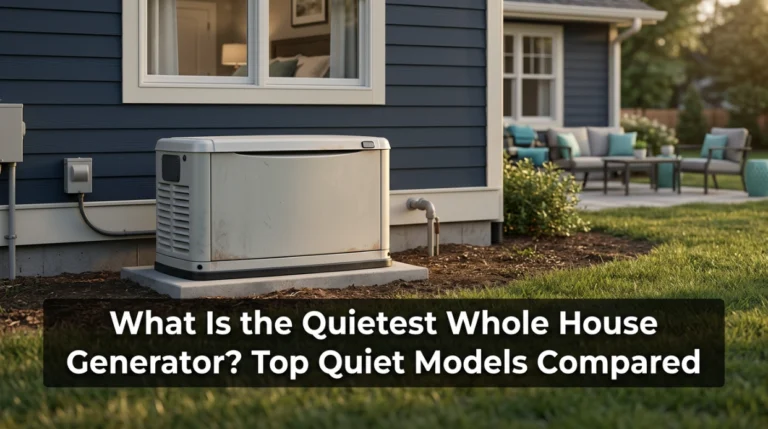
A smaller fuel tank isn’t automatically a disadvantage. Compact inverter generators often trade tank capacity for lower weight, portability, and quieter operation.
If gasoline runtime is your main concern, this gasoline portable generator guide explains how tank size and load affect real operating time.
What Does “Continuous Runtime” Actually Mean?
Continuous runtime means the generator operates without being shut down. It does not mean the machine can run indefinitely without inspection, maintenance, or fuel management.
Definition: Generator runtime is the length of time a generator can operate under stated conditions before fuel, maintenance, temperature, or another operating limit requires attention.
A manufacturer’s “12-hour runtime” also usually assumes a specific electrical load. Your refrigerator, furnace blower, sump pump, lights, freezer, and air conditioner can produce a much heavier real-world load.
- 25% load: Usually provides the longest advertised fuel runtime.
- 50% load: A useful middle-ground comparison for home backup use.
- 75–100% load: Burns fuel faster and puts more heat and stress on the engine.
What Determines Whether a 12-Hour Generator Run Is Safe?
Safe 12-hour operation depends on much more than fuel. I look at six areas before planning any long generator run.
- Manufacturer limits: Check your owner’s manual for operating, inspection, and service instructions.
- Oil level: Small generator engines depend heavily on a limited oil supply.
- Electrical load: Staying below rated capacity reduces overload risk and usually extends fuel runtime.
- Airflow: Cooling openings and the exhaust area need unrestricted airflow.
- Fuel supply: Know whether one tank covers the planned run or a safe shutdown will be needed.
- Outdoor placement: Exhaust must remain safely away from occupied buildings and openings.
If you’re unsure whether your generator is properly sized, calculate your essential loads before the outage. My guide to choosing the right generator size for a house walks through that process.
Is It Safe to Run a Generator for 12 Hours Overnight?
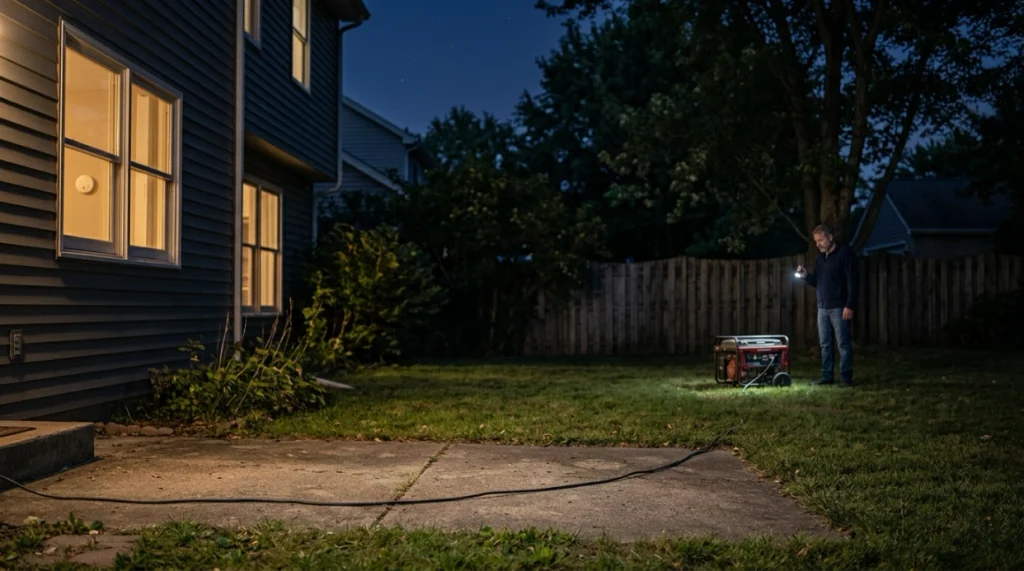
A generator may operate overnight only when the entire installation remains safe while you sleep. Carbon monoxide is the biggest reason I would never treat overnight generator use casually.
The CDC’s carbon monoxide guidance says portable generators should operate outdoors, more than 20 feet from windows, doors, and vents. A garage isn’t safe, even with the garage door open.
- Keep it outside: Never operate a portable generator in a house, garage, basement, shed, or other enclosed space.
- Maintain distance: Keep at least 20 feet between the generator and the home or building openings.
- Point exhaust away: Exhaust should face away from homes and occupied structures.
- Use CO alarms: Install functioning battery-operated or battery-backup carbon monoxide alarms indoors.
- Keep it dry: Protect the generator from rain without enclosing it or restricting cooling airflow.
The U.S. Consumer Product Safety Commission gives the same basic placement advice. It also recommends working CO alarms on every level and outside sleeping areas.
Can I Refuel a Generator While It Is Running?
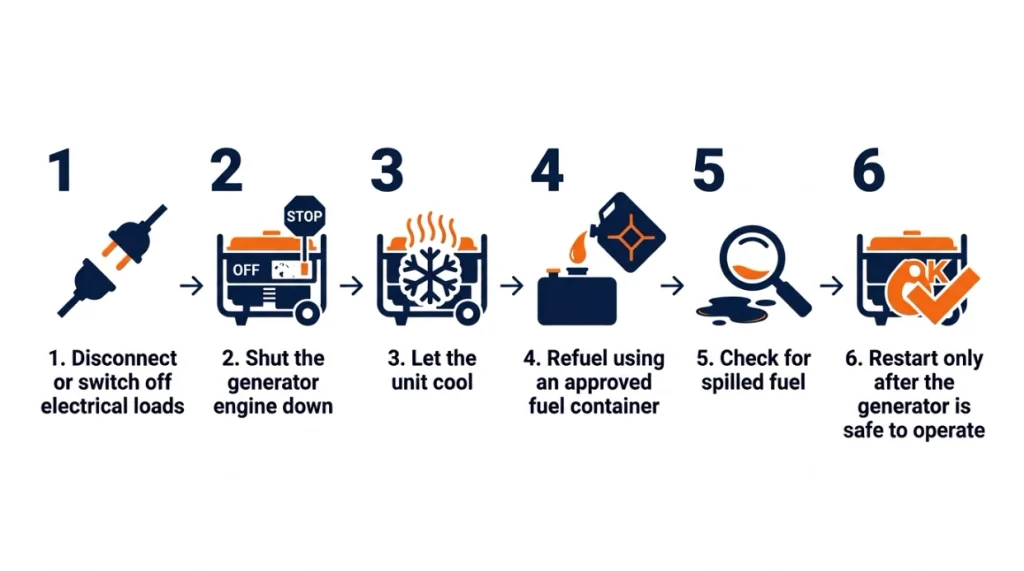
No. Never refuel a gasoline generator while it is operating. Shut the engine down and allow hot surfaces to cool before adding fuel.
Gasoline contacting a hot engine or exhaust component can ignite. This means a generator with an eight-hour tank cannot safely become a “12-hour continuous” generator just because you pour more gasoline into it at hour eight.
- Disconnect or switch off electrical loads as your manual directs.
- Shut the generator engine down.
- Let the unit cool according to its instructions.
- Refuel using an approved fuel container.
- Check for spilled fuel before restarting.
- Restart only after the generator is safe to operate.
Do I Need to Check the Oil During a 12-Hour Run?
Check the oil before any extended generator run. Whether you need another check or service during a long outage depends on your specific maintenance schedule.
Some portable generators call for an early break-in oil change and then recurring changes after a specified number of operating hours. That’s why I keep an hour log during multi-day outages.
| Maintenance point | What to do |
|---|---|
| Before starting | Check oil level, fuel system, air openings, cords, and visible leaks. |
| During an extended outage | Track accumulated engine hours and follow the manual’s service intervals. |
| Heavy or hot operation | Check whether the manufacturer requires more frequent oil service. |
This portable generator maintenance schedule gives you a practical way to track service during long outages.
When oil service is due, follow the correct shutdown and refill procedure in my portable generator oil change guide.
Can Running a Generator for 12 Hours Damage It?
Twelve hours alone doesn’t automatically damage a generator. Overloading, low oil, blocked cooling airflow, neglected maintenance, contaminated fuel, and excessive heat are more important concerns.
- Overloading: Repeated operation near or above rated output can trip protection and overheat components.
- Low oil: Inadequate lubrication can quickly damage a small engine.
- Dirty air filter: Restricted airflow can hurt performance and increase engine stress.
- Blocked cooling: Never pile objects around the generator or restrict ventilation openings.
- Poor maintenance: Extended outages can accumulate service hours faster than owners expect.
The Honda generator owner’s manual library is a good example of why model-specific documentation matters. Different models and serial ranges can have different operating instructions.
How Should I Prepare for a 12-Hour Generator Run?
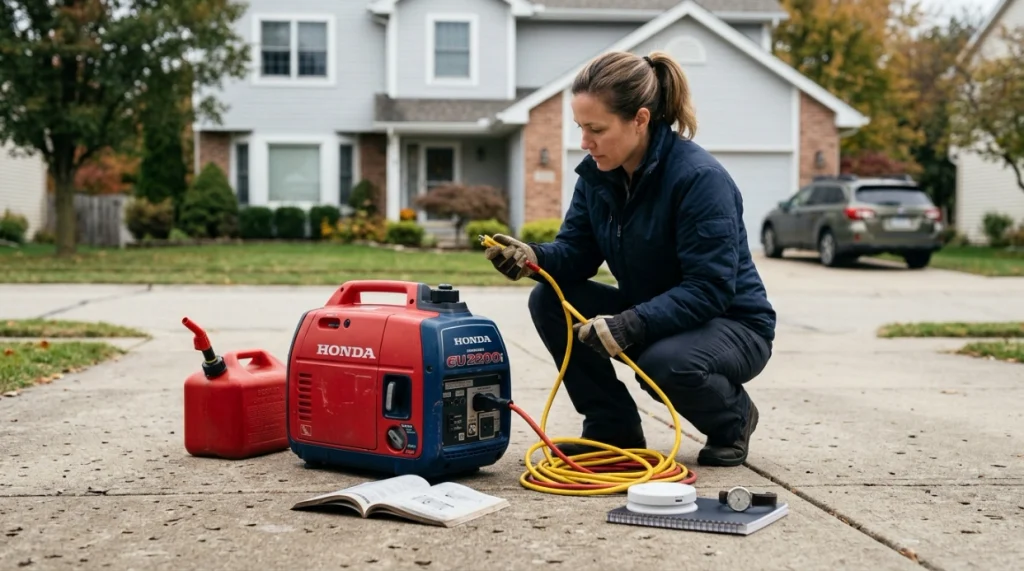
Prepare before the outage instead of solving problems while the engine is running. A simple checklist prevents most avoidable mistakes.
- Read the manual: Confirm fuel type, oil requirement, rated watts, and service schedule.
- Choose a safe location: Set the generator outdoors at least 20 feet from the home and openings.
- Calculate the load: Power essentials first instead of connecting everything at once.
- Inspect your cords: Use outdoor-rated cords with adequate amperage and wattage capacity.
- Check CO alarms: Make sure alarms inside the home are operating before starting the generator.
- Plan fuel stops: Know approximately when the tank will empty and schedule a safe shutdown.
- Record engine hours: Long outages can push the generator into its next maintenance interval quickly.
The Electrical Safety Foundation International also warns against connecting a generator directly to household wiring without an appropriate transfer switch. Improper backfeeding can put utility workers and other people at risk.
What If I Need Generator Power for More Than 12 Hours?
You can supply power beyond 12 hours, but that doesn’t necessarily mean one uninterrupted engine run. A controlled shutdown can be the safest point to refuel, inspect oil, check the site, and review accumulated engine hours.
- Prioritize essentials: Refrigeration, medical equipment, sump pumps, and basic lighting may matter more than whole-house comfort loads.
- Rotate large loads: Avoid running several high-wattage appliances simultaneously when you don’t need them.
- Plan shutdowns: Use fuel stops as inspection opportunities rather than rushing the restart.
- Store enough fuel safely: Follow local rules and use approved containers.
- Consider your generator type: A portable unit and a professionally installed standby generator serve different long-duration needs.
If an outage lasts several days, the maintenance clock matters more than the calendar. Fifty operating hours can arrive after only a little more than two days of continuous use.
That’s the detail many owners miss. During a long outage, I would track engine hours just as closely as I track the fuel supply.
If you’re preparing for a long outage, here are three products I’d consider for a safer, more practical setup:
🏆 BEST FOR LONGER TANK RUNTIME
Westinghouse WGen3600c
★★★★☆ 4.5/5 editorial fit
It provides 3,600 running watts, a 4-gallon tank, a CO sensor, and published runtime up to 14 hours at 25% load. I like it for this question because the manufacturer provides useful runtime numbers at both 25% and 50% load.
🛡️ BEST SAFETY ADD-ON
Kidde COBD10 Carbon Monoxide Alarm
★★★★★ 5/5 editorial fit
This battery-powered CO alarm uses a 10-year battery and includes a digital display. For extended generator use, I’d prioritize a working CO alarm before spending money on convenience accessories.
🔌 BEST FOR SAFE DISTANCE
Southwire 65038801 25-Foot Generator Cord
★★★★☆ 4/5 editorial fit
This 25-foot, 10/4 STW cord is rated for 30 amps and uses an L14-30 connection. The extra length can help maintain safer generator placement, but always match the cord to your generator outlet and electrical load.
Frequently Asked Questions
Can a portable generator run continuously for 24 hours?
Some portable generators can supply power across a 24-hour period, but that may require planned shutdowns for cooling, refueling, oil checks, or scheduled maintenance. Never assume a generator can run uninterrupted for 24 hours unless its manufacturer specifically supports that operating pattern.
Should I turn my generator off after 12 hours?
Not automatically. If the manufacturer permits longer operation and fuel, oil, temperature, load, and maintenance conditions remain acceptable, 12 hours isn’t a universal shutdown point. However, a fuel stop or scheduled inspection gives you a useful opportunity to shut the unit down safely.
How long should I let a generator cool before refueling?
Use the cooling instructions in your generator’s owner’s manual rather than relying on one universal number. The important rule is to shut the generator off and allow hot engine and exhaust surfaces to cool before adding gasoline, because spilled fuel can ignite on hot components.
Can I leave a generator running while I sleep?
Only when the setup follows all manufacturer and safety requirements, including outdoor placement, adequate distance from the home, exhaust pointed away, proper weather protection, suitable electrical connections, and working CO alarms. Never run a portable generator inside a garage, shed, basement, or home.
Does running a generator at half load make it last longer?
A moderate load often extends runtime per tank compared with full-load operation because the engine isn’t producing maximum output. It can also reduce unnecessary stress, but the exact fuel savings and safe operating range depend on the generator’s engine and design.
Final Takeaway: Is a 12-Hour Generator Run Okay?
Yes, a 12-hour generator run can be perfectly reasonable when your specific generator is designed and prepared for it. What matters is not the number 12 by itself, but the fuel capacity, load, oil level, maintenance interval, outdoor placement, and safe electrical setup.
Check your owner’s manual first, keep portable generators at least 20 feet from occupied buildings and openings, never refuel a running or hot gasoline generator, and use working carbon monoxide alarms. Those habits matter far more than trying to reach a particular runtime number.

Hi, I’m Michael Turner. I own a generator workshop in the United States and founded HomeGeneratorBlog to share practical, hands-on guidance about generator installation, maintenance, troubleshooting, safety, and backup power solutions. My goal is to help homeowners make smarter, more confident decisions through clear and reliable information