What Are the Downsides of Using an Electric Generator?
Quick Answer
The main downsides of using an electric generator are fuel costs, noise, exhaust emissions, maintenance, limited runtime, electrical hazards, and carbon monoxide risks with fuel-burning models. Portable units also require hands-on setup and refueling, while standby systems cost more to install and maintain. Understanding how a portable generator works makes these trade-offs much easier to judge.
The biggest generator drawbacks
- Carbon monoxide: Fuel-burning generators produce dangerous exhaust and must never operate indoors.
- Fuel dependence: Gasoline, propane, diesel, or natural gas must remain available during an outage.
- Noise: Engine-driven models can become tiring during long outages, especially near neighbors.
- Maintenance: Oil, filters, batteries, fuel systems, and other parts need periodic attention.
- Limited power: Smaller units cannot run every household appliance at the same time.
- Operating effort: Portable generators need safe placement, cords, load management, and refueling.
My practical advice
- Choose a generator only after deciding what equipment you truly need to keep powered during an outage.
I like generators because they can turn a miserable power outage into a manageable one. Still, owning one brings more responsibility than many first-time buyers expect.
As of 2026, I would never choose a generator based on wattage and price alone. Fuel, safety, noise, maintenance, wiring, and how often you’ll use it matter just as much.
What Does “Electric Generator” Mean?
An electric generator is a machine that converts another form of energy into electrical energy. Home backup generators normally use an engine powered by gasoline, propane, diesel, or natural gas to turn an alternator.
Battery power stations are sometimes marketed as “solar generators,” but they operate differently. They store electricity in batteries rather than producing it with a combustion engine.
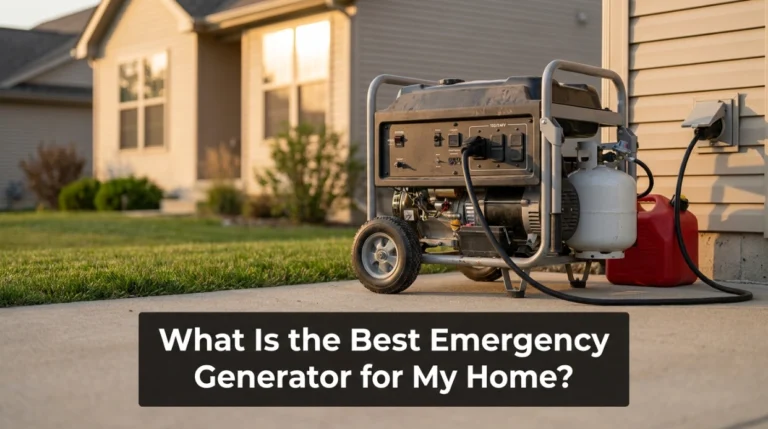
- Portable generator: Moved into position and started manually when power fails.
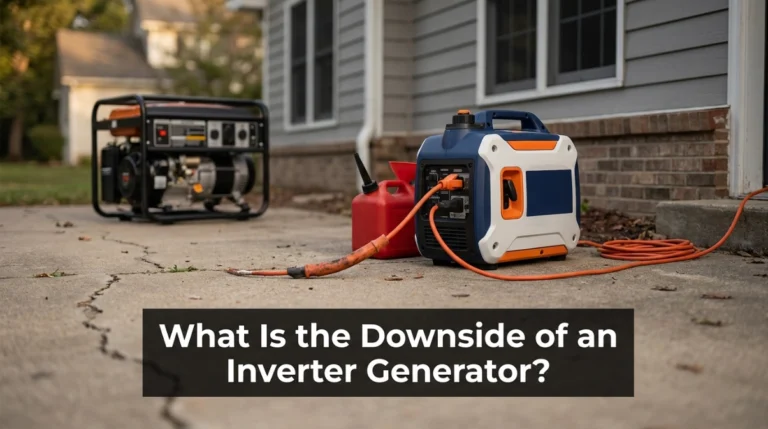
- Inverter generator: A portable generator designed to provide cleaner power and often quieter operation.
- Standby generator: Permanently installed outside and normally connected through an automatic transfer system.
- Battery power station: Stores electrical energy without engine exhaust, gasoline, or engine oil.
Most of the serious disadvantages discussed below apply to fuel-powered generators. The exact drawbacks change depending on the type you own.
What Are the Main Downsides of Using a Generator?
The biggest disadvantages are safety risks, fuel consumption, noise, maintenance, operating costs, and limited electrical capacity. Portable generators add more manual work, while standby systems add installation expense.
I think of generator ownership as trading convenience during an outage for preparation before the outage. The machine helps only when the entire setup is ready.
| Generator Type | Main Advantage | Main Downside | User Involvement |
|---|---|---|---|
| Open-frame portable | High wattage for the price | Noise, fuel handling, manual setup | High |
| Inverter generator | Quieter operation and cleaner output | Higher cost per available watt | High |
| Standby generator | Automatic backup power | Installation and service costs | Low after installation |
| Battery power station | No engine exhaust during use | Finite stored energy and recharge time | Low to moderate |
Why Is Carbon Monoxide the Most Serious Generator Risk?
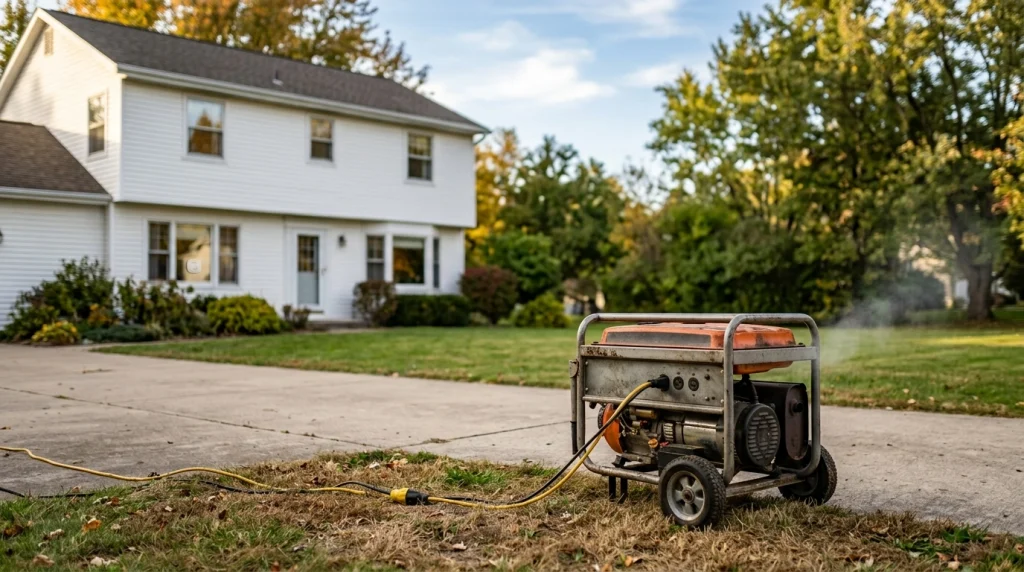
Carbon monoxide, or CO, is a colorless and odorless poisonous gas produced by fuel-burning engines. A generator operating in the wrong location can allow dangerous exhaust to enter a home.
The U.S. Consumer Product Safety Commission warns users to operate portable generators outdoors and at least 20 feet from homes, with exhaust directed away from openings.
- Never use one indoors: That includes garages, basements, sheds, crawlspaces, and similar enclosed areas.
- Keep your distance: Place portable generators at least 20 feet from the building when manufacturer guidance allows.
- Point exhaust away: Exhaust should face away from windows, doors, vents, and occupied spaces.
- Use CO alarms: Keep functioning carbon monoxide alarms inside the home.
I treat these rules as non-negotiable. Opening a garage door does not turn a garage into a safe generator location.
The U.S. Environmental Protection Agency also identifies improper portable-generator use as a major indoor-air hazard during power outages.
Do Generators Cost a Lot to Run?
A generator can become expensive during a long outage because you are producing electricity from fuel on a relatively small scale. Your actual expense depends on generator size, electrical load, fuel type, and local fuel prices.
Running unnecessary appliances makes that problem worse. A large engine supplying a heavy load usually consumes more fuel than a smaller, carefully managed setup.
- Gasoline: Convenient but requires safe storage and may be difficult to obtain during widespread outages.
- Propane: Stores well but requires cylinders or a larger supply tank.
- Natural gas: Convenient where utility service remains available, but not every portable generator supports it.
- Diesel: Common in heavier equipment but less convenient for many residential users.
My approach is to power the refrigerator, freezer, lighting, communications, and essential pumps first. Comfort loads come after the essentials.
Why Do Generators Require So Much Maintenance?
A combustion generator is an engine-driven machine, so maintenance is unavoidable. Oil, filters, spark plugs, batteries, fuel systems, cooling airflow, and electrical connections all deserve attention.
Long storage periods can create problems of their own. The site’s guide to the most common generator problems explains why fuel condition deserves special attention on gasoline models.
- Before an outage: Check oil, fuel condition, battery state, cords, and general condition.
- During long operation: Follow the owner’s manual for oil checks and service intervals.
- After use: Let the generator cool and prepare it correctly for storage.
- During storage: Follow the manufacturer’s fuel-storage procedure.
I have found that neglected generators tend to reveal their problems at the worst possible time. A ten-minute inspection on a normal weekend is much easier than troubleshooting during a storm.
Are Generators Too Loud for Residential Areas?
Noise is one of the most noticeable everyday disadvantages of an engine-driven generator. The sound may continue for hours while the surrounding neighborhood is otherwise unusually quiet.
The problem becomes more obvious overnight. Local ordinances, homeowners’ association rules, and neighbor proximity can all affect when and where you can operate a unit.
- Open-frame units: Usually expose more engine and mechanical noise.
- Inverter models: Often throttle down at lighter loads and are usually easier to live with.
- Standby systems: Still produce engine and exhaust noise despite permanent enclosures.
If noise is a major concern, read the site’s detailed guide to portable generator disadvantages before choosing a conventional open-frame model.
Can a Generator Power Everything in Your House?
Not necessarily. Every generator has a maximum continuous output, and motor-driven appliances can briefly demand extra starting power.
This means a generator that handles your refrigerator and lights may struggle when a well pump, air conditioner, or compressor starts.
- Running watts: The power an appliance needs during normal operation.
- Starting watts: The short power surge some motors require when starting.
- Load management: Choosing which appliances can operate together without overloading the generator.
I prefer leaving some capacity in reserve rather than planning to run at the generator’s maximum rating constantly. That also gives you room for unexpected appliance startup loads.
Can Generators Damage Electronics?
Some conventional generators can provide less stable electrical output than inverter generators or normal utility power. Voltage and frequency changes become more likely when the engine struggles, the generator is overloaded, or regulation components develop problems.
Laptops, communications equipment, modern televisions, and other electronics deserve more careful power planning than simple resistance loads such as incandescent lighting.
- Use the correct generator: Choose equipment intended for the loads you plan to power.
- Avoid overload: Stay within the manufacturer’s continuous and surge ratings.
- Watch engine behavior: Surging or unstable running deserves attention before sensitive equipment is connected.
- Follow manufacturer guidance: Some electronics or medical equipment may have specific backup-power requirements.
An inverter generator is often attractive when clean power and low-load efficiency matter more than maximum output per dollar.
What Electrical Hazards Come With a Generator?
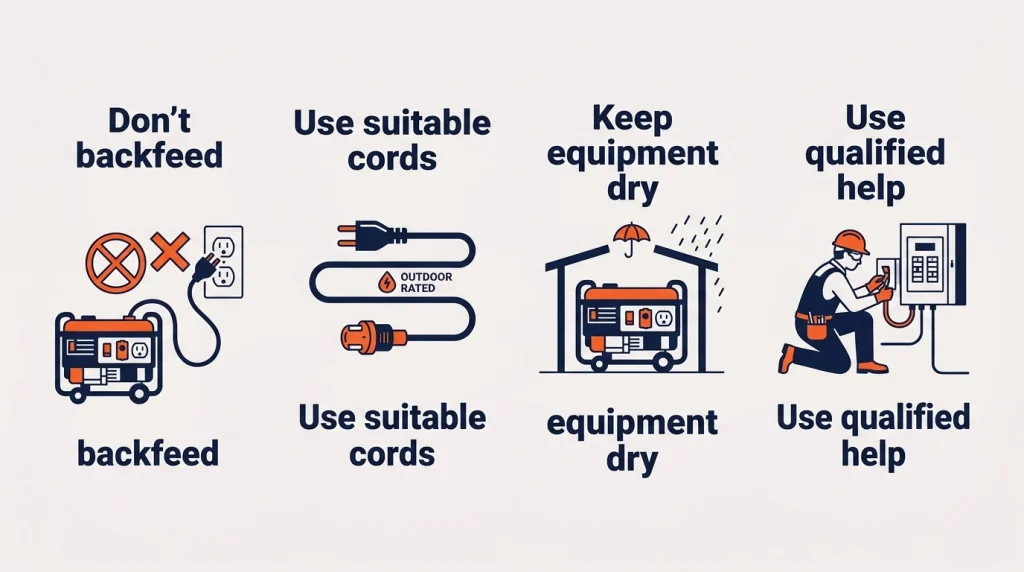
Portable generators introduce shock, electrocution, and wiring risks if they’re connected incorrectly. Wet conditions make electrical safety even more important.
Never improvise a connection that sends generator power backward through household wiring. A proper transfer switch or other approved equipment should be installed according to applicable codes and manufacturer instructions.
- Don’t backfeed: Never connect a generator to a household outlet using an improvised male-to-male cord.
- Use suitable cords: Extension cords must be rated for the load and intended environment.
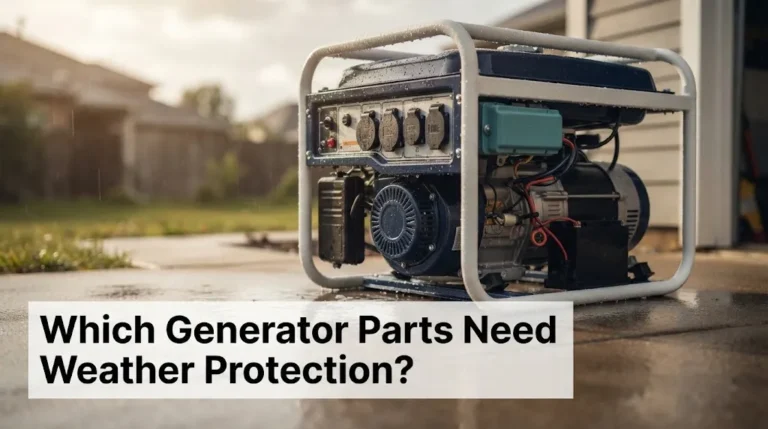
- Keep equipment dry: Follow manufacturer instructions for safe operation during wet weather.
- Use qualified help: Permanent connections should be handled by an appropriately licensed professional.
The Occupational Safety and Health Administration publishes electrical and portable-generator safety information that can help explain these hazards.
Does Running a Generator for Long Periods Cause Problems?
Long operating periods increase fuel consumption and accumulate engine hours faster. They also make oil level, cooling airflow, refueling, and service intervals more important.
A generator may support power throughout a multi-day outage, but that does not mean it should be ignored for days. My guide to running a portable generator 24 hours a day explains why planned checks and shutdowns matter.
- Fuel runs out: Portable tanks provide limited runtime.
- Oil needs attention: Extended engine operation adds service hours quickly.
- Heat builds: Cooling airflow must remain unobstructed.
- Refueling needs care: Shut the engine down and follow the manufacturer’s safe refueling procedure.
Long outages also accumulate wear. If you expect frequent use, the site’s guide to generator lifespan helps put operating hours and maintenance into perspective.
Do Generators Create Environmental Downsides?
Combustion generators burn fuel and release exhaust while operating. They also create noise and require fuel production, transportation, and storage.
A generator remains useful emergency equipment, but I don’t treat it as an efficient replacement for grid electricity during normal conditions.
- Exhaust: Combustion produces carbon monoxide and other pollutants.
- Fuel handling: Gasoline and diesel spills create additional environmental and fire concerns.
- Noise pollution: Long operation can affect nearby households.
- Engine waste: Oil, filters, batteries, and worn parts eventually require proper disposal.
For small loads, the EPA notes that battery or solar power stations are alternatives worth considering during outages. They avoid combustion exhaust at the point of use.
Is a Portable Generator or Standby Generator Less Troublesome?
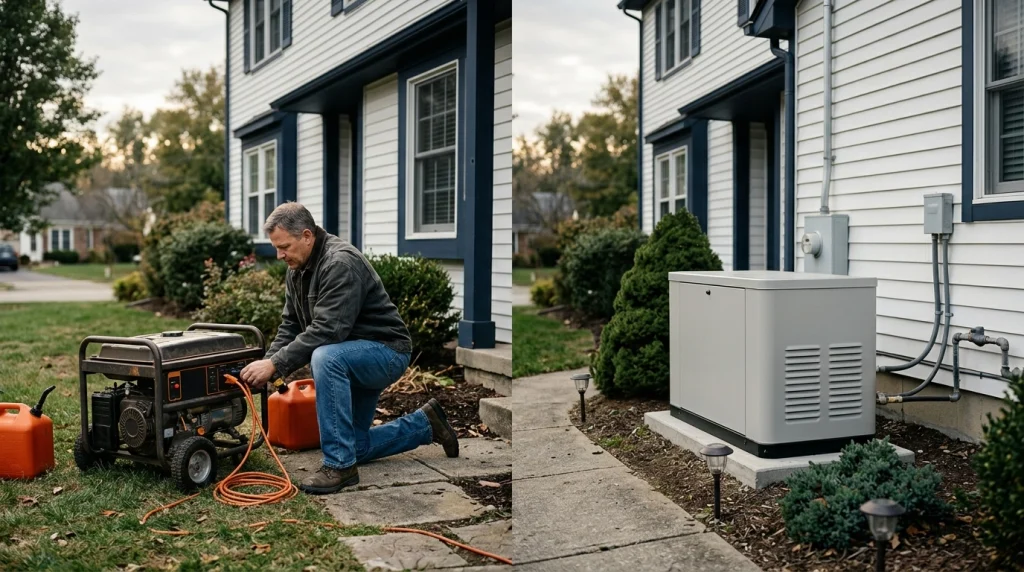
A standby generator removes much of the manual outage-day work, but it introduces a larger installation commitment. Portable generators cost less to deploy but demand more attention from the owner.
| Issue | Portable Generator | Standby Generator |
|---|---|---|
| Starting | Usually manual | Normally automatic |
| Fuel management | Often hands-on | Usually connected to propane or natural gas supply |
| Installation | Simple for cord-connected loads | Professional installation normally required |
| Upfront commitment | Lower | Higher |
| Outage-day effort | Higher | Lower |
For occasional outages, I often see portable units make practical sense. Frequent outages or unattended properties can make automatic standby power more appealing despite the added cost.
How Can You Reduce the Downsides of Generator Ownership?
You cannot remove every disadvantage, but good preparation eliminates many avoidable problems. The best setup is one you can operate safely without improvising during an emergency.
- Calculate your load: Know what must stay powered before choosing generator capacity.
- Plan placement: Decide where the generator can operate safely before bad weather arrives.
- Install CO alarms: Test them regularly and replace batteries or units as required.
- Store fuel correctly: Follow local rules and the generator manufacturer’s instructions.
- Use proper wiring: Choose rated cords or a professionally installed transfer system.
- Practice beforehand: Start the generator and rehearse your outage setup before you need it.
- Keep records: Track operating hours and maintenance so service does not get forgotten.
One lesson has stayed consistent for me: outage day should not be your first generator test. Familiar equipment is much easier to use safely in the dark.
Useful Products That Reduce Common Generator Problems
If you’re preparing a safer generator setup, these are three practical items I would consider before spending money on convenience accessories.
🏠 Safety Pick
First Alert CO400 Carbon Monoxide Alarm
★★★★☆
The CO400 uses an electrochemical CO sensor, battery power, and an 85 dB alarm. I like a battery-operated model for outage preparation because protection does not depend on household AC power.
🌧 Weather Pick
GenTent Generator Running Cover
★★★★☆
GenTent makes purpose-built operational covers for compatible portable and inverter generators. I prefer a designed running cover over improvised tarps because airflow and exhaust clearance must remain part of the setup.
🔌 Heavy-Duty Cord Pick
Southwire 65172840 30-Amp Generator Cord
★★★★☆
This 20-foot, 10/4 cord uses an L14-30 locking connection and is rated for 30 amps. I like heavy-duty generator-specific cords when the generator and transfer equipment use matching connections, but compatibility must be checked first.
Frequently Asked Questions
What is the biggest disadvantage of a generator?
For fuel-burning portable generators, carbon monoxide is the most serious safety concern. Fuel expense, noise, maintenance, and refueling are more common day-to-day inconveniences, but improper generator placement can create a life-threatening situation.
Are generators expensive to maintain?
Maintenance costs vary by generator type and usage. Portable units need engine oil, filters, spark plugs, fuel-system care, and occasional replacement parts, while standby generators normally require scheduled professional servicing in addition to routine engine maintenance.
Can I run a generator all night?
A generator should only run when its installation, outdoor placement, weather protection, fuel supply, maintenance requirements, and manufacturer instructions support continued operation. Never move a portable generator into a garage or enclosed area simply because you plan to leave it running overnight.
Is a generator bad for electronics?
A properly functioning generator may power many electronics, but power quality varies between designs. Inverter generators generally provide more controlled output for sensitive devices, while overloaded, unstable, or poorly regulated generators deserve extra caution.
Is buying a generator worth the disadvantages?
A generator can be useful when outages threaten refrigeration, pumps, heating controls, communications, or other important loads. Whether it makes sense depends on outage frequency, required wattage, fuel availability, maintenance tolerance, and how safely the equipment can be operated at your property.
Final Takeaway
The downsides of using an electric generator are real: fuel, noise, maintenance, emissions, limited runtime, electrical risks, and extra work all come with dependable backup power. Fuel-burning portable generators also introduce a carbon monoxide hazard that requires strict outdoor placement.
I still consider a generator a useful emergency tool when it’s sized, maintained, connected, and operated correctly. Buy for the loads you truly need, prepare the setup before the outage, and never trade safety for convenience.
Hi, I’m Michael Turner. I own a generator workshop in the United States and founded HomeGeneratorBlog to share practical, hands-on guidance about generator installation, maintenance, troubleshooting, safety, and backup power solutions. My goal is to help homeowners make smarter, more confident decisions through clear and reliable information