Can an Inverter Generator Run an Air Conditioner? Sizing, BTU Wattage, Soft Starts & Safe Setup
Quick Answer
Yes, an inverter generator can run an air conditioner if it covers the compressor’s starting watts, not just its running watts. Most small window units work on a 2,000- to 3,000-watt inverter generator, while a 13,500 BTU RV air conditioner usually needs 3,500 watts or more. Check your AC nameplate first, then compare it with the best generator for an air conditioner for your size and use.
The short version
- Starting watts matter most: A compressor can draw 2 to 3 times its running watts for a few seconds at startup.
- Window AC is easiest: A 5,000 to 8,000 BTU window unit often runs on 2,000 to 3,000 running watts.
- RV AC needs more: A 13,500 BTU RV unit often needs 2,800 to 3,500 starting watts, and a 15,000 BTU unit needs more.
- Soft start helps: A soft-start kit lowers the startup surge and can let a smaller generator run a larger RV AC.
- Central AC is different: Most portable inverter generators cannot start a whole-home central system safely.
- Clean power protects controls: Inverter output suits modern AC boards, thermostats, and fan motors.
Do this first
- Read the AC label for amps and watts, then add 20% headroom to the starting watts before you buy or plug in.
- Start the AC on fan first, then switch to cool, and keep other heavy loads off during startup.
I’ve run a window AC through a summer outage and an RV AC on a hot campground afternoon, and the lesson was the same both times.
The AC did not care about the generator’s brand name. It cared about startup power, clean voltage, and a setup that did not trip.
This guide covers the wattage math, the right generator size for each AC type, soft starts, parallel power, runtime, and the safety steps I use in 2026.
In This Guide
- What Is an Inverter Generator, and Why Does It Suit an AC?
- How Many Watts Does an Air Conditioner Need?
- What Size Inverter Generator Do You Need for an Air Conditioner?
- Can an Inverter Generator Run an RV Air Conditioner?
- Can an Inverter Generator Run a Home or Window Air Conditioner?
- How Do You Start an Air Conditioner Without Tripping the Generator?
- How Long Can an Inverter Generator Run an Air Conditioner?
- Common Problems, Noise, and Safety Mistakes to Avoid
- Frequently Asked Questions
What Is an Inverter Generator, and Why Does It Suit an AC?
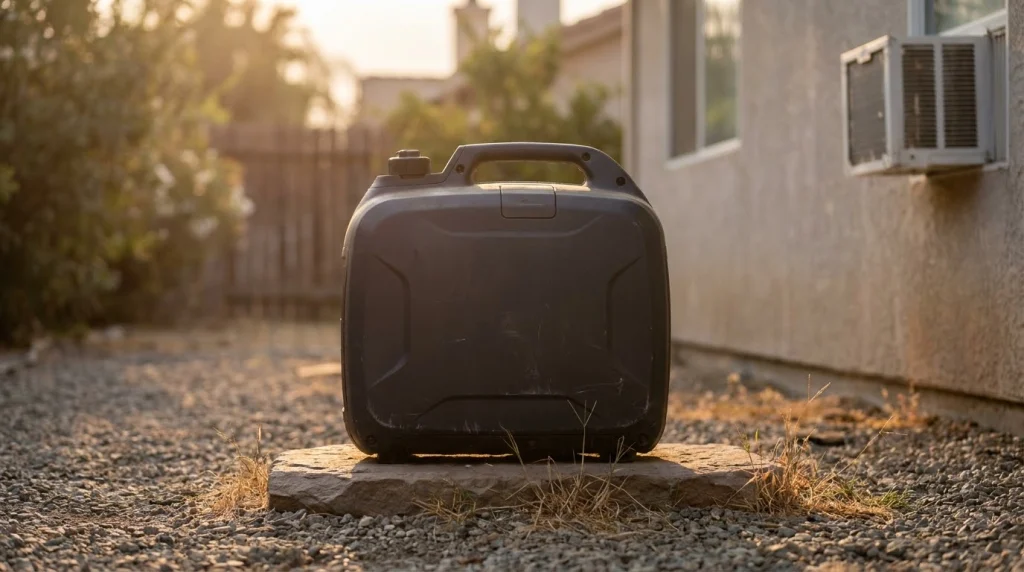
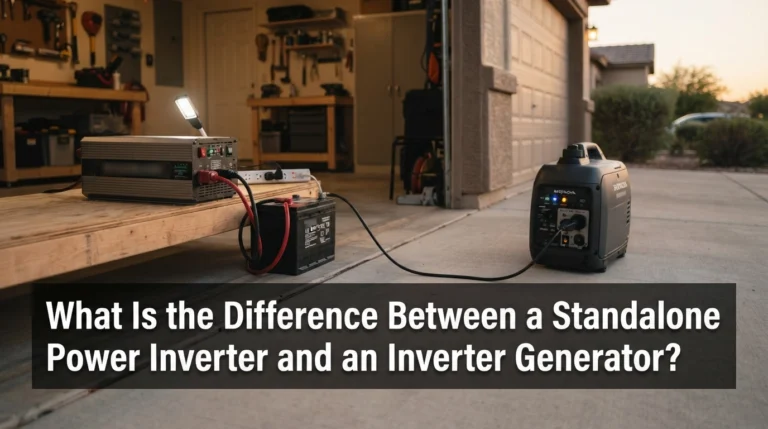
An inverter generator is a portable generator that makes steady, clean sine-wave power by converting raw engine power to DC, then inverting it back to stable AC.
That stable output matters for an air conditioner. Modern AC units use control boards, sensors, and variable-speed fans that dislike dirty power.
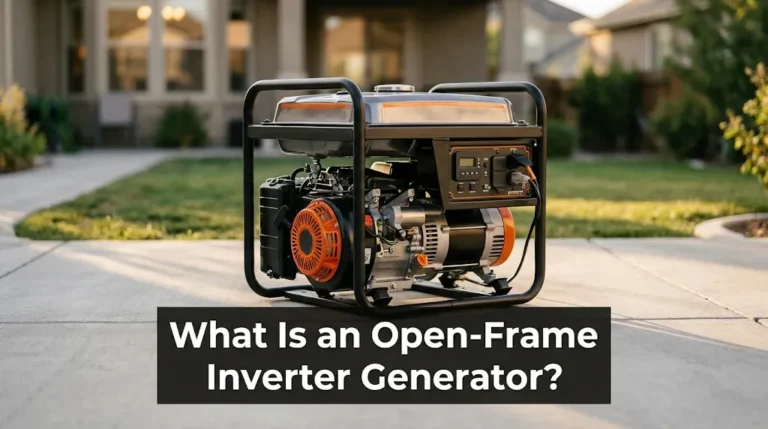
A conventional open-frame generator can still run many AC units. Its voltage and frequency can waver more under load, though, and that waver shows up as buzzing, cycling, or error codes.
An inverter generator also adjusts engine speed to match the load. It runs quieter at part load and uses less fuel when the AC cycles off.
That does not mean every inverter generator can run every AC. Size still decides the outcome, and startup surge is the test most people fail.
What does clean sine wave mean for an AC?
Clean sine wave means smooth, stable AC power with low total harmonic distortion, often called THD.
Low THD helps sensitive electronics run without extra heat or strange behavior. Most inverter generators list THD under 3%, so check the spec sheet for your model.
Your AC compressor is a motor, so it can tolerate some power variation. Its control board is less forgiving, and that board is often the part that trips first.
Why is an inverter generator quieter for cooling?
Inverter models use enclosed cases, better mufflers, and variable engine speed. A window AC at night needs steady power, not a loud engine racing at full speed.
At a campground, that lower noise also matters for your neighbors. I keep the generator farther from sleeping areas and point the exhaust away from tents and RV windows.
Section Takeaway: An inverter generator suits an AC because it delivers stable, clean power and adjusts to the load, but clean power alone does not replace enough starting watts.
How Many Watts Does an Air Conditioner Need?
An air conditioner needs two wattage numbers, and you must clear both. Running watts are the steady power it uses while cooling, and starting watts, also called surge watts, are the short spike when the compressor starts.
That spike lasts only a few seconds. It can still trip an undersized generator, stall the compressor, or shut the AC down on a fault.
BTU size gives a useful starting point, but it is not exact. Age, efficiency, fan speed, and outdoor heat all change the real draw.
Always read the nameplate on your unit for volts and amps. Multiply volts by amps to estimate running watts, then check the manual for locked-rotor amps if it lists them.
| Air conditioner type | Typical running watts | Typical starting watts |
|---|---|---|
| 5,000 BTU window AC | 450 to 550 | 1,200 to 1,500 |
| 8,000 BTU window AC | 700 to 900 | 1,800 to 2,200 |
| 10,000 BTU window AC | 900 to 1,100 | 2,200 to 2,800 |
| 12,000 BTU window AC | 1,000 to 1,300 | 2,500 to 3,200 |
| 13,500 BTU RV AC | 1,200 to 1,500 | 2,800 to 3,500 |
| 15,000 BTU RV AC | 1,500 to 1,800 | 3,200 to 4,000 |
| Small central AC, about 2 tons | 2,000 to 2,500 | 5,000 to 7,000 |
Use these ranges only as a guide. Your nameplate and manual beat any table, including this one.
Older window units often draw more than newer inverter-style models at the same BTU rating. A dirty filter or low refrigerant charge can also push the draw higher.
How do you calculate AC wattage in 3 steps?
First, find the AC running amps on the label. Second, multiply amps by 120 volts for a standard U.S. plug-in unit.
Third, multiply the running watts by 2 to 3 to estimate the starting watts if the manual does not list them. That rough math helps you shop, but it is not a substitute for the nameplate.
For a deeper walk-through, use my guide on how to calculate the generator wattage you need before you add a fridge or fan to the same circuit.
Section Takeaway: Size for starting watts first, then check running watts, because the compressor spike is what trips most small generators.
What Size Inverter Generator Do You Need for an Air Conditioner?
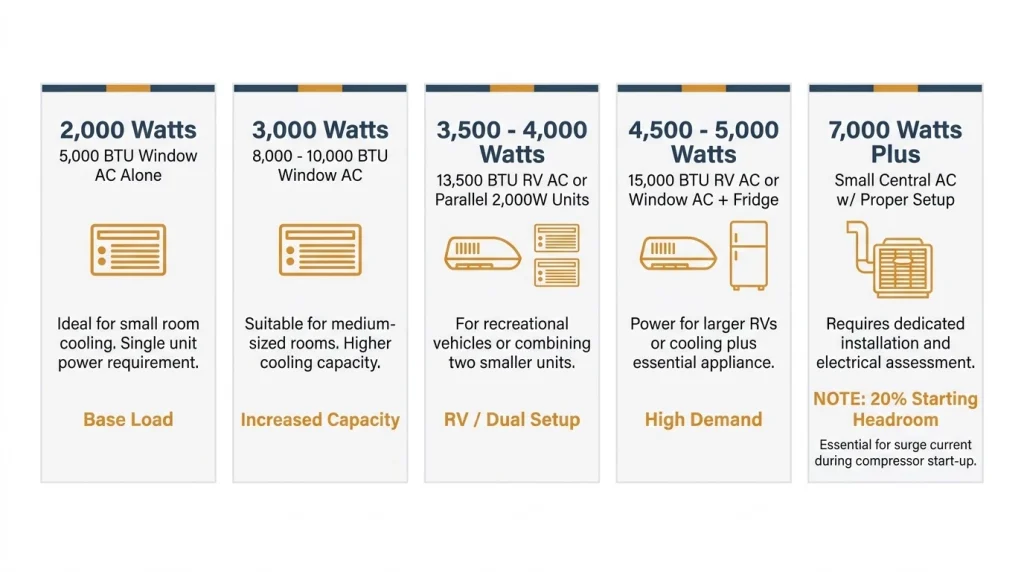
The right size depends on your AC type, its starting watts, and what else runs at the same time. A generator that just barely starts the AC leaves no room for a fridge, lights, or a phone charger.
I aim for 20% headroom above the starting watts. That buffer covers hot weather, a second compressor cycle, and small loads you forgot to count.
Here is how the common sizes line up in real use. Your exact AC may shift one step up or down, so treat this as a sizing map, not a promise.
| Generator size | Usually runs | Often struggles |
|---|---|---|
| 2,000 watts | 5,000 BTU window AC alone | 8,000 BTU and larger, RV AC |
| 3,000 watts | 8,000 to 10,000 BTU window AC | 15,000 BTU RV AC without a soft start |
| 3,500 to 4,000 watts | 13,500 BTU RV AC, larger window AC | Central AC, two RV AC units |
| 4,500 to 5,000 watts | 15,000 BTU RV AC, window AC plus fridge | Most central AC systems |
| 7,000 watts or more | Small central AC in some cases, with expert setup | Larger central systems, whole-home cooling |
If you already own a 2,000-watt model, a soft start may change the answer for a small RV AC. It will not turn that same unit into a central AC generator, though.
Parallel capability is another path. Two 2,000-watt inverter generators linked with a parallel kit can deliver close to 4,000 watts, and that setup often runs a 13,500 BTU RV AC.
Check that both units support parallel operation and use the kit made for them. Mixing brands or using a random cable is not a safe shortcut.
For a full sizing method, read what size inverter generator you need and add your AC, fridge, and fan loads together before you decide.
Section Takeaway: A 3,000-watt inverter generator covers many window units, a 3,500- to 4,500-watt model covers most single RV AC units, and central AC usually needs a larger standby or portable system.
Can an Inverter Generator Run an RV Air Conditioner?
Yes, an inverter generator can run an RV air conditioner, and this is one of the most common RV use cases. The key is matching the generator to the rooftop unit’s BTU rating and startup draw.
A 13,500 BTU rooftop AC is the sweet spot for many RVers. A 3,500-watt inverter generator often handles it, and a 3,000-watt model may work with a soft start and light extra loads.
A 15,000 BTU unit is harder to start. It often needs 4,000 to 4,500 watts of starting power, or a soft start plus a 3,500-watt generator with little else running.
Two RV AC units change the math fast. You will likely need parallel generators, a larger portable unit, or shore power for both at once.
What is a soft start, and does it really help?
A soft-start kit, sometimes called an easy-start device, ramps the compressor up slowly instead of letting it draw a huge spike at once. It can cut starting amps by 50% or more on many RV units, so check the kit specs for your AC model.
I have seen a 2,200-watt generator fail on a 13,500 BTU unit, then run the same unit after a soft start with the fan already spinning. That one change turned a trip into a cool night.
A soft start does not lower running watts. It only smooths the start, so you still need enough steady power for the AC plus the converter and fridge.
How do you connect an RV AC to a generator?
Use the RV’s 30-amp shore-power cord with the right adapter for your generator outlet. A 30-amp RV outlet on the generator is ideal, but a 20-amp household outlet with an adapter can work if the total load stays within limits.
Keep the cord short, dry, and free of damage. A long, thin extension cord can drop voltage and make the compressor work harder.
Turn off the water heater on electric, the microwave, and the air fryer before you start the AC. Start the AC fan first, wait a few seconds, then switch to cool.
Safety note: Run the generator outdoors and well away from windows, doors, and vents. Never run it inside an RV, garage, or enclosed storage bay, and use a working carbon monoxide alarm inside the RV.
Section Takeaway: One RV AC is very doable on a mid-size inverter generator, especially with a soft start, but two units or a 15,000 BTU model need a bigger plan.
Can an Inverter Generator Run a Home or Window Air Conditioner?
Yes, a window air conditioner is often the easiest home AC to run on an inverter generator. A portable AC is close behind, while a central system is a much bigger job.
A 5,000 BTU window unit can run on a small 2,000-watt inverter generator in many cases. An 8,000 to 10,000 BTU unit usually needs a 3,000-watt model for a safe start.
A portable AC with a single hose often draws 900 to 1,400 running watts. Its startup spike is similar to a window unit of the same BTU rating, so size it the same way.
A mini-split can be a good match because many models use inverter-driven compressors with a softer start. Check the nameplate anyway, because larger multi-zone systems can still need far more power.
Can it run a central air conditioner?
Sometimes, but rarely with a small portable inverter generator. A 2-ton central AC can need 5,000 to 7,000 starting watts, and a 3-ton or larger system needs even more.
A large portable generator or a standby generator is the usual answer for central cooling. A transfer switch or interlock installed by a licensed electrician is also required for a safe home connection.
Do not backfeed your home through a dryer outlet or a suicide cord. That setup can energize utility lines and put line workers at risk, and it can damage your home wiring.
If central cooling is your goal, get an electrician to check your panel, your AC locked-rotor amps, and your transfer-switch options. That visit costs less than a burned compressor or a damaged generator.
For window-unit shopping, compare the best generator for a window AC with your BTU rating and starting watts in hand.
Safety note: Use a transfer switch or interlock installed by a licensed electrician for any home hookup. Check your owner’s manual before use, and never connect a generator directly to home wiring without that approved setup.
Section Takeaway: Window, portable, and many mini-split units work well on a portable inverter generator, but central AC usually needs a larger system and a proper transfer switch.
How Do You Start an Air Conditioner Without Tripping the Generator?
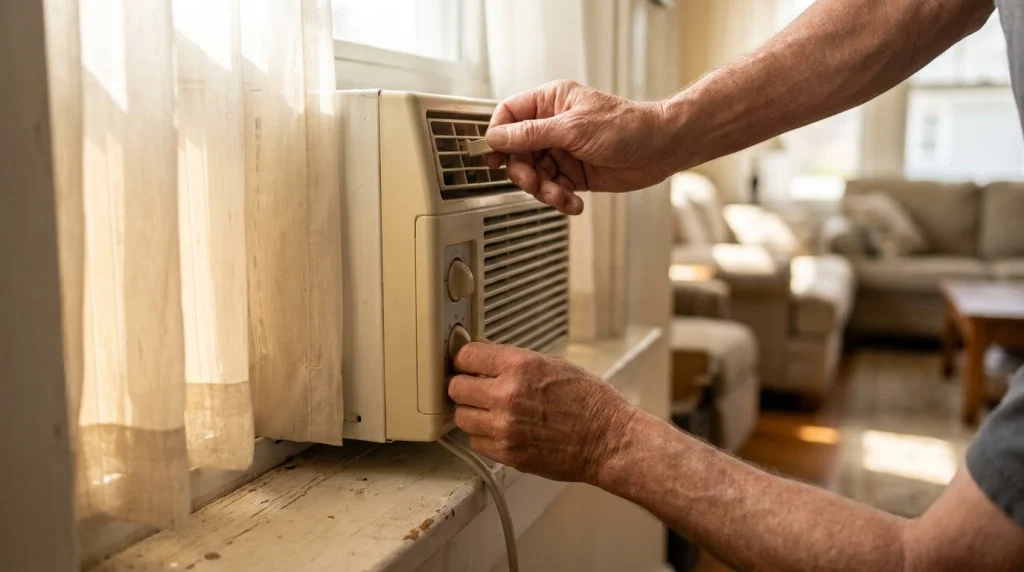
Start with the generator warm, fueled, and in a safe outdoor spot. A cold engine under a sudden compressor load is more likely to bog down and trip.
Turn off eco mode for the first start if your manual allows it. Eco mode saves fuel, but it can slow the engine response when the compressor kicks in.
Once the AC is running and stable, you can often switch eco mode back on. Watch the first few compressor cycles to make sure it restarts cleanly each time.
Here is the start sequence I use for both window and RV units:
- Plug in the AC with the generator running and no other heavy loads on.
- Set the AC fan to high and let it run for 30 seconds.
- Switch to cool at a moderate temperature, not the coldest setting.
- Wait for the compressor to start, then watch for 2 to 3 minutes.
- Add small loads one at a time, such as lights or phone charging.
If the generator overload light trips, turn the AC off and let the generator reset. Do not keep retrying the same start without changing something, such as adding a soft start or removing other loads.
Low oil, stale fuel, or a clogged air filter can also cause a trip that looks like an AC problem. Check oil level, use fresh fuel, and follow the break-in and maintenance schedule in your manual.
Learn the difference between the two wattage numbers in the difference between running watts and starting watts so you can spot a sizing gap before you plug in.
Section Takeaway: Warm the generator, turn eco mode off for startup, start the fan first, then cool, and add other loads only after the AC runs steady.
How Long Can an Inverter Generator Run an Air Conditioner?
Runtime depends on tank size, load, eco mode, and outdoor heat. An AC that cycles on and off uses far less fuel than one running flat out in 100-degree heat.
A 3,000-watt inverter generator with a 1.5- to 2-gallon tank may run a small window AC for 6 to 9 hours at part load. A larger 4,500-watt model with a bigger tank may run an RV AC for 8 to 12 hours or more at part load.
Check the spec sheet for runtime at 25% and 50% load. Those two numbers tell you more than a single marketing claim, and they help you compare models fairly.
Eco mode helps when the AC cycles. It lets the engine slow down between cooling cycles, which stretches fuel and lowers noise.
Fuel type also matters. Gasoline is common and easy to find, while propane can store longer and run cleaner, but it may deliver slightly less power on some dual-fuel models.
Plan refueling before the tank runs dry. Let the generator cool, refuel outdoors away from ignition sources, and store extra fuel in an approved container in a ventilated spot.
For a 3,000-watt example, see how much power a 3000-watt inverter generator provides and match its runtime figures to your AC load.
Safety note: Never refuel a hot or running generator. Let it cool first, keep fuel away from the exhaust, and store fuel outdoors in an approved container.
Section Takeaway: Expect 6 to 12 hours from many mid-size inverter generators at part load, but your real runtime depends on AC size, heat, tank size, and eco mode.
Common Problems, Noise, and Safety Mistakes to Avoid
The most common problem I hear is simple: the generator runs, the AC fan spins, then the compressor trips the overload. That usually means the starting watts were too high, eco mode was on, or another load was running at the same time.
The next problem is voltage drop from a long extension cord. Use a short, heavy-duty outdoor cord rated for the load, and keep connections dry and tight.
Noise is another real issue at night. Place the generator as far as practical from sleeping areas, point the exhaust away from people, and respect campground quiet hours.
Carbon monoxide is the safety risk that matters most. Generators make odorless CO gas, and it can build up fast near a home, RV, or tent.
The CDC and the Consumer Product Safety Commission both stress outdoor placement far from windows, doors, and vents. Use battery-powered CO alarms inside your home or RV, and test them before an outage.
Other mistakes are easy to avoid once you know them:
- Running indoors: Never run a generator in a garage, basement, shed, or RV bay, even with a door open.
- Backfeeding a home: Never plug a generator into a wall outlet to power house wiring without an approved transfer switch.
- Overloading one outlet: Spread loads across outlets and stay under the generator’s rated running watts.
- Stale fuel: Use fresh fuel or stabilizer, and run the carburetor dry for storage if your manual calls for it.
- Skipping oil checks: Check oil before each long run, and follow the manual’s change intervals.
For energy and safety guidance, the U.S. Department of Energy and the EPA offer broad homeowner resources, and Consumer Reports publishes independent generator testing notes.
Safety note: Run generators outdoors and well away from windows, doors, and vents. Use a transfer switch or interlock installed by a licensed electrician for home hookups, and check your owner’s manual before use.
Section Takeaway: Most AC failures come from startup overload, voltage drop, or stale fuel, while the biggest safety risk is carbon monoxide from poor placement.
Frequently Asked Questions
Can a 2000-watt inverter generator run an air conditioner?
Yes, in some cases. A 2,000-watt inverter generator can run a small 5,000 BTU window AC alone, but it often struggles with larger window units and most RV AC units.
Can a 3000-watt inverter generator run a 13500 BTU RV air conditioner?
Sometimes, with help. A 3,000-watt model may run a 13,500 BTU RV AC with a soft start and no other heavy loads, but a 3,500-watt model gives a safer margin.
Will a soft start let a smaller generator run my RV AC?
Yes, often. A soft-start kit lowers the compressor startup spike, so a smaller generator can start an AC it could not start before, though running watts stay the same.
Can an inverter generator run a central air conditioner?
Rarely with a portable unit. Most central systems need 5,000 starting watts or more, so they usually need a large portable generator, a standby generator, and a transfer switch.
Can I run an air conditioner and a refrigerator on the same inverter generator?
Yes, if the total running watts and the combined starting watts stay under the generator rating. Start the AC first, then add the fridge, and keep other heavy loads off.
Is it safe to run an air conditioner on an inverter generator overnight?
Yes, with the right setup. Place the generator outdoors far from windows, use a CO alarm, keep fuel and cords safe, and make sure the generator has enough fuel and oil for the run.
If you take one step from this guide, make it the wattage check. Read the AC nameplate, add headroom for startup, and pick a generator that clears both numbers with room to spare.
That simple check turns a hot, frustrating outage into a cool, quiet night. It also protects your AC compressor and your generator from repeated overloads.

Hi, I’m Michael Turner. I own a generator workshop in the United States and founded HomeGeneratorBlog to share practical, hands-on guidance about generator installation, maintenance, troubleshooting, safety, and backup power solutions. My goal is to help homeowners make smarter, more confident decisions through clear and reliable information