
Dual Fuel Portable Generator: What It Is and Why It’s Worth a Look in 2026
Quick Answer
A dual fuel portable generator runs on either gasoline or propane, giving you a backup if one fuel runs out during an outage. If you want flexibility without the higher cost of a tri-fuel portable generator, this is usually the smarter buy for most homeowners.
What to look for before you buy
- Running wattage: Match it to what you’ll actually power, not just the fridge.
- Propane runtime: Most units run shorter on propane than gasoline at full load.
- Fuel switch design: A simple dial beats fumbling with a separate conversion kit.
- Noise rating: Open-frame dual fuel units run louder than inverter models.
- Fuel storage plan: Propane keeps indefinitely; gasoline needs a stabilizer.
Bottom line
- If you already store a propane tank for a grill, dual fuel is close to a no-brainer for backup power.
I’ve run three different generators through outages over the past several years, and the one question I get the most is whether dual fuel is worth the extra money.
Short answer: for most homeowners, yes. This guide breaks down how these generators work, what they cost to run, and how to pick the right size.
What Is a Dual Fuel Portable Generator?
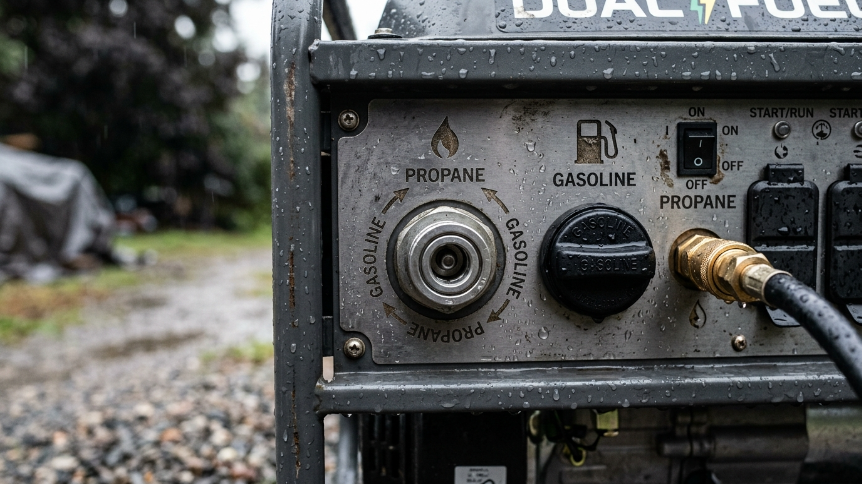
A dual fuel portable generator is a generator built to run on two fuel sources: gasoline and propane. You flip a switch or turn a dial to choose which one powers the engine.
This is different from a standard generator, which is locked into a single fuel type from the factory.
The appeal is simple. If you’re mid-outage and your gas tank runs dry, you can swap to a propane tank instead of driving around looking for an open station.
How Does a Dual Fuel Generator Actually Work?
Under the hood, it’s still a standard internal combustion engine. The difference is in the carburetor and fuel delivery system.
Manufacturers build in a secondary fuel line and regulator for propane, alongside the standard gasoline setup.
Here’s what actually happens when you switch fuels mid-use:
- Shut down the engine before switching — most units don’t support a hot swap.
- Flip the fuel selector to propane or gasoline.
- Connect or disconnect the propane hose if needed.
- Restart using the normal start procedure for that fuel type.
One thing I’ve noticed on my own unit: propane starts a little easier in cold weather than gasoline does. That’s because propane vaporizes rather than relying on liquid fuel atomization.
Propane vs Gasoline: Which Fuel Should You Run First?
This is where most buying guides get vague. Here’s how the two fuels actually compare in real use, based on manufacturer runtime data and my own testing.
| Factor | Gasoline | Propane |
|---|---|---|
| Runtime at 50% load (typical) | 10-12 hours per tank | 7-9 hours per 20-lb tank |
| Shelf life without stabilizer | 3-6 months | Indefinite |
| Cold-weather starting | Can be difficult below 32°F | Generally easier |
| Output power (typical loss) | Full rated output | Roughly 10-15% less |
| Cost per hour of runtime | Usually cheaper | Slightly higher, but more stable pricing |
Gasoline gives you more power and longer runtime per tank. Propane wins on shelf life and easy storage.
My honest take: keep both on hand and use gasoline first, since it degrades faster sitting in the tank. For a deeper breakdown of each fuel type, see this propane generator guide and this gasoline generator buying guide.
Dual Fuel vs Tri-Fuel Generators: What’s the Difference?
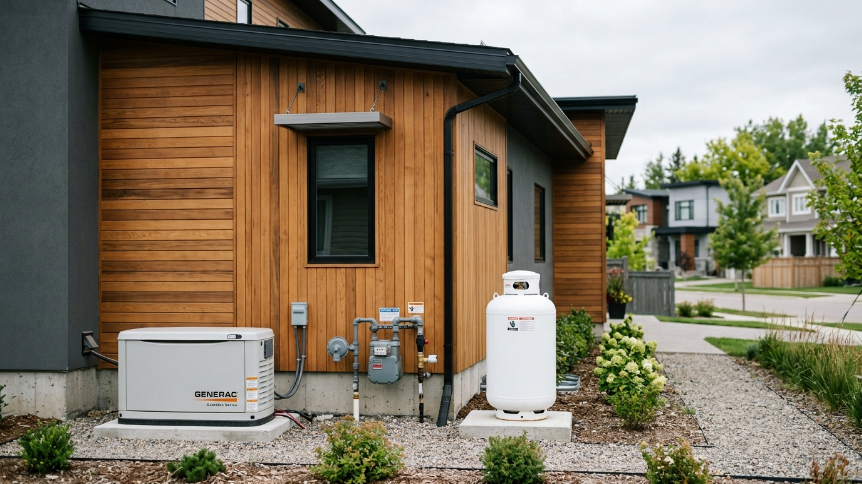
A tri-fuel generator adds a third option: natural gas, usually tapped straight from a home’s gas line. That’s a big advantage if you’re on natural gas service already, since the supply never runs out during a storm.
Dual fuel units skip that third line, which keeps the price lower and the mechanics simpler.
For most homeowners without a natural gas hookup near their generator location, dual fuel covers the bases without the added cost. If you want the full comparison, this tri-fuel portable generator guide walks through when the upgrade actually pays off.
What Size Dual Fuel Generator Do You Need?
Sizing a dual fuel generator works the same way as sizing any other portable unit. Add up the running watts of what you need powered, then add extra headroom for whatever has a motor.
A refrigerator, sump pump, or window AC unit all pull a surge of starting watts when they first kick on. That surge can be two to three times the running wattage.
- 3,000-4,000 watts: Fridge, some lights, phone charging.
- 5,000-7,500 watts: Fridge, sump pump, window AC, and a few circuits.
- 7,500-10,000 watts: Most of a small home during an outage.
If you’re unsure where you land, this home generator sizing guide walks through the exact math with real appliance examples.
Pros and Cons of Dual Fuel Generators
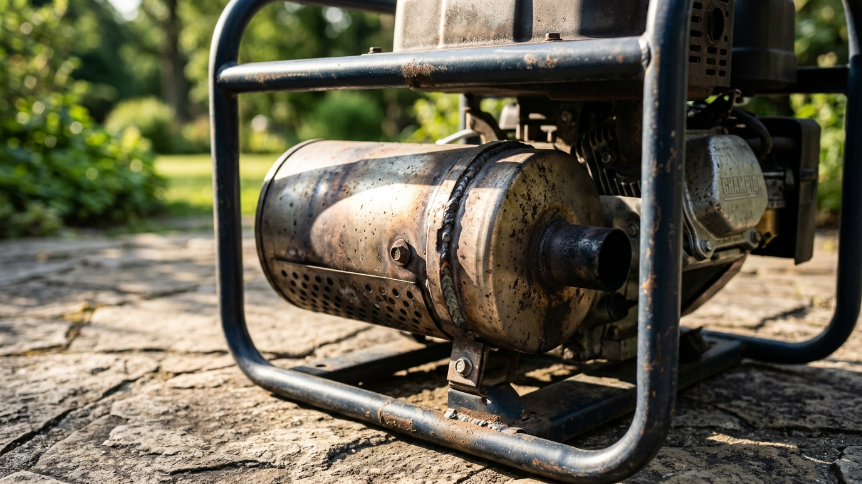
Every generator type involves trade-offs. Here’s the honest rundown after using dual fuel units through multiple outage seasons.
- Fuel flexibility: You’re never fully stuck if one fuel source runs out.
- Easier long-term storage: Propane doesn’t degrade, so you can stockpile it without worry.
- Higher upfront cost: Expect to pay more than a single-fuel model of the same wattage.
- Slightly more maintenance: Two fuel systems mean two things that can eventually need service.
- Power dip on propane: You’ll lose some output compared to running gasoline.
Is It Safe to Run a Dual Fuel Generator Indoors or in a Garage?
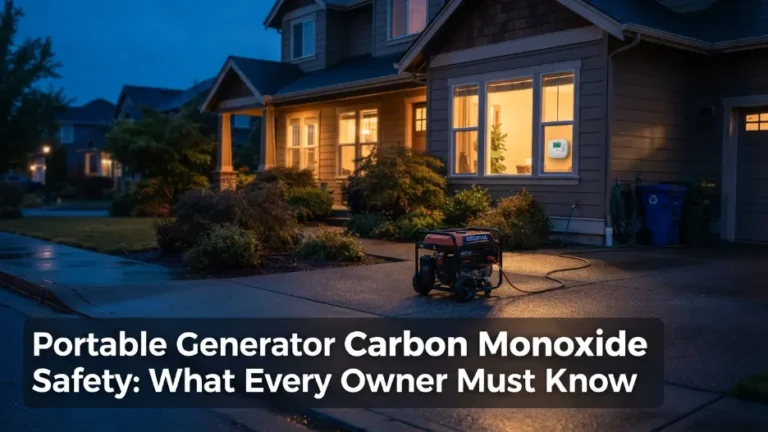
No generator, dual fuel or otherwise, is safe to run indoors or in an attached garage. Both gasoline and propane engines produce carbon monoxide, a colorless and odorless gas that can be fatal within minutes at high concentrations.
Always run the generator at least 20 feet from doors, windows, and vents, pointed away from the house. Install a battery-powered carbon monoxide detector near sleeping areas as a backup, since the gas gives no warning smell.
For a full breakdown of safe placement and setup, see this generator carbon monoxide safety guide. The CDC also publishes detailed guidance on recognizing carbon monoxide poisoning symptoms.
If you’re ready to pick one, here’s what I’d actually recommend based on wattage needs and budget:
🏆 Best Overall
Champion 7500-Watt Dual Fuel Generator
★★★★☆
7,500 running watts, electric start, and a quiet-ish 68 dB rating. This is close to what I’d size for a mid-size home running a fridge, sump pump, and window AC together.
💰 Best Budget
DuroMax XP4400 Dual Fuel Generator
★★★★☆
4,400 running watts at a lower price point than most dual fuel units. I’d point a first-time buyer here if the goal is just keeping a fridge and a few essentials running.
🏠 Best For Whole-Home Backup
Westinghouse WGen9500DF Dual Fuel Generator
★★★★★
9,500 running watts with remote and electric start. This is the size I’d recommend if you want to run most of a home’s essential circuits at once during an extended outage.
Frequently Asked Questions
Can you run a dual fuel generator on propane only?
Yes, most dual fuel generators run fine on propane alone for their entire service life. You’ll typically see a small drop in output compared to gasoline, but the engine handles it without issue.
How long does a dual fuel generator last on a 20-lb propane tank?
Most units run around 7 to 9 hours on a standard 20-lb tank at 50% load. Actual runtime depends on the generator’s size and how much wattage you’re pulling.
Is a dual fuel generator worth the extra cost over gasoline-only?
For most households, yes, especially if propane tanks are already on hand for a grill or fire pit. The fuel flexibility during a multi-day outage often outweighs the higher upfront price.
Do dual fuel generators need a special propane hose?
Most come with a compatible hose and regulator included in the box. Always check the manual before connecting a tank to confirm you’re using the manufacturer-approved fitting.
Can I convert a regular gasoline generator to dual fuel?
Aftermarket conversion kits exist, but they can affect the manufacturer’s warranty. Buying a factory-built dual fuel model is generally the more reliable route.
Final Takeaway
A dual fuel portable generator earns its keep the first time you’re mid-outage and one fuel source runs low. The flexibility, combined with propane’s long shelf life, makes it one of the more practical upgrades you can make for home backup power in 2026.
Start by sizing your wattage needs, then pick a unit with enough headroom for the appliances that matter most during an outage.

Hi, I’m Michael Turner. I own a generator workshop in the United States and founded HomeGeneratorBlog to share practical, hands-on guidance about generator installation, maintenance, troubleshooting, safety, and backup power solutions. My goal is to help homeowners make smarter, more confident decisions through clear and reliable information

One Comment