Should I Leave My Generator On All Night?
Quick Answer
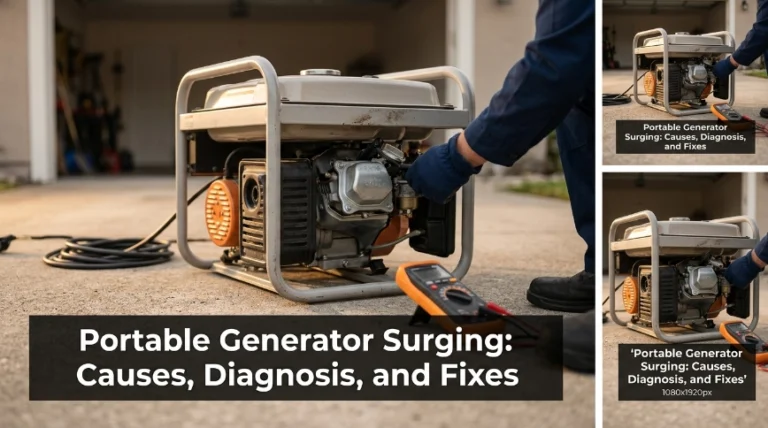
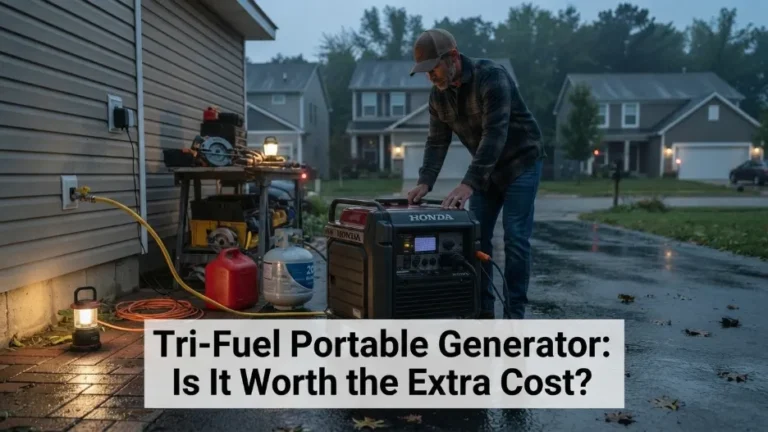
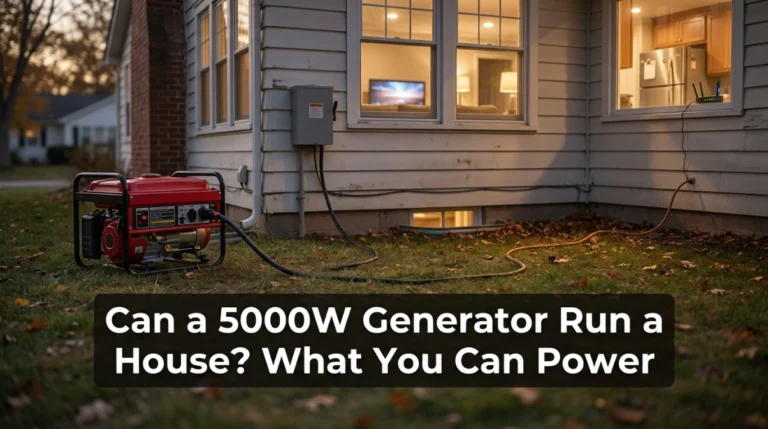
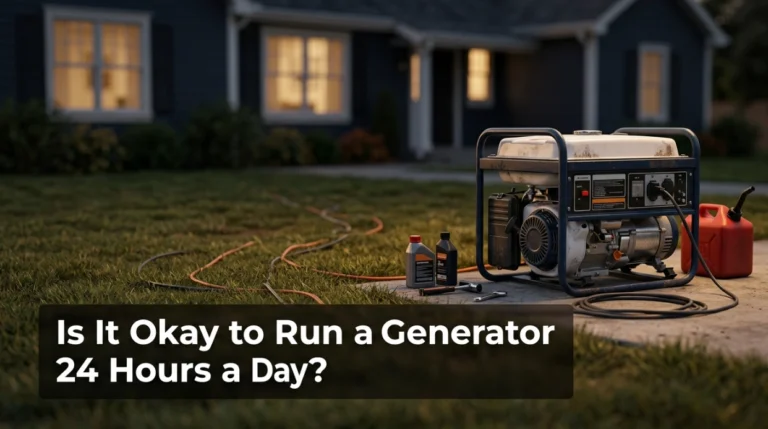
A properly installed standby generator can usually run through the night, but a portable fuel-burning generator needs much more caution. If you run a portable generator overnight, it must stay outdoors, more than 20 feet from doors, windows, and vents, with exhaust facing away from the home; review these portable generator carbon monoxide safety rules before deciding.
Before you let a generator run overnight
- Keep it outside: Never run a portable generator in a house, garage, shed, basement, or partly enclosed space.
- Use CO alarms: Have working battery-powered or battery-backup carbon monoxide alarms inside the home.
- Check the runtime: Make sure the fuel supply can cover the expected operating period without unsafe nighttime refueling.
- Protect it from weather: Keep electrical connections dry without enclosing the generator or blocking cooling airflow.
- Follow the manual: Your exact generator’s operating and maintenance instructions take priority over general advice.
My practical rule
- I would never treat a portable generator as a set-it-and-forget-it appliance just because its fuel tank can last eight or ten hours.
A long outage often raises the same question: should I leave my generator on all night, or shut it down before bed?
The answer depends heavily on whether you have a portable generator or a permanently installed standby unit. Runtime alone doesn’t tell you whether overnight operation is safe.
Is It Safe to Leave a Portable Generator On All Night?
A portable generator can sometimes run for an entire night, but only when the manufacturer permits extended operation and the complete setup is safe. Carbon monoxide, fire, weather, electrical faults, fuel supply, and maintenance all matter.
I never judge overnight operation by the fuel gauge alone. A generator that can run eight hours still needs correct placement, dry connections, safe loading, and working CO alarms.
- Never move it closer for convenience: A patio, open garage, carport, or covered porch is not a safe substitute for proper outdoor placement.
- Never backfeed a wall outlet: Use correctly rated extension cords or approved transfer equipment.
- Never refuel while hot: Shut the engine down and allow it to cool before adding fuel.
- Never cover it tightly: A weather shelter must maintain the clearances and ventilation required by the manufacturer.
- Never ignore unusual operation: Stop the unit if you notice fuel leaks, damaged cords, abnormal sounds, smoke, or repeated breaker trips.
For the electrical side, my portable generator electrical safety guide explains safe cords, GFCI protection, grounding, overloads, and backfeeding in more detail.
How Far Should a Generator Be From the House Overnight?
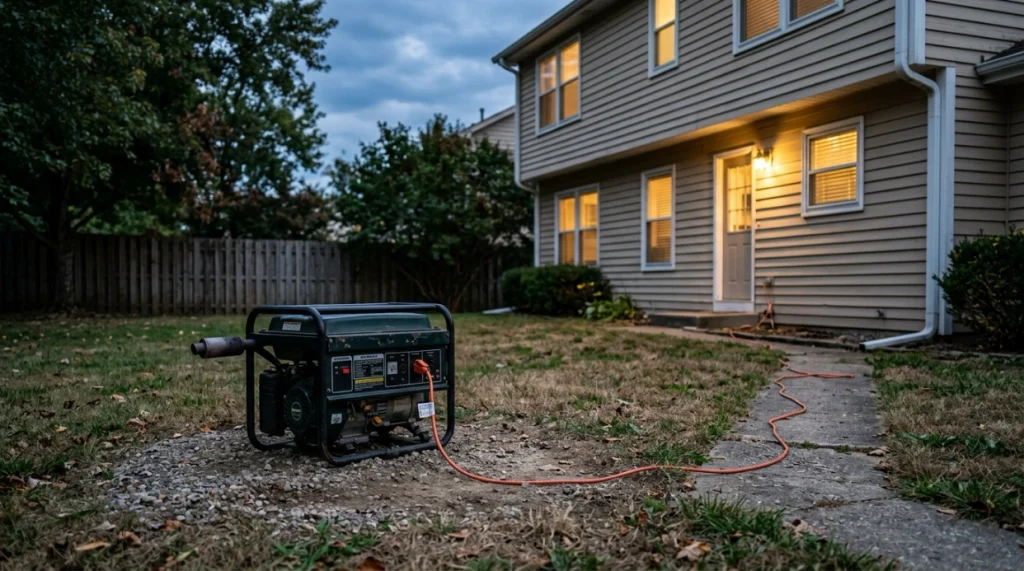
For a portable combustion generator, the safest starting point is outdoors and more than 20 feet from windows, doors, and vents. The exhaust should face away from occupied buildings.
The CDC’s carbon monoxide guidance says portable generators should operate outside, more than 20 feet from building openings.
- Choose open air: Don’t place the unit inside a shed or improvised enclosure.
- Watch exhaust direction: Point the muffler away from the house and neighboring buildings.
- Check the wind: Wind can carry exhaust toward open windows even when the generator is several yards away.
- Use a stable surface: Keep the machine level on firm, dry ground.
My full guide on where to place a portable generator covers wind, weather, clearance, cords, and common unsafe locations.
The Consumer Product Safety Commission’s generator guidance also warns never to operate portable units in garages, basements, sheds, or other enclosed spaces.
What Does “Safe Overnight Generator Use” Actually Mean?
Safe overnight generator use means operating the correct type of generator within its manufacturer’s limits while controlling carbon monoxide, fuel, fire, electrical, weather, and maintenance risks.
That definition matters because “it ran all night without stopping” and “it was safe to run all night” are two different statements.
| Generator example | Rated output | Published runtime | Overnight takeaway |
|---|---|---|---|
| Honda EU2200i | 1,800 running watts | Up to 8.1 hours at 1/4 load | An eight-hour night may exceed one tank if the load is higher. |
| Champion 201323 Dual Fuel | 1,850 running watts on gasoline | 11.5 hours gasoline or 25 hours propane at 1/4 load | Fuel choice can substantially change how long the unit runs. |
| Generac GP6500 | 6,500 running watts | About 11.5 hours at 50% load on current specifications | A larger tank helps, but placement and maintenance still control safety. |
Those numbers also show why I don’t promise a fixed “eight hours per tank.” Runtime changes with load, fuel, generator size, temperature, engine condition, and operating mode.
Will a Generator Run Out of Fuel Overnight?
It can. Portable-generator runtime ranges widely, and the advertised maximum normally assumes a specific partial load rather than maximum electrical demand.
If your generator cannot finish the night on its existing fuel supply, plan a controlled shutdown instead of trying to refuel a running machine.
- Disconnect or switch off major loads according to the manufacturer’s shutdown procedure.
- Turn the generator off.
- Allow hot engine and exhaust components to cool.
- Add the correct fuel without overfilling or spilling it.
- Restart only after checking the area for spilled fuel or strong vapors.
My portable generator fuel safety guide goes deeper into gasoline storage, refueling, spills, and ignition hazards.
What About Rain During the Night?
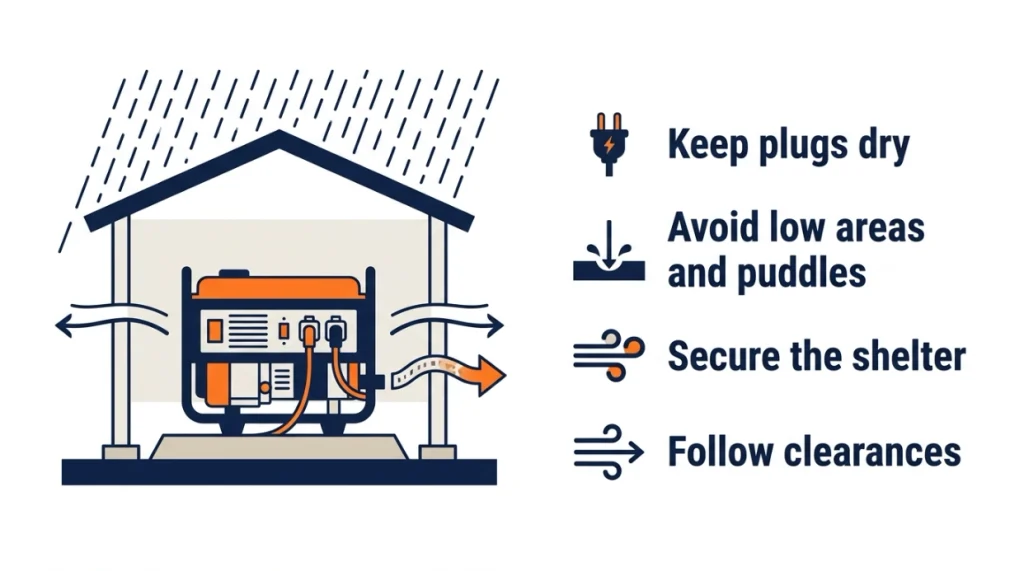
Portable generators need outdoor ventilation, yet their electrical components also need protection from rain and standing water. That combination is why weather planning matters before the outage starts.
Don’t solve rain exposure by moving the generator into a garage. Use a manufacturer-approved or properly designed running shelter that keeps rain off while maintaining required airflow and exhaust clearance.
- Keep plugs dry: Don’t handle generator connections with wet hands or while standing in water.
- Check drainage: Avoid low areas where overnight rain can create puddles.
- Secure the shelter: Wind should not be able to collapse it onto the hot engine or exhaust.
- Follow clearances: Never improvise a tight box around a running generator.
The OSHA generator safety resources cover carbon monoxide, electrical shock, grounding, moisture, and fire hazards associated with portable generators.
Can I Sleep While a Portable Generator Is Running?
I would only consider it when the entire installation follows the generator manual and current safety guidance. A working CO alarm is essential, but it doesn’t make an unsafe generator location acceptable.
Before bed, I would walk through the setup rather than simply listening for the engine from inside.
- Confirm the generator remains fully outdoors and well away from openings.
- Check that exhaust points away from the house.
- Test the home’s CO alarms.
- Check the fuel level and expected runtime.
- Inspect cords and connections for heat, damage, or moisture.
- Remove unnecessary loads to reduce fuel use and overload risk.
- Make sure the generator cannot be reached by children or pets.
- Confirm no combustible material has shifted near the exhaust.
If you want to supply permanent household circuits, a properly installed portable generator transfer switch is a much safer approach than trying to feed the house through improvised connections.
Can a Standby Generator Run All Night?
Yes, a properly installed home standby generator is designed for extended outage operation and can normally run overnight while fuel remains available. It is built for a different job than a roll-out portable generator.
That doesn’t mean a standby unit can run forever without attention. Oil level, ventilation, fuel supply, service intervals, and the manufacturer’s continuous-use instructions still matter.
- Natural gas: Runtime can continue as long as the gas utility remains available and the generator remains within its service requirements.
- Propane: Runtime depends on tank capacity, generator load, temperature, and usable fuel.
- Maintenance: Extended outages may trigger oil checks or scheduled service based on operating hours.
For example, Generac’s current continuous-use guidance calls for specified air-cooled standby models to be shut down for at least 30 minutes after each 24 hours of continuous operation so maintenance checks can be completed.
Your model may use a different interval. Always use the owner’s manual for your exact generator.
What Should I Power Overnight?
I prefer a smaller overnight load instead of trying to run every appliance as if utility power were still available. Lower demand reduces fuel consumption and leaves more capacity for startup surges.
- Refrigerator and freezer
- Essential lighting
- Medical equipment where applicable
- Phone and communication charging
- Heating equipment or a furnace blower when correctly connected
- Well or sump pump when generator capacity allows
High-demand equipment deserves more caution. Electric water heaters, central air conditioners, dryers, electric ranges, and space heaters can consume a large portion of a portable generator’s output.
Three Generators I’d Consider for Outage Use
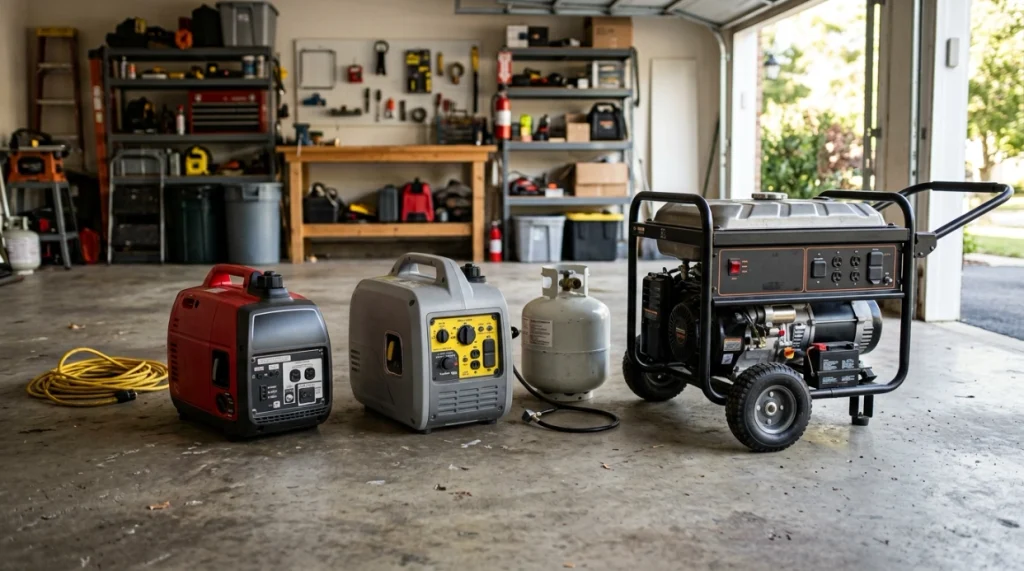
If you’re choosing equipment for longer outages, these are three established models I’d put on the comparison list. The best choice depends on your required wattage, fuel strategy, noise limits, and connection method.
🏆 Best Quiet Portable Pick
Honda EU2200i
★★★★☆ 4.8/5 editorial rating
It provides 2,200 starting watts, 1,800 running watts, and up to 8.1 hours at quarter load. I like it for modest essential loads where portability, inverter power, and lower noise matter more than whole-house capacity.
⛽ Best Dual-Fuel Runtime Option
Champion 2500W Dual Fuel Inverter 201323
★★★★☆ 4.7/5 editorial rating
It delivers 2,500 starting watts and 1,850 running watts on gasoline, with published quarter-load runtime of 11.5 hours on gasoline and 25 hours on propane. I like the fuel flexibility for outages that may last longer than one night.
⚡ Best for Larger Emergency Loads
Generac GP6500 with COsense
★★★★☆ 4.6/5 editorial rating
This open-frame model supplies 6,500 running watts and 8,125 starting watts, with roughly 11.5 hours of published runtime at half load on current specifications. I’d consider it when refrigerators, pumps, heating equipment, and several essential circuits need more headroom.
Frequently Asked Questions
How many hours can a generator run continuously?
There is no universal maximum because generator designs vary. Some portable models provide roughly eight to twelve hours per gasoline tank at partial load, while standby generators can operate much longer when fuel and maintenance requirements are met.
Should I turn my portable generator off at night?
If you cannot maintain a safe outdoor location, weather protection, proper electrical connections, adequate fuel, and working CO alarms, shut it down. Even with a good setup, follow the operating instructions in your exact generator’s manual.
Can I put my generator in the garage overnight with the door open?
No. A portable generator should never run inside a garage, even with the garage door open, because carbon monoxide can accumulate or enter the home through openings.
Can I refuel my generator in the middle of the night?
You can refuel only after shutting the generator down and allowing hot components to cool according to the manufacturer’s instructions. Never pour gasoline into a running or hot generator because spilled fuel or vapors can ignite.
Do carbon monoxide alarms make overnight generator use safe?
CO alarms are an important backup layer, not a substitute for safe generator placement. Keep portable generators outdoors, more than 20 feet from doors, windows, and vents, with exhaust directed away from occupied areas.
Final Takeaway
So, should you leave your generator on all night? A properly installed standby generator is normally designed for extended outage operation, while a portable generator requires much closer attention to placement, fuel, weather, electrical connections, and the manufacturer’s operating limits.
For me, the deciding question isn’t whether the engine can run eight hours. It’s whether the entire setup can remain safe for those eight hours without shortcuts.
Prepare the location, fuel, cords or transfer equipment, weather protection, and CO alarms before an outage arrives. That preparation matters far more than squeezing one extra hour from the fuel tank.

Hi, I’m Michael Turner. I own a generator workshop in the United States and founded HomeGeneratorBlog to share practical, hands-on guidance about generator installation, maintenance, troubleshooting, safety, and backup power solutions. My goal is to help homeowners make smarter, more confident decisions through clear and reliable information