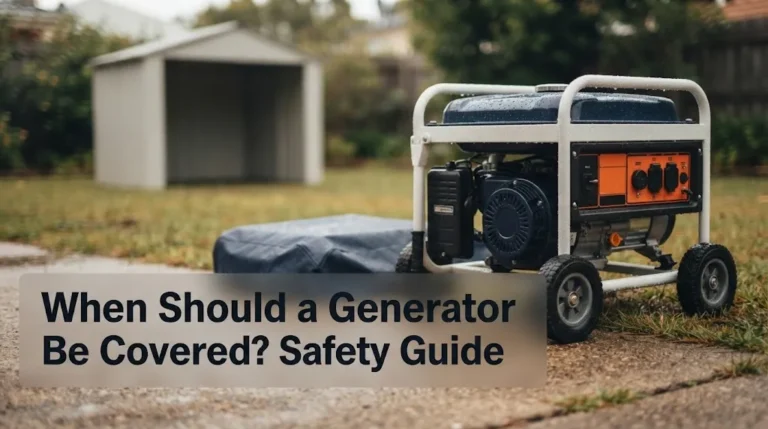
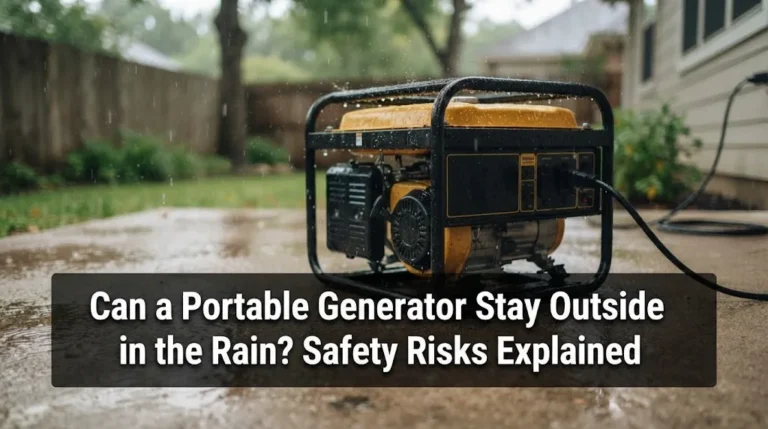
How to Build a Weather Shelter for an Outdoor Generator
Quick Answer
To build a safe weather shelter for an outdoor portable generator, construct a well-ventilated, louvered enclosure or open-sided shed that maintains at least three to five feet of clearance on all sides from structures and combustible materials. Never enclose a running generator in a completely sealed box, as proper airflow is vital to prevent carbon monoxide buildup and engine overheating.
Why Your Outdoor Generator Needs a Proper Weather Shelter
Portable generators are essential backup power sources during severe storms, grid failures, and emergencies. However, running electronic equipment in heavy rain, snow, or direct scorching sunlight can cause severe operational issues, electrical hazards, or permanent damage to the alternator and control panel. While running a generator exposed to the elements risks moisture intrusion, building the wrong type of enclosure creates an even greater hazard: carbon monoxide poisoning and engine failure due to overheating.
Designing a proper generator shelter requires balancing two opposing priorities. On one hand, the shelter must protect the sensitive engine, electrical outlets, and fuel tank from driving rain, snow buildup, and falling debris. On the other hand, it must provide unobstructed ventilation and massive airflow to dissipate toxic exhaust fumes and keep the engine operating within safe temperature ranges. Understanding this engineering balance is the first step toward building a reliable, code-compliant outdoor shelter.
Core Design Principles for Generator Enclosures
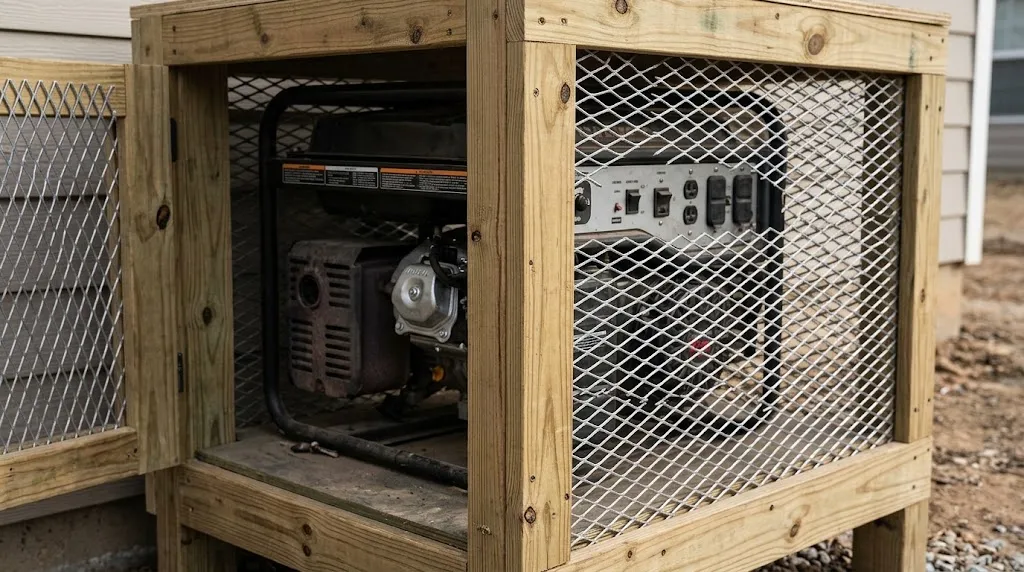
Before gathering tools or lumber, you must establish strict design boundaries based on manufacturer specifications and safety standards. Ignoring these core principles risks fire, electrocution, or carbon monoxide accumulation near your home.
Uncompromised Ventilation
Internal combustion engines require massive volumes of oxygen for combustion and cooling. If an enclosure restricts airflow, the engine will quickly overheat, degrade lubricating oil, warp components, or experience vapor lock in the fuel system. Furthermore, restricted airflow causes exhaust gases to pool around the unit, dramatically increasing the risk of lethal carbon monoxide fumes migrating toward windows, doors, and intake vents.
Safe Spatial Clearance
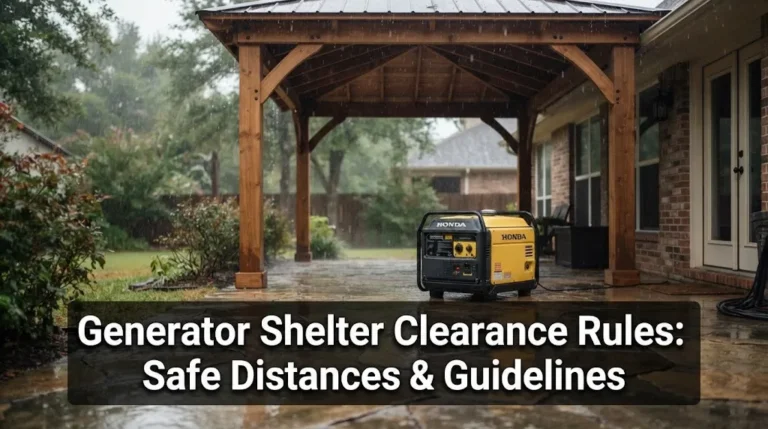
A weather shelter must never act as a tight doghouse or a flush-fitting box. Portable generators need open space around every single side. Most manufacturers specify a minimum clearance of three to five feet from walls, fences, shrubs, and overhangs. Your shelter design should reflect these margins, ensuring hot exhaust is directed completely away from the structure and any combustible walls.
Easy Operational Access
During an outage, you need to refuel, check oil levels, flip circuit breakers, and plug in heavy-duty extension cords. A great shelter features hinged doors, removable panels, or a lift-up roof that grants immediate, unhindered access to the control panel and fuel cap without requiring you to contort your body inside a cramped space.
Materials Needed to Build a Durable Shelter
Choosing the right materials ensures your shelter withstands wind loads, heavy snow, and high engine temperatures without becoming a fire hazard. Avoid using flimsy plastics or untreated cardboard-based products that degrade rapidly under UV exposure and exhaust heat.
- Pressure-Treated Framing Lumber: 2×4 boards to build a sturdy skeletal frame that resists rot and moisture contact from the ground.
- Exterior-Grade Plywood or Cement Board: For roofing and side panels, cement board or metal siding offers superior fire resistance compared to standard wood.
- Corrugated Metal Roofing Panels: Provides excellent shedding for rain and snow while remaining entirely non-combustible near the exhaust zone.
- Heavy-Duty Hinges and Latches: Stainless steel hardware to prevent rusting in damp outdoor environments.
- Expanded Metal Mesh or Louver Vents: Used for wall panels to maximize cross-ventilation while blocking wind-driven rain and debris.
Step-by-Step Guide: Building a Lean-To Generator Shed
The lean-to style attached to an exterior masonry wall or built as a standalone open-sided structure is one of the safest and most practical designs for home backup generators. Follow this systematic process to construct a durable frame.
Step 1: Select and Prepare the Site
Choose a level location positioned at least five feet away from windows, doors, and vents. Clear away grass, weeds, and organic topsoil. Lay down a bed of crushed gravel or pour a small concrete paver pad. This prevents mud splatter from entering the alternator windings and keeps the generator elevated above standing puddles.
Step 2: Construct the Base Platform
Build a rectangular wooden frame using pressure-treated 2x4s sized appropriately for your generator model—typically allowing at least two feet of extra space on all four sides. Secure the corners with structural wood screws and level the frame over your gravel or paver base.
Step 3: Frame the Vertical Supports and Roof Pitch
Erect four corner posts, making the front posts slightly taller than the rear posts to create a sloping roof pitch that sheds rainwater away from the generator. Secure the vertical posts to the base frame using metal hurricane ties or heavy-duty corner brackets.
Step 4: Install the Roof and Protective Siding
Attach roof rafters and secure your corrugated metal or plywood-and-shingle roof overhead, ensuring the overhang extends past the base platform to catch dripping moisture. For the walls, leave at least two sides completely open with heavy-duty metal mesh screens, or install adjustable louver vents that can remain open whenever the generator is running.
Step 5: Position and Secure the Generator
Roll your generator into the shelter on its wheel kit. Lock the wheels so the unit cannot vibrate out of position while running. Route your heavy-duty power cords cleanly through protective rubber-grommet cutouts in the side wall to prevent cord pinching or insulation wear.
Warning
Never operate a portable generator inside an enclosed garage, shed, crawlspace, or tightly walled enclosure—even with open doors or windows. Carbon monoxide is an invisible, odorless gas that can accumulate to lethal levels in minutes.
Managing Exhaust Heat and Fire Safety
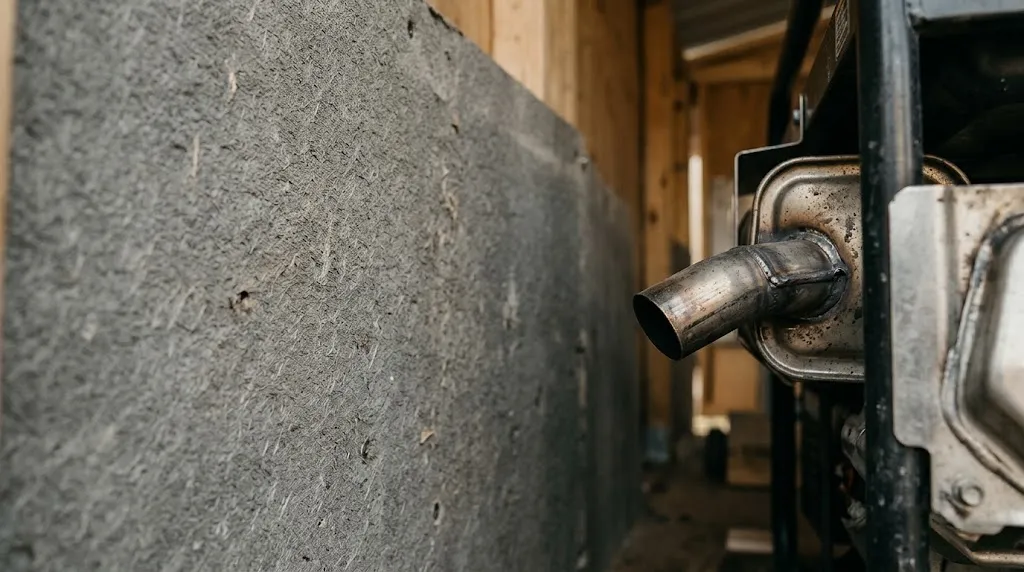
Engine exhaust manifolds reach extreme temperatures during heavy electrical loads. If combustible wood siding or storage items are placed too close to the muffler, a fire can ignite instantly. Always point the generator’s exhaust muffler toward the most open, ventilated side of the shelter.
Consider lining the interior wall directly adjacent to the exhaust pipe with a sheet of fireproof cement backer board or polished aluminum flashing. This acts as a thermal radiation shield, protecting wooden framing members from continuous high-heat exposure. Furthermore, keep spare fuel cans stored outside the shelter in a dedicated, ventilated safety container rather than inside the generator enclosure.
Alternative Weather Protection Options
If building a wooden shed is impractical due to space constraints or local zoning restrictions, several alternative shelter solutions can protect your equipment:
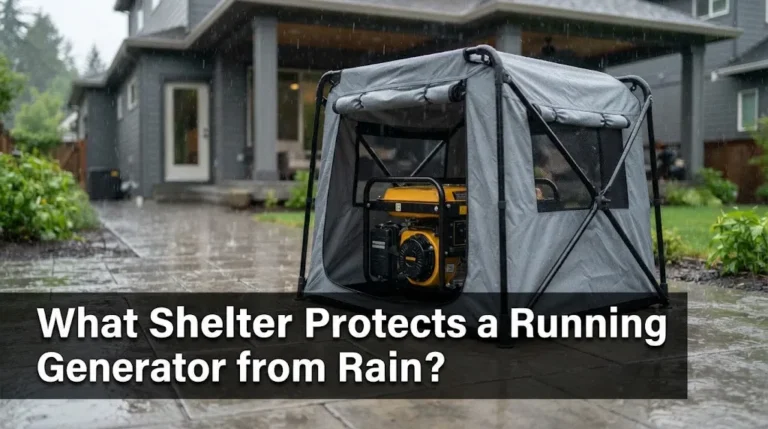
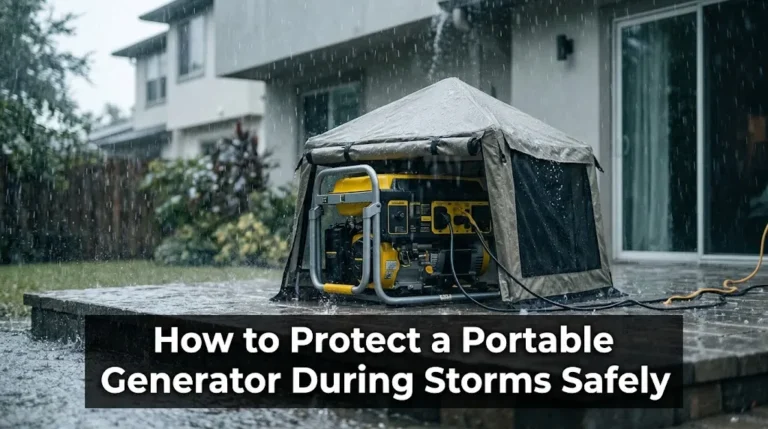
- Pop-Up Generator Tents: Specially engineered fabric canopies designed to withstand high winds and heavy snow while remaining open on the sides for uninhibited exhaust dispersal.
- Fiberglass Hard Covers: Rigid, domed enclosures that lock over the generator frame during operation and fold open when maintenance is required.
- Porch or Eaves Placement: Operating the generator under a wide structural overhang while ensuring the exhaust points outward into open outdoor space at least five feet from any wall opening.
Related Product
Generator Tent and Weather Cover Category
Explore durable fabric generator tents and weather covers designed to keep your unit dry during storms while preserving essential ventilation.
As an Amazon Associate, we earn from qualifying purchases.
Frequently Asked Questions
Can I build a fully enclosed box around my generator if I add a fan?
Even with exhaust fans, fully sealed boxes carry a high risk of mechanical failure or power outages shutting down the fan, which immediately traps lethal carbon monoxide and causes catastrophic engine overheating. Natural cross-ventilation through open sides or louvered screens is always safer and more reliable than relying solely on electric ventilation fans.
How far away from the house should the generator shelter be placed?
Standard safety guidelines recommend placing your generator and its shelter at least 15 to 20 feet away from your home with the exhaust pointing away from doors, windows, and fresh air intake vents to prevent carbon monoxide infiltration.
Will rain ruin a portable generator if it is not covered?
Direct exposure to heavy rain, standing puddpless, or snow can short out electrical outlets, corrode copper windings in the alternator, and damage electronic control modules. Protecting the unit with a proper shelter significantly extends its operational lifespan.
What is the best roofing material for a DIY generator shed?
Corrugated galvanized steel or aluminum roofing is ideal because it is completely fireproof, sheds heavy snow and rainfall easily, and will not melt or ignite from radiant heat emitted by the engine muffler.
Can I store extra gasoline inside the generator shelter?
No. Gasoline containers should never be stored inside a hot generator enclosure or near an operating engine due to extreme fire and explosion risks. Store fuel in approved safety cans in a separate, cool, well-ventilated outdoor storage area.
How do I secure the shelter against high winds during a severe storm?
If building a permanent or semi-permanent wooden shed, anchor the corner posts using concrete pier blocks, ground auger anchors, or heavy-duty hurricane straps fastened securely to masonry or ground anchors.
Conclusion
Building a weather shelter for an outdoor generator is a practical project that protects your vital emergency power equipment from damaging rain and snow while maintaining crucial safety clearances. By prioritizing generous ventilation, fire-resistant materials, and proper spatial positioning away from your home, you ensure reliable backup power without compromising family safety.

Hi, I’m Michael Turner. I own a generator workshop in the United States and founded HomeGeneratorBlog to share practical, hands-on guidance about generator installation, maintenance, troubleshooting, safety, and backup power solutions. My goal is to help homeowners make smarter, more confident decisions through clear and reliable information