
Can a Wet Generator Be Started? Safety & Drying Time Guide
Quick Answer
No, a wet generator should never be started. Attempting to run a generator that has been exposed to heavy rain, floodwaters, or moisture poses severe risks of electrical shock, electrocution, permanent alternator damage, and catastrophic short circuits. The unit must be thoroughly inspected, completely dried, and cleared by a qualified technician before any attempt is made to start it.
Portable and standby generators are essential emergency power sources during severe weather events like heavy storms or hurricanes. Because these emergencies often involve severe precipitation and rising water, generators frequently get wet. Understanding the physical risks, proper drying timelines, and safe restoration steps is critical for protecting both your safety and your equipment.
Why Starting a Wet Generator Is Dangerous
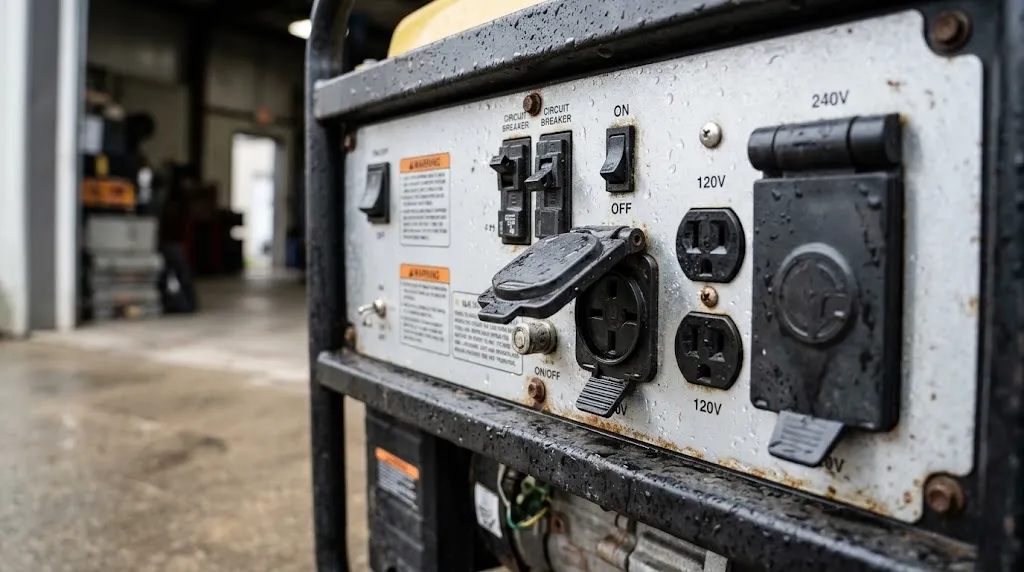
Electricity and moisture create an immediate, life-threatening hazard. When water infiltrates the sensitive electrical components of a generator, it creates unintended pathways for electrical current to travel.
The primary dangers of running a wet generator include:
- Severe Electrical Shock: Water on or inside the control panel, outlets, or wiring can transfer live current to the metal frame, risking fatal electrocution to anyone touching the unit.
- Alternator Burnout: Moisture inside the stator and rotor windings causes internal arcing and short circuits, which can permanently ruin the generator head.
- Engine Hydrolocking: If water enters the combustion chamber through the air intake or exhaust, it can prevent the piston from compressing, bending or breaking internal engine components when the pull cord or electric start is engaged.
How Long Does a Wet Generator Take to Dry?
There is no single fixed drying time because the timeline depends entirely on the extent of water exposure, ambient humidity, temperature, and whether water penetrated the internal engine or alternator windings.
General drying time frames vary by situation:
- Light Surface Moisture (Dew or Light Mist): 2 to 4 hours of direct sunlight and fresh air circulation are often enough after wiping down exterior surfaces.
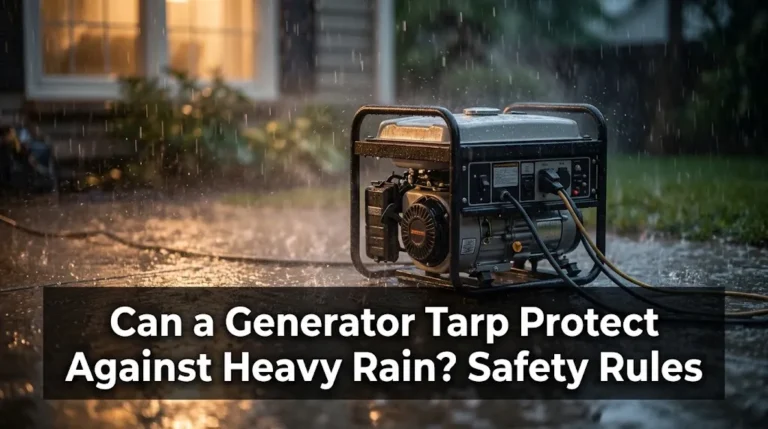
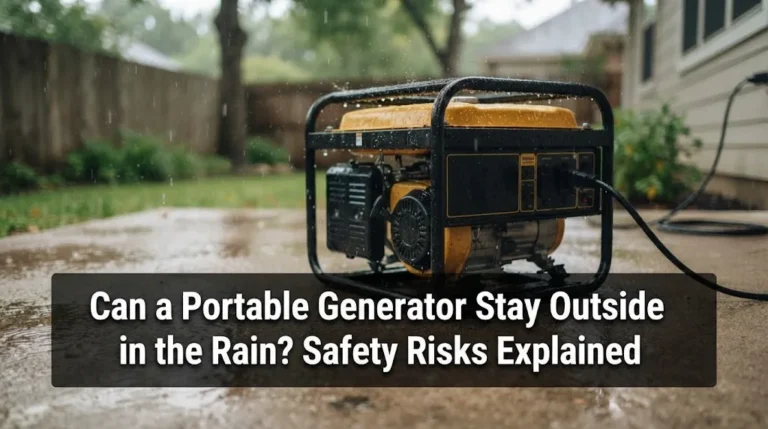
- Heavy Rain Exposure (Outer Casing Wet): 24 to 48 hours of complete resting time in a dry, well-ventilated area with panels removed to allow internal airflow.
- Complete Submersion or Flooding: Several days to a week of professional disassembly, professional cleaning, component flushing, and forced-air drying, followed by electrical insulation testing.
Warning
Never rely strictly on elapsed time after a flood. Moisture can remain trapped deep inside sealed alternator windings and fuel systems long after the exterior looks dry.
Step-by-Step Guide to Inspecting and Drying a Wet Generator
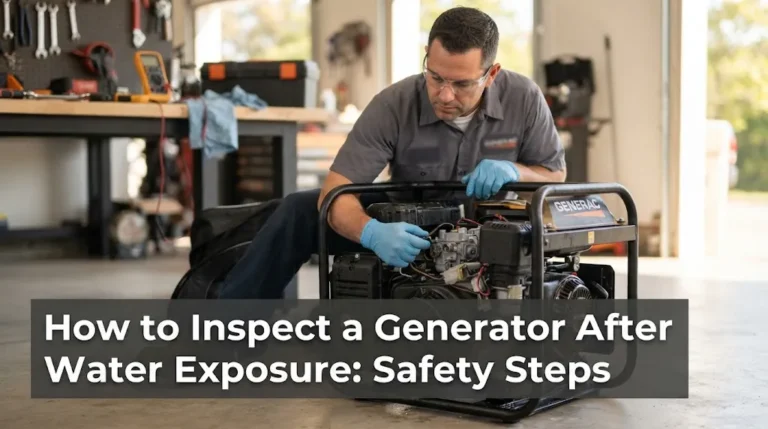
If your generator was exposed to rain or damp conditions and you need to safely restore it, follow a methodical drying and inspection process before attempting ignition.
- Disconnect All Loads and Power Sources: Unplug all cords, turn off all connected appliances, and disconnect the battery if the unit has electric start.
- Move the Unit to Dry Ground: Relocate the generator to a well-ventilated, dry outdoor area out of direct rainfall and standing water.
- Drain Contaminated Fluids: If floodwater reached the fuel tank or engine oil reservoir, completely drain the old fuel, flush the tank, and drain the crankcase oil. Water mixed with oil creates a milky substance that destroys engine bearings.
- Remove Access Panels: Take off protective shrouds and side panels to expose the alternator, stator, and wiring harnesses to moving air.
- Accelerate Air Drying: Use a standard fan or compressed air on a low, cool setting to drive moisture away from electrical windings. Avoid high-heat industrial blowers or torches, which can melt plastic insulation.
- Check the Spark Plug: Remove the spark plug and pull the starter cord several times to expel any water trapped inside the combustion chamber. Leave the plug out while the engine dries.
Signs That Professional Repair Is Required
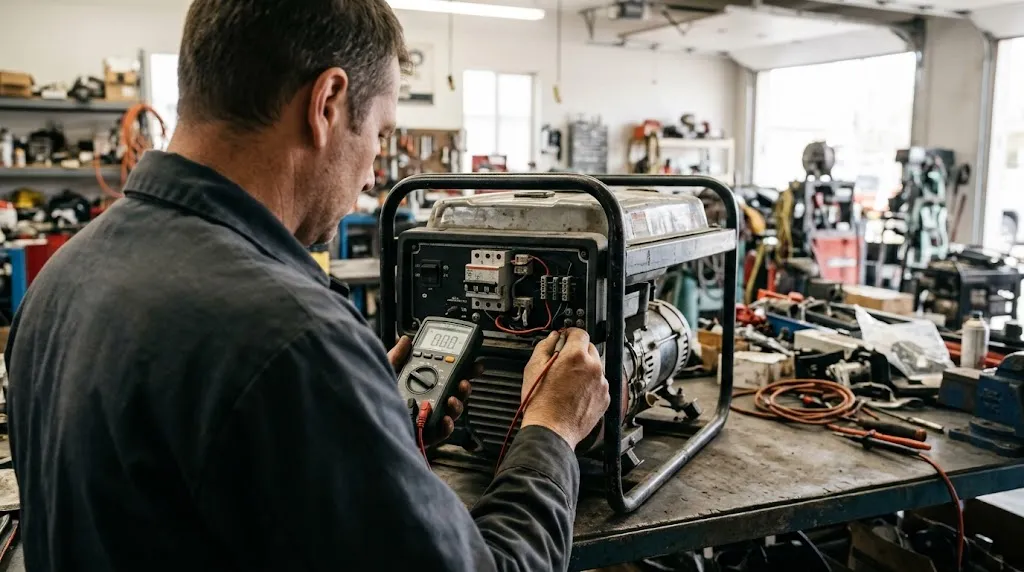
Not all water damage can be resolved with passive air drying. Certain conditions demand professional evaluation by a certified small engine and generator technician.
Seek professional service if:
- The generator was submerged in salt water, which leaves corrosive residue that rapidly destroys electrical components.
- Floodwaters contained sewage, mud, or chemical contaminants that coated internal parts.
- The generator refuses to produce electrical voltage after being completely dried and restarted.
- You notice a burning smell, visible smoke, or electrical sparks when testing the unit.
Tip
Always test output voltage with a digital multimeter before plugging in household appliances after a water exposure incident.
How to Prevent Generator Water Damage in the Future
Preventing moisture intrusion is much easier and safer than attempting post-storm recovery. Proper storage and operational placement eliminate most weather-related risks.
Effective prevention strategies include:
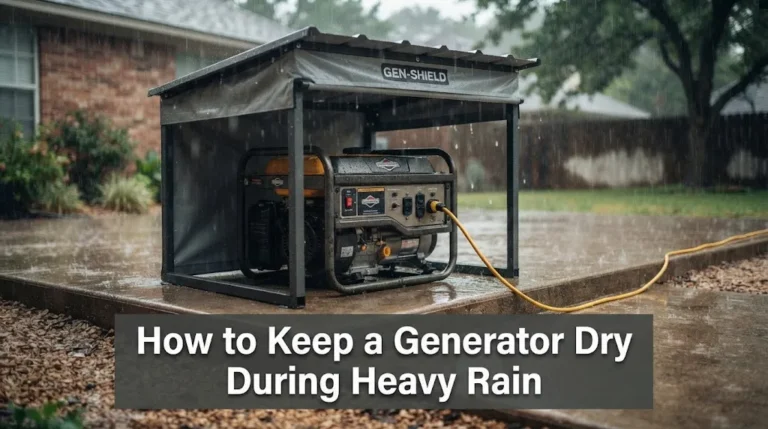
- Use a Generator Tent or Canopy: Invest in a specifically designed generator running cover that allows adequate airflow for exhaust while shielding the engine and control panel from driving rain.
- Elevate the Unit: Keep the generator placed on a raised platform, concrete pad, or generator dolly to prevent pooling rainwater or minor ground runoff from seeping into the base.
- Store Properly Indoors: When not in use, store your generator in a dry garage or shed with a breathable storage cover to prevent humidity buildup.
- Run Regularly: Run the generator for 20 to 30 minutes every month to generate internal heat that naturally drives off accumulated ambient moisture.
Related Product
Portable Generator Cover and Tent
A weather-resistant running cover protects your generator from heavy rain and snow while allowing safe ventilation during operation.
As an Amazon Associate, we earn from qualifying purchases.
Frequently Asked Questions
Can I use a hair dryer to dry my wet generator quickly?
Using a hair dryer on a low, cool setting can help clear surface moisture from accessible areas. However, avoid high-heat settings, as excessive heat can melt plastic wiring insulation, damage rubber seals, and push moisture deeper into sealed electrical components.
Is it safe to run a generator in light rain?
Running a generator in light mist or gentle rain is generally safe only if the unit is housed under a proper waterproof canopy or generator tent with adequate clearance for ventilation. Never operate a generator unprotected in steady or heavy downpours.
What should I do if my generator was submerged in floodwater?
If a generator was submerged, do not attempt to start it under any circumstances. Drain all fluids immediately, clean mud and debris from the exterior and interior, and take the unit to a certified service center for professional stator testing and overhaul.
Can water ruin a generator’s fuel system?
Yes. If water enters the fuel tank through the fill cap or vent, it mixes with gasoline and prevents the engine from starting. Water in the carburetor also causes corrosion and varnish buildup, requiring a complete carburetor cleaning or rebuild.
How do I know if the generator alternator is ruined by moisture?
If the engine starts and runs smoothly after drying, but the unit fails to produce electrical power at the outlets, the alternator windings have likely suffered an internal short circuit or lost their residual magnetism and require professional testing.
Should I change the oil if my generator gets wet?
You must change the oil immediately if water has contaminated the crankcase. Running an engine with water-contaminated oil strips lubrication from internal moving parts, leading to rapid bearing failure and seized engine components.
Conclusion
Starting a wet generator creates severe risks of electrical shock, permanent alternator burnout, and catastrophic engine damage. Always prioritize safety by keeping your equipment dry, allowing thorough drying times after exposure, and inspecting all fluids before attempting startup. Taking preventative measures with proper covers and elevated placement ensures your generator remains safe and reliable whenever emergency power is needed.

Hi, I’m Michael Turner. I own a generator workshop in the United States and founded HomeGeneratorBlog to share practical, hands-on guidance about generator installation, maintenance, troubleshooting, safety, and backup power solutions. My goal is to help homeowners make smarter, more confident decisions through clear and reliable information

One Comment