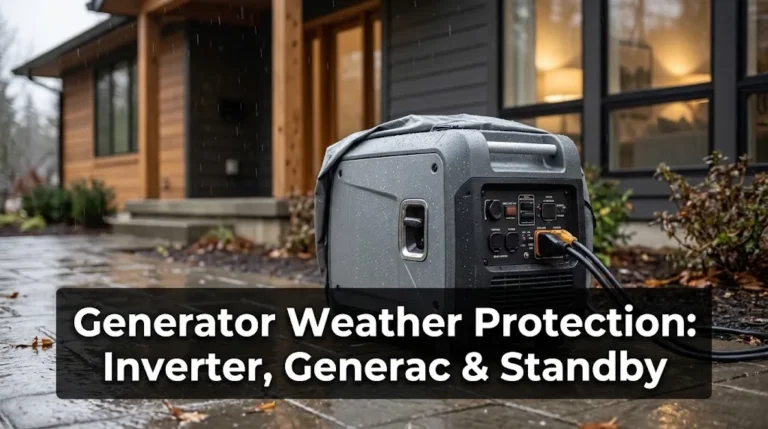
Protecting a Generator in Winter and From Moisture
Quick Answer
Protect a generator in winter by storing it in a dry, well-ventilated location, keeping moisture away from electrical components, and following the manufacturer’s cold-weather maintenance instructions. When operating outdoors during wet or snowy weather, use only weather protection permitted by the owner’s manual, keep the generator outdoors and away from standing water, and never enclose it in a shed, garage, or improvised cover that restricts ventilation.
Protecting a generator in winter requires more than covering it with a tarp. Cold temperatures, rain, snow, condensation, and prolonged dampness can affect the engine, electrical connections, fuel system, battery, and metal components.
The right approach depends on whether the generator will remain unused through winter or run during storms and power outages. Storage protection focuses on dryness and maintenance, while operating protection must also account for exhaust ventilation, engine heat, and electrical safety.
How Should You Protect a Generator From Winter Weather?
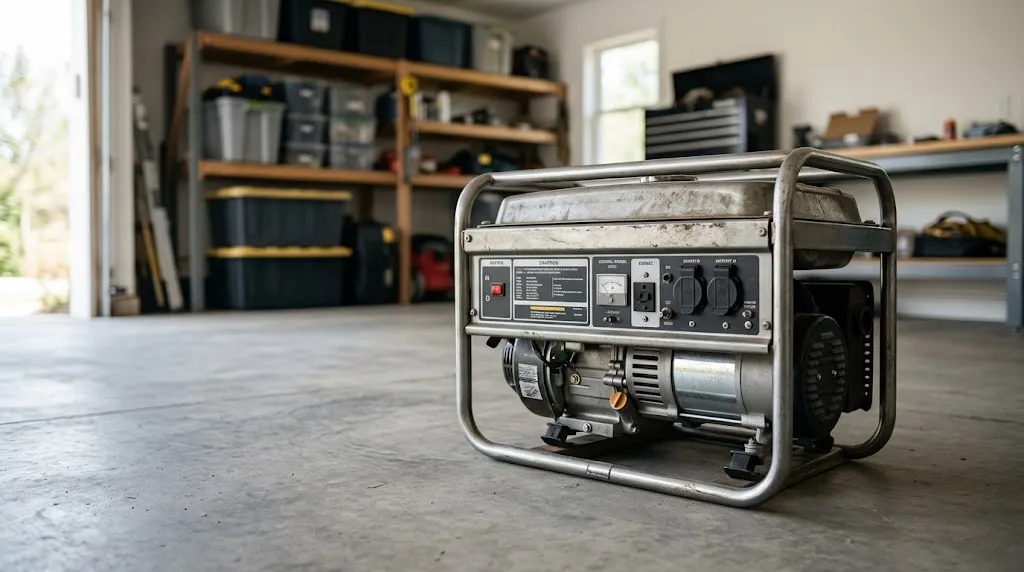
For a generator that will remain unused, choose a dry storage area with good ventilation and prepare the machine according to its owner’s manual. For a generator that must operate during winter weather, provide only manufacturer-approved protection against rain and snow without restricting airflow or allowing exhaust to accumulate.
Start with these priorities:
- Keep moisture out: Prevent rain, melting snow, leaks, and condensation from reaching electrical outlets and sensitive components.
- Choose suitable storage: Use a dry, ventilated location away from ignition sources and excessive humidity.
- Protect the fuel system: Follow the correct storage procedure for the expected period of inactivity.
- Check the battery: Maintain and store it according to the manufacturer’s temperature and charging instructions.
- Prepare for safe operation: Keep the generator outside, on a stable surface, and clear of standing water.
A cover can reduce exposure to precipitation, but it cannot correct poor storage conditions, protect equipment that has been submerged, or make an unsuitable location safe for running an engine.
Why Can Winter Moisture Damage a Generator?
Moisture can affect a generator even when rain never falls directly on it. Humid air, temperature changes, leaking storage areas, and melting snow can expose components to water or leave damp surfaces that encourage corrosion.
Condensation and corrosion
When a cold generator encounters warmer, humid air, moisture may condense on cooler surfaces. Repeated temperature changes can contribute to corrosion around metal fasteners, electrical connections, and exposed components.
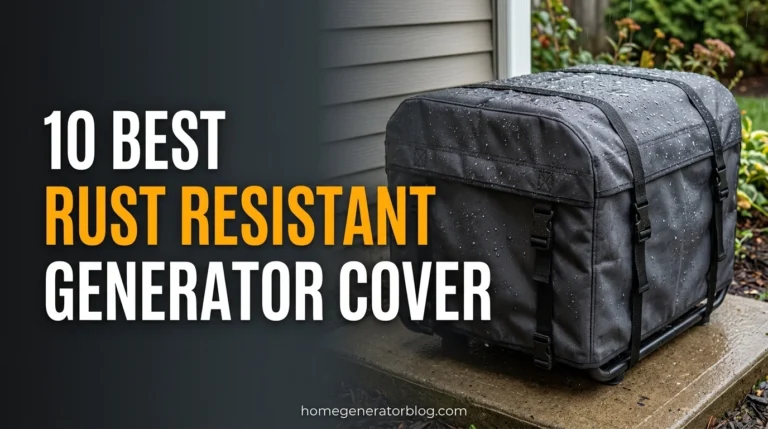
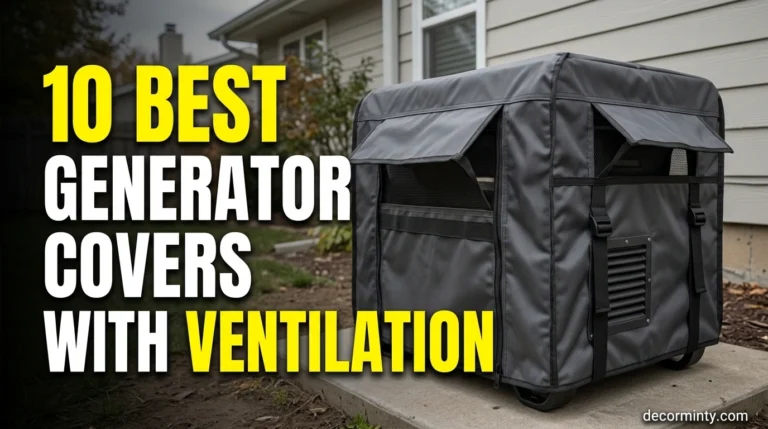
A tightly wrapped, non-breathable cover can make the problem worse by trapping damp air around the machine. A dry location and a suitable breathable storage cover are generally preferable to sealing the generator inside plastic.
Electrical and starting problems
Water reaching outlets, wiring, switches, or other electrical parts can create shock hazards and damage components. A generator that has become wet may also develop starting or operating problems, although the cause cannot be identified from moisture exposure alone.
Cold weather can create additional starting difficulties, particularly when the battery is weak or fuel has deteriorated during storage. Moisture protection and cold-weather maintenance should therefore be treated as related but separate tasks.
How to Prepare a Generator for Winter Storage
If you will not need the generator for several weeks or months, prepare it before placing it in storage. The exact procedure varies by model, so use the manufacturer’s instructions rather than applying one fuel or maintenance method to every generator.
- Shut down and cool the machine. Turn the generator off, disconnect loads as directed in the manual, and allow the engine and exhaust system to cool completely before cleaning, covering, or moving it.
- Clean and dry the exterior. Remove dirt and accumulated debris using an approved cleaning method. Dry accessible surfaces and inspect the frame, control panel, outlets, and ventilation openings for visible moisture or damage.
- Inspect for leaks and corrosion. Look for rust, damaged insulation, loose external fittings, fuel leaks, and signs of water intrusion. Do not dismantle electrical components unless the maintenance procedure specifically calls for it and you are qualified to perform the work.
- Prepare the fuel system. Depending on the model and storage duration, the manual may call for fresh fuel with stabilizer, draining the carburetor, or draining the fuel system. Never drain fuel near flames, sparks, or hot engine parts.
- Check the oil and air filter. Complete any scheduled maintenance specified for seasonal storage. Use the correct oil grade and follow the manufacturer’s guidance for the temperatures in which the generator will operate.
- Maintain the battery. For electric-start models, follow the prescribed charging, disconnection, or removal procedure. Use only a suitable charger and keep the battery within its specified storage-temperature range.
- Move it to a suitable location. Store the generator upright on a stable, level surface in a dry, ventilated area away from excessive dust, humidity, and ignition sources.
- Cover it after it is completely cool and dry. Use a cover intended for storage that helps keep dust off without trapping excessive moisture. Do not cover a hot engine or exhaust.
The Honda generator fuel and storage guidance explains why fuel preparation depends on the length of storage and the specific equipment. Check your own manual before choosing between fuel stabilizer and draining procedures.
Where Should You Store a Generator in Winter?
The best storage location is dry, protected from precipitation, reasonably temperature-stable, and adequately ventilated. A suitable detached storage area may work, provided its conditions comply with the manufacturer’s instructions and local fuel-storage requirements.
| Location | Suitability | Main consideration |
|---|---|---|
| Dry storage room | Often suitable for storage | Ventilation, fuel vapors, and ignition sources |
| Detached garage or outbuilding | Potentially suitable for storage | Keep dry and follow fuel-storage requirements |
| Outdoor covered area | Conditional | Wind-driven rain, snow, humidity, and flooding |
| Exposed ground or a flood-prone area | Poor choice | Standing water, splashback, and direct precipitation |
| Inside a home or attached living space | Requires caution | Fuel vapors and fire risks; never operate there |
These are general storage considerations, not a substitute for the instructions supplied with your generator. Fuel-powered models can release gasoline vapors, so an ordinary household cupboard or enclosed living space may be unsuitable even when it is dry.
How to Protect a Generator From Rain, Snow, and Melting Ice
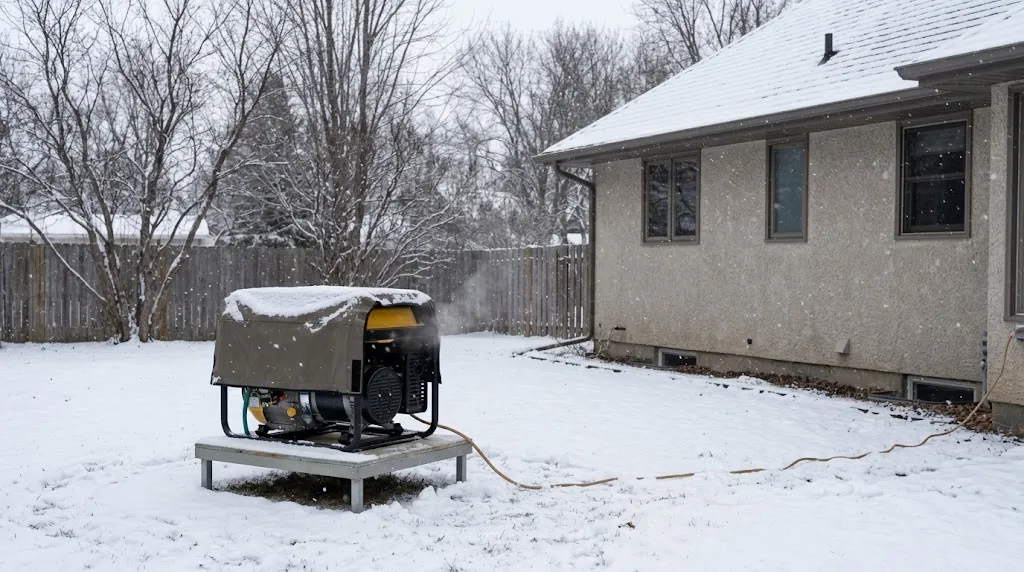
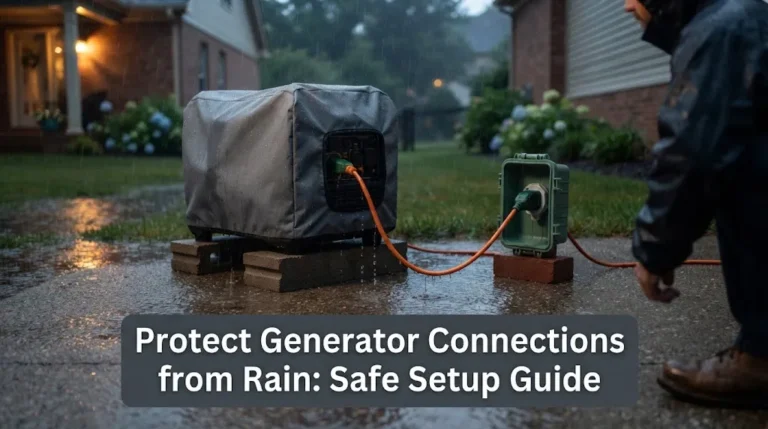
If the generator must remain outdoors, prevent water from reaching its electrical components while preserving safe operating conditions. A storage cover and an operating enclosure serve different purposes and should not be treated as interchangeable.
Use the correct weather protection
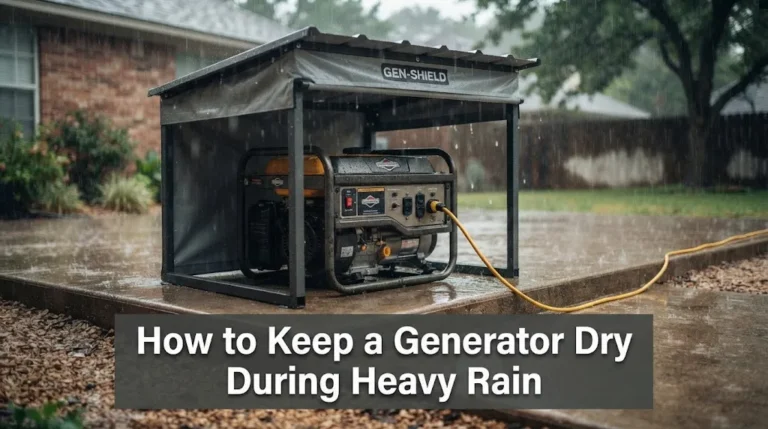
For a running generator, follow the owner’s manual to determine whether a purpose-designed generator tent or canopy is permitted. Some current safety guidance refers to an NFPA-rated noncombustible generator tent, while certain models or weather conditions may require waiting until precipitation passes.
The U.S. Consumer Product Safety Commission’s winter-weather guidance emphasizes following the generator manufacturer’s instructions for electrical-shock protection in rain and snow.
Keep the generator above standing water
Place the generator on a firm, level surface that remains dry during rainfall and snowmelt. A suitable stable platform may help prevent splashback, but it must not introduce tipping risks, obstruct airflow, or conflict with grounding and installation instructions.
Check the surrounding area for blocked drainage, roof runoff, and water that may collect as snow melts. Do not operate the machine where floodwater can reach it.
Avoid improvised sealed enclosures
A plastic tarp draped over a running generator can obstruct cooling airflow, trap heat, or contact hot surfaces. A homemade enclosure can also allow carbon monoxide to accumulate or direct exhaust toward the house.
Never run a portable generator inside a garage, shed, basement, or other enclosed space, even if doors or windows are open. The CPSC advises keeping portable generators outdoors at least 20 feet from the home, with exhaust directed away from windows, doors, vents, and other openings.
Warning
Never sacrifice exhaust ventilation to keep rain or snow off a generator. Carbon monoxide is colorless and odorless and can be fatal. If safe weather protection is not available, wait until conditions improve rather than operating the generator in an enclosed or unsafe location.
How to Reduce Condensation and Moisture Buildup
Preventing water from entering the generator is only part of the job. The storage environment also needs to avoid prolonged dampness and trapped humidity.
- Choose a dry storage area: Avoid locations with roof leaks, damp floors, recurring condensation, or poor air circulation.
- Let the machine dry before covering it: Never seal in rainwater, melted snow, or cleaning moisture.
- Use a suitable storage cover: Follow the generator manufacturer’s recommendations and avoid wrapping the unit tightly in non-breathable plastic.
- Keep ventilation openings clear: Remove dust, leaves, and other debris from accessible openings without pushing water into the machine.
- Inspect periodically: Check for dampness, corrosion, pest damage, and signs of leaking during extended storage.
Desiccants or humidity-control products may help in a suitable enclosed storage environment, but they are not a replacement for fixing leaks or improving ventilation. Keep them away from children, pets, hot components, and any location where they could interfere with generator operation.
What Should You Check Before Starting a Generator After Winter?
Before restarting a generator that has been stored through cold or wet weather, inspect it and complete the manufacturer’s pre-operation checks. If water entered the electrical system or the unit was submerged, do not start it simply because the outside appears dry.
- Remove the storage cover and check for trapped moisture, corrosion, damaged cables, and signs of pests.
- Inspect the fuel system for leaks and follow the correct procedure for replenishing or replacing stored fuel.
- Check engine oil, the air filter, and the battery where applicable.
- Confirm that outlets, cords, and visible electrical components are undamaged and dry.
- Check that the operating surface is stable and dry and that the approved weather protection is correctly installed, if needed.
- Move the generator outdoors to a compliant operating location before starting it and follow the normal startup sequence in the owner’s manual.
Do not use a generator that has been submerged, shows significant electrical damage, emits unusual smoke or odors, or has unexplained starting problems. Have water-damaged equipment assessed by a qualified service provider before returning it to use.
Frequently Asked Questions
Can you leave a generator outside during winter?
It depends on the generator, its approved storage conditions, and the available weather protection. A generator left outside needs protection from precipitation, standing water, and excessive moisture; for long periods of inactivity, a suitable dry storage location is generally preferable.
Should you cover a generator with a tarp in winter?
A tarp may provide temporary protection for a generator that is switched off and completely cool, provided the arrangement does not trap moisture. Do not drape an ordinary tarp over a running generator or use it as a substitute for an approved operating enclosure.
Can cold weather damage a portable generator?
Cold conditions can make starting more difficult and may affect battery performance, oil suitability, and fuel-system operation. Follow the manufacturer’s temperature guidance, use the specified oil, and maintain the battery and fuel system according to the manual.
Is it safe to run a generator in snow?
Only when the manufacturer permits operation in those conditions and suitable weather protection can be provided. Keep the generator outdoors, maintain safe exhaust clearance, prevent snow from obstructing ventilation, and stop operating if safe conditions cannot be maintained.
Can you start a generator after it gets wet?
Do not start it until the cause and extent of the water exposure have been assessed. If water reached electrical components, the outlets, or the interior—or if the unit was submerged—have it evaluated before use. Drying the exterior alone does not establish that the generator is electrically safe.
Should gasoline be drained before storing a generator for winter?
Not always. The correct approach depends on the generator’s fuel system, storage duration, and manufacturer’s instructions. Some procedures use fresh fuel and stabilizer, while others require draining the carburetor or fuel tank; never assume one method applies to every model.
Conclusion
Protecting a generator in winter means controlling moisture, preparing the engine and fuel system for the expected storage period, and checking the equipment before use. A dry storage location and a suitable cover can help prevent corrosion, but neither makes a generator safe to operate in rain or snow without the correct precautions.
Before winter arrives, consult your owner’s manual, complete the recommended maintenance, and prepare an outdoor operating location that protects against moisture without restricting ventilation. If the generator has been submerged or its electrical components have been exposed to water, have it evaluated before restarting it.

Hi, I’m Michael Turner. I own a generator workshop in the United States and founded HomeGeneratorBlog to share practical, hands-on guidance about generator installation, maintenance, troubleshooting, safety, and backup power solutions. My goal is to help homeowners make smarter, more confident decisions through clear and reliable information