How Much Does an Inverter Generator Cost? Complete Price Guide by Size, Brand, and Use
Quick Answer
An inverter generator typically costs $400 to $4,500 or more in 2026, depending on wattage, brand, fuel type, and features. Most homeowners and campers spend $700 to $1,800 for a quiet, portable model that handles essentials, while larger home backup units cost more. The premium over a conventional generator is often worth the extra cost when you need clean power for sensitive electronics.
What to expect by budget
- Small, $400-$1,100: Powers phones, laptops, lights, and small camping loads with a light, quiet unit.
- Mid-size, $600-$1,800: Covers a refrigerator, furnace blower, CPAP machine, and many RV loads.
- Large, $1,400-$4,500+: Runs larger RV air conditioners, well pumps, and more of a home at once.
- Setup adds cost: Budget $100 to $1,500 or more for cords, a parallel kit, or a transfer switch install.
- Fuel matters: Eco-mode and load level change runtime and fuel use more than the sticker price suggests.
Smart first step
- List your must-run loads first, then match running watts and starting watts before you compare prices.
I’ve tested inverter generators through multi-day outages, quiet campgrounds, and noisy job sites, and price alone never told the full story. A cheap unit that stalls under a refrigerator start-up costs more in stress than it saves at checkout.
This guide goes deeper than a single average price. You’ll see real 2026 price ranges by size and brand, the running costs most buyers miss, and a simple way to pick the right value for your home, RV, or campsite.
In This Guide
- How Much Does an Inverter Generator Cost in 2026?
- What Determines Inverter Generator Cost?
- Inverter Generator Cost by Size and Wattage
- How Much Do Popular Inverter Generator Brands Cost?
- Inverter Generator vs Conventional Generator Cost: Is the Premium Worth It?
- What Are the Hidden and Running Costs?
- How Can You Save Money and Choose the Right Model?
- Frequently Asked Questions About Inverter Generator Costs
- Final Takeaway: What Should You Budget?
How Much Does an Inverter Generator Cost in 2026?
As of 2026, most inverter generators sell for $400 to $4,500 or more. The wide range reflects wattage first, then brand, fuel type, noise control, and build quality.
An inverter generator is a portable generator that produces stable, clean sine wave power with low total harmonic distortion, or THD. Clean sine wave power means the electrical output stays smooth and steady, which helps protect laptops, phones, CPAP machines, and modern furnace controls.
I learned the value of that stability during a three-day outage. My fridge, a CPAP machine, and a few lights ran without the flicker and surging I had seen from an older open-frame unit.
What is the average price of an inverter generator?
The average price sits near $900 to $1,500 for a popular mid-size portable model. That average hides a key split between small camping units and large home backup units.
Section Takeaway: Budget $400 to $1,100 for small portable power, $700 to $1,800 for most home and RV essentials, and $1,400 to $4,500 or more for large backup power.
What Determines Inverter Generator Cost?
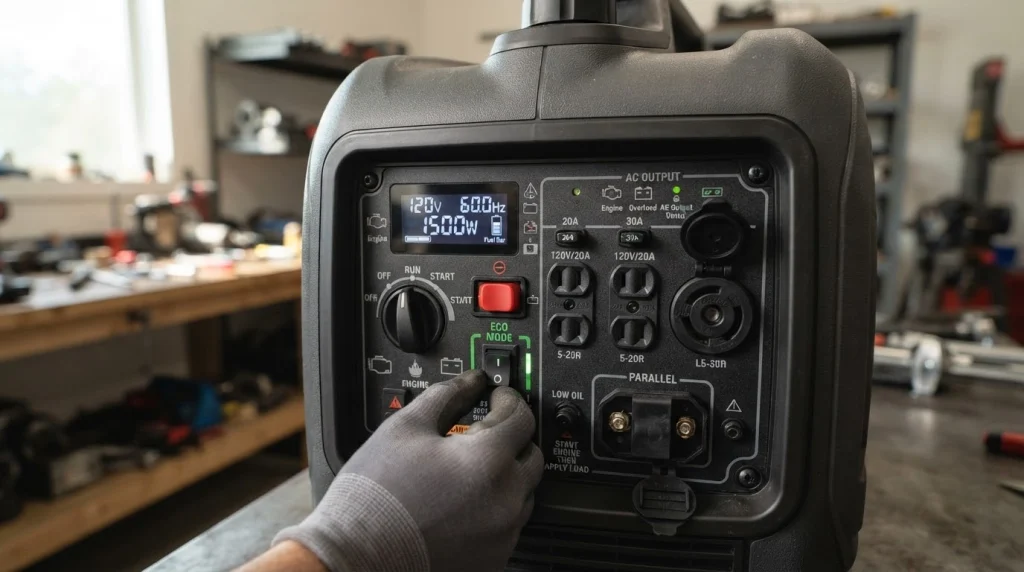
Wattage sets the floor price, but several other factors decide where a model lands in its class. Understanding them stops you from overpaying for features you will never use.
How do running watts and starting watts affect price?
Running watts are the steady power a generator can supply, while starting watts are the short surge it can supply when a motor starts. Motors in refrigerators, sump pumps, and air conditioners need extra surge power for a few seconds.
Check running watts vs starting watts for each appliance before you shop. Add the running watts of everything you will run at once, then add the largest starting surge on top.
What features add the most to the price?
Electric start, remote start, and dual fuel capability are common price drivers. So are larger tanks, wheels and handles, GFCI outlets, and parallel capability.
- Parallel capability: Lets you link two smaller units for more power, but the kit often costs extra.
- Dual fuel: Adds propane operation, longer fuel storage life, and cleaner running on propane.
- Low THD and clean power: Built into inverter design, yet premium models often hold voltage steadier under load.
- Noise control: Enclosed cases and better mufflers cost more and matter most at campgrounds.
- Emissions compliance: CARB-compliant models for California can cost slightly more than 49-state models.
The Environmental Protection Agency sets emission standards that shape engine design and compliance costs. Check the spec sheet and your state rules before you buy, rather than assuming every model is legal everywhere.
Section Takeaway: Pay for watts, clean power, and the features you will use weekly, and skip premium extras that only sound useful in a product listing.
Inverter Generator Cost by Size and Wattage
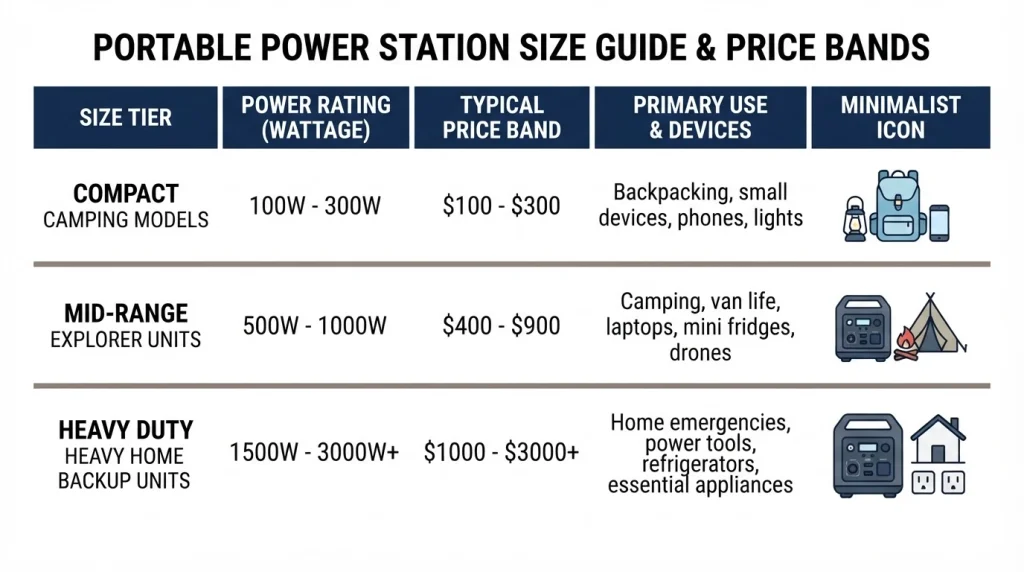
Size is the fastest way to narrow your budget. Use the table below as a starting range, then confirm the exact running watts on the spec sheet for any model you shortlist.
| Size (running watts) | Typical price range | Best for | Typical loads |
|---|---|---|---|
| 1,000-2,200 watts | $400-$1,100 | Camping and tailgating | Phones, laptops, lights, small fans |
| 2,300-3,500 watts | $600-$1,600 | RV and essential home backup | Fridge, CPAP, furnace blower, small RV AC |
| 3,600-5,000 watts | $900-$2,400 | Larger RVs and partial home backup | RV AC, microwave in turns, sump pump |
| 5,000-7,500 watts | $1,400-$3,500 | Whole-room backup and job sites | Window AC, power tools, multiple circuits |
| 7,500 watts and up | $2,200-$4,500+ | Large homes and heavy loads | Larger AC units, well pumps, heavy tools |
How much does a small inverter generator cost for camping?
Small camping units typically cost $400 to $1,100. They weigh less, run quieter, and fit in a car trunk or RV bay with ease.
At a campground last summer, my small unit sat 20 feet from our tent and stayed easy to talk over. A louder conventional generator two sites away drew complaints before dinner.
Look for affordable inverter generators with eco-throttle, or economy mode, if you camp often. Eco-mode lets the engine slow down under light loads, which saves fuel and cuts noise.
How much does an inverter generator cost for home backup?
Home backup models typically cost $900 to $3,500, depending on how much of the house you want to run. A partial backup plan costs far less than a whole-home plan.
Section Takeaway: Match the size band to your must-run loads first, and let the table set your budget before brand loyalty or extra features pull it higher.
How Much Do Popular Inverter Generator Brands Cost?
Brand affects price through engine quality, dealer support, parts access, and warranty length. It also affects resale value, which matters if you upgrade later.
What do premium brands cost?
Premium brands such as Honda and Yamaha often cost $1,000 to $4,500 or more. You pay for proven engines, tight noise control, strong dealer networks, and long track records.
What do mid-tier and value brands cost?
Mid-tier brands such as Champion, Westinghouse, and Generac typically cost $600 to $2,500. Value brands such as WEN, Pulsar, Predator, and DuroMax often cost $400 to $1,800 for similar wattage.
- Mid-tier value: Strong features, wide retail access, and solid warranties at a lower price than premium brands.
- Value brands: Lowest upfront cost, yet check warranty terms, parts access, and noise ratings with care.
Read the best inverter generator brands guide before you narrow your shortlist. Then check independent testing and owner feedback, including Consumer Reports, for reliability notes on the models you are considering.
Section Takeaway: Premium brands cost more for proven support and refinement, while mid-tier and value brands often deliver the best watts per dollar for occasional use.
Inverter Generator vs Conventional Generator Cost: Is the Premium Worth It?
An inverter generator usually costs 30% to 100% more than a conventional generator with similar wattage. The gap shrinks as wattage rises, yet it rarely disappears.
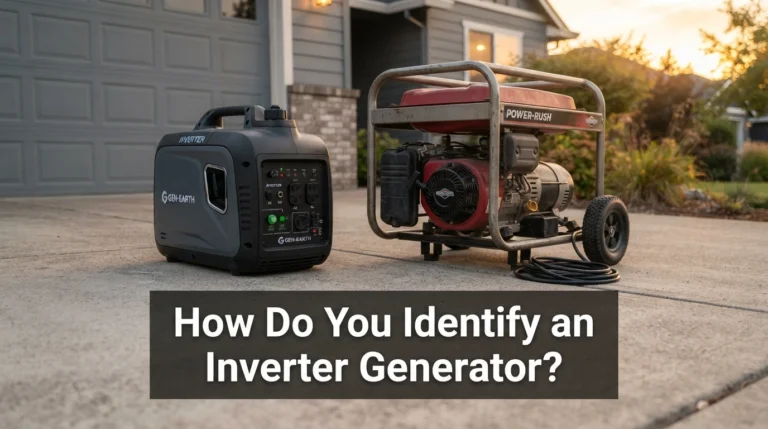
A conventional generator, also called an open-frame generator, runs at a fixed speed and produces power with higher THD. An inverter generator varies engine speed with load and cleans the output through its inverter module.
Why do inverter generators cost more than conventional generators?
Inverter models add electronics, tighter engine control, and often a fully enclosed case. Those parts cost more to build, yet they deliver quieter operation and safer power for electronics.
Fuel use also differs in real life. Eco-mode helps an inverter generator sip fuel under light loads, while a fixed-speed conventional unit keeps burning fuel at a steadier rate.
- Choose inverter power: When you run laptops, phones, CPAP machines, modern furnaces, or RV electronics.
- Choose inverter power: When noise limits, campground rules, or close neighbors make quiet operation essential.
- Consider conventional power: When you only run basic tools and lights and noise is not a concern.
- Consider conventional power: When upfront cost matters most and you do not need clean sine wave output.
See the full inverter generator vs regular generator comparison for noise, fuel, and power quality trade-offs. Your load list and noise setting will settle the choice faster than any spec sheet alone.
Safety note: Run any generator outdoors and well away from windows, doors, and vents, and never run one in a garage, even with the door open.
Section Takeaway: The inverter premium is worth it for sensitive electronics and quiet use, and less compelling if you only need basic power for tools in an open, noisy setting.
What Are the Hidden and Running Costs?
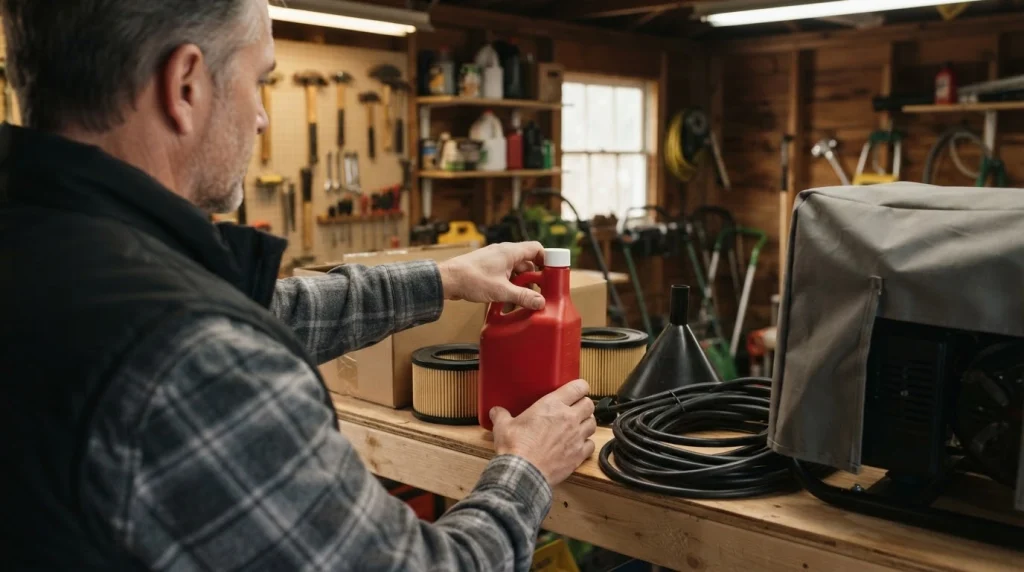
The sticker price is only the start of true ownership cost. Fuel, maintenance, storage care, and safe hookup gear can add hundreds of dollars in the first year.
How much does fuel cost per hour and per outage?
Fuel cost depends on load, eco-mode, tank size, and local fuel prices. A small unit at light load can run many hours on a gallon or two, while a large unit under heavy load burns fuel far faster.
The Energy.gov site offers general guidance on home energy use and backup planning. Use it to sanity-check your load list, then confirm generator specs in the owner’s manual.
What maintenance and storage costs should you expect?
Expect oil changes, air filter checks, spark plug replacement, and fuel care over the life of the unit. Follow the break-in and maintenance schedule in your owner’s manual, since intervals vary by model.
- Oil and filters: Budget for oil, a funnel, and replacement filters as listed in the manual.
- Fuel stabilizer: Helps prevent carburetor clogging from stale fuel during storage.
- Battery care: Electric-start models may need periodic battery charging or replacement.
- Cover and storage: A cover, dry storage, and a monthly test run protect your investment.
What do cords, parallel kits, and transfer switches cost?
Safe hookup gear varies widely by plan. A heavy-duty outdoor extension cord may cost $40 to $120, while a parallel kit often costs $50 to $150.
A generator inlet box, interlock kit, or transfer switch install often costs $300 to $1,500 or more, including parts and licensed electrician labor. Prices vary by panel type, distance, and local code rules.
A transfer switch safely connects a generator to home circuits and prevents backfeeding into the grid. An interlock kit serves a similar safety role on many panels, yet only a licensed electrician should judge which option fits your panel.
Safety note: Use a transfer switch or interlock installed by a licensed electrician for home circuit connections, and never backfeed through a household outlet.
The Consumer Product Safety Commission and the Centers for Disease Control and Prevention both warn about carbon monoxide risks from portable generators. Keep the unit outdoors, point exhaust away from the home, and use working CO alarms inside.
Section Takeaway: Add $150 to $500 for basic cords and care, and $300 to $1,500 or more for a proper home hookup, when you set your true first-year budget.
How Can You Save Money and Choose the Right Model?
You save the most money by buying the right size once. An oversized unit wastes fuel and cash, while an undersized unit overloads and frustrates you during an outage.
What is the best way to size an inverter generator on a budget?
List must-run loads, nice-to-have loads, and loads you can stagger. Must-run loads set your minimum running watts, while the largest motor start sets your surge need.
- List essentials: Write down the fridge, lights, CPAP, furnace blower, and phone charging you truly need.
- Add running watts: Total the running watts for loads you will run at the same time.
- Add the largest surge: Add the highest starting watts for one motor starting at a time.
- Leave headroom: Keep 10% to 20% headroom so the unit does not run at full load all day.
- Check the spec sheet: Confirm running watts, starting watts, outlets, and fuel type before you buy.
Learn what to look for in an inverter generator beyond wattage, including noise, runtime, weight, and warranty. A quiet, light unit you can move alone is worth more than extra watts you cannot lift.
When is the cheapest time to buy an inverter generator?
Prices often dip during off-season sales and holiday events, while storm season can push prices up. Buy before you need it, so you can compare models without pressure.
- Compare total cost: Include cords, oil, a cover, and any parallel kit in the price comparison.
- Check warranty terms: Compare length, coverage, and local service options, not just the headline years.
- Consider parallel pairs: Two small units can cost less than one large unit and offer easier carrying.
Section Takeaway: Size to your must-run loads, buy before storm season, and compare total ownership cost, not just the sale price on the box.
Frequently Asked Questions About Inverter Generator Costs
How much does a 2000-watt inverter generator cost?
A 2,000-watt class inverter generator typically costs $400 to $1,100, depending on brand, noise control, and features. Premium models sit at the top of that range, while value models offer similar watts for less.
How much does a 3500-watt inverter generator cost?
A 3,500-watt class inverter generator typically costs $700 to $1,800. This size suits many RV owners and homeowners who need a fridge, furnace blower, and small air conditioner in turns.
Are inverter generators worth the extra cost over conventional generators?
Yes, for sensitive electronics, quiet campgrounds, and close neighbors, the extra cost is often worth it. For basic tools and lights in an open area, a cheaper conventional generator may serve just as well.
How much does it cost to run an inverter generator per day?
Daily running cost depends on load, eco-mode, and fuel prices, so it can range from a few dollars to $20 or more per day. Light loads in eco-mode cost far less than heavy, continuous loads at full output.
Do dual fuel inverter generators cost more?
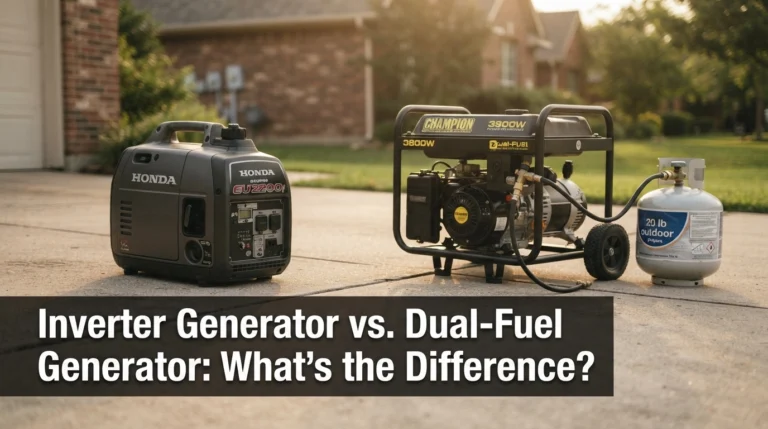
Yes, dual fuel inverter generators usually cost $100 to $400 more than gasoline-only models with similar watts. Propane adds fuel storage flexibility and cleaner running, which many owners value during long outages.
How much does a quiet inverter generator cost?
Quiet, enclosed inverter generators typically cost $600 to $2,500, depending on size and brand. Check the dB rating at a stated distance and load, since makers measure noise in different ways.
Final Takeaway: What Should You Budget?
Budget $700 to $1,800 for most portable inverter generators that handle home essentials or RV life. Add fuel, cords, and safe hookup gear to reach your true first-year cost.
Start with your load list, pick the smallest size that covers it with headroom, and choose the brand tier that matches how often you will use it. That simple order keeps you from overspending and from buying too little power when it matters most.

Hi, I’m Michael Turner. I own a generator workshop in the United States and founded HomeGeneratorBlog to share practical, hands-on guidance about generator installation, maintenance, troubleshooting, safety, and backup power solutions. My goal is to help homeowners make smarter, more confident decisions through clear and reliable information