How Much Does a 2000-Watt Inverter Generator Cost? 2026 Prices, Value Picks, and Hidden Costs
Quick Answer
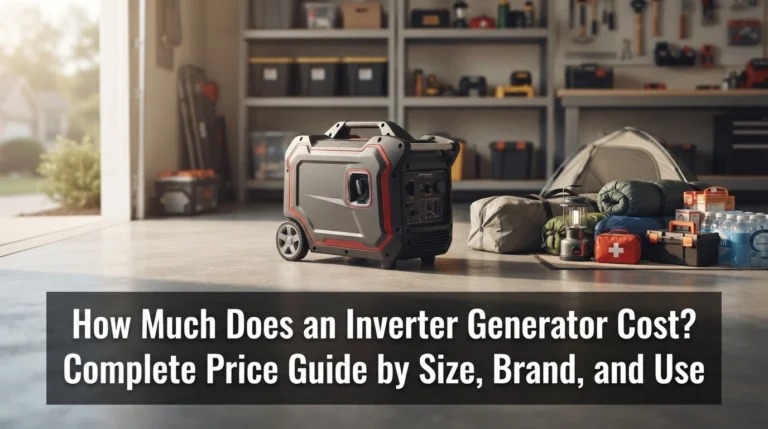
A 2000-watt inverter generator typically costs $400 to $1,200 as of 2026. Most solid mid-range models sit between $550 and $900, while premium quiet models can reach $1,200 or more. Plan around 1,600 to 1,800 running watts, not the headline 2,000 watts. Before you buy, check what to look for in an inverter generator so you compare noise, runtime, and outlets, not price alone.
What the price usually means
- Budget, $400-$650: Lighter build and basic outlets, fine for occasional camping and phone, light, and small-device loads.
- Mid-range, $650-$900: Quieter running, longer runtime in eco mode, and better outlets for a fridge, CPAP, and RV use.
- Premium, $900-$1,200+: Lowest noise, strong build quality, longer support, and steadier power for sensitive electronics.
- Running watts rule: A 2,000-watt label is starting watts, so your steady load limit is lower.
- Total cost counts: Fuel, oil, a cord, a cover, and a parallel kit can add $100 to $300 in year one.
Buy smart in 30 seconds
- Add up running watts for the loads you will run at the same time.
- Pick parallel capability if you may need more power later.
- Compare noise and runtime at part load, not only at full load.
I have run 2000-watt inverter generators through outages, campsites, and RV stops, and portable power at this size is all about balance. You get quiet, clean power you can carry with one hand, but you must respect its limits.
This guide goes deeper than a single price. You will see 2026 price tiers, what drives the gap between a $450 model and a $1,100 model, what a 2000-watt unit can run, and the hidden costs buyers miss.
In This Guide
- How Much Does a 2000-Watt Inverter Generator Cost in 2026?
- What Is a 2000-Watt Inverter Generator, Exactly?
- Why Do 2000-Watt Inverter Generators Cost So Much More Than Conventional Models?
- 2000-Watt Inverter Generator Prices by Brand and Tier
- What Can a 2000-Watt Inverter Generator Run?
- What Are the Hidden Costs of Owning One?
- How Do You Choose the Best Value 2000-Watt Inverter Generator?
- Frequently Asked Questions
- Final Takeaway: Spend for Quiet Power You Will Actually Use
How Much Does a 2000-Watt Inverter Generator Cost in 2026?
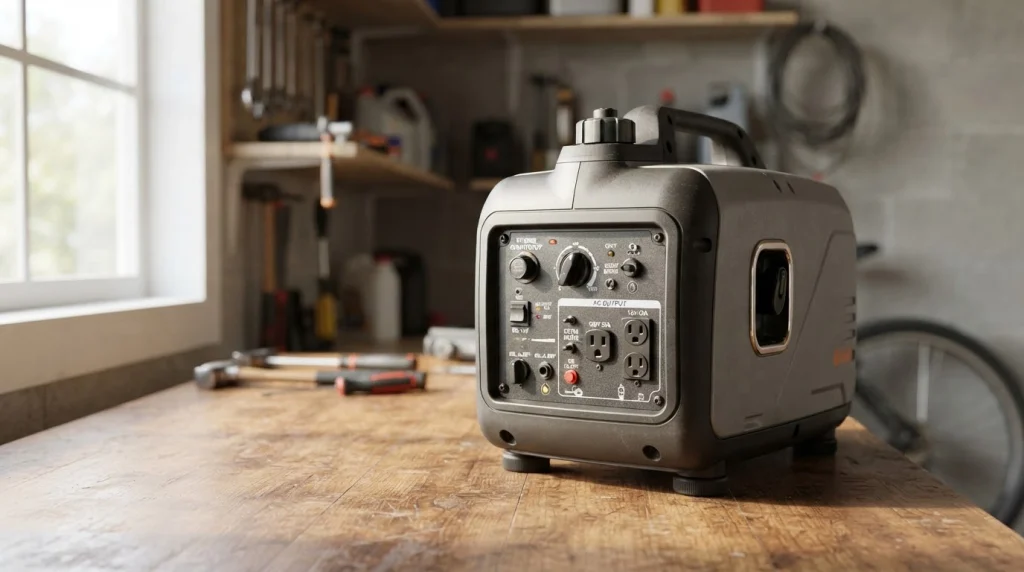
A 2000-watt inverter generator costs $400 to $1,200 for most models as of 2026. Street prices shift with sales, fuel type, and stock, so treat these bands as typical ranges, not fixed quotes.
I see the best value near $600 to $800 for most buyers. That band buys a quiet enclosed model with eco mode, parallel capability, and enough outlets for home backup and camping.
Typical 2000-watt price ranges I see in 2026
Budget models cluster near $400 to $550 during sales. Mid-range models cluster near $600 to $900 at full price.
- Budget: $400 to $650 for basic enclosed inverter models with recoil start and standard 120V outlets.
- Mid-range: $650 to $900 for quieter models with better runtime, USB charging, fuel gauges, and parallel ports.
- Premium: $900 to $1,200 or more for the quietest, lightest, and most proven models with strong dealer support.
- Dual fuel: Add roughly $50 to $150 over a gasoline-only twin for propane capability and added flexibility.
- Bundles: Kits with a parallel cable, cover, or cord can look cheaper, so price each item alone before you decide.
Season matters more than most buyers expect. Prices often dip before camping season and rise during storm season when demand spikes.
Why the same 2000 watts can cost twice as much
The watt label hides the real differences. Noise control, engine quality, inverter design, and support cost money to build and stand behind.
A $450 model and a $1,050 model may share the same headline watts. They rarely share the same noise at camp, the same runtime at light load, or the same ease of starting after months in storage.
Section Takeaway: Budget $600 to $900 for a strong all-round 2000-watt inverter generator, and judge value by running watts, noise, and runtime, not the headline number alone.
What Is a 2000-Watt Inverter Generator, Exactly?
An inverter generator is a portable generator that makes AC power, converts it to DC, then rebuilds it as clean, stable AC power through an inverter. That extra step smooths voltage and frequency, which helps phones, laptops, CPAP machines, and other sensitive electronics run with less risk of damage from rough power.
Most 2000-watt inverter models are suitcase-style units. They weigh roughly 40 to 55 pounds, fit in a car trunk, and suit one-person carry for short moves.
What do running watts vs starting watts mean?
Running watts are the steady power a generator can supply without stopping. Starting watts are the short surge it can supply for a few seconds when a motor starts.
A 2000-watt inverter generator often delivers 1,600 to 1,800 running watts. Check the spec sheet for your model, because the gap between the two numbers decides what you can run at once.
- Step 1: List each load you will run at the same time.
- Step 2: Add running watts for that group.
- Step 3: Add the largest starting surge once, for the motor that starts last.
- Step 4: Keep the total under running watts for steady use, with headroom left over.
That math saved me during a multi-day outage. My fridge, CPAP, lights, and chargers ran fine together, but adding a microwave at the same time tripped the overload and taught me to stagger loads.
What is clean power, THD, and eco mode?
Clean sine wave power means smooth AC output that closely matches grid power. THD, or total harmonic distortion, measures how rough that wave is, and lower is better for electronics.
Eco-throttle, often called economy mode, slows the engine at light loads. It cuts noise and fuel use, though it can lag for a second when a large load starts.
Section Takeaway: A 2000-watt inverter generator is a quiet, portable source of clean power, and its real limit is running watts, so size your loads to that number.
Why Do 2000-Watt Inverter Generators Cost So Much More Than Conventional Models?
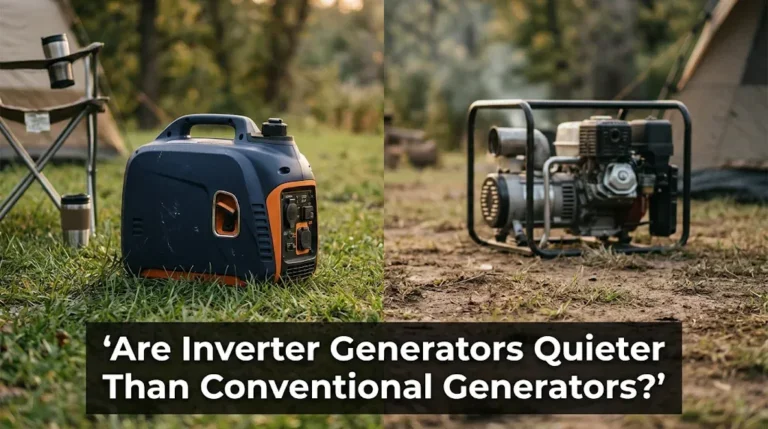
Inverter models cost more because they add an inverter module, a quieter enclosed design, and variable engine speed. A conventional open-frame generator runs at one fixed speed and makes rougher power, so it is cheaper to build.
That gap is real, and it is often worth it for camping, RV use, and electronics. It is less clear for a job site where noise and clean power matter less than raw watts per dollar.
What exactly are you paying for?
- Quieter design: Enclosed cases, mufflers, and slower engine speeds cut noise at camp and at home.
- Cleaner power: Inverter electronics steady voltage and frequency for laptops, phones, and medical devices.
- Better fuel use: Eco mode trims engine speed at light loads, which stretches a small tank.
- Lighter build: Smaller engines and compact cases make one-person carry and trunk storage far easier.
- Parallel capability: Many models link in pairs, so two small units can share a larger load when needed.
For a full side-by-side, read this inverter generator vs regular generator breakdown before you choose. It helps when a cheap conventional model looks tempting on price alone.
Fuel efficiency also shapes long-term cost. The U.S. Department of Energy offers broad guidance on portable power and energy use, and eco mode is where inverter models earn back part of their premium over time.
When does a conventional generator make more sense?
A conventional portable generator can win for heavy tools, welders, and large motor loads. You get more watts per dollar, and rough power matters less for many rugged tools.
It loses for quiet hours, close neighbors, and sensitive electronics. I would not run a laptop, CPAP, or modern furnace controls from a rough open-frame unit without checking the manual first.
Section Takeaway: You pay more for quiet, clean, fuel-sipping power in a light case, and that premium pays off most for camping, RV trips, and home backup with electronics.
2000-Watt Inverter Generator Prices by Brand and Tier
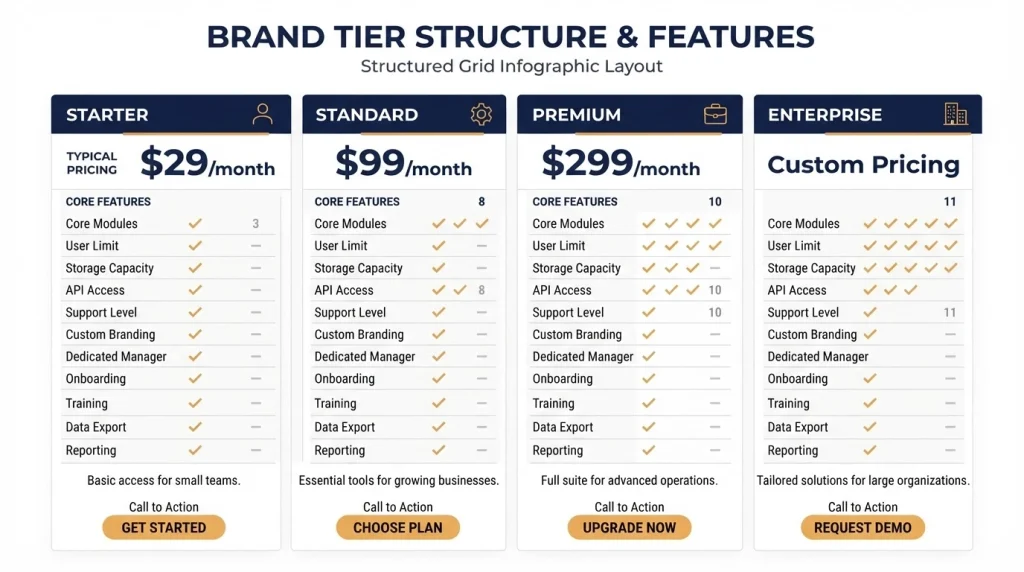
Brand tier explains much of the price gap at 2000 watts. The table below shows typical patterns, not exact model quotes, so check current listings and spec sheets before you buy.
| Price tier | Typical price in 2026 | What you usually get | Best for |
|---|---|---|---|
| Budget | $400-$650 | Basic enclosed inverter, recoil start, standard outlets | Occasional camping and light backup |
| Mid-range | $650-$900 | Quieter running, longer eco runtime, USB and parallel ports | Regular camping, RV use, and outage backup |
| Premium | $900-$1,200+ | Lowest noise, strong build, proven engines, broad support | Frequent use, quiet sites, and long ownership |
Budget brands: where the savings come from
Budget 2000-watt models from brands such as WEN, Pulsar, and Predator often hit the headline watts at a low price. They suit buyers who need backup a few times a year and can accept more noise and simpler controls.
Watch the details that drive daily use. Noise at part load, tank size, oil access, and warranty terms vary more at this tier than the watt label suggests.
Mid-range brands: the sweet spot for most buyers
Mid-range models from Champion, Westinghouse, and similar brands often balance price, noise, and features best. You gain parallel ports, better displays, and steadier eco-mode behavior without paying the full premium.
This is where I point most first-time buyers. You get a unit you will use without dread, and you keep enough budget left for a cord, cover, and fuel care.
Premium brands: Honda and Yamaha
Honda and Yamaha sit at the top for quiet running, build quality, and resale value. Their 2000-watt-class models cost more up front, and owners often keep them for years with steady starting and support.
Compare the full brand field before you lock in a premium pick. Our guide to the best inverter generator brands puts Honda, Yamaha, Champion, Westinghouse, and others side by side by use case.
Section Takeaway: Mid-range models give most buyers the best blend of quiet power and price, while premium models earn their cost through lower noise, longer life, and stronger support.
What Can a 2000-Watt Inverter Generator Run?
A 2000-watt inverter generator can run a fridge, lights, phones, a laptop, and a CPAP at the same time in most cases. It will struggle with a large RV air conditioner, an electric heater, or several motor loads starting at once.
Use the table below as a starting point only. Check the label or manual for each appliance, because real watts vary by size, age, and model.
| Load | Typical running watts | What to plan for |
|---|---|---|
| Refrigerator | 100-200 watts | Allow a larger surge when the compressor starts |
| Chest freezer | 100-200 watts | Stagger starts if you run a fridge and freezer together |
| CPAP machine | 30-90 watts | Heated humidifiers raise the load, so check settings |
| Laptop, phones, and LED lights | 50-200 watts | Easy steady load for clean inverter power |
| Small window AC | 500-1,000 watts | May work alone, but check starting watts first |
| Microwave | 1,000-1,200 watts | Run it alone, with other large loads paused |
| RV air conditioner | 1,200-1,800 watts | Often too much alone, and needs a soft start or parallel pair |
How does a real outage load feel at 2000 watts?
During a three-day outage, I ran a fridge, a CPAP, LED lights, and chargers from a 2000-watt-class unit. The setup stayed calm because I staggered the freezer and paused the microwave while the fridge compressor cycled.
That rhythm is the skill at this size. You trade whole-home power for quiet, light, and fuel-sipping backup that keeps essentials alive.
What will it struggle to run?
- Large AC units: Most RV and central air loads need more starting power than one 2000-watt unit can give.
- Electric heat: Space heaters and water heaters draw steady high watts and drain the budget fast.
- Well pumps and sump pumps: Motor surges can exceed the limit, so check starting watts with care.
- Several motors at once: A fridge, freezer, and pump starting together can trip the overload.
If home backup is your main job, size from your must-run list first. See our guide on generator size for a power outage to match watts to your home before you buy.
Safety note: Run generators outdoors and well away from windows, doors, and vents, and follow the guidance from the Consumer Product Safety Commission on generator placement and carbon monoxide safety.
Section Takeaway: A 2000-watt inverter generator covers essentials with care, but it is not a whole-home unit, so stagger motor loads and size up if air conditioning is a must.
What Are the Hidden Costs of Owning One?
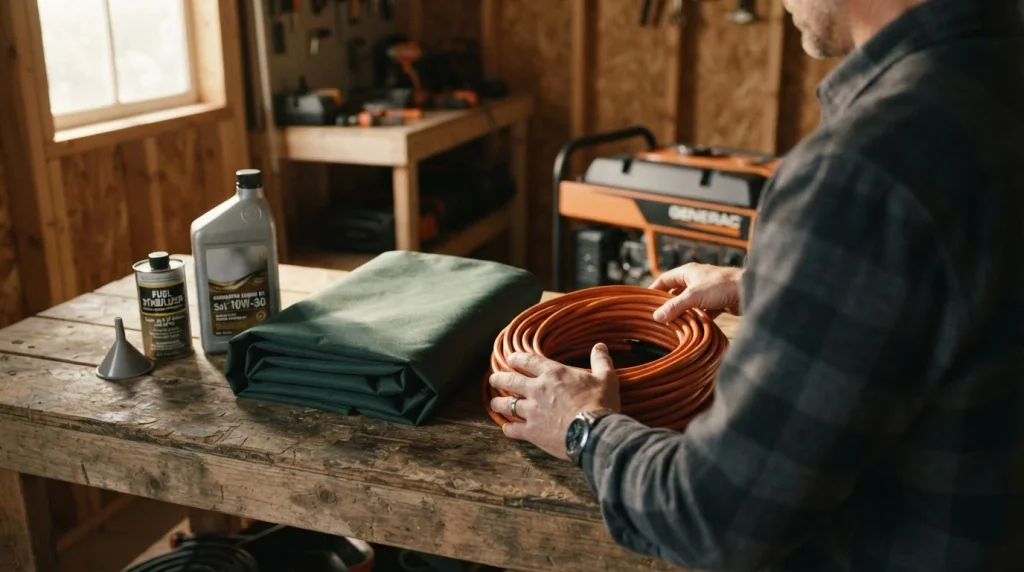
The sticker price is only the start. Fuel, maintenance, cords, storage care, and parallel gear add real cost in the first year, and buyers who skip them often pay more later.
Plan $100 to $300 in year one beyond the generator for a typical setup. Heavy use, propane gear, or a home inlet setup can push that total higher.
Fuel, oil, and upkeep costs
- Fuel: Gasoline use rises with load, and eco mode helps most at light loads.
- Oil and filters: Follow the manual for break-in and oil-change intervals, and keep spare oil on hand.
- Fuel stabilizer: Stale fuel clogs carburetors, so treat stored fuel or drain it per the manual.
- Spark plug and air filter: Small parts cost little, and fresh parts help cold starts after storage.
- Battery care: Electric-start models need battery checks, while recoil models avoid that cost.
Runtime claims need context. A tank may last many hours at one-quarter load in eco mode and far fewer hours at full load, so compare runtime at the same load when you shop.
How much does parallel operation add?
A parallel kit links two matching inverter generators for more power. Kits often cost $50 to $150, and a second generator doubles the purchase cost, so it is a growth path, not a cheap fix.
Parallel power suits RV air conditioning and larger backup loads. If you think you will need it, buy a model with parallel capability from the start, because you cannot add it later to most units.
Cords, covers, and home hookup gear
A heavy-duty outdoor extension cord rated for your load is not optional. Thin cords drop voltage, heat up, and starve motors, so match cord gauge and length to the manual.
A cover helps storage, but never cover a running or hot generator. A transfer switch or interlock kit needs a licensed electrician, and that install cost can exceed the generator price for a full home setup.
Safety note: Never run a generator in a garage, shed, or enclosed space, and review carbon monoxide risks from the Centers for Disease Control and Prevention before your first outage use. Install battery CO alarms in living spaces and test them often.
Section Takeaway: Add fuel, oil, a proper cord, and storage care to your budget, and treat a parallel kit or home hookup as a separate purchase decision, not an afterthought.
How Do You Choose the Best Value 2000-Watt Inverter Generator?
Start with your load list, then match noise, runtime, and outlets to how you will use it. The best value model is the quietest unit that meets your running watts without forcing you into a parallel pair on day one.
Use these steps in order, and do not let a sale price pull you past a unit that misses a must-have feature.
- List must-run loads: Write down the loads you need at the same time, with running watts for each.
- Set a noise limit: Pick a dB target for your campsite or neighborhood, and compare ratings at the same distance.
- Check runtime at part load: Compare hours at one-quarter load in eco mode, not only at full load.
- Confirm outlets: Check 120V outlets, USB ports, and any 30A RV outlet you need for your setup.
- Confirm parallel ports: Buy parallel capability now if growth is likely, since most units cannot add it later.
Which specs matter most at 2000 watts?
- Running watts: This is your steady limit, so size to it with headroom.
- Noise rating: A few dB matter a lot at camp, so compare like-for-like ratings.
- Runtime and tank size: Larger tanks cut refills, but add weight and fuel storage needs.
- Weight and handles: A 50-pound unit feels different after a long walk to a campsite.
- Warranty and support: Clear warranty terms and parts access matter when a unit will not start.
When should you pay more, and when should you save?
Pay more for quiet running, proven starting, and long ownership. I have regretted saving $150 on a loud unit far more than paying extra for one my neighbors never noticed.
Save when use is rare and loads are light. A budget model can serve a few camping trips a year well, if you accept more noise and simpler controls.
Premium pricing is a fair question at this size. Read whether Honda inverter generators are worth the money to see when the top tier earns its price and when a mid-range model is the smarter buy.
For independent buying checks, Consumer Reports offers broad generator buying guidance that pairs well with hands-on reviews and owner feedback. Cross-check noise, reliability, and warranty notes before you commit.
Section Takeaway: Match running watts to your must-run loads, buy quiet and parallel-ready if you can, and let use frequency decide whether budget, mid-range, or premium is the true value pick.
Frequently Asked Questions
How much should I pay for a good 2000-watt inverter generator?
Most buyers should budget $600 to $900 for a good 2000-watt inverter generator in 2026. That range buys quiet enclosed power, eco mode, parallel ports, and enough outlets for camping, RV use, and basic home backup.
Is 2000 watts enough for home backup?
It is enough for essentials, not for a whole home. A 2000-watt unit can run a fridge, lights, chargers, and a CPAP with care, but it will not run central air, electric heat, and several motor loads at once.
Can a 2000-watt inverter generator run a refrigerator and freezer together?
Yes, in many cases, if you stagger their starts and keep other large loads paused. Each unit often draws 100 to 200 running watts, but compressor surges can trip the overload when both start at the same moment.
Why is Honda so much more expensive than other 2000-watt models?
Honda charges more for quiet running, proven engine quality, tight build, and broad dealer support. Buyers also value strong resale and long service life, though mid-range brands now close much of the gap for occasional use.
Can I parallel two 2000-watt inverter generators?
Yes, if both models support parallel operation and you use the correct parallel kit for that brand. Two units share the load and can run larger RV air conditioners, but the pair costs twice as much plus the kit.
How long will a 2000-watt inverter generator run on a tank of gas?
Runtime varies by tank size, load, and eco mode, so check the spec sheet for your model. Many units run far longer at one-quarter load in eco mode than at full load, which is why part-load runtime is the fair comparison.
Final Takeaway: Spend for Quiet Power You Will Actually Use
A 2000-watt inverter generator costs $400 to $1,200 in 2026, and the right price depends on noise, runtime, and running watts. Most buyers land best near $600 to $900, with parallel capability and a proper cord in the plan.
List your must-run loads, size to running watts, and choose the quietest model you can afford. That choice keeps outages calmer, campsites friendlier, and your generator ready when you need it most.

Hi, I’m Michael Turner. I own a generator workshop in the United States and founded HomeGeneratorBlog to share practical, hands-on guidance about generator installation, maintenance, troubleshooting, safety, and backup power solutions. My goal is to help homeowners make smarter, more confident decisions through clear and reliable information