How Much Does a 3000-Watt Inverter Generator Cost? Prices, Tiers, and Total Ownership Costs
Quick Answer
A 3000-watt inverter generator typically costs $700 to $2,400 in 2026, and most buyers land between $850 and $1,500 for dependable portable power. That headline number usually means starting watts, not running watts, so check the running-watts rating before you compare prices. Premium quiet models cost more upfront, while budget models can cost more later in fuel, noise, and shorter life. Start with proven 3000-watt portable generators to see how size, fuel type, and features change the price.
What to expect by price tier
- Budget, $700 to $950: Expect open-frame or basic enclosed models with recoil start and fewer outlets.
- Mid-range, $950 to $1,500: Expect quieter enclosed models with better fuel economy, cleaner power, and stronger warranties.
- Premium, $1,800 to $2,400: Expect top-tier quiet operation, proven engines, and dealer support that holds value over time.
- Dual fuel adds $100 to $300: Propane gives you longer fuel storage and cleaner starts after months in the garage.
- Running watts decide value: A cheaper unit with fewer running watts can cost you more once an air conditioner or fridge compressor kicks in.
Quick buying rule
- Compare running watts first, then noise, runtime, and warranty.
- Add $150 to $400 for cords, oil, fuel storage, and a cover before you judge the total.
- Size for the loads you will run together, not for every appliance in the house.
I have tested inverter generators through outages, RV trips, and job sites where one wrong size choice meant a tripped overload in the middle of the night. This guide goes past the sticker price to show what a 3000-watt unit costs to buy, fuel, and keep running.
You will see the full cost picture, not just the sticker price. By the end, you will know what to pay, what to skip, and when a bigger unit or a parallel pair makes more sense.
In This Guide
- How Much Does a 3000-Watt Inverter Generator Cost in 2026?
- What Does 3000 Watts Mean in Real Use?
- What Drives the Price Up or Down?
- 3000-Watt Inverter vs Conventional vs Dual Fuel: Which Costs Less Over Time?
- What Can a 3000-Watt Inverter Generator Run?
- What Are the Hidden and Ongoing Costs?
- Is a 3000-Watt Inverter Generator Worth It, and How Do You Get the Best Price?
- Frequently Asked Questions About 3000-Watt Inverter Generator Costs
- Final Takeaway: Buy Running Watts, Not Just the Headline Number
How Much Does a 3000-Watt Inverter Generator Cost in 2026?

Most 3000-watt inverter generators cost $700 to $2,400 as of 2026, with the sweet spot for home backup and RV use sitting between $850 and $1,500. Budget models cluster under $950, mid-range enclosed models dominate the middle, and premium brands command $1,800 or more.
Prices move with season and retailer, so the same unit can swing $100 to $300 between a spring sale and a storm-week spike. I track the running-watts rating and the out-the-door total, not the headline watts on the box.
Typical 3000-Watt Inverter Generator Prices by Tier
Use this table to anchor your budget before you fall for a single sale price.
| Tier | Typical price in 2026 | Running watts you often see | What you usually get |
|---|---|---|---|
| Budget open-frame inverter | $700 to $950 | 2,600 to 2,800 watts | Recoil start, basic outlets, louder enclosure |
| Mid-range enclosed inverter | $950 to $1,500 | 2,600 to 2,800 watts | Quieter case, eco-mode, parallel ports, better warranty |
| Premium enclosed inverter | $1,800 to $2,400 | 2,600 to 3,000 watts | Quietest operation, proven engine, strong dealer support |
| Dual-fuel mid-range inverter | $1,050 to $1,700 | 2,600 to 2,800 watts on gasoline | Gasoline plus propane, longer fuel storage, slightly lower propane output |
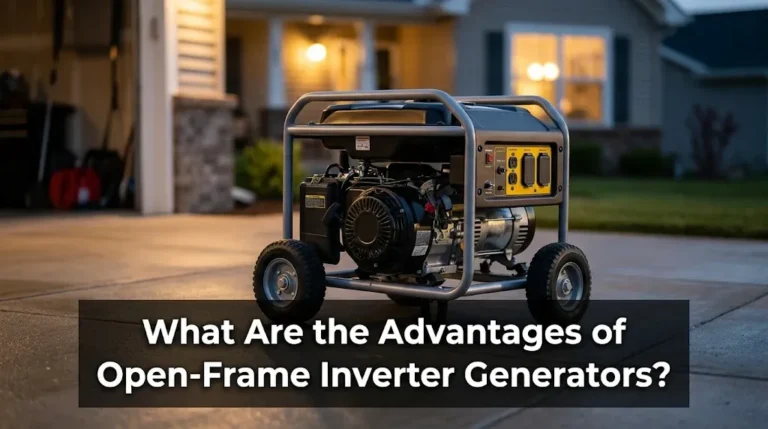
Open-frame inverter models often cost less than enclosed suitcase models at the same wattage. You trade some quiet operation for a lower price and easier access for service.
Why Do Two 3000-Watt Models Cost $1,000 Apart?
The gap rarely comes from watts alone. It comes from the engine, the enclosure, the inverter module, and the support behind the sale.
- Engine quality: Proven engines start easier, hold speed under load, and last longer with basic care.
- Noise control: Thicker cases, better mufflers, and slower engine speeds cost more to build.
- Power quality: Lower total harmonic distortion protects laptops, CPAP machines, and modern furnace controls.
- Features: Electric start, remote start, fuel gauges, and parallel ports each add cost.
- Support: Longer warranties and local parts access raise the price and lower the risk.
I once compared two units with the same headline watts and found a 200-watt gap in running watts. That gap decided whether a window air conditioner would start cleanly on a hot afternoon.
Section Takeaway: Budget $850 to $1,500 for a solid 3000-watt inverter generator in 2026, and judge every deal by running watts and total cost. A low sticker price stops looking cheap once you add noise, fuel use, and missing features.
What Does 3000 Watts Mean in Real Use?
A 3000-watt label almost always means starting watts, which is the brief surge a motor needs to start. Running watts tell you what the generator can sustain, and most 3000-watt models deliver 2,600 to 2,800 running watts.
An inverter generator is a portable generator that creates clean, stable power by turning engine output into direct current and then back into alternating current. That extra step lets the engine slow down under light loads, which cuts noise and saves fuel.
Running Watts vs Starting Watts, Explained Simply
Running watts power your loads minute after minute. Starting watts cover the short spike when a compressor or motor first kicks on.
- Running watts: Use this number for every load you plan to run at the same time.
- Starting watts: Use this number only for the largest motor starting at that moment.
- Clean sine wave: This smooth power shape suits phones, laptops, and medical devices better than rough power.
- Total harmonic distortion (THD): Lower THD means cleaner power, and inverter models typically stay under 3 percent.
Eco-mode, also called economy mode, lets the engine idle down when loads drop. You save fuel at light loads, but heavy motor starts still need full engine speed.
How Do You Read the Spec Sheet in 60 Seconds?
- Find running watts first and write that number down.
- Find starting watts next and note the gap between the two ratings.
- Check THD, noise rating, runtime at 25 percent load, and tank size.
- Confirm outlets, parallel capability, and whether the unit runs on gasoline only or dual fuel.
On an RV trip, a 3000-watt unit ran lights and a fridge with ease but surged hard when the roof air conditioner cycled on. The fix was simple once I did the math: I staggered the air conditioner start and kept other heavy loads off for a few seconds.
That lesson shapes how I shop now. I want headroom of 10 to 20 percent above my planned running load, not a unit that lives at its limit.
Section Takeaway: Shop by running watts, not headline watts, and leave headroom for motor starts. A 3000-watt label means little until you know the sustained rating behind it.
What Drives the Price Up or Down?
How a unit is built and how quietly it runs move the price more than watts alone. A quiet, dual-fuel, electric-start model from a proven brand can cost twice as much as a basic recoil-start unit.
Start with a clear checklist of must-have features before you compare sale prices. This guide to what to look for in an inverter generator helps you weigh noise, outlets, and safety features side by side.
- Brand and engine: Honda, Yamaha, Champion, Westinghouse, WEN, Generac, DuroMax, Predator, and Pulsar sit at different price points for a reason.
- Enclosed vs open-frame: Enclosed cases cost more and run quieter, while open frames cost less and cool faster.
- Dual fuel: Propane capability adds a regulator, hose, and controls, plus longer fuel storage.
- Start type: Recoil start costs least, electric start adds a battery and charger, and remote start adds the most.
- Noise rating: Quieter models need better insulation and muffling, so expect to pay for campsite-friendly sound.
- Outlets and parallel ports: A 30-amp RV outlet, GFCI outlets, USB ports, and parallel capability each add value.
- Warranty and parts: A three-year warranty with local service beats a short warranty with slow parts support.
Which Upgrades Are Worth Paying For?
Pay for quiet operation and clean power if you run electronics, a CPAP machine, or a furnace blower. Skip remote start if you store the unit close by and start it by hand with ease.
- Worth it: CO shutoff, low-oil shutdown, and overload protection protect people and the engine.
- Worth it: Parallel capability lets two smaller units join forces when your needs grow.
- Often worth it: Dual fuel pays off when gasoline goes stale or propane stores better in your climate.
- Skip if tight on budget: Fancy displays and app controls help, but they never replace running watts.
Emissions rules also shape price, since compliant engines and fuel systems cost more to certify and build for states with strict standards. Check current guidance from the Environmental Protection Agency if you buy in a state with strict emissions rules.
I weigh noise and fuel economy heavily because I use generators near neighbors and sleeping family members. A louder bargain loses its charm fast at 10 at night.
Section Takeaway: Pay for running watts, quiet operation, clean power, and safety shutoffs first. Treat remote start and app features as bonuses, not reasons to stretch your budget.
3000-Watt Inverter vs Conventional vs Dual Fuel: Which Costs Less Over Time?
An inverter generator costs more upfront than a conventional generator, but it often costs less to run thanks to eco-mode and lower fuel use at light loads. Dual-fuel inverter models cost more to buy and give you fuel choice, which can save money when gasoline prices spike or storage matters.
The core difference sits in how each type makes power and holds voltage under load. See how an inverter generator differs from a conventional generator to compare power quality, noise, and fuel use in plain terms.
| Type | Typical upfront cost | Fuel use at light loads | Power quality | Noise | Best for |
|---|---|---|---|---|---|
| 3000-watt inverter, gasoline | $700 to $2,400 | Lower with eco-mode | Clean, low THD | Quietest | Home backup, RV, camping, electronics |
| 3000-watt conventional open-frame | $400 to $900 | Higher at light loads | Rougher, higher THD | Louder | Power tools, job sites, basic loads |
| 3000-watt dual-fuel inverter | $1,050 to $1,700 | Lower on gasoline, steady on propane | Clean, low THD | Quiet | Outages, RV use, long fuel storage |
| Portable power station, solar generator | $800 to $2,500 or more | No fuel, needs charging | Clean, low THD | Silent | Light loads, indoor use, short outages |
Prices are typical 2026 retail ranges and vary by brand and retailer. Check the spec sheet for running watts, THD, and runtime before you compare models.
How Do You Compare Total Cost, Not Just Sticker Price?
Add fuel, oil, and accessories to the sticker price before you pick a winner. A thirsty conventional unit can erase its upfront savings during a long outage.
- Weekend outage example: A unit that sips fuel at quarter load needs fewer refills than one that runs full speed all day.
- Fuel storage: Propane stores for years, while gasoline needs stabilizer and rotation to avoid stale-fuel carburetor clogs.
- Noise cost: A loud unit can limit where and when you run it, which cuts its value at campsites and in neighborhoods.
- Repair cost: A clogged carburetor from stale fuel can cost more in time and shop fees than a season of stabilizer.
Home backup planning also shapes cost, since safe hookups and load choices decide how much generator you need. The Department of Energy offers broad backup-power guidance that pairs well with a careful load list.
Safety note: Run every fuel-burning generator outdoors and well away from windows, doors, and vents, and never run one in a garage, even with the door open.
Section Takeaway: Inverter models win on fuel use, noise, and clean power for most home and RV loads. Conventional models win only when upfront price matters most and loads stay basic.
What Can a 3000-Watt Inverter Generator Run?
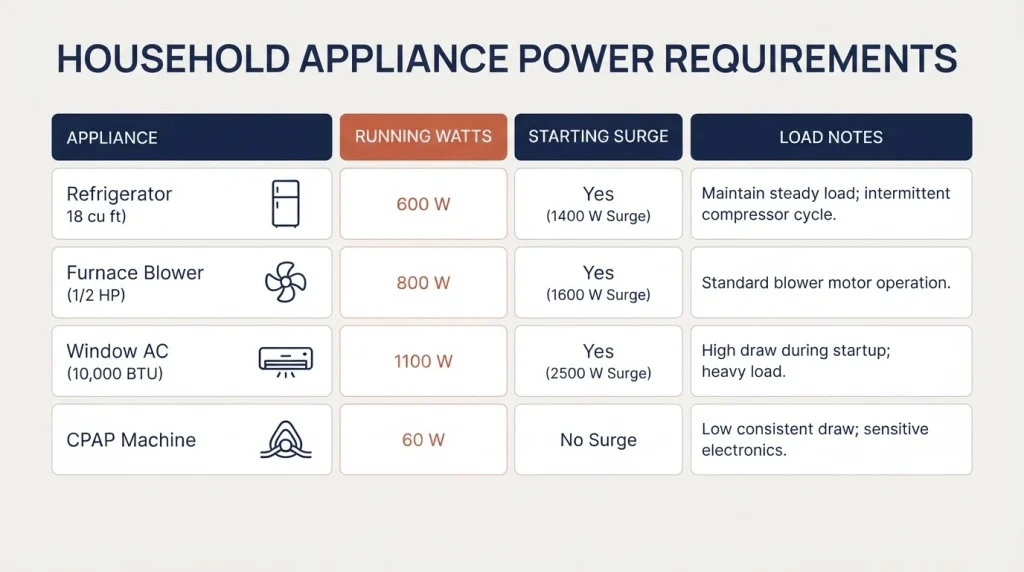
A 3000-watt inverter generator can run home essentials plus one large motor with careful load order. It cannot run a whole house at once, and it will struggle if you start two large motors together.
Your nameplate ratings decide the truth, so check each appliance label before you trust a chart. Use the table below as a starting point, then add up your own running watts.
| Appliance or load | Typical running watts | Starting surge | Notes |
|---|---|---|---|
| Refrigerator | 150 to 250 watts | Moderate | Cycles on and off, so plan for the start spike |
| Chest freezer | 100 to 200 watts | Moderate | Similar cycling pattern to a fridge |
| Furnace blower, gas furnace | 400 to 900 watts | Moderate | Check the blower rating and controls |
| Window air conditioner, small | 500 to 1,000 watts | High | Start it alone, then add light loads |
| RV air conditioner | 1,200 to 1,700 watts | High | May need a soft start or careful load order |
| CPAP machine | 30 to 90 watts | Low | Add more if you use a heated humidifier |
| Sump pump | 800 to 1,200 watts | High | Needs headroom for each start cycle |
| Microwave | 1,000 to 1,500 watts | Low | Run it alone on a 3000-watt unit |
| Laptops and phones | 50 to 150 watts combined | Low | Easy loads for any inverter model |
| Circular saw or drill | 800 to 1,400 watts | Moderate | Watch for overloads under heavy cuts |
Add running watts for loads that run together, then add the largest starting surge on top. Keep the total under your running-watts rating with room to spare.
A Realistic Outage Load Plan for 3000 Watts
- Start the generator with no loads plugged in and let it warm up briefly.
- Plug in the fridge first and let the compressor settle.
- Add lights, phones, and the CPAP machine next.
- Start the air conditioner or sump pump alone, with other heavy loads paused.
- Rotate the microwave or power tools in one at a time, never together.
During a multi-day outage, I ran a fridge, a CPAP machine, lights, and phone charging on a 3000-watt-class unit without an overload. The key was order: I never let the fridge compressor and a window air conditioner start in the same minute.
Sizing gets easier when you match the generator to the outage, not to the whole house. Use this guide to generator size for a power outage to build your load list before you buy.
What Will a 3000-Watt Generator Struggle With?
- Central air: Most central systems need far more starting power than a 3000-watt unit can give.
- Electric water heaters: These draw heavy, steady loads that leave little room for other needs.
- Electric ranges and dryers: High-watt heating loads belong on larger generators or standby systems.
- Well pumps: Deep well pumps often surge hard and need a larger unit with strong starting watts.
Section Takeaway: A 3000-watt inverter generator covers essentials and one large motor at a time. It rewards careful load order and punishes guesswork.
What Are the Hidden and Ongoing Costs?
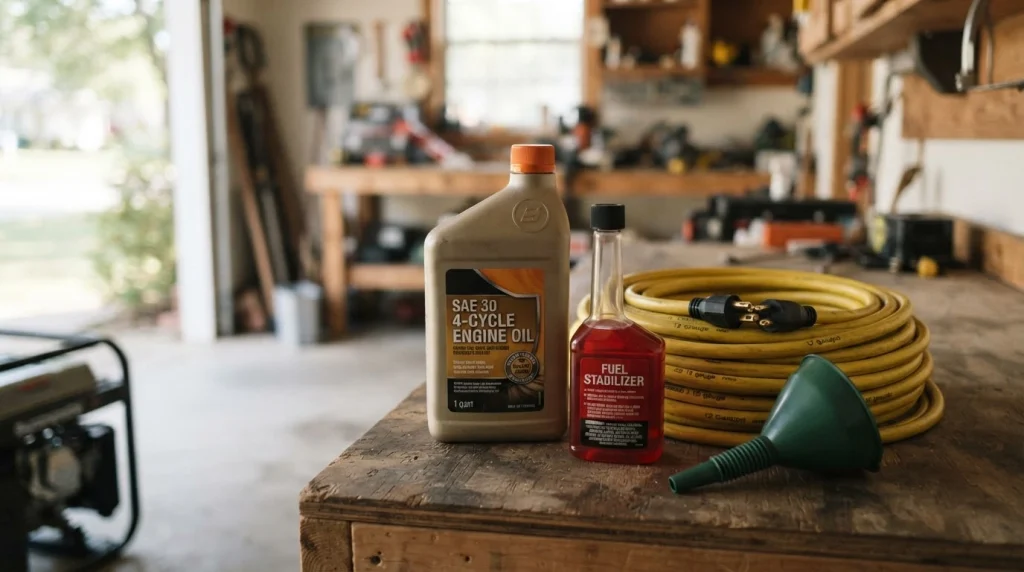
Plan on $150 to $600 or more in first-year extras beyond the generator itself, depending on hookups and fuel storage. Fuel and safe hookups make up most of that gap.
I budget these costs before I shop, so a sale price never tricks me into an incomplete setup. A generator without the right cord or inlet box stays in the garage when the lights go out.
- Fuel: Gasoline and propane costs vary by region, and eco-mode stretches each tank at light loads.
- Fuel storage: Approved gas cans, stabilizer, and propane tanks add $40 to $150 to your first setup.
- Oil and filters: Break-in oil changes come early, and later changes follow your manual, not a guess.
- Extension cords: Heavy-duty outdoor cords rated for your load cost more than thin indoor cords and stay safer.
- Home hookup: An inlet box, interlock kit, or transfer switch plus electrician labor can add hundreds of dollars.
- Parallel kit: A kit to join two units typically adds $60 to $150 when you want more power later.
- Cover and security: A fitted cover, chain, and CO alarms protect the unit and the people near it.
How Much Do Fuel and Maintenance Cost Over Time?
Fuel dominates running costs, so runtime at quarter load matters more than tank size alone. Check the spec sheet for runtime at 25 percent and 50 percent load, then compare units at the same load.
Stale fuel causes many hard starts and surging complaints I hear from new owners. Fresh fuel, stabilizer, and regular exercise runs keep the carburetor clear and the battery charged.
- Break-in: Follow your manual for the first oil change and initial load limits.
- Oil checks: Check oil before each use and change it on the schedule in your manual.
- Air filter and spark plug: Inspect both on the manual schedule, more often in dusty job-site use.
- Storage: Drain or stabilize fuel, run the carburetor dry if your manual calls for it, and store the unit dry.
What Do Safe Home Hookups Cost?
Extension cords cost least and suit a few essential loads plugged in directly. A transfer switch, generator inlet, or interlock kit costs more and powers chosen circuits with less cord clutter.
- Extension cords: Lowest cost, best for a few loads plugged in directly with heavy-duty outdoor cords.
- Inlet box plus interlock: Mid cost, powers chosen circuits through your panel with backfeed protection.
- Transfer switch: Highest cost, cleanest setup for circuits you use in every outage.
A transfer switch or interlock prevents backfeed, which can harm utility workers and damage your home wiring. Have a licensed electrician install the device and review current guidance from the Consumer Product Safety Commission.
Safety note: Use a transfer switch or interlock installed by a licensed electrician for any home-circuit hookup, and never plug a generator into a wall outlet. Run the unit outdoors and well away from windows, doors, and vents, with working CO alarms inside, and review carbon monoxide guidance from the Centers for Disease Control and Prevention.
Section Takeaway: The true cost of a 3000-watt inverter generator includes fuel, maintenance, cords, and safe hookups. Budget for the full setup, not just the box.
Is a 3000-Watt Inverter Generator Worth It, and How Do You Get the Best Price?
Yes, for most buyers who need essentials plus one large motor, a 3000-watt inverter generator hits a smart balance of power, weight, and price. It falls short for whole-home backup and heavy shop loads, where a larger unit makes more sense.
Value depends on how often you use it and what you plug into it. This breakdown of whether inverter generators are worth the extra cost helps you weigh quiet operation and fuel savings against the higher sticker price.
Who Should Buy 3000 Watts, and Who Should Size Up or Down?
- Buy 3000 watts if: You need home essentials, RV power, or camping power in one portable unit. You value quiet operation and clean power for electronics.
- Size down or parallel-pair if: You camp light and want the lightest carry, or you want two 2000-watt units for flexible power.
- Size up if: You run central air, a well pump, or several large motors at once. A 4500-watt or larger unit gives you the headroom to start loads with ease.
Brand choice shapes long-term value through engine life, parts access, and warranty service. Compare the best inverter generator brands before you let one sale price decide for you.
How Do You Get the Best Price Without Buying the Wrong Generator?
- List your must-run loads and add running watts with headroom.
- Compare running watts, THD, noise, and runtime at the same load.
- Check warranty length, service access, and parts availability.
- Price the full setup, including cords, fuel storage, oil, and hookup hardware.
- Shop seasonal sales and compare total cost, not headline watts alone.
- Test the unit at home with your real loads during the return window.
Independent testing and owner feedback reveal noise, starting ease, and fuel use that spec sheets hide. Check Consumer Reports for current generator testing notes before you finalize a shortlist.
My costliest mistake was buying on headline watts alone and learning the running-watts gap during a storm. Now I compare the spec sheet line by line and keep the receipt until a full load test passes.
Used and open-box units can save money, but they can also hide stale fuel, worn parts, or a voided warranty. Inspect the oil, air filter, and outlets, start the unit under load, and ask for the manual and service history.
- Missing manual: No manual often means no service history and unclear break-in care.
- Stale fuel smell: Varnish odors and hard starts point to carburetor trouble.
- No load test: A seller who will not run the unit under load is hiding a fault.
Section Takeaway: A 3000-watt inverter generator earns its price when it matches your real loads and runs often enough to justify clean, quiet power. Buy running watts and support, not just a low sale price.
Frequently Asked Questions About 3000-Watt Inverter Generator Costs
These answers cover the cost questions I hear most from first-time buyers. Use them to sanity-check a deal before you buy.
How much should I pay for a good 3000-watt inverter generator?
Plan on $850 to $1,500 for a good mid-range model with solid running watts and a useful warranty. Premium models cost $1,800 to $2,400, while budget models under $850 can work for light, occasional use.
Why are premium 3000-watt inverter generators so expensive?
Premium models cost more to build, with proven engines and stronger dealer support behind each sale. You pay for quieter operation and cleaner power in a unit that holds value through years of regular use.
Is a 3000-watt inverter generator enough for an RV air conditioner?
Often yes, for a single small to mid-size RV air conditioner, if you start it alone and keep other heavy loads off. Check the air conditioner nameplate and the generator running watts, and consider a soft start if starts trip the overload.
Does a dual-fuel 3000-watt inverter generator cost more to run?
Dual-fuel models cost $100 to $300 more to buy, and propane often delivers slightly less power than gasoline on the same unit. Propane can still save money over time through longer storage life and fewer stale-fuel repairs.
How long will a 3000-watt inverter generator run on a tank of gas?
Runtime varies widely by load and eco-mode, so check the spec sheet at 25 percent and 50 percent load. Many models run a full workday at light loads and far fewer hours at heavy loads, so compare units at the same load.
Is it cheaper to buy two 2000-watt generators with a parallel kit?
Two smaller units plus a kit can cost more upfront than one 3000-watt unit, but they offer lighter carries and flexible power. Choose the parallel pair if you value portability and backup, and choose the single unit if you want the lowest total cost.
Final Takeaway: Buy Running Watts, Not Just the Headline Number
A 3000-watt inverter generator typically costs $700 to $2,400 in 2026, and most buyers get the best value between $850 and $1,500. That range buys quiet, clean portable power when you match running watts to real loads.
Start with your load list and compare spec sheets at the same loads. Leave headroom for motor starts and plan for safe outdoor placement.
- Compare: Running watts, THD, noise, runtime, and warranty.
- Budget: Fuel, oil, cords, storage, and safe hookup hardware.
- Test: Run your real loads during the return window and keep the manual close.
Buy the unit that covers your must-run loads with room to spare, not the cheapest box with 3000 on the label. That choice costs a little more today and pays you back every time the power goes out.

Hi, I’m Michael Turner. I own a generator workshop in the United States and founded HomeGeneratorBlog to share practical, hands-on guidance about generator installation, maintenance, troubleshooting, safety, and backup power solutions. My goal is to help homeowners make smarter, more confident decisions through clear and reliable information