
How a Generator Cover Protects Your Generator
Quick Answer
A generator cover helps protect your generator from rain, dust, sunlight, leaves, and other environmental exposure that can contribute to corrosion, contamination, and premature wear. Its protection depends on the cover’s design and intended use: an ordinary storage cover belongs on a switched-off, cool generator, while operation requires protection specifically designed and approved for running use. A cover must never compromise cooling airflow, exhaust clearance, or electrical safety.
What Does a Generator Cover Actually Protect Against?
A generator cover acts as a barrier between the equipment and its surroundings. Depending on its material, fit, and design, it can reduce exposure to moisture, airborne dirt, sunlight, falling debris, and other conditions that gradually affect an outdoor machine.
The protection is most useful when a generator spends long periods outside between power outages. Even when the engine is switched off, the frame, control panel, electrical connections, and exposed metal surfaces remain vulnerable to the environment.
- Rain and splashing water: A suitable weather-resistant cover sheds water away from exposed surfaces and helps limit direct wetting.
- Dust and airborne debris: Fabric barriers can reduce the amount of dirt, pollen, leaves, and similar material reaching controls and openings.
- Sunlight: UV-resistant material can reduce direct sunlight exposure and help protect vulnerable exterior surfaces.
- Windblown particles: A properly fitted cover can limit debris reaching the generator, although it cannot seal every opening.
- Light environmental contamination: A cover may reduce exposure to bird droppings, tree residue, and other deposits that require cleaning.
A cover does not make a generator waterproof under every condition. Wind-driven rain can enter through seams and openings, and flooding can overwhelm ordinary weather protection. The generator’s own enclosure, its condition, and the cover’s limitations still matter.
How Does a Cover Help Prevent Rust and Corrosion?
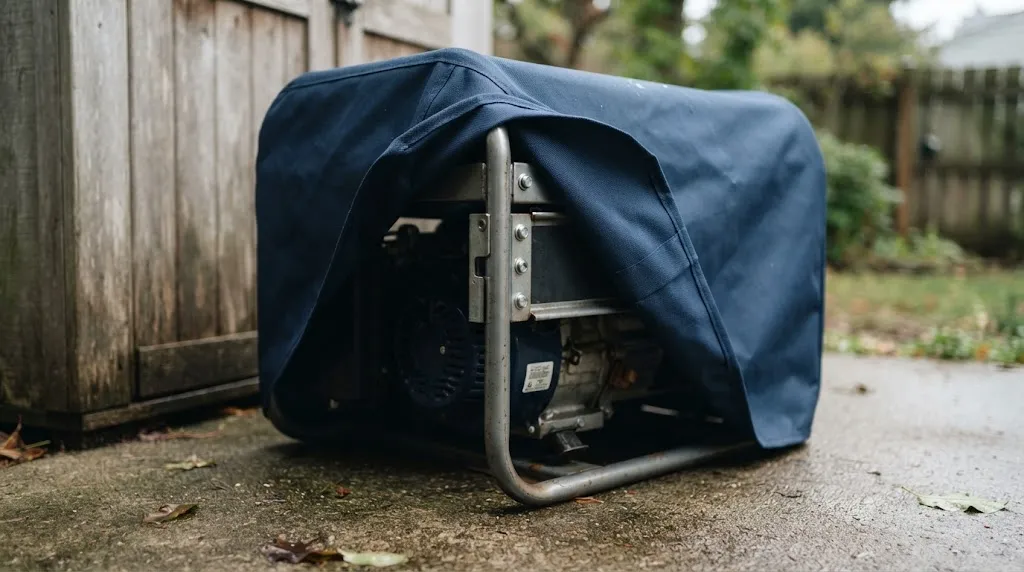
A generator cover can help slow corrosion by reducing direct contact with rain, condensation from surrounding conditions, and moisture-laden debris. This is particularly helpful for exposed steel frames, fasteners, brackets, and other metal surfaces.
Corrosion develops when susceptible metal reacts with its environment. Water and oxygen are central to ordinary rust formation, while salts and other contaminants can make corrosion more aggressive. A cover reduces some exposure but does not eliminate these processes.
For example, a generator stored beneath trees may collect wet leaves around its frame and control-panel area. A fitted cover can limit that accumulation and reduce the time surfaces remain exposed to rain and organic debris.
However, a cover that traps damp air can work against this benefit. Moisture already present on the machine, humidity, and temperature changes can contribute to condensation beneath an impermeable cover.
The practical rule is to cover a clean, dry, cool generator and allow trapped moisture to escape. If the machine or cover becomes wet, inspect it and allow it to dry before prolonged storage. Follow the owner’s manual for any model-specific storage requirements.
How Does a Generator Cover Protect Electrical Components?
A suitable cover helps limit direct exposure of the control panel, switches, outlets, connectors, and other external electrical areas to rain and airborne contamination. Keeping these areas cleaner and drier can reduce some avoidable maintenance problems.
Water around electrical equipment can create a risk of electric shock, damage, or malfunction. The exact level of protection varies by generator design, outlet protection, enclosure construction, and operating conditions.
For that reason, a cover should be treated as an additional protective layer, not as proof that the generator is safe to use in wet weather. The U.S. Consumer Product Safety Commission’s portable-generator safety information discusses rain-resistant enclosures and weather-protected receptacles as features of certain generator safety standards. Those built-in features are not interchangeable with an aftermarket storage cover.
If water has entered the control panel, outlets, or other electrical components, do not assume that drying the exterior makes the generator safe. Keep it out of service until the manufacturer’s instructions or qualified service personnel establish that it can be used safely.
Can a Generator Cover Protect Against Sun, Dust, and Debris?
Yes. A cover can reduce several forms of everyday exposure that may be overlooked when the generator is not running.
Sunlight and UV exposure
Repeated sunlight can fade or degrade some plastics, coatings, fabrics, and rubber materials. A cover made from UV-resistant material can reduce direct exposure to the surfaces it shields. Its effectiveness depends on material quality, coverage, and how long the generator remains outdoors.
The cover itself also experiences sunlight. An inexpensive fabric that becomes brittle, cracks, or loses its water resistance may need replacement even if the generator underneath remains in good condition.
Dust, leaves, and insects
Dust and small debris can collect around air openings, control surfaces, and other accessible areas. Leaves can hold moisture against metal, while insects or small animals may enter openings when equipment sits unused.
A fitted cover can reduce this exposure, but it cannot replace inspection or cleaning. Never stuff fabric into cooling vents or seal openings that the manufacturer expects to remain unobstructed.
Wind and flying debris
Secure fastening helps prevent a cover from blowing away or repeatedly rubbing against the generator. However, a storage cover is not a storm shelter. Strong winds, hail, falling branches, and flying objects can damage both the cover and the equipment.
During severe weather, do not assume a cover makes an exposed generator safe from every hazard. Keep the unit in a suitable location and follow its installation or storage instructions.
Does a Generator Cover Extend Equipment Life?
It can help, but the result is indirect rather than guaranteed. By reducing exposure to dirt, moisture, sunlight, and debris, a suitable cover may help preserve exterior materials and reduce some cleaning and maintenance needs.
The cover cannot prevent ordinary engine wear, fuel deterioration, battery problems, poor maintenance, or damage caused by incorrect operation. Nor can it reverse corrosion or repair an electrical component that has already been damaged.
Think of the cover as one part of a broader storage routine. For example, a generator kept outside for several months may benefit from a dry storage location, a correctly fitted cover, periodic inspection, and the maintenance steps specified in its manual.
If a generator is already protected by a purpose-built outdoor enclosure, an additional fabric cover may offer little benefit and could interfere with ventilation or service access. Check the manufacturer’s instructions before adding one.
How Do You Get the Most Protection From a Generator Cover?
The cover works best when it fits the equipment, suits the intended storage conditions, and is used at the right time.
- Switch off and cool the generator. For ordinary storage covers, wait until the engine and hot components have cooled completely. Never place a storage cover over a running or hot generator.
- Check the generator’s condition. Look for wet surfaces, leaks, damaged wiring, corrosion, and debris. Address problems according to the manual before storing the unit.
- Choose the correct size and design. A cover should fit securely without excessive loose fabric, while allowing any required access and avoiding pressure on controls or connections.
- Confirm the material suits the environment. Consider rain resistance, UV exposure, likely dust levels, and the manufacturer’s storage recommendations.
- Secure the cover properly. Use the supplied straps or fasteners so wind is less likely to dislodge it. Do not attach it in a way that damages the machine.
- Inspect periodically. Check for tears, loose fasteners, water pooling, trapped moisture, and signs of corrosion. After heavy rain or strong winds, inspect the cover and the accessible surrounding area.
- Remove the cover before operation. Follow the startup procedure in the owner’s manual. Check that all required air intakes, cooling paths, exhaust outlets, and controls are unobstructed.
For further guidance on the limits of ordinary coverings, read this guide to using a tarp to cover a generator. It explains why a simple storage barrier is not suitable for covering a running machine.
Why the Wrong Cover Can Cause More Problems
A cover protects equipment only when its design is compatible with the way the generator is being stored or operated. An unsuitable cover can trap moisture, obstruct cooling airflow, contact hot components, or interfere with exhaust discharge.
- Trapped moisture: A tightly sealed cover over a damp generator can slow drying and encourage condensation or corrosion.
- Restricted cooling: Fabric or plastic over air intakes can reduce airflow and cause overheating during operation.
- Heat damage or fire: A storage cover can melt or ignite if it contacts hot engine or exhaust components.
- Unsafe exhaust conditions: A makeshift enclosure can disrupt ventilation and expose people to dangerous exhaust gases.
- False confidence in wet weather: A waterproof-looking cover does not automatically protect electrical parts sufficiently for safe operation in rain.
Warning
Never run a portable fuel-burning generator inside a home, garage, shed, or other enclosed or partly enclosed space to keep it dry. Carbon monoxide can be fatal. The CDC advises operating portable generators outdoors at least 20 feet from doors, windows, and vents. Follow the generator’s specific instructions about rain and electrical-shock hazards.
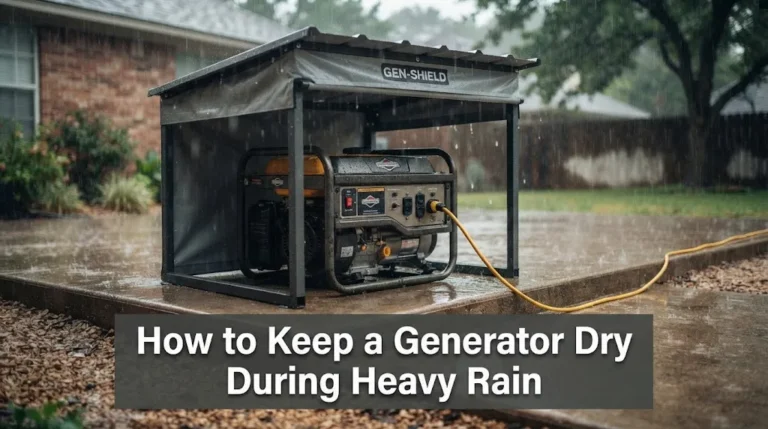
The CDC’s generator safety guidance explains safe placement. If a generator must operate in wet weather, follow the manufacturer’s instructions; use only a purpose-designed running canopy or protective system when permitted for that exact model and situation. Some manufacturers advise waiting until precipitation passes instead.
Storage Cover vs. Running Cover: Which Protection Do You Need?
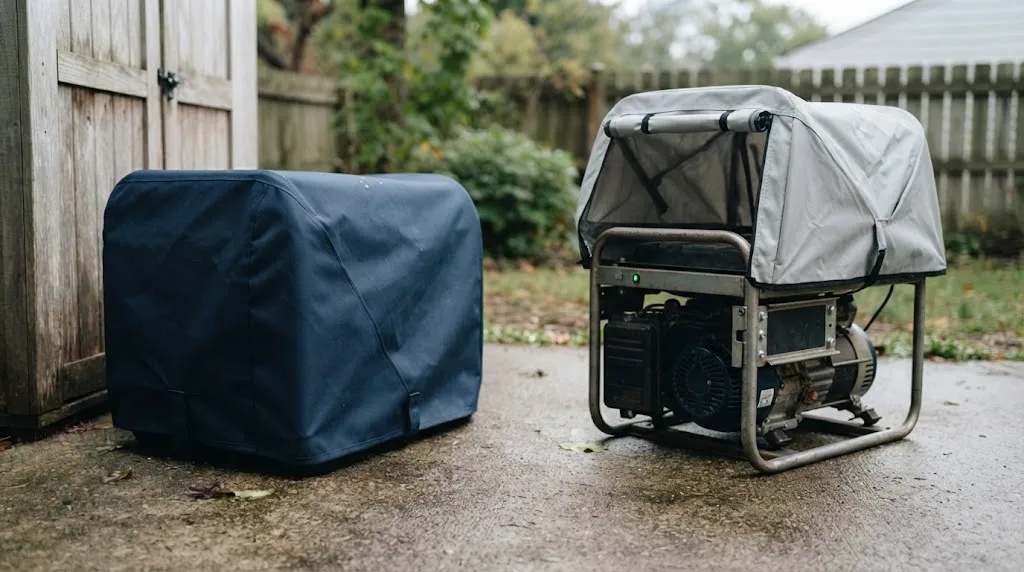
The main difference is whether the generator is switched off or actively producing power. The two cover types serve different purposes and should not be treated as interchangeable.
| Feature | Storage cover | Running cover |
|---|---|---|
| Intended use | Switched-off, cool equipment | Operation only when specifically designed and approved for it |
| Main purpose | Limit dust, sunlight, and weather exposure during storage | Reduce precipitation exposure while preserving required airflow and exhaust clearance |
| Key limitation | Must be removed before starting the generator | Must meet model-specific operating and safety requirements |
A running cover is not automatically safe simply because it is marketed as waterproof or ventilated. Check the exact generator manual and cover instructions, including exhaust clearance, heat resistance, mounting compatibility, and any restrictions on operation during severe weather.
For a generator that remains outdoors between outages, a storage cover may be sufficient for routine protection. If you need power during rain or snow, first determine whether the manufacturer permits operation in those conditions and what protection it specifies.
Related Product
Weather-Resistant Generator Storage Cover
A fitted storage cover can help limit dust, sunlight, and moisture exposure while a compatible generator is switched off and completely cool. Check dimensions and the manufacturer’s storage instructions before choosing one.
As an Amazon Associate, we earn from qualifying purchases.
Frequently Asked Questions
Does a generator cover keep the generator completely waterproof?
No. A cover can reduce direct exposure to rain and moisture, but seams, openings, wind-driven rain, and flooding can still allow water to reach the equipment. Follow the manufacturer’s weather-protection instructions.
Should I cover my generator when it is not in use?
Usually, a suitable storage cover can help protect a switched-off, cool generator kept outdoors. Make sure the machine is dry and the cover does not trap moisture.
Can a generator cover prevent rust?
It can reduce some moisture and contaminant exposure that contributes to corrosion, but it cannot guarantee rust prevention. Inspect metal surfaces regularly and address dampness or existing corrosion.
Can I leave a generator cover on all year?
You may be able to leave a suitable storage cover in place between uses if the manufacturer permits it. Inspect for trapped moisture, material deterioration, loose fasteners, and water pooling, especially after storms.
Does a generator cover protect the battery?
A cover may reduce environmental exposure around an accessible battery compartment, but it cannot prevent battery aging, discharge, or temperature-related problems. Follow the manufacturer’s battery inspection and maintenance instructions.
Can I use a regular generator storage cover while the generator runs?
No. Remove an ordinary storage cover before starting the generator. During operation, use only a protective system specifically designed and approved for that generator and operating conditions, and follow all ventilation, exhaust, and electrical safety instructions.
Conclusion
A generator cover helps protect outdoor equipment by reducing exposure to rain, dust, sunlight, and debris. When correctly fitted and used for its intended purpose, it can also help limit some of the conditions that contribute to corrosion and exterior deterioration.
The most important consideration is choosing the right protection for the generator’s condition. Use ordinary storage covers only on switched-off, cool equipment, keep the machine dry before covering it, and inspect for trapped moisture. If operation during wet weather is necessary, follow the exact model’s safety instructions and use only an approved protective system. A cover should support safe storage or operation, never compromise airflow, exhaust clearance, or electrical safety.

Hi, I’m Michael Turner. I own a generator workshop in the United States and founded HomeGeneratorBlog to share practical, hands-on guidance about generator installation, maintenance, troubleshooting, safety, and backup power solutions. My goal is to help homeowners make smarter, more confident decisions through clear and reliable information
One Comment