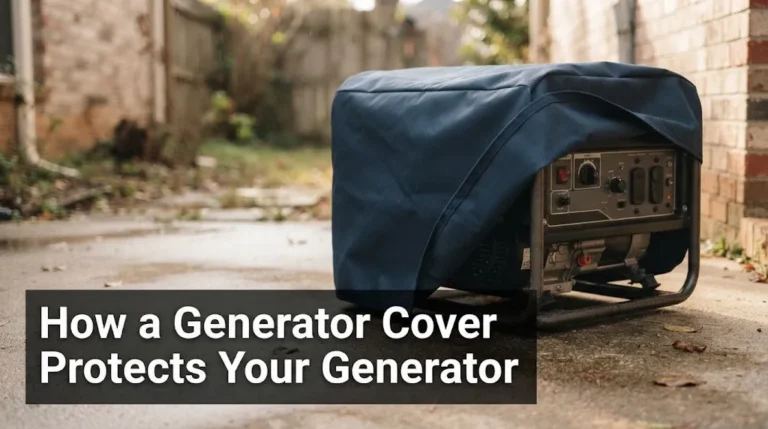
How to Build a Generator Shelter for Storm Conditions
Quick Answer
To build a secure storm-resistant generator shelter, choose an elevated, well-drained location away from direct flooding, construct a sturdy frame with heavy-duty anchors to withstand high winds, ensure proper louvered ventilation for exhaust and cooling, and install a secure, lockable door to protect against flying debris and theft.
Understanding Generator Shelter Requirements for Severe Weather
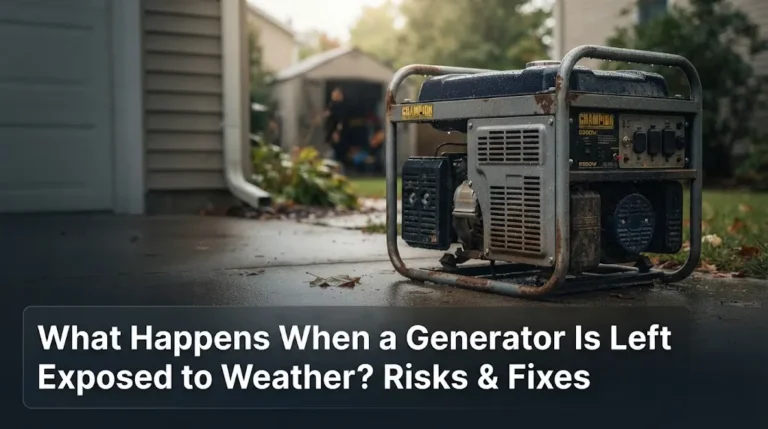
Operating a portable generator during a severe storm creates unique safety and engineering challenges. High winds, heavy rain, flying debris, and potential flooding can quickly damage equipment or create severe electrical and carbon monoxide hazards. A properly designed shelter protects your backup power source from the elements while ensuring it receives the adequate airflow required for safe combustion and cooling.
When planning a generator enclosure, the primary goal is balancing protection with functionality. A shelter that completely seals off a generator will cause the engine to overheat or shut down from carbon monoxide buildup. Conversely, a structure that leaves the unit too exposed will fail to protect against driving rain and high wind gusts.
Choosing the Right Location and Foundation
The location of your generator shelter determines how well it will survive severe weather conditions. Selecting a site close enough to your home or transfer switch for safe cable routing is essential, but safety clearances must always come first.
Site Selection Criteria
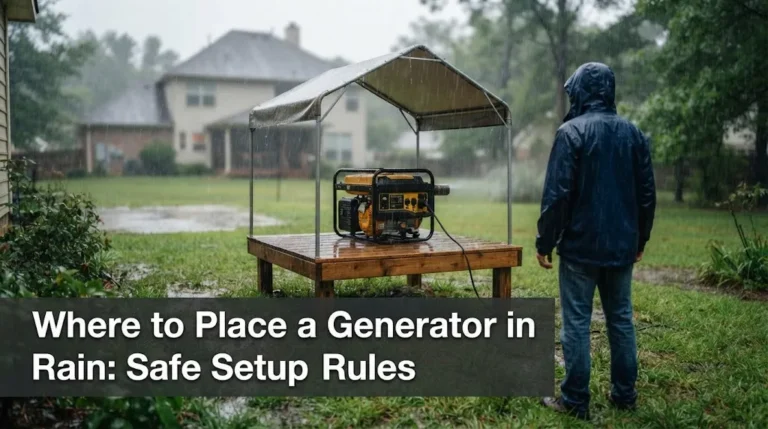
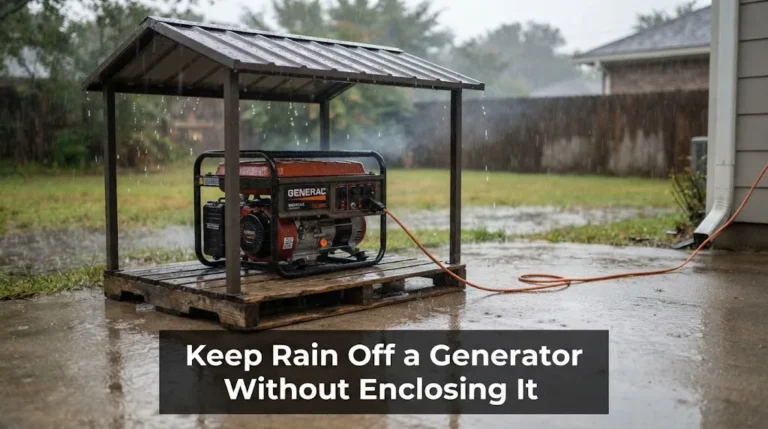
- Flood Elevation: Position the shelter on higher ground or a raised pad to prevent pooling water from reaching the electrical components or engine block during torrential downpours.
- Exhaust Clearance: Maintain a minimum of 5 to 20 feet of clearance from windows, doors, and vents depending on local codes and manufacturer guidelines to prevent lethal carbon monoxide from entering living spaces.
- Structural Safety: Avoid placing the shelter directly beneath large tree branches that could snap under high winds and crush the structure.
Foundation Options
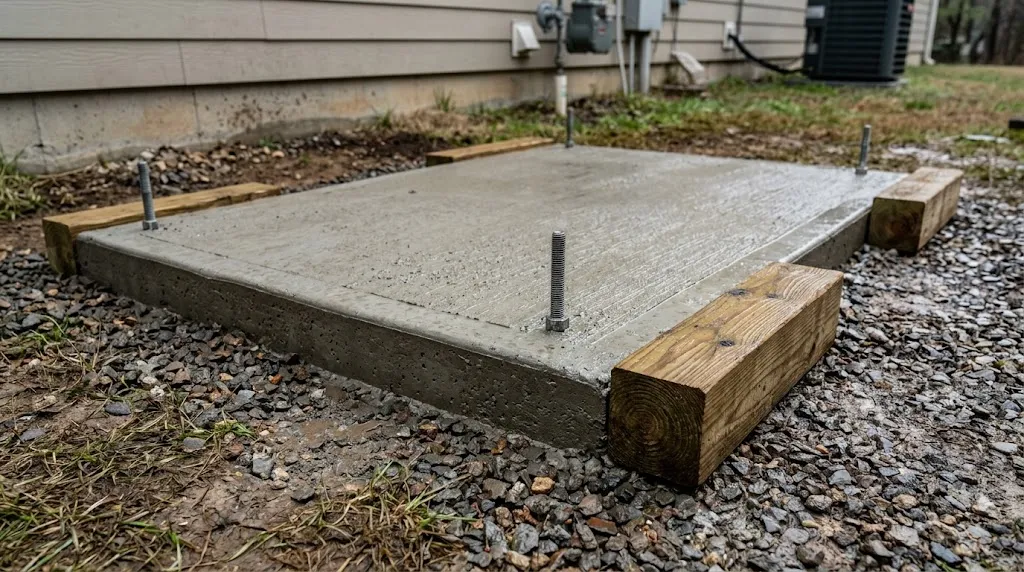
A stable foundation prevents shifting during high winds and saturated ground conditions. Pouring a concrete pad or using heavy-duty treated timber skids anchored to ground anchors provides the necessary stability. If you live in an area prone to hurricane-force winds, hurricane tie-downs or concrete anchor bolts securing the shelter frame to the ground are critical.
Warning
Never run a portable generator inside a fully enclosed shed, garage, or unventilated lean-to while the doors are closed. Even a partially enclosed shelter requires dedicated intake and exhaust louvers sized specifically to match the generator’s heat dissipation and airflow needs.
Designing for Wind and Impact Resistance
Severe storms bring high-velocity winds and wind-borne debris that can dent fuel tanks, crack engine blocks, or shatter electrical panels. Constructing the frame using weather-resistant materials ensures the shelter remains intact when storm conditions peak.
Framing and Siding Materials
Pressure-treated lumber or galvanized steel framing provides a durable skeleton. For exterior walls, exterior-grade plywood covered with metal siding or cement board offers excellent impact resistance against flying branches and gravel. Roof panels should be securely screwed down with rubber-washer roofing screws to prevent uplift during high winds.
Ventilation Design
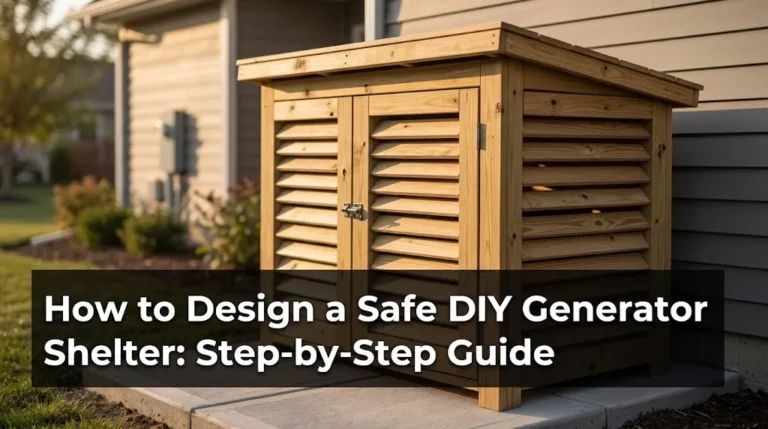
Generators require massive volumes of air to run properly. Without adequate airflow, engine temperatures rise rapidly, leading to thermal shutdown or permanent engine damage. Incorporating louvered vents on opposing walls creates a cross-flow ventilation system. These louvers should feature downward-angled slats or baffles to prevent driving rain and snow from blowing directly onto the unit while allowing hot exhaust and intake air to move freely.
Tip
Consider installing motorized or gravity-actuated dampers on your ventilation openings if you live in an area prone to severe freezing rain or blowing dust. These remain closed when the generator is off and open automatically from air pressure or electrical signals when the unit runs.
Managing Exhaust and Heat Dissipation
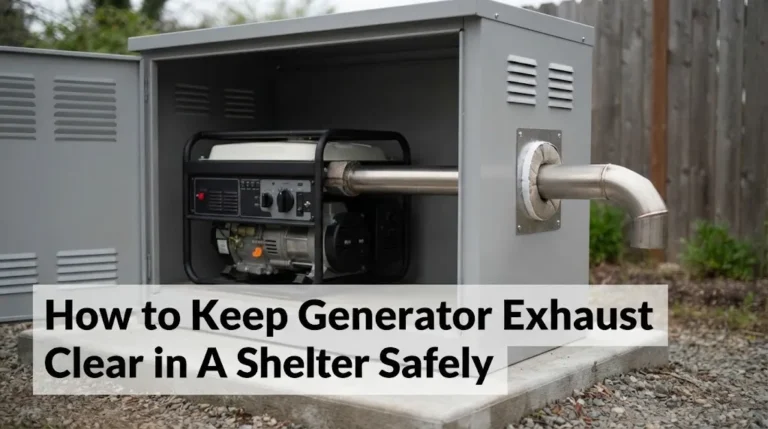
Carbon monoxide (CO) management is the single most important safety factor when building a generator enclosure. Even with side vents, exhaust fumes must be directed safely away from the structure so they do not pool inside the enclosure or drift toward building openings.
For enclosed setups, installing a rigid, stainless steel exhaust extension that routes engine exhaust through a sealed thimble in the wall or roof is a common engineering approach. Ensure that any through-wall exhaust pipe maintains proper clearance from combustible materials like wood framing. Using a high-temperature silicone or metal firestop collar prevents heat transfer to the surrounding structure.
Security, Access, and Electrical Integration
During a major storm, power outages often stretch across multiple days. Your shelter must provide easy access for refueling, maintenance, and starting, while keeping the valuable equipment safe from opportunistic theft.
Access Doors and Maintenance Space
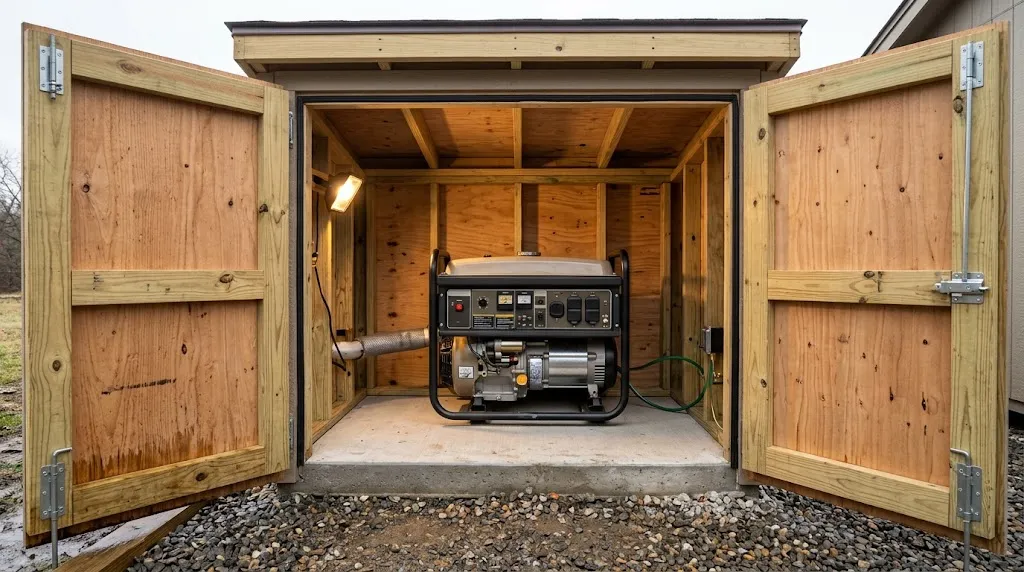
Build wide double doors or a removable front panel to allow easy rollout or servicing of the generator. Leave at least 12 to 18 inches of clearance around all sides of the generator inside the shelter for routine oil checks, filter changes, and air circulation.
Weatherproof Electrical Connections
Run power cords from the generator to an exterior inlet box on your home using weather-rated conduits and heavy-duty SOOW cords. Never run unsealed extension cords through pinched windows or doorways. Installing a built-in carbon monoxide detector inside the shelter wired to an external alarm or automatic shutoff switch adds an extra layer of operational safety.
Related Product
Heavy-Duty Generator Cover and Ventilation Kits
Weather-resistant enclosures and louvered vent kits help protect backup power equipment from high winds and blowing rain.
As an Amazon Associate, we earn from qualifying purchases.
Frequently Asked Questions
Can I build a generator shelter right against the side of my house?
No. Building a shelter directly against an exterior wall increases the risk of carbon monoxide entering windows, doors, or soffit vents. Maintain a safe distance of at least 5 to 20 feet from the structure, and direct exhaust away from all buildings.
How do I keep rain from blowing into the generator vents?
Use louvered vents with downward-slanted slats, install exterior hoods or baffles over the vent openings, and position the intake and exhaust vents away from the direction of prevailing storm winds.
Do portable generators need to be bolted down inside a shelter?
While the generator itself generally sits on rubber vibration mounts to absorb operational shaking, the shelter structure must be firmly anchored to a concrete pad or heavy skids to prevent high winds from lifting or shifting it.
What is the best material for a storm-resistant generator shed?
Treated wood framing combined with metal siding or cement board offers an excellent balance of structural rigidity, impact resistance against flying debris, and cost-effectiveness.
How much clearance does a generator need inside an enclosure?
You should maintain a minimum of 12 to 18 inches of clearance on all sides of the generator. This ensures proper airflow for engine cooling and allows enough room for safe refueling and maintenance.
Can a generator run in a shelter during heavy snowfall?
Yes, provided the intake and exhaust vents remain completely clear of drifting snow and ice blockages. Regular checks during severe winter storms are necessary to ensure vents do not become obstructed.
Conclusion
Building a generator shelter for storm conditions requires careful planning focused on structural durability, proper airflow, and strict carbon monoxide safety. By selecting an elevated location, constructing a wind-resistant frame, and installing adequate louvered ventilation, you can protect your backup power equipment from severe weather elements. A well-designed enclosure ensures your generator remains operational when you need it most, keeping your home powered safely through any storm.

Hi, I’m Michael Turner. I own a generator workshop in the United States and founded HomeGeneratorBlog to share practical, hands-on guidance about generator installation, maintenance, troubleshooting, safety, and backup power solutions. My goal is to help homeowners make smarter, more confident decisions through clear and reliable information