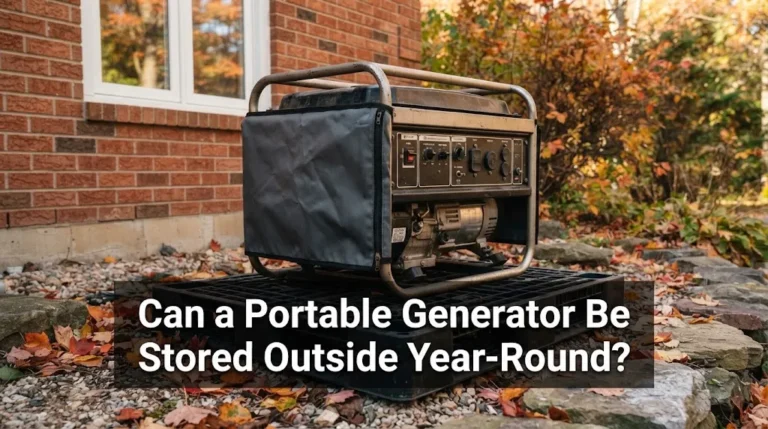
How to Prevent Generator Overheating Under a Shelter & Enclosure
Quick Answer
To prevent a generator from overheating under a shelter, ensure there is unrestrictive cross-ventilation with dedicated air intake and exhaust paths, maintain minimum structural clearances of at least 3 to 5 feet, and prevent hot exhaust air from recirculating back inside.
Why Generators Overheat Inside Shelters
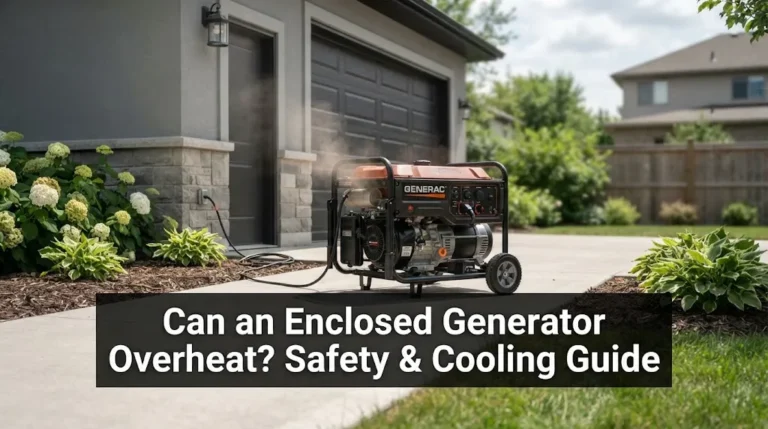
Operating a backup or portable generator underneath a protective shelter, shed, or custom enclosure shields the unit from rain, snow, and direct sunlight. However, confining a power generator restricts natural airflow. Internal combustion engines and alternators generate massive amounts of thermal energy during operation.
When a shelter traps this hot air instead of letting it escape, ambient temperatures inside the enclosure rise rapidly. As intake air temperatures climb, the engine loses cooling efficiency. Without adequate air exchange, thermal overload triggers automatic shutdowns, damages sensitive electronics, or causes permanent engine failure.
Design Proper Air Intake and Exhaust Pathways
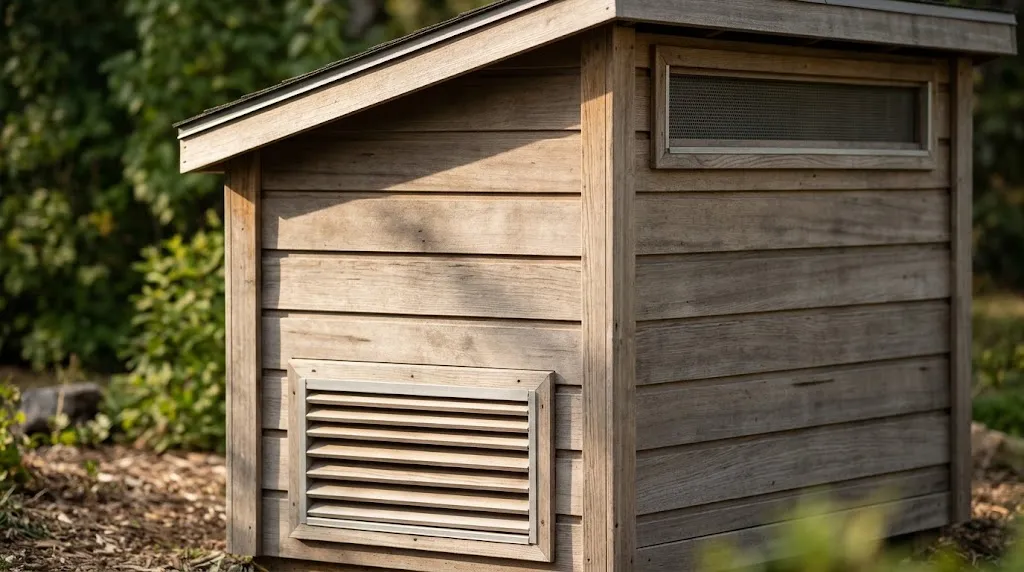
The single most important factor in preventing shelter overheating is establishing a balanced, unobstructed airflow circuit. Cool ambient air must enter smoothly, pass across the engine and alternator, and expel hot air completely away from the structure.
A functional shelter design relies on separate intake and exhaust zones:
- Low-Level Intake Vents: Position fresh air inlets near the bottom or at the alternator end of the shelter so incoming air sweeps across the entire unit.
- High-Level Exhaust Openings: Place hot air outlets on the opposite wall or near the top of the enclosure to leverage natural thermal rise.
- Free-Area Sizing: Account for louvers and protective mesh, which typically block 40% to 60% of total vent space. Ensure gross vent sizes exceed the generator’s core face area requirements.
Warning
Never operate a generator inside a completely sealed box, closed garage, or unventilated shed. Dangerous carbon monoxide buildup and rapid thermal failure will occur within minutes.
Manage Clearances and Environmental Heat Factors
Strategic placement around the yard or structure dictates how effectively a generator rejects heat. Even with vents, tight structural constraints trap ambient heat.
Maintain proper distance rules to maximize thermal dissipation:
- Keep at least 3 to 5 feet of clear space around all sides of the generator to prevent airflow restriction.
- Elevate portable generators slightly on a hard, level concrete or gravel pad rather than soft ground or grass that can block under-unit ventilation.
- Shield the shelter from direct, unshaded sunlight during peak afternoon hours, which can artificially inflate enclosure temperatures by 15°F to 25°F.
Prevent Hot Air Recirculation
A common mistake in custom generator shelters is allowing exhaust air to loop back into the intake vents. If hot discharge air is pulled back across the engine, cooling efficiency drops to near zero.
Direct the exhaust piping and hot-air discharge vents away from the prevailing wind direction. If natural cross-winds push exhaust back toward the shelter, install physical baffles or rigid ducting to cleanly separate the intake and exhaust zones.
Incorporate Active Ventilation for Heavy Loads
Passive louvers may not provide enough cooling capacity during extended heatwaves or continuous high-wattage operation. Adding mechanical ventilation solves high-temperature restrictions.
Consider these active cooling upgrades:
- Thermostatic Exhaust Fans: Install temperature-activated electric fans near the exhaust outlet to pull hot air out automatically when internal temperatures exceed safe thresholds.
- Internal Circulating Fans: Use small 12V auxiliary fans inside large enclosures to eliminate localized hot spots around the alternator and engine block.
- Load Management: Reduce electrical loads or limit continuous run times to 70% capacity when ambient outdoor temperatures exceed 95°F (35°C).
Tip
Mount a remote digital thermometer inside the shelter near the engine intake. This lets you monitor internal enclosure temperatures safely from a distance during heavy operations.
Maintain Cooling Fins, Filters, and Fluids
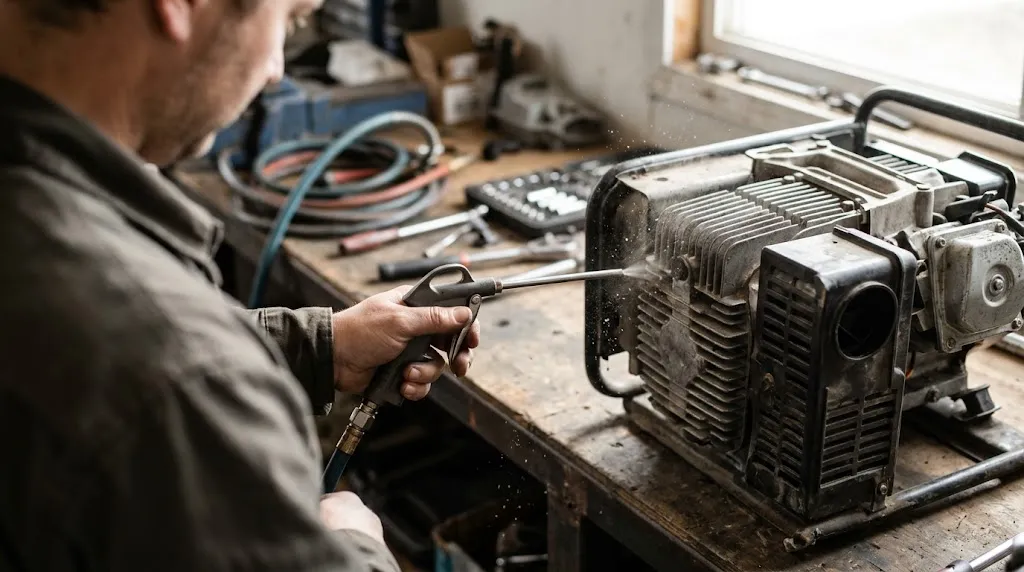
External shelter design is only half the battle; the generator’s internal maintenance state directly affects its ability to shed heat. Dirty systems retain thermal energy and fight against airflow.
Keep up with these core maintenance practices:
- Clean dust, debris, and grass clippings off air intake screens, cooling fins, and alternator housings using compressed air.
- Inspect and clean air filters every 25 hours of operation to prevent restricted air combustion and engine strain.
- Check oil levels before every startup and use high-grade synthetic oil, which retains viscosity better under high operational heat.
Related Product
Generator Enclosure Ventilation Fans
Weather-resistant exhaust fans improve airflow and help extract trapped heat from custom generator shelters.
As an Amazon Associate, we earn from qualifying purchases.
Frequently Asked Questions
How much clearance does a generator need inside a shelter?
A generator typically requires a minimum of 3 to 5 feet of clearance on all sides and above the unit. This buffer ensures that exhaust and heat can expand and dissipate freely without backing up into the enclosure walls.
Can I use an ordinary house fan to cool a generator shelter?
An external fan can assist with airflow, but it should only supplement proper structural design rather than replace it. The shelter must feature built-in intake and exhaust openings that allow natural convective heat loss even if grid power fails.
What temperature is too hot for an outdoor generator?
Most portable and standby generators are rated to operate in ambient temperatures up to 104°F (40°C). When surrounding temperatures exceed 95°F, internal engine heat spikes, increasing the likelihood of thermal overload unless loads are reduced or airflow is enhanced.
Why does a dirty air filter cause generator overheating?
A clogged or dusty air filter restricts the volume of air entering the combustion chamber. This forces the engine to burn fuel less efficiently, creating excess internal friction and elevated exhaust temperatures that strain the entire cooling system.
How do I stop exhaust air from looping back into the shelter?
You can prevent hot air recirculation by positioning intake and exhaust vents on opposite sides of the structure. Utilizing directional louvers or rigid exhaust extensions also ensures hot gases clear the intake zone completely.
Does synthetic oil help prevent generator overheating?
Yes. Synthetic oils maintain their viscosity and lubricating properties under extreme heat much better than conventional petroleum oils, reducing internal friction and lowering overall engine operating temperatures.
Conclusion
Preventing a generator from overheating under a shelter comes down to balancing weather protection with unrestrictive airflow. By building dedicated intake and exhaust pathways, maintaining minimum structural clearances, and keeping filters and cooling fins clear of debris, you protect your equipment from thermal failure and extend its operational lifespan.

Hi, I’m Michael Turner. I own a generator workshop in the United States and founded HomeGeneratorBlog to share practical, hands-on guidance about generator installation, maintenance, troubleshooting, safety, and backup power solutions. My goal is to help homeowners make smarter, more confident decisions through clear and reliable information