Should I Put a Cover Over My Generator? Storage & Safety Guide
Quick Answer
Yes, you should generally put a cover over your generator, but only when it is completely turned off, fully cooled down, and not currently running. Using a specialized, breathable weatherproof cover protects your generator from rain, snow, UV rays, and dust buildup while it sits in storage or standby mode. However, you must never run a portable generator with a standard fabric or vinyl cover attached, as this restricts essential cooling airflow, traps exhaust heat, and creates a severe fire or carbon monoxide hazard.
Understanding Generator Weather Protection
Portable and standby generators are engineered to withstand outdoor environments to a degree, but they are far from indestructible. Rain, snow, ice, direct sunlight, and airborne debris can slowly degrade electrical components, corrode metal frames, and clog vital intake vents. Because of this, protecting your investment with proper coverings is essential for long-term reliability.
However, the question of whether to cover a generator comes with strict operational rules. There is a major difference between protecting a generator during storage or standby and covering it while it is actively generating electricity during an outage.
When You Should Use a Generator Cover
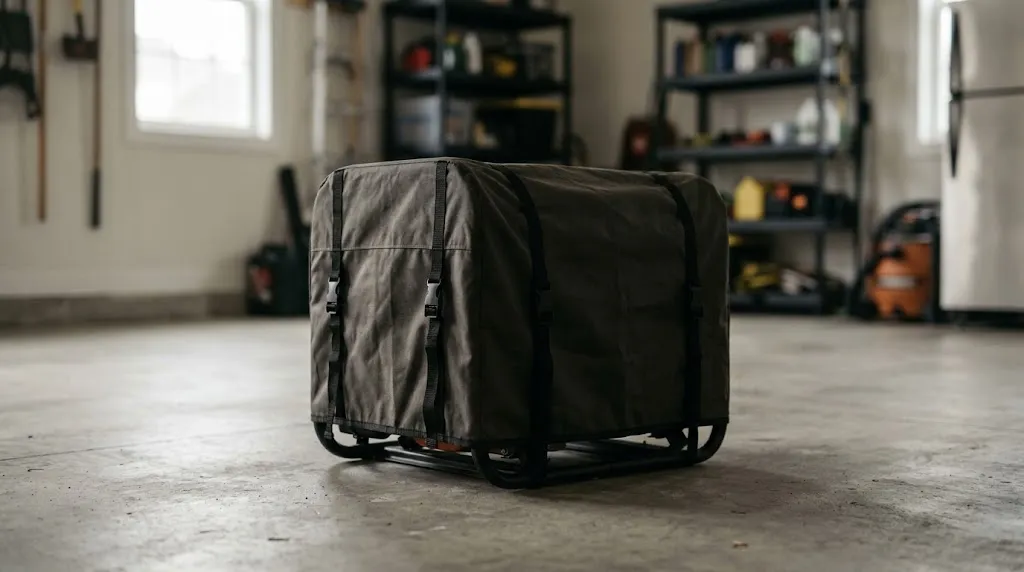
Using a protective cover is highly recommended during specific phases of generator ownership. Proper covers prevent moisture intrusion and keep dust out of sensitive control panels and alternator windings.
You should use a cover in the following scenarios:
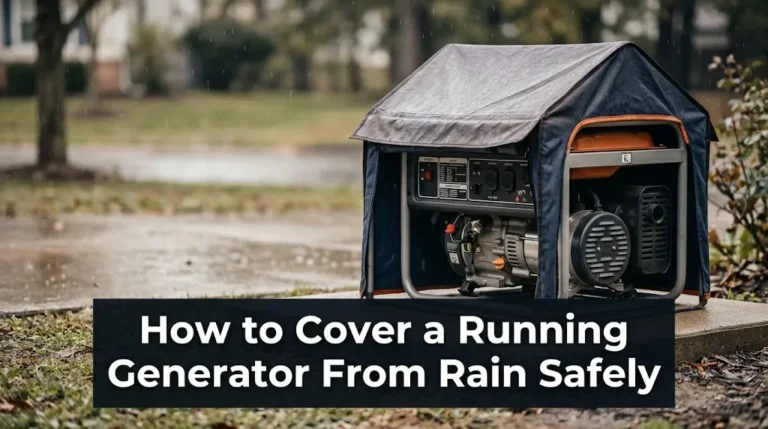
- Long-Term Storage: When your generator is placed in a garage, shed, or side yard for weeks or months between uses, a fitted storage cover keeps dust, cobwebs, and moisture away from the engine.
- Outdoor Standby Mode: If your portable generator stays permanently stationed on a patio or concrete slab ready for emergency use, a weather-resistant cover shields it from daily rain and UV exposure.
- Transport: Covering a generator during transport in the bed of a truck prevents highway debris, road salt, and rain from entering sensitive components.
Tip
Always ensure the engine and exhaust muffler are completely cool to the touch before placing any vinyl or fabric cover over your generator to prevent melting or fire hazards.
The Dangers of Running a Generator Under a Standard Cover
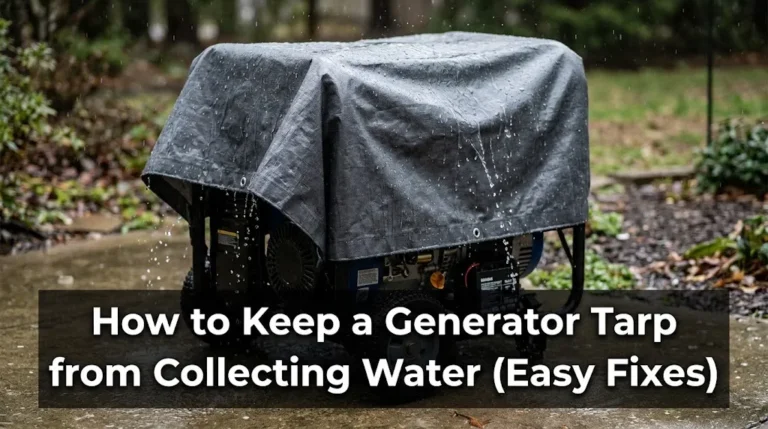
One of the most dangerous mistakes homeowners make during a storm is leaving a tight storage cover on a running generator, or draping a makeshift tarp directly over the unit while it operates.
Generators produce intense heat and require massive amounts of ambient airflow for two primary reasons:
- Engine Cooling: Air-cooled engines rely on unobstructed air intake and exhaust to prevent internal overheating, warped pistons, and seized engine blocks.
- Alternator Ventilation: The electrical alternator generates substantial heat under load and needs continuous cross-ventilation to avoid insulation breakdown and winding failure.
When you restrict airflow with a tight cover:
- Exhaust heat builds up rapidly underneath the fabric.
- The engine starves for oxygen, causing it to run rich, stall, or surge.
- Plastic components, fuel lines, and electrical insulation can melt or catch fire.
- Carbon monoxide gas can pool dangerously around the unit, increasing the risk of toxic fumes seeping near living spaces.
Warning
Never operate a portable generator inside an enclosed space, garage, crawlspace, or underneath a standard non-ventilated cover or tarp. Doing so creates an extreme risk of fatal carbon monoxide poisoning and catastrophic fire.
How to Protect Your Generator While It Is Running in the Rain
If you experience a severe storm or hurricane and need to run your generator outdoors during wet weather, you cannot rely on a standard storage cover. Instead, you need a specialized solution designed for wet-weather operation.
Safe running solutions include:
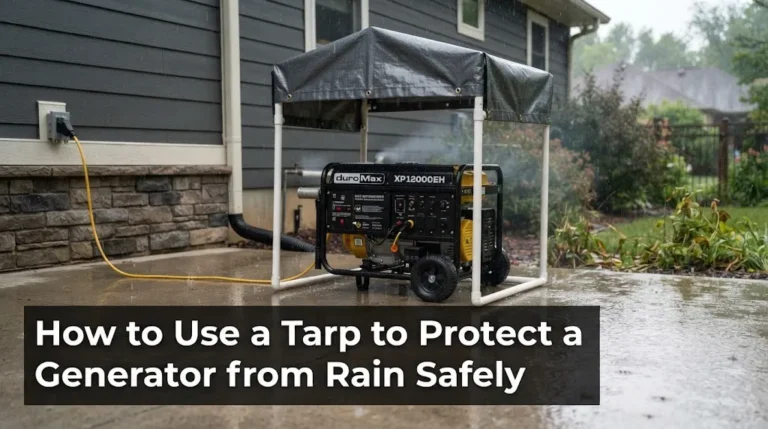
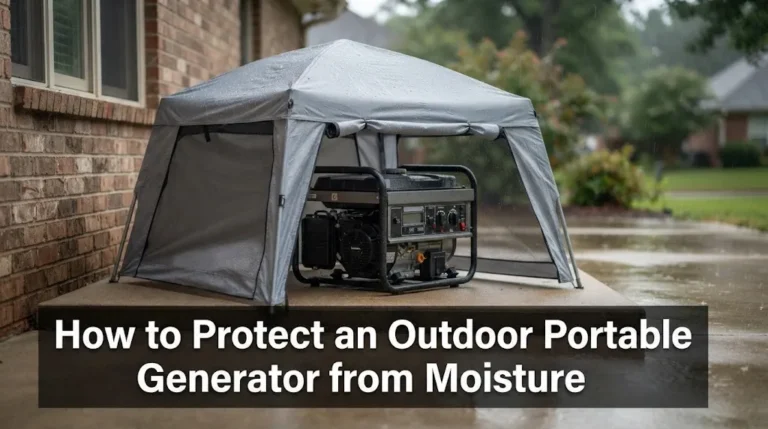
- Tent-Style Running Covers: These are specially engineered, flame-retardant fabric enclosures supported by a sturdy frame that fit over a running generator while leaving the sides open for airflow and exhaust clearance.
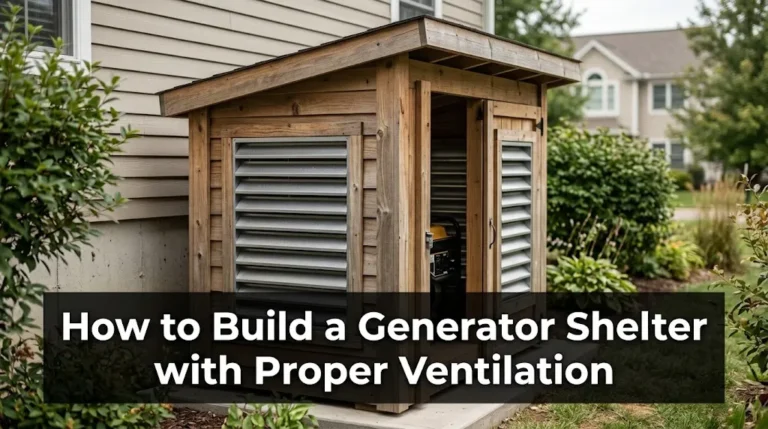
- Dedicated Generator Sheds or Enclosures: Permanent or semi-permanent louvered enclosures built specifically for generators, featuring automated intake and exhaust louvers that open when the engine starts.
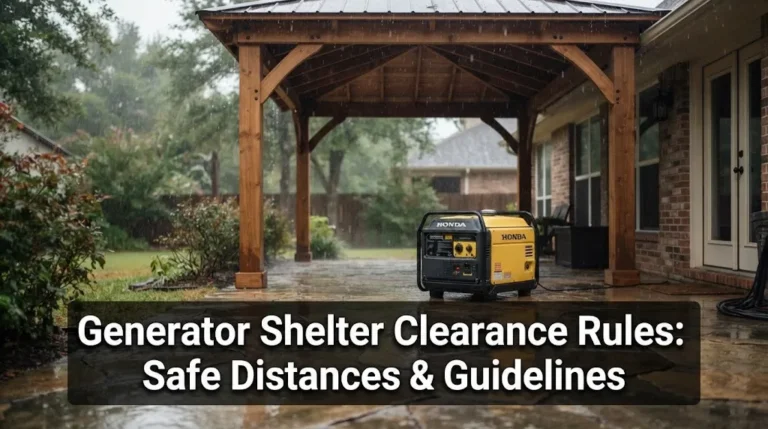
- Porch or Eaves Placement: Operating the generator outdoors under a well-ventilated overhang, strictly adhering to safety distance rules (at least 15 to 20 feet away from doors, windows, and vents with the exhaust pointing away from the home).
Key Insight
A storage cover is designed to protect a turned-off generator from the elements, whereas a running tent cover is engineered to shield electrical outlets from driving rain while maintaining 360-degree ventilation for hot exhaust and intake air.
Key Features to Look for in a Quality Generator Cover
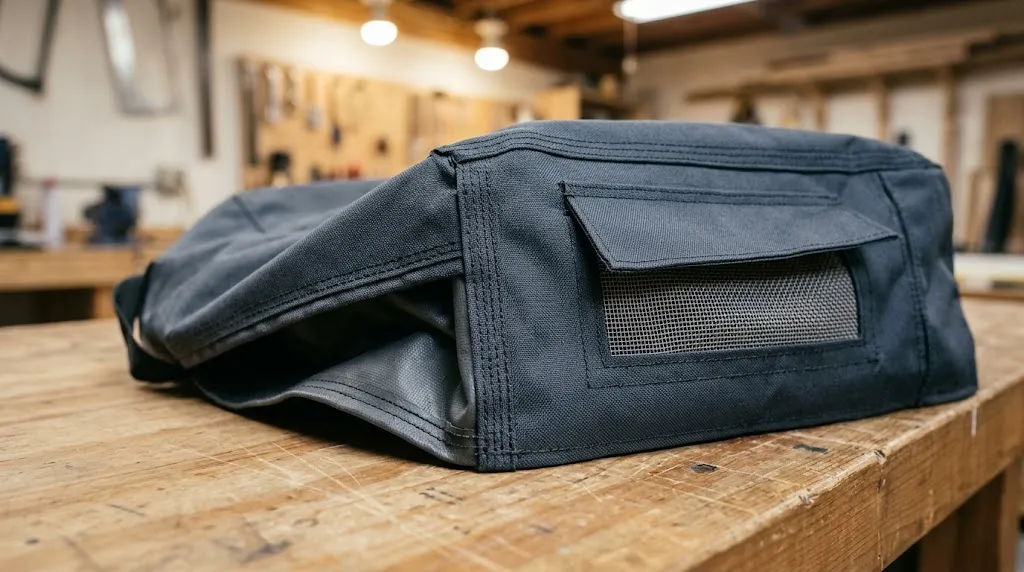
If you are purchasing a cover for storage or standby protection, choosing the right material and design makes a significant difference in how well it preserves your equipment.
Important selection criteria include:
- Material Durability: Look for heavy-duty marine-grade polyester (such as 600D Oxford fabric) with a waterproof polyurethane backing rather than thin plastic liners that crack in freezing temperatures.
- Breathability: High-quality covers often feature hidden mesh vents or breathable fabrics to prevent trapped condensation and mildew growth during humid weather changes.
- Custom Fit: Universal tarps can flap violently in high winds, wearing away paint and exposing corners. Form-fitted covers designed for your specific generator wattage and frame style provide superior security.
- Secure Fastening Systems: Elastic hem cords, click-close straps, or zippered side panels ensure the cover stays firmly attached during severe winds.
| Cover Type | Primary Purpose | Safe While Running? | Key Advantage |
|---|---|---|---|
| Fitted Storage Cover | Long-term storage and standby outdoor protection | No (Must be removed) | Full defense against dust, UV rays, and heavy precipitation. |
| Running Tent Cover | Operating safely in rain, snow, or wet weather | Yes (Designed for airflow) | Keeps outlets dry while allowing necessary engine cooling. |
| Standard Plastic Tarp | Emergency makeshift covering | Risky (Prone to trapping heat) | Inexpensive and widely available, but traps moisture easily. |
Evaluating your storage environment and operational needs ensures you pick the correct protection level without risking equipment damage.
Related Product
Heavy-Duty Portable Generator Storage Covers
Protect your portable generator from rain, snow, and UV fading during storage with a weatherproof, breathable fitted cover.
As an Amazon Associate, we earn from qualifying purchases.
Frequently Asked Questions
Can I leave my generator covered outside all year round?
Yes, you can leave a generator covered outside year-round provided it is turned off and fitted with a high-quality, weather-resistant storage cover. However, you should periodically remove the cover during mild, dry days to inspect for trapped condensation, insect nests, or corrosion.
What happens if I accidentally run my generator with the storage cover on?
Running a generator with a standard storage cover attached will quickly trap exhaust heat and restrict airflow. This causes the engine to overheat, potentially melting plastic housing, damaging electrical windings, triggering thermal overloads, or creating a serious fire hazard.
Is it safe to run a generator in the rain without a cover?
Running a standard open-frame portable generator directly in heavy rain or snow exposes electrical outlets and control panels to moisture, increasing the risk of short circuits or electrical shock. You should always use a specialized running tent cover or position the unit under a safe, ventilated overhang during wet weather.
How do I clean and maintain my generator cover?
Most weather-resistant fabric covers can be cleaned by wiping them down with mild soap and warm water using a soft sponge. Never use harsh chemical solvents or put fabric covers in a mechanical clothes dryer, as this can destroy the waterproof polyurethane backing.
Do inverter generators require different covers than traditional frame generators?
Yes. Traditional open-frame portable generators require rectangular box-style covers, whereas enclosed inverter generators have a more compact, suitcase-like profile. Always measure your generator’s exact length, width, and height before purchasing a fitted storage cover.
How can I prevent moisture from condensing underneath a vinyl generator cover?
Condensation occurs when temperature fluctuations trap humidity under non-breathable materials. To prevent this, ensure your generator is completely cool and dry before covering it, and choose covers equipped with built-in mesh air vents that promote continuous cross-ventilation.
Conclusion
Putting a cover over your generator is an essential practice for protecting it from rain, UV damage, and dust accumulation, but timing and cover selection are everything. Always use a fitted, breathable storage cover only when the unit is powered down and fully cooled. If you need to run your generator during wet weather, switch to a specialized running tent or ventilated canopy to ensure proper airflow and exhaust clearance. By keeping storage protection separate from active operation, you safeguard your equipment against overheating and extend its reliable lifespan for years to come.

Hi, I’m Michael Turner. I own a generator workshop in the United States and founded HomeGeneratorBlog to share practical, hands-on guidance about generator installation, maintenance, troubleshooting, safety, and backup power solutions. My goal is to help homeowners make smarter, more confident decisions through clear and reliable information