Are Yamaha Inverter Generators Reliable? Honest 2026 Review
Quick Answer
Yes, Yamaha inverter generators are among the most reliable portable power options you can buy, with easy starting, stable clean power, and a long service life when you maintain them. They earn that standing through proven small engines, careful build quality, and steady output for sensitive electronics. See how Yamaha stacks up in our guide to the best inverter generator brands before you compare prices, because brand support matters as much as wattage.
Why Yamaha earns its reputation
- Easy starting: Yamaha engines start promptly after storage when fuel stays fresh and oil stays full.
- Clean power: Inverter output suits laptops, phones, CPAP machines, and modern fridge controls.
- Quiet running: Enclosed models run softly at light loads, which helps at campsites and in neighborhoods.
- Long life: With routine oil, filter, and spark plug care, many units serve for years of regular use.
- Dealer support: A wide dealer and parts network makes service and parts easier to find than with many value brands.
Where Yamaha can disappoint
- Stale fuel still clogs a carburetor, no matter whose name sits on the case.
- An undersized unit will trip its overload protection under a large motor load.
- Premium prices and pricier parts can sting if you only need occasional light use.
I have run Yamaha inverter generators on RV trips, at quiet campsites, and through outages when a fridge and a CPAP machine had to stay on. This guide goes deeper than a simple yes, because reliability shows up in starts, steady voltage, noise, fuel use, and years of service.
You will learn what Yamaha does well, where owners report problems, how Yamaha compares with Honda and value brands, and how to keep your own unit dependable. I will also help you decide if the premium price fits your use, or if a cheaper inverter generator makes more sense.
In This Guide
- What Does Reliable Mean for a Yamaha Inverter Generator?
- What Makes Yamaha Inverter Generators Different?
- How Long Do Yamaha Inverter Generators Last?
- Yamaha vs Honda and Other Brands: How Does Reliability Compare?
- What Problems Do Yamaha Owners Report Most?
- How Do You Keep a Yamaha Inverter Generator Reliable?
- Is a Yamaha Inverter Generator Worth the Price?
- Frequently Asked Questions
- The Bottom Line: Should You Buy a Yamaha?
What Does Reliable Mean for a Yamaha Inverter Generator?
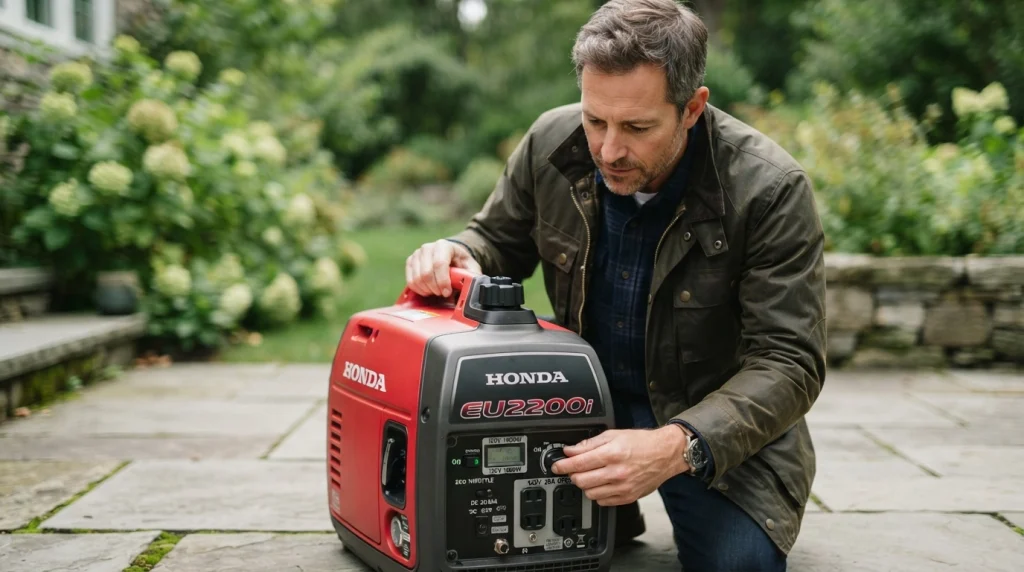
Reliable means it starts when you need it, holds steady voltage under load, and keeps doing that season after season without constant fixes. It also means the power stays safe for the devices you plug in, from a fridge control board to a laptop charger.
I judge reliability by four tests, and I run them on every inverter generator I test. A Yamaha has to pass all four before I call it dependable, not just one good test day.
- Starting: it starts on the first or second pull, or first push of the button, after weeks in storage.
- Stability: voltage and frequency stay steady when a fridge compressor or fan kicks in.
- Endurance: it runs a full tank at a realistic load without surging, stalling, or tripping overload.
- Repeatability: it does the same job next month, next season, and next year with basic care.
Is a Yamaha reliable for home backup, camping, and RV use?
Yes, for the loads each size class suits, Yamaha models handle all three jobs well. A small suitcase unit suits lights, charging, and a CPAP machine, while a larger model can run a fridge plus a window AC or RV air conditioner, if the wattage math fits.
The job changes what reliability demands. Learn how inverter generators compare with regular generators for reliability before you pick a type, because clean power and eco-mode change both wear and fuel use.
What does reliability not promise?
No portable generator promises whole-home power, nonstop use, or zero care. A Yamaha still needs fresh fuel, correct oil, clean air, and loads that fit its running watts.
Think of reliability as a partnership. Yamaha builds the engine and inverter, and you supply sizing, fuel, and care. Skip your half, and even the best brand will let you down.
Section takeaway: Yamaha reliability means easy starts, steady clean power, and repeatable performance, but only when the unit fits the load and gets basic care.
What Makes Yamaha Inverter Generators Different?
An inverter generator is a portable generator that makes AC power, converts it to DC, then rebuilds it as clean, stable AC through an inverter module. That extra step lets the engine slow down at light loads, which cuts noise and fuel use while holding voltage steady.
Yamaha brings decades of small-engine work from motorcycles, marine engines, and outdoor power equipment to this design. That background shows in fit and finish, throttle response, and how calmly the engine handles a sudden load.
How does Yamaha keep power clean and steady?
The inverter module watches output many times per second and corrects voltage and frequency as loads change. THD, or total harmonic distortion, measures how clean that rebuilt sine wave is, and lower THD suits sensitive electronics better.
In my own testing, a Yamaha held a laptop, router, and fridge steady while the fridge compressor cycled. The lights did not flicker, and the laptop charger stayed cool. Check the spec sheet for the exact THD figure on the model you buy, since ratings vary by model and year.
What is Smart Throttle, and does it help reliability?
Smart Throttle is Yamaha’s name for eco-mode, a setting that lets engine speed follow the load instead of running flat out. At light loads, the engine slows down, burns less fuel, and runs more quietly.
Lower engine speed also means less heat, less wear, and longer runtime per tank at partial load. Switch eco-mode off for large motor starts, such as an RV air conditioner, so full power stays ready the moment the compressor kicks in.
- Use eco-mode for: lights, charging, fans, TVs, and steady small loads.
- Turn it off for: air conditioners, well pumps, sump pumps, and power tools with a hard start.
- Watch for: a brief dip when a motor starts, then a quick recovery to full speed.
Which Yamaha inverter generator lines should you know?
Yamaha sells suitcase models for light portable use, mid-size enclosed models for RV and home essentials, and larger wheeled models for heavier backup loads. Each line trades weight, noise, and wattage in a different way, so size comes before brand loyalty.
Parallel capability lets two matching inverter generators link together for more power, through a parallel kit. That option helps RV owners who want one small unit for solo trips and two for air conditioning, without buying one heavy machine. Confirm parallel support and kit details with Yamaha Motor or your dealer before you buy a second unit.
Section takeaway: Yamaha stands out through proven engines, clean inverter output, and smart load-following throttle control, all backed by a dealer network that value brands often lack.
How Long Do Yamaha Inverter Generators Last?
With routine care, many Yamaha inverter generators last a decade or more of seasonal use. Heavy daily use wears any small engine faster, so running hours matter more than calendar years.
I have seen well-kept units start strong after years in a garage, and neglected units struggle after one bad season. The gap almost always traces back to fuel, oil, and load habits, not to a weak engine design.
- Load: steady loads near the rated running watts wear an engine faster than light, varied loads.
- Fuel: fresh gasoline and treated stored fuel keep the carburetor and fuel lines clear.
- Oil: clean oil at the right level protects bearings, rings, and the low-oil shutdown system.
- Storage: dry, covered storage with drained or treated fuel prevents rust and gum.
- Environment: dust, heat, and damp air shorten filter, spark plug, and battery life.
How many hours can a Yamaha inverter generator run?
No single hour figure fits every model, load, and care routine, so treat any one number with care. As of 2026, owners who follow the manual, change oil on schedule, and avoid constant overload report the longest service by a wide margin.
Think in terms of care milestones, not a finish line. A unit that gets fresh fuel, clean air, and regular exercise runs will outlast one that sits for a year with old gas, even if both show the same hours on paper. Our guide to generator lifespan explains the factors that shorten or extend life across brands.
What wears out first on a Yamaha?
Small wear parts fail first, and most cost little to replace. The engine and inverter module usually outlast these parts by years when care stays on track.
- Spark plug: fouls with old fuel, rich running, or long idle periods.
- Air filter: clogs in dusty campsites, job sites, and dry yards.
- Starter battery: loses charge in storage on electric-start models.
- Fuel system: gums up when gasoline sits untreated for months.
- Recoil starter: wears with hard, repeated pulls on a flooded engine.
Section takeaway: A Yamaha can serve for years of seasonal use, and its lifespan depends far more on fuel, oil, and load habits than on the badge on the case.
Yamaha vs Honda and Other Brands: How Does Reliability Compare?
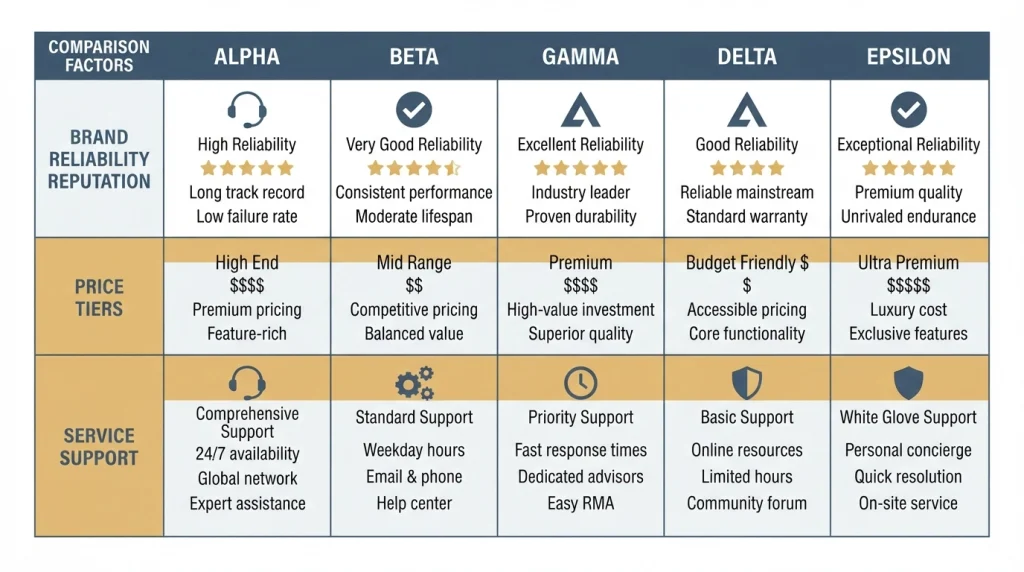
Yamaha and Honda sit at the top of most reliability conversations, and the gap between them is small. The real gap sits between that top tier and budget brands, where parts, service, and long-term support vary far more.
Use the table below as a starting point, not a final verdict. Check the spec sheet, warranty terms, and dealer support for the exact model you plan to buy.
| Brand | Reliability reputation | Typical price tier | Service and parts | Best for |
|---|---|---|---|---|
| Yamaha | Excellent; easy starts, steady clean power | Premium | Wide dealer network, good parts access | RV, camping, and home essentials |
| Honda | Excellent; long track record, quiet running | Premium | Wide dealer network, good parts access | Camping, RV, and sensitive electronics |
| Champion | Good; strong value, dual-fuel choice | Mid-range | Broad retail support, phone support | Budget-minded home backup and RV use |
| Westinghouse | Good; solid mid-tier build and features | Mid-range | Broad retail support, parts by model | Home backup and camping on a budget |
| WEN / Predator | Mixed to good; varies by model | Budget | Varies; check parts and warranty first | Occasional light use and first-time buyers |
Is Yamaha better than Honda?
Neither brand wins on every model, so compare the two units side by side instead of the badges. Yamaha often offers strong value within the premium tier, while Honda often leads on resale value and name recognition.
Pick the one with the right watts, outlets, noise level, and local dealer for your use. Read our take on whether Honda inverter generators are worth the money before you decide, since price gaps shift by size class and season.
Are value brands reliable enough?
Many mid-range and budget inverter generators run well for light, occasional use with good care. The risk rises with heavy loads, long runtimes, and years of hard use, where build quality and parts support show their worth.
If you run a generator only a few weekends a year, a value model may serve you fine. If you depend on one for outages, RV living, or work, the premium tier buys peace of mind. Independent testing from Consumer Reports can help you weigh reliability ratings alongside price and features.
Section takeaway: Yamaha matches Honda at the top tier, and both beat most value brands on long-term support, while value brands can still suit light, occasional use.
What Problems Do Yamaha Owners Report Most?
Yamaha owners report fewer serious faults than owners of many cheaper brands, but no generator escapes the usual small-engine problems. Most complaints trace back to fuel, sizing, or storage, and most have simple fixes.
I group the common issues below by cause, so you can fix the root problem instead of chasing symptoms. Start with fuel and load checks before you assume a part has failed.
Why does a Yamaha surge, stall, or refuse to start?
Stale gasoline ranks first by a wide margin. Old fuel leaves gum in the carburetor, and that gum starves the engine at idle and under load.
Low oil, a fouled spark plug, and a clogged air filter cause the next most common no-start and surge complaints. The low-oil shutdown system protects the engine, so it will stop a unit with low oil even when everything else looks fine.
- Check fuel first: drain old gas, add fresh fuel, and treat stored fuel.
- Check oil next: top up to the full mark with the oil grade your manual lists.
- Check air and spark: clean or replace the filter, and inspect the spark plug.
- Check the vent: a blocked fuel cap vent can starve the engine as fuel drops.
Why does a Yamaha trip overload or shut down under load?
Overload trips usually mean the load exceeds running watts, the power a generator can sustain, or starting watts, the brief surge a motor needs to start. An RV air conditioner, window AC, or well pump can draw several times its running watts for a second at startup.
Add loads one at a time, turn eco-mode off for motor starts, and stagger large loads. If trips persist at modest loads, check for a failing spark plug, dirty filter, or a load you missed, such as a fridge and freezer cycling together.
What about batteries, noise, and parts costs?
Electric-start batteries lose charge in storage, so a dead battery often looks like a dead generator. Keep the battery charged, clean the terminals, and test the pull starter as a backup where your model has one.
Noise complaints usually come from running at full load, placing the unit too close, or running with eco-mode off at light loads. Parts cost more than value-brand parts, but Yamaha parts stay easier to find through dealers, which shortens downtime.
Safety note: Run generators outdoors and well away from windows, doors, and vents, and never run one in a garage, even with the door open. Let the engine cool before you service fuel parts, and check your owner’s manual before use.
Section takeaway: Most Yamaha problems come from stale fuel, low oil, or an oversized load, and a short fuel, oil, air, and spark check fixes most of them.
How Do You Keep a Yamaha Inverter Generator Reliable?
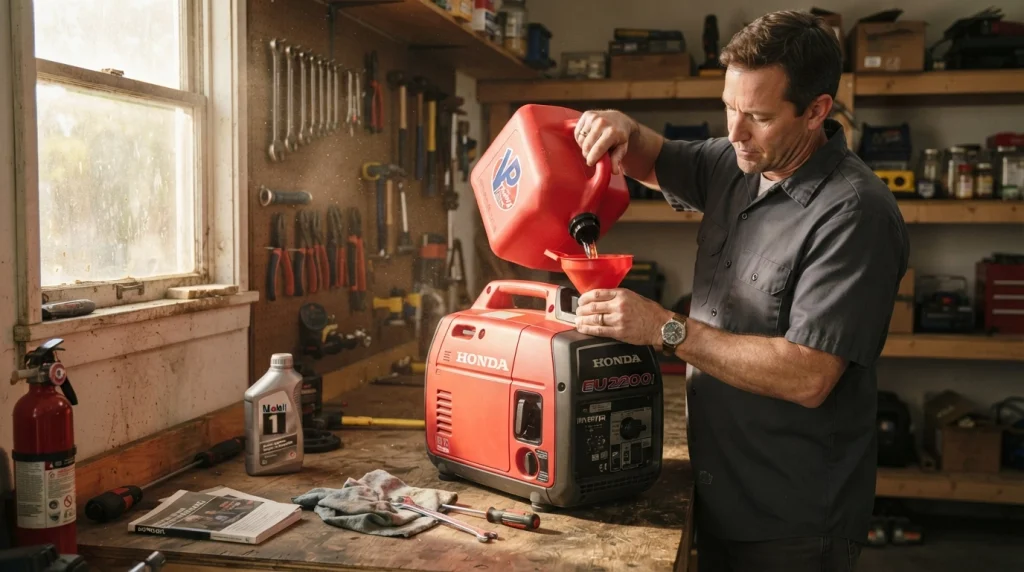
Reliability comes from a short routine, repeated often, not from a big annual overhaul. I follow the same five habits with every inverter generator I own, and they prevent most outage-day surprises.
Follow your owner’s manual for exact intervals, oil grade, and service steps. The steps below give you the shape of the routine, while the manual gives you the numbers for your model.
- Break it in: run the first hours at varied light loads, then change the oil per the manual.
- Use fresh fuel: buy small batches, add stabilizer for storage, or drain fuel per the manual.
- Check oil often: check before each use, and change it on the manual’s schedule.
- Exercise it monthly: run it under a real load for 20 to 30 minutes so seals stay wet and faults show up early.
- Store it dry: store cool, dry, and covered, with the unit off and cool.
What should you check before each use?
A two-minute pre-use check catches most faults before they matter. I run this check before every outage, trip, and job-site day, even when the unit ran fine last week.
- Oil level: full, clean, and free of fuel smell or grit.
- Fuel: fresh, full enough for the job, with no leaks or cracked lines.
- Air filter: clean and seated, with no dust packed into the housing.
- Cords and outlets: dry, undamaged, and rated for the load.
- Placement: outdoors, level, and well away from openings and vents.
How do you store a Yamaha for months without harm?
Treat or drain the fuel, change the oil if it nears its interval, and run the carburetor dry if your manual calls for it. Then cover the unit, keep it dry, and charge an electric-start battery on a schedule.
Before you rely on a stored unit, run it under load and test every outlet you plan to use. That test run turns a storage fault into a quick fix, not an outage-night failure. If you are still shopping, review what to look for in an inverter generator so size, outlets, and start type match your routine from day one.
Safety note: Carbon monoxide kills quickly and has no smell, so run generators outdoors only and keep working CO alarms in your home. Follow generator safety guidance from the U.S. Consumer Product Safety Commission and carbon monoxide guidance from the Centers for Disease Control and Prevention, and use a transfer switch or interlock installed by a licensed electrician for any house connection.
Section takeaway: Fresh fuel, correct oil, monthly exercise runs, and a two-minute pre-use check keep a Yamaha ready when you need it most.
Is a Yamaha Inverter Generator Worth the Price?
Yes, if you use a generator often, depend on it during outages, or run sensitive electronics and large motor loads. The premium buys proven engines, clean power, quiet running, dealer support, and resale value that value brands rarely match.
No, if you need power only a few times a year for light loads and a tight budget matters more than long-term support. A mid-range inverter generator can serve that job well, and the savings can fund cords, a parallel kit, or a transfer switch.
Who should buy a Yamaha?
- Frequent RV and camping users: quiet running and easy starts matter every trip.
- Outage-prone homeowners: dependable starts and clean power protect fridges, furnaces, and medical devices.
- Sensitive-electronics users: stable inverter output suits laptops, routers, and CPAP machines.
- Long-term owners: dealer parts and resale value reward a buy-once approach.
Who should skip Yamaha and save money?
- Occasional light users: a few weekends a year at low loads rarely justifies premium pricing.
- Tight budgets: a right-sized mid-range unit beats an undersized premium unit every time.
- Dual-fuel fans: Yamaha’s lineup leans gasoline, so dual-fuel buyers may prefer another brand.
- Whole-home buyers: a standby generator or larger portable setup may fit better than any suitcase inverter.
What does total ownership cost include?
Count fuel, oil, filters, spark plugs, cords, a cover, and any parallel kit or inlet hardware, not just the sticker price. Yamaha parts and service can cost more per visit, but fewer breakdowns and stronger resale often balance the ledger over years of use.
Plan your backup loads before you shop, and size for starting watts first. Guidance from the U.S. Department of Energy can help you think through home energy needs, and our guide to whether inverter generators are worth the extra cost walks through the math in plain terms.
Section takeaway: Yamaha pays off for frequent, load-critical use, while occasional light users can save money with a right-sized mid-range inverter generator.
Frequently Asked Questions
Are Yamaha inverter generators better than Honda inverter generators?
Both brands rank at the top for reliability, quiet running, and clean power, so the best pick depends on the exact model. Compare running watts, starting watts, outlets, noise, warranty, and local dealer support, then choose the unit that fits your loads and budget.
Do Yamaha inverter generators run quietly?
Yes, enclosed Yamaha inverter models run quietly at light loads, especially with eco-mode on, which makes them popular for camping and neighborhoods. Noise rises with load and distance matters, so check the spec sheet rating and place the unit as far from people as your cords safely allow.
Can a Yamaha inverter generator run an RV air conditioner?
A larger Yamaha inverter generator, or two smaller units in parallel, can run many RV air conditioners when the starting watts fit. Turn eco-mode off for the compressor start, stagger other loads, and check the air conditioner nameplate and the generator spec sheet before you buy.
How often should you change the oil in a Yamaha inverter generator?
Follow your owner’s manual for the break-in change and regular oil-change intervals, since they vary by model and use. Check oil before each use, change it sooner after heavy or dusty use, and use only the oil grade and capacity your manual lists.
Are Yamaha inverter generators good for sensitive electronics?
Yes, Yamaha inverter generators suit laptops, phones, routers, CPAP machines, and modern appliance controls because they deliver stable voltage with low THD in many models. Confirm the THD figure on the spec sheet for your model, and keep total load within the rated running watts.
Do Yamaha inverter generators hold their value?
Yes, Yamaha and Honda inverter generators tend to hold value better than many value brands, thanks to brand trust and parts support. Condition, hours, service history, and local demand shape resale price most, so keep records and maintain the unit well.
The Bottom Line: Should You Buy a Yamaha?
Yes, if you want a dependable inverter generator for RV trips, camping, and home backup, and you plan to use it often. Yamaha earns its premium with easy starts, clean steady power, quiet running, and dealer support that keeps downtime short.
Start with your load list, not the brand. Size for starting watts, pick a fuel plan you can keep, and run the unit under load each month so small faults show up early.
Buy the Yamaha that fits those loads, care for it well, and it should repay you with years of quiet, steady power. That is what reliability means in real life, and Yamaha delivers it.

Hi, I’m Michael Turner. I own a generator workshop in the United States and founded HomeGeneratorBlog to share practical, hands-on guidance about generator installation, maintenance, troubleshooting, safety, and backup power solutions. My goal is to help homeowners make smarter, more confident decisions through clear and reliable information