Are Pulsar Inverter Generators Reliable? Honest 2026 Review
Quick Answer
Yes, Pulsar inverter generators are generally reliable for occasional home backup, RV use, and camping when you size them correctly and maintain them well. They offer strong value in the budget-to-midrange class, though they do not match Honda or Yamaha for long-term refinement and dealer support. For most buyers, the right choice depends on how often you will run it and what you need it to power, so start with the best Pulsar portable generator options for your load.
The short verdict
- Starts well: Most owners report easy starts when fuel is fresh and the battery is charged.
- Clean power: Inverter models produce power suited to phones, laptops, and other sensitive electronics.
- Good value: You often get dual fuel, electric start, and parallel capability for less money.
- Needs care: Stale fuel, skipped oil changes, and overloads cause most reported problems.
- Best fit: Occasional outages, weekend camping, RV trips, and tailgating suit Pulsar best.
Before you buy
- Add up running watts and starting watts, then leave headroom for motor startup surges.
- Check the spec sheet for outlets, fuel type, runtime at partial load, and warranty terms.
- Plan for fresh fuel, regular exercise runs, and safe outdoor placement from day one.
I have tested a lot of portable power over the years, from quiet suitcase units at campsites to larger machines holding a fridge and a CPAP through a long outage. Pulsar keeps showing up because the price is hard to ignore, and the feature list often looks like a much more expensive machine.
This guide goes deeper than a star rating. I will explain what reliable means in practice, where Pulsar owners run into trouble, how Pulsar compares with other brands, and the simple habits that keep any inverter generator starting on the first or second pull.
In This Guide
- What Does Reliable Mean for a Pulsar Inverter Generator?
- How Reliable Are Pulsar Inverter Generators Overall?
- Which Pulsar Inverter Generators Should You Compare?
- Pulsar vs Honda, Yamaha, Champion, and WEN: How Does It Compare?
- What Are the Most Common Pulsar Inverter Generator Problems?
- How Do You Make a Pulsar Inverter Generator Last Longer?
- Should You Buy a Pulsar Inverter Generator in 2026?
- Frequently Asked Questions About Pulsar Inverter Generators
- Final Takeaway: Is Pulsar a Safe Bet?
What Does Reliable Mean for a Pulsar Inverter Generator?

Reliable means it starts when you need it, holds a steady load without surging, and keeps doing that year after year. It also means the power stays clean enough for electronics, and the machine does not shut down early from overload or low oil.
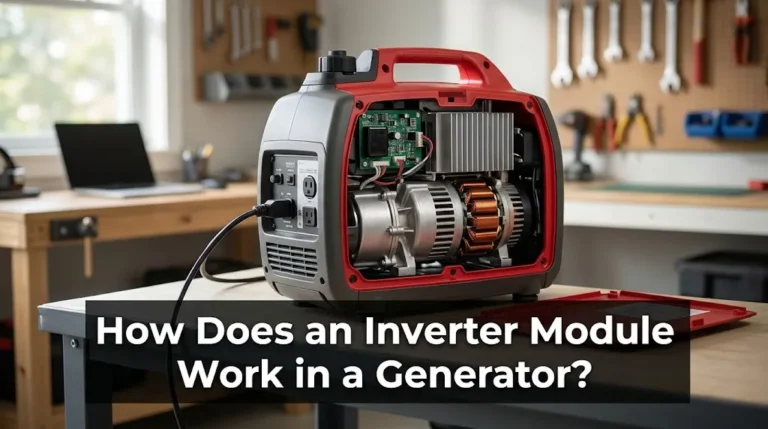
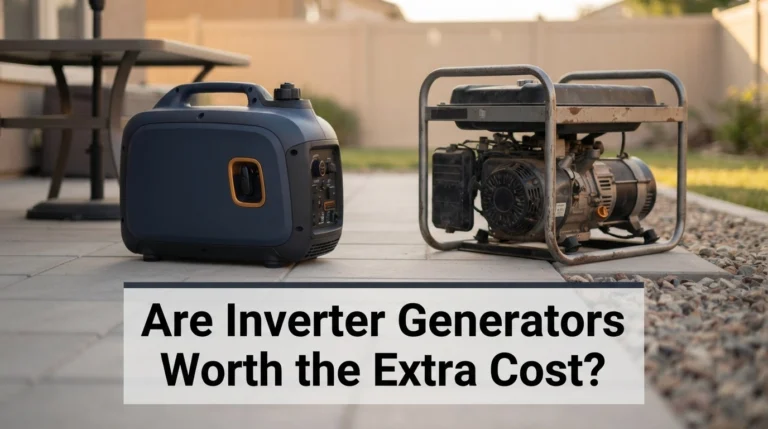
An inverter generator is a portable generator that creates AC power, converts it to DC, then inverts it back to clean AC power. That extra step helps control engine speed, cut fuel use, lower noise, and limit total harmonic distortion, or THD, which is a measure of power distortion.
Starting reliability comes first
A generator that will not start is not reliable, no matter how good its spec sheet looks. Fresh fuel, a charged battery on electric-start models, and a clean carburetor matter more than brand badges.
I once watched a neighbor fight a pull cord for 20 minutes during an outage. The fuel in the tank was months old, and the fix was fresh gas and patience, not a new machine.
Power quality matters for modern loads
Clean sine wave output means smooth, stable power that closely matches utility power. Laptops, phones, routers, CPAP machines, and modern furnace controls prefer that kind of power.
Running watts are what a generator can supply nonstop, while starting watts are the short surge it can supply when a motor starts. A fridge, sump pump, or RV air conditioner may need two to three times its running watts for a second or two.
- Check running watts first: Size for the loads you will run at the same time, not just one appliance.
- Allow for startup surges: Add the largest starting load on top of your running total.
- Leave headroom: Aim to run at 70 to 80 percent of rated capacity for steady, quiet operation.
- Use eco mode wisely: Eco-throttle saves fuel at light loads, but turn it off for heavy motor starts.
Durability is about hours, heat, and care
Most portable inverter generators are built for intermittent use, not nonstop commercial duty. Short runs with cool-down time, clean air filters, and oil changes per your manual will extend life far more than any single feature.
Backup-power planning guidance from the U.S. Department of Energy is a useful check when you size a system for outages. It helps you think in terms of essential loads first, then comfort loads.
Section takeaway: Reliability is starting, steady power, and repeatable performance over time, and Pulsar must be judged on all three, not on price alone.
How Reliable Are Pulsar Inverter Generators Overall?
Pulsar inverter generators are generally reliable for occasional and seasonal use, and owner feedback is strongest on value, features, and first-year performance. Problems tend to appear after long storage, heavy overloads, or missed maintenance, which is true for most budget and midrange brands.
Pulsar sits in the value tier of portable power. You get more watts and more features per dollar than premium brands, but you should expect a simpler finish, louder operation on larger open-frame models, and service that often runs through the retailer or manufacturer support line.
What owners praise most
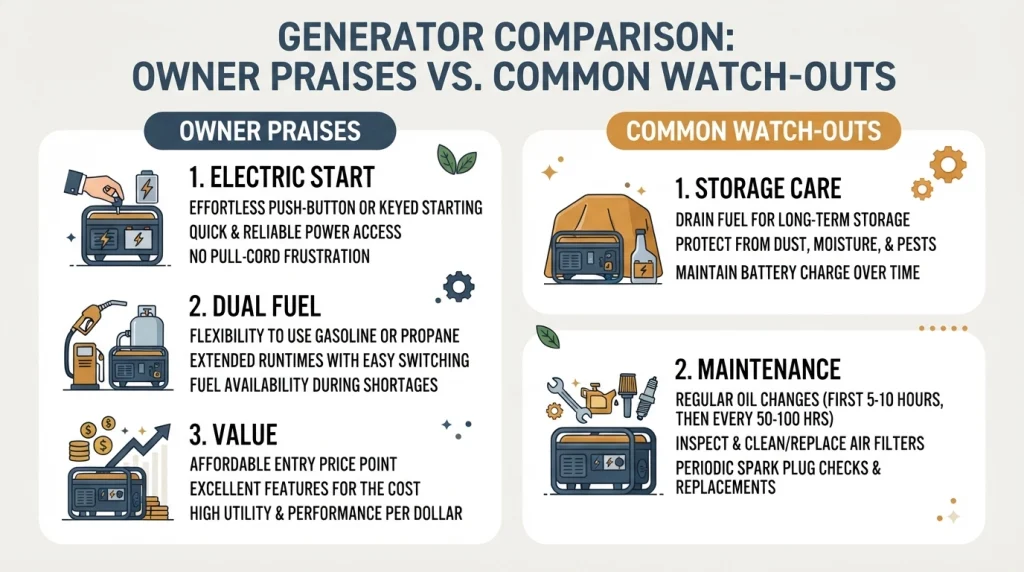
Owners often praise easy electric start, dual-fuel flexibility, and useful outlets for RV and home backup use. Many also like the parallel capability, which lets two compatible units join to supply more power.
I have seen that pattern at campgrounds. A small Pulsar hums along for lights, a fan, and phone charging, and the owner is happy because the job matches the size.
- Feature-rich for the price: Remote start, USB ports, RV outlets, and fuel gauges appear on many models.
- Dual-fuel choice: Gasoline gives easy refueling, while propane stores longer and starts cleaner after storage.
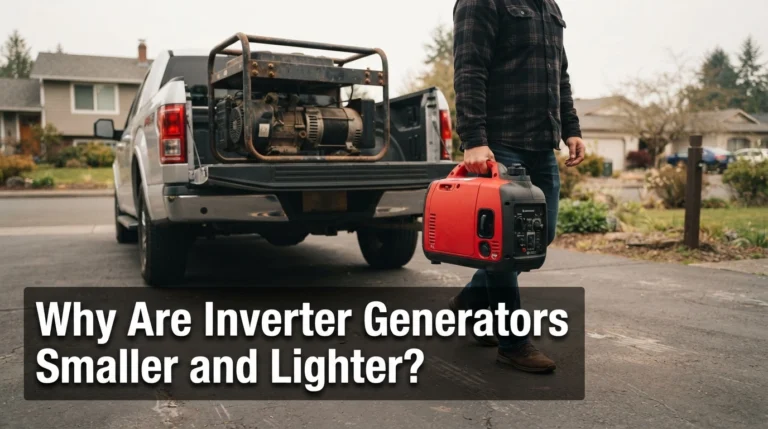
- Portable options: Smaller enclosed models are easier to carry, store, and keep quiet at a campsite.
- Good outage backup: Mid-size models can cover a fridge, lights, router, and a few small loads when sized well.
Where complaints tend to cluster
Complaints cluster around hard starting after storage, surging under heavy loads, and battery or starter issues on electric-start units. A smaller share involves warranty service, parts wait times, or noise that feels higher than expected in real use.
Those issues are rarely mysterious. Stale gasoline clogs a carburetor, an overloaded unit trips or surges, and a weak battery turns a push-button start into a pull-start workout.
The wider question of inverter design versus older open-frame design is worth a quick check before you judge any brand. This comparison of whether inverter generators are more reliable than regular generators explains why inverter control helps with fuel use and power quality, but does not remove the need for care.
How much use can you expect?
For weekend camping, tailgating, and a few outages per year, a well-kept Pulsar can give years of useful service. For daily job-site use or whole-home backup through long outages, a premium brand or a standby generator is a better fit.
Think in hours, not just years. A unit run 20 hours a year ages very differently from one run 500 hours a year, even if both sit in the same garage.
Section takeaway: Pulsar is a solid value choice for light to moderate use, and its reliability depends heavily on fresh fuel, correct sizing, and regular exercise runs.
Which Pulsar Inverter Generators Should You Compare?
Pulsar sells a broad range, from small suitcase-style inverter generators to larger dual-fuel and open-frame inverter models. The right pick depends on your largest motor load, your fuel preference, and how far you need to carry the unit.
Do not shop by peak watts alone. Check running watts, outlet types, fuel capacity, and runtime at 25 or 50 percent load on the spec sheet for the exact model you are considering.
Small suitcase models for camping and light backup
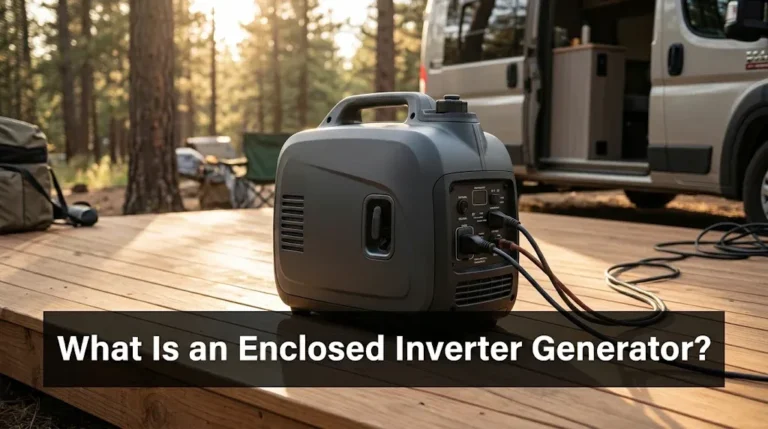
Small enclosed inverter generators suit tents, small RVs, tailgates, and light home loads. They are the quietest Pulsar class, the easiest to store, and the best choice when noise etiquette matters.
Expect these units to handle lights, phones, a laptop, a small fan, and a TV, but not a full RV air conditioner on their own. Parallel capability can help, so check whether the model supports a parallel kit.
Mid-size dual-fuel models for RV and home essentials
Mid-size models are the sweet spot for many buyers. They can run a fridge plus lights and small electronics, and many can start a smaller RV air conditioner when other loads are managed.
Dual fuel adds real flexibility during an outage. Propane does not go stale as fast as gasoline, and a spare propane tank is easy to store safely outdoors.
- Gasoline pros: Easy to find, simple to refuel, and familiar for most owners.
- Propane pros: Longer storage life, cleaner starts after sitting, and no carburetor gum from old gas.
- Trade-off to check: Running watts on propane are often lower than on gasoline, so read both ratings.
- Outlet check: Look for a 30-amp RV outlet if you plan to plug in an RV or a larger cord.
Larger open-frame inverter models for heavier loads
Larger open-frame inverter models offer more watts for home backup, job sites, and bigger RVs. They are louder and heavier than enclosed models, and they need more space and more fuel planning.
These units can still produce inverter-clean power, but the open frame does less to muffle engine sound. Place them farther from living areas and neighbors, and follow local noise rules.
Before you narrow the list, review what to look for in an inverter generator so you compare outlets, THD, noise, runtime, and warranty on equal terms. That checklist prevents the most common mistake, which is buying watts you cannot use through the outlets you have.
Section takeaway: Match the Pulsar size class to your real load list, check running watts on each fuel, and confirm outlets and parallel support before you buy.
Pulsar vs Honda, Yamaha, Champion, and WEN: How Does It Compare?
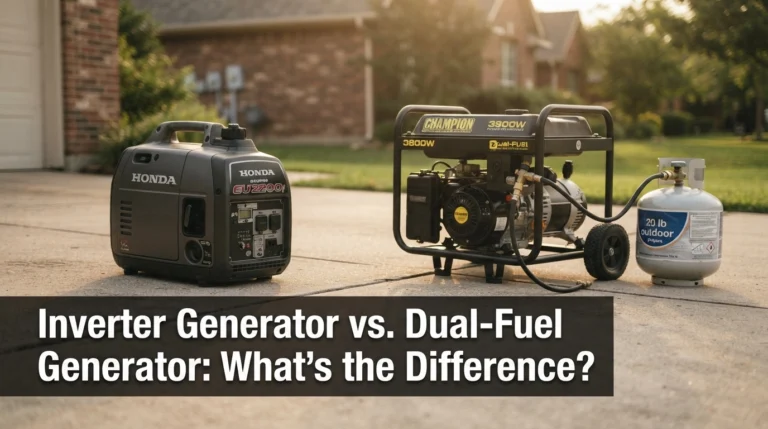
Pulsar wins on value and features, while Honda and Yamaha win on refinement, resale, and long service history. Champion and WEN sit closer to Pulsar, with strong value and large owner communities, so the choice often comes down to price, warranty, and local support.
No brand removes the need for sizing and maintenance. A well-kept Pulsar will outlast a neglected premium unit that sits with old fuel for a year.
| Brand tier | Typical strengths | Typical trade-offs | Best for |
|---|---|---|---|
| Pulsar | Low price, dual fuel, electric start, strong features | Variable service experience, louder large models | Budget home backup, RV, camping |
| Honda / Yamaha | Quiet operation, refined engines, strong dealer support | Higher price, fewer watts per dollar | Frequent use, noise-sensitive sites, long ownership |
| Champion | Good value, wide range, helpful support reputation | Quality varies by model line | Home backup, RV, dual-fuel buyers |
| WEN | Low price, light suitcase models, simple controls | Fewer large dual-fuel choices, basic finish | Camping, light backup, first-time buyers |
Use this table as a starting point, not a final verdict. Check the spec sheet for the exact models on your short list, because noise, runtime, and outlets vary widely within each brand.
Is Pulsar as quiet as Honda or Yamaha?
In general, no. Premium enclosed models are engineered for lower noise and smoother sound, especially at light loads in eco mode.
Pulsar enclosed models can still be campsite-friendly at a polite distance. Larger open-frame Pulsar models are better suited to open yards and job sites than to close-quarters camping.
Does Pulsar offer clean power for electronics?
Yes, Pulsar inverter models are designed to supply low-THD power for sensitive electronics. That is the core benefit of inverter design, and it applies across brands when the unit is sized and loaded correctly.
Overloading can still cause voltage dips and shutdowns. Keep your load within running watts, and stagger motor starts so the generator is not hit with two surges at once.
For a broader brand view, see what the best inverter generator brands offer across price tiers. Independent testing notes from Consumer Reports can also help you compare real-world noise and ease of use before you commit.
Section takeaway: Pulsar competes on value and features, premium brands compete on quiet refinement and support, and the best choice follows your budget and how often you will run the machine.
What Are the Most Common Pulsar Inverter Generator Problems?
Most Pulsar problems fall into four groups: fuel trouble, overloads, battery and starting trouble, and neglected maintenance. Each group is preventable with a short routine, and each one shows clear early signs.
Listen for surging, watch for hard starts, and note any new vibration or smell. Small changes are easier to fix than a dead unit during an outage.
Hard starting and stale fuel
Gasoline can go stale in as little as 30 to 90 days, depending on storage conditions and ethanol content. Stale fuel gums the carburetor, makes starting hard, and can cause surging or stalling under load.
Use fresh fuel, add stabilizer when you store gasoline, and run the carburetor dry or drain fuel per your manual for long storage. Propane models avoid much of this trouble, which is why dual fuel is popular for backup use.
Surging, overload shutoff, and low-oil shutdown
Surging often means the engine is hunting for fuel or the load is near the limit. Overload shutoff is a safety feature, not a defect, and it protects the generator and your appliances.
Low-oil shutdown also protects the engine. Check oil before each use, top up with the grade your manual specifies, and keep the unit level so the sensor reads correctly.
- Reduce the load: Unplug the largest load, restart, then add loads back one at a time.
- Turn off eco mode: Give the engine full speed for motor starts and heavy loads.
- Check the air filter: A dirty filter can starve the engine and cause rough running.
- Inspect the spark plug: A fouled plug can cause hard starts and misfires after storage.
Battery, electric start, and remote start issues
Electric-start batteries lose charge during storage. A dead battery does not mean a dead generator, but it does mean you will need the recoil starter or a charged battery.
Keep the battery charged, test remote start monthly, and store the unit where temperature swings are mild. Check cables and terminals for corrosion before outage season.
Safety note: Run generators outdoors and well away from windows, doors, and vents, and never run one in a garage, even with the door open. Follow generator safety guidance from the U.S. Consumer Product Safety Commission and your owner’s manual before use.
Section takeaway: Fuel, overload, battery, and maintenance issues cause most Pulsar complaints, and a short pre-use check catches nearly all of them early.
How Do You Make a Pulsar Inverter Generator Last Longer?
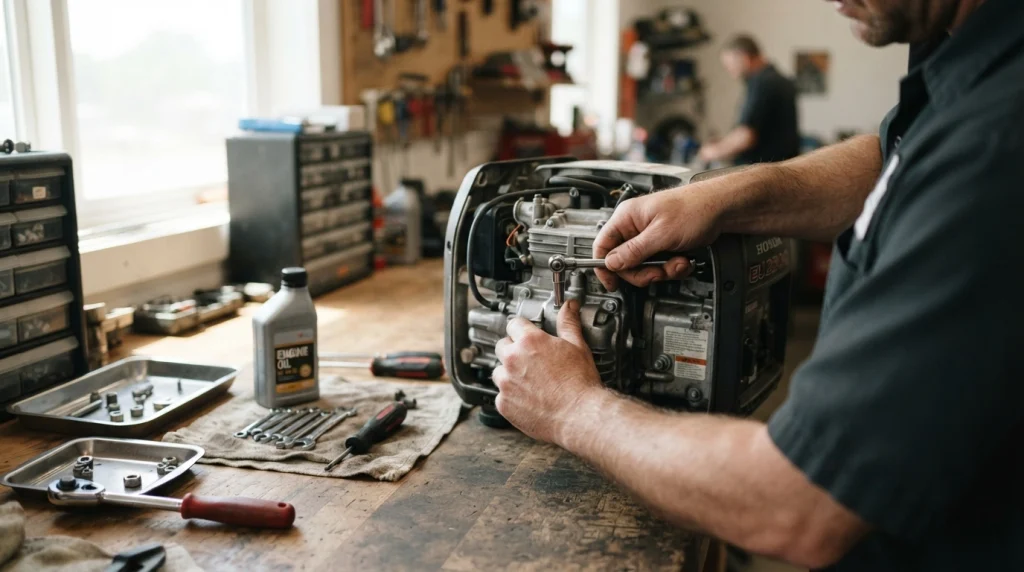
A simple routine will do more for reliability than any accessory. Break it in correctly, change oil on schedule, keep fuel fresh, and exercise the unit under load every month or two.
I keep a small log on my phone for each generator I test. Oil changes, fuel dates, and exercise runs take 30 seconds to note, and they prevent the guesswork that leads to stale-fuel failures.
Break-in and first oil change
Follow the break-in steps in your owner’s manual, including the first oil change interval. Break-in helps seat engine parts, and the first oil change removes metal particles from early wear.
Do not run a brand-new unit at full load for hours on its first outing. Vary the load, let it cool, and check for leaks, loose fasteners, and unusual noise.
Fuel and storage routine that prevents most failures
Fresh fuel is the single best reliability habit. Use the fuel type your manual specifies, store gasoline in approved containers away from living areas, and rotate stored fuel on a schedule.
For storage longer than a month, follow your manual for draining fuel, fogging, or using stabilizer. Cover the unit only when it is cool, dry, and off, and store it in a dry, ventilated space.
- Stabilize or drain: Treat stored gasoline or drain the tank and carburetor per the manual.
- Change oil and filter: Service before long storage so dirty oil does not sit in the engine.
- Charge the battery: Top up electric-start batteries and disconnect them if the manual advises it.
- Run it monthly: Start the unit, warm it up, and run a moderate load for 15 to 30 minutes.
- Inspect before use: Check oil, air filter, spark plug, cords, and outlet covers each season.
Safe placement and home hookups
A transfer switch is a device that safely connects a generator to home circuits and prevents backfeeding the utility lines. An interlock kit serves a similar safety role on a panel, and both should be installed by a licensed electrician.
Never plug a generator into a wall outlet, a practice known as backfeeding. It can injure utility workers and damage your home wiring, even if the power seems to work.
Safety note: Place the generator at least 20 feet from the house when possible, with exhaust pointed away from doors and windows, and use battery-powered carbon monoxide alarms indoors. Learn the signs of carbon monoxide exposure from the Centers for Disease Control and Prevention before outage season.
Section takeaway: Break-in, oil, fresh fuel, monthly exercise, and safe placement form a routine that keeps a Pulsar starting reliably for years.
Should You Buy a Pulsar Inverter Generator in 2026?
As of 2026, Pulsar remains a smart buy for value-focused shoppers who need occasional backup power and are willing to maintain the machine. It is less ideal if you need daily power, whisper-quiet operation, or a local dealer network for fast service.
Buy for your real load list, not for a sale price. A smaller unit that starts every time beats a larger unit that overloads, guzzles fuel, and annoys the neighbors.
Buy a Pulsar if this sounds like you
You want backup for essentials during short outages, weekend RV power, or campsite use a few times per year. You are comfortable with basic maintenance, and you will store fuel correctly.
- Budget matters: You need dual fuel or electric start without paying a premium price.
- Use is occasional: You run the unit for outages, trips, and tailgates, not every day.
- Loads are modest: Your list fits within running watts with headroom for motor starts.
- You will maintain it: You will exercise it, change oil, and keep fuel fresh.
Consider another brand if this sounds like you
You need power for medical equipment, a well pump, or a full home through multi-day outages. You camp in quiet campgrounds with strict noise rules, or you want the longest proven service life.
In those cases, compare premium enclosed models and standby options before you decide. A closer look at whether Champion inverter generators are good and reliable is also useful, since Champion often competes directly with Pulsar on price and features.
What to check before you buy
Read the spec sheet for running watts on each fuel, THD, outlet types, tank size, and runtime at partial load. Check warranty length, what it covers, and how service is handled in your area.
Test the unit soon after delivery, while return windows are open. Run it outdoors, test each outlet, check electric start and eco mode, and run your largest planned load alone first.
Section takeaway: Pulsar is worth buying when your loads, budget, and maintenance habits align, and it is worth skipping when you need premium quiet, daily duty, or whole-home coverage.
Frequently Asked Questions About Pulsar Inverter Generators
Are Pulsar inverter generators good for home backup?
Yes, for essential loads during short outages when the unit is sized correctly. A mid-size model can run a fridge, lights, router, and small electronics, but whole-home backup needs a larger system, a transfer switch, and a licensed electrician.
How long do Pulsar inverter generators last?
Lifespan depends on hours run, load, and maintenance more than calendar age. Occasional users who change oil, use fresh fuel, and exercise the unit regularly often get years of service, while heavy daily use will wear any portable unit faster.
Are Pulsar inverter generators quiet enough for camping?
Smaller enclosed Pulsar models are generally campsite-friendly at a polite distance, especially in eco mode at light loads. Larger open-frame models are louder and suit open yards, job sites, and RV parks with more space better.
Can a Pulsar inverter generator run a refrigerator and a CPAP machine?
Yes, many mid-size models can run both if the combined running watts fit with headroom. Start the fridge first, let it settle, then add the CPAP and other small loads, and check the spec sheet for running watts and outlets.
Is dual fuel worth it on a Pulsar inverter generator?
Dual fuel is worth it if you store fuel for outages or hate stale-gasoline trouble. Propane stores longer and starts cleaner after storage, though running watts on propane are often lower, so check both ratings before you buy.
What should I do if my Pulsar inverter generator will not start?
Check fuel freshness, oil level, battery charge, and the fuel valve first, then inspect the air filter and spark plug. If it still will not start after fresh fuel and basic checks, follow your manual and contact support rather than forcing repeated starts.
Final Takeaway: Is Pulsar a Safe Bet?
Pulsar inverter generators are a safe bet for buyers who want value, useful features, and reliable occasional power. They reward the owner who sizes correctly, uses fresh fuel, and runs the machine on a regular schedule.
If that sounds like you, short-list two or three sizes, compare spec sheets side by side, and test your pick early. Good preparation turns a budget generator into a dependable backup plan.

Hi, I’m Michael Turner. I own a generator workshop in the United States and founded HomeGeneratorBlog to share practical, hands-on guidance about generator installation, maintenance, troubleshooting, safety, and backup power solutions. My goal is to help homeowners make smarter, more confident decisions through clear and reliable information