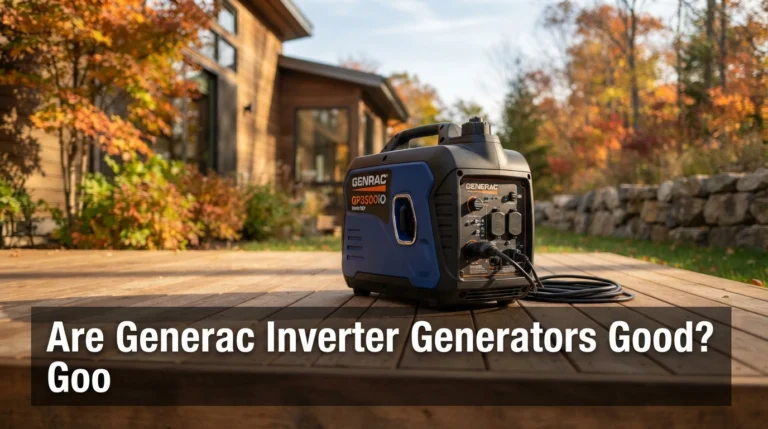
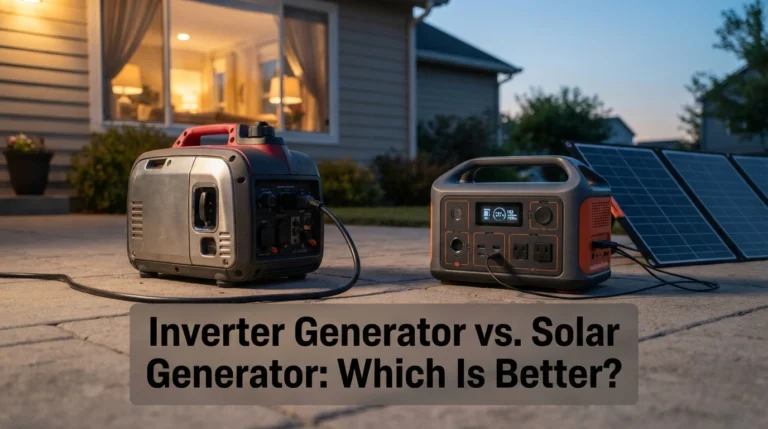
Are Predator Inverter Generators Any Good? Honest 2026
Quick Answer
Yes, Predator inverter generators are good for most people who need quiet, clean power for camping, RV trips, and light home backup. They cost far less than a Honda, they run electronics safely, and the larger models can hold a fridge and a few lights. They are not the best pick if you want the longest proven track record or the widest dealer network, so check the best Predator portable generator options before you settle on a size.
The short verdict
- Good value: You get inverter power, low noise, and parallel capability for far less than premium brands.
- Clean power: Inverter output suits phones, laptops, CPAP machines, and other sensitive electronics.
- Right size matters: A small unit will not run a fridge and an air conditioner at the same time.
- Care counts: Fresh fuel, regular oil changes, and a proper break-in make the biggest difference to life span.
- Know the trade-off: Support comes mainly through Harbor Freight, not a large network of small-engine dealers.
Start here
- Add up the running watts of everything you plan to run at once, then add the highest starting watts on top.
I’ve run Predator inverter generators at campsites, in an RV driveway, and through a short outage at home. They surprised me in a good way more than once.
This guide goes deeper than a yes-or-no answer. You’ll see what Predator does well, where it falls short, how it compares with Honda and Champion, and how to pick the right size so you don’t buy twice.
In This Guide
- What Is a Predator Inverter Generator?
- Are Predator Inverter Generators Good for Home Backup?
- How Reliable Are Predator Inverter Generators Over Time?
- How Quiet Are Predator Inverter Generators?
- Predator vs Honda vs Champion: How Do They Compare?
- Which Predator Inverter Generator Size Should You Choose?
- What Problems Do Predator Owners Report Most?
- Are Predator Inverter Generators Worth the Money?
- Frequently Asked Questions
What Is a Predator Inverter Generator?
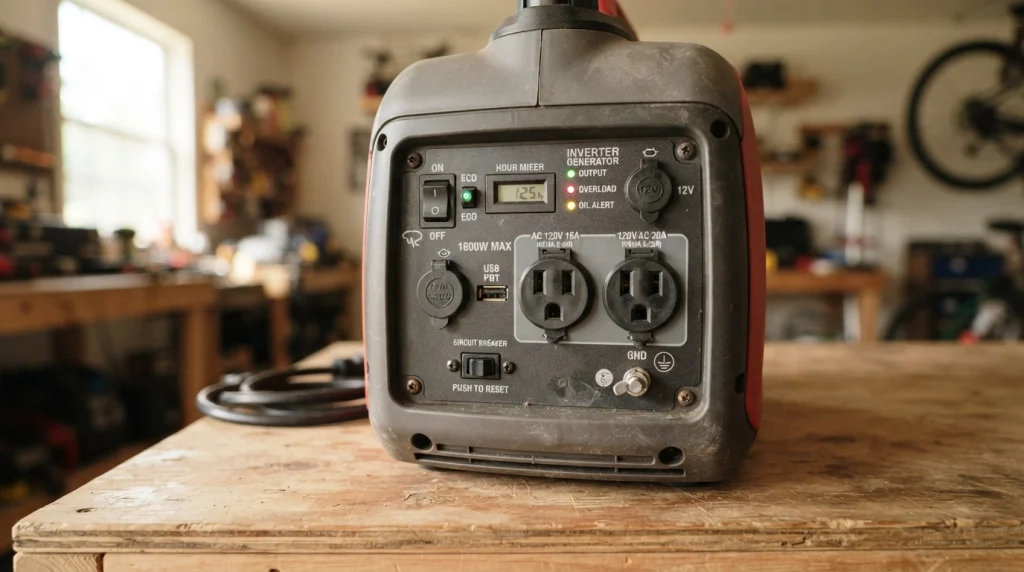
An inverter generator is a portable generator that makes clean, steady power for sensitive electronics. It creates alternating current, turns it into direct current, then turns it back into clean alternating current.
That extra step is what keeps voltage and frequency steady. Your laptop, phone charger, and CPAP machine get power they can trust.
Predator is Harbor Freight’s house brand for portable power. Its inverter models sit in the small and mid-size range, built for camping, tailgating, RV use, and light home backup.
How does an inverter generator differ from a regular generator?
A regular open-frame generator runs at one fixed speed. It is louder, heavier, and its power output can waver under load.
An inverter generator changes engine speed to match the load. It runs slower at light load, which saves fuel and cuts noise.
That is why inverter models are the normal pick for campsites and RV parks. They are also the safer pick for electronics, thanks to low total harmonic distortion, or THD, which is a measure of how clean the power wave is.
For a fuller breakdown, see our guide to the Predator portable generator review range and how the inverter models fit inside it.
Section takeaway: A Predator inverter generator is a budget-priced inverter unit built for quiet, clean portable power, and its main strength is value, not premium build.
Are Predator Inverter Generators Good for Home Backup?
Yes, for light home backup. A mid-size Predator inverter can keep a fridge cold, run lights and phones, and power a CPAP machine overnight.
It will not run a whole house. A furnace blower, a sump pump, and a window air conditioner together will push a small unit into overload.
I learned this during a two-day outage. My fridge, a few LED lights, and my phone chargers ran fine on a mid-size inverter.
What can a Predator inverter generator run in an outage?
Start with the loads that matter most. A fridge typically needs only a modest amount of running watts, but it needs a short surge to start its compressor.
- Fridge: Low running watts, but a clear starting surge when the compressor kicks in.
- CPAP machine: Very low watts, and a good test of clean inverter power overnight.
- LED lights and phones: Tiny loads that any inverter model can handle easily.
- Sump pump: Higher starting watts, so check the pump label before you count on it.
- Window AC: Often the load that breaks the plan, so size for it first if you need it.
Add the running watts of everything you want at once. Then add the largest single starting watts on top of that total.
That sum is your minimum size. If it sits close to the generator’s limit, go up a size or run fewer loads at once.
Safety note: Run any generator outdoors, at least 20 feet from your home, and well away from windows, doors, and vents. Never run it in a garage, even with the door open. Use a transfer switch or interlock installed by a licensed electrician for any home hookup, and check your owner’s manual before use.
Section takeaway: Predator inverter generators handle light home backup well, but they are not whole-house machines, so size them for your biggest load first.
How Reliable Are Predator Inverter Generators Over Time?
Predator inverter generators are reliable enough for most owners when they are used and stored the right way. They do not have Honda’s decades-long record, but they have a large owner base now.
The most common reliability story I hear is simple. Owners who follow the break-in, change the oil, and use fresh fuel get steady service.
Owners who leave old fuel in the tank for months often get hard starts. That is true of almost every small gasoline generator, not just Predator.
What affects Predator reliability most?
Fuel is the first factor. Gasoline goes stale in weeks, and stale fuel clogs the carburetor.
Use fresh fuel, add stabilizer if you store it, and run the carburetor dry before long storage. That one habit prevents most no-start calls.
Oil is the second factor. Small engines hold very little oil, so low oil can shut the unit down or wear it fast.
Check the oil before each use. Change it on the schedule in your manual, and sooner after the first break-in hours.
Inverter generators in general hold up well when they are not overloaded, and the same pattern shows up in our look at whether inverter generators are more reliable than regular generators.
Section takeaway: Predator reliability is solid for the price when you use fresh fuel, keep the oil full, and leave a load margin.
How Quiet Are Predator Inverter Generators?
Predator inverter generators are quiet for gasoline generators. At light load, you can hold a normal talk nearby without raising your voice.
They are not silent. Any gasoline engine makes noise, and the sound rises as the load rises.
At a campsite, that matters. A loud generator at night will draw complaints fast, and many campgrounds set quiet hours.
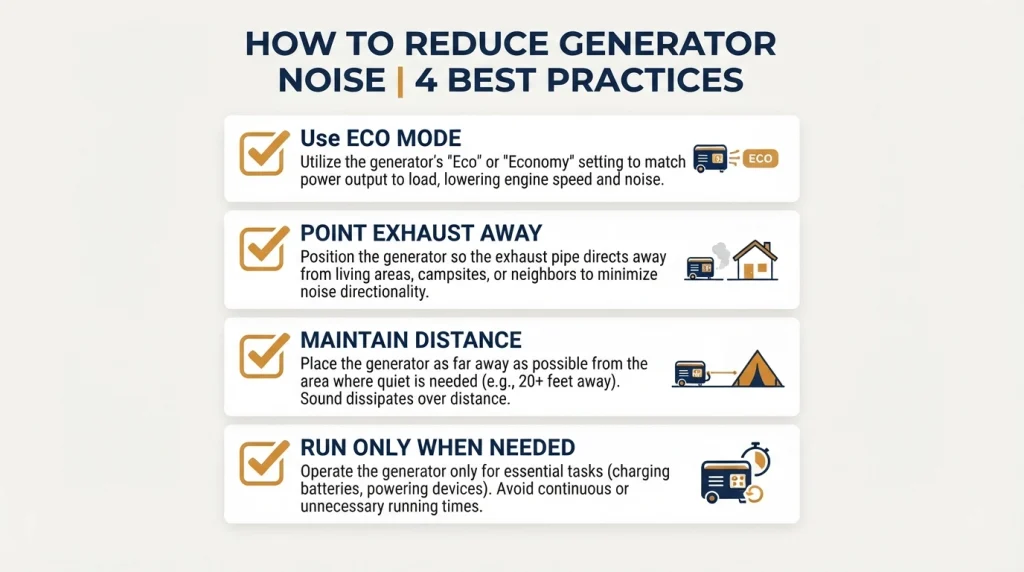
Use eco mode when the load is light. The engine slows down, fuel use drops, and noise falls with it.
How do you keep a Predator quiet at a campsite?
- Use eco mode: Let the engine slow down at light load instead of running flat out.
- Point the exhaust away: Aim it away from tents, neighbours, and your own seating area.
- Keep distance: A few extra feet of space cuts the sound you hear more than any cover will.
- Run it only when needed: Charge devices and run the fridge, then shut it down for quiet hours.
That load effect is one reason inverter models beat open-frame models for camping, as explained in our guide to whether inverter generators are quieter than conventional generators.
Safety note: Never place a generator close to a tent, RV window, or door to cut noise. Carbon monoxide is colourless and odourless, and it can build up fast in still air.
Section takeaway: Predator inverter models are quiet enough for most campsites in eco mode, but load and placement still decide how loud they feel.
Predator vs Honda vs Champion: How Do They Compare?
The honest answer is that each brand wins on a different point. Predator wins on price, Honda wins on track record, and Champion often sits in the middle.
Here is how the three brands line up in general terms, as of 2026. Check the spec sheet for any exact model before you buy, because sizes and features change by model year.
| Feature | Predator | Honda | Champion |
|---|---|---|---|
| Typical price | Lowest of the three | Highest of the three | Mid-range |
| Track record | Shorter, growing fast | Longest, best proven | Long, well known |
| Noise | Quiet in eco mode | Very quiet | Quiet in eco mode |
| Clean power | Yes, inverter output | Yes, inverter output | Yes, inverter output |
| Support network | Harbor Freight stores | Wide dealer network | Wide retail and online |
| Best for | Value-first buyers | Buy-once buyers | Balanced buyers |
If you camp a few weekends a year, Predator gives you most of the Honda experience for far less money. If you run a generator for work every week, Honda’s dealer support and long record may be worth the extra cost.
For the basic inverter-versus-regular choice behind all three, see our inverter generator vs regular generator comparison.
Section takeaway: Predator leads on value, Honda leads on proven life and support, and Champion offers a middle path.
Which Predator Inverter Generator Size Should You Choose?
Size is the choice that causes the most regret. Buy too small and you trip the overload. Buy too large and you haul extra weight and burn extra fuel.
Start with your real load list. Write down each item, its running watts, and its starting watts.
Then group your loads into three use cases. Camping needs the least power, RV use needs more, and home backup needs the most headroom.
What size works for camping?
A small inverter in the 2,000-watt class covers phones, lights, a small fan, and a laptop. It is light enough to carry with one hand.
It will not run a microwave or a large air conditioner. Plan your meals and cooling around that limit.
What size works for an RV?
A mid-size inverter in the 3,500-watt class is the sweet spot for many RV owners. It can run a fridge, lights, and a small air conditioner, though not always all at once.
Check your RV air conditioner label first. Its starting watts often decide the size you need.
What size works for home backup?
A larger inverter in the 5,000-watt class gives you real headroom for a fridge, lights, a CPAP machine, and a sump pump. It still will not run a whole house.
The U.S. Department of Energy has general guidance on home backup power planning, and the Energy.gov site is a good place to start that planning.
Safety note: Never backfeed your home through a wall outlet. Use a transfer switch or interlock installed by a licensed electrician, and check your owner’s manual before use.
Section takeaway: Pick the size from your load list, not from the box, and leave room for the biggest starting surge.
What Problems Do Predator Owners Report Most?

No generator brand is free of complaints. Predator owners report the same small-engine issues you see across budget brands.
The good news is that most of them are preventable. The bad news is that they show up fast when you skip maintenance.
Hard starting after storage
This is the top complaint. The cause is usually stale fuel in the carburetor.
Fix it by using fresh fuel and running the carburetor dry before storage. If it still will not start, check the spark plug and the fuel valve first.
Overload trips
Overload trips happen when the load exceeds the rated output. A fridge compressor and an air conditioner starting at the same moment can do it.
Stagger your starts. Turn on the biggest load first, let it settle, then add the next load.
These are the same trade-offs that show up across inverter models, and our guide to the disadvantages of inverter generators covers them in more detail.
Section takeaway: Most Predator problems trace back to stale fuel, overload, or skipped maintenance, not to a single hidden fault.
Are Predator Inverter Generators Worth the Money?
Yes, for most buyers in this price range. You get quiet inverter power, clean output for electronics, and a useful size range for far less than a premium brand.
The value case is strongest if you use the generator a few times a month or less. Weekend camping, RV trips, tailgating, and short outages fit that pattern well.
The value case weakens if you need daily job-site power or a whole-house backup plan. In that case, a larger conventional generator or a standby unit may fit better.
Consumer Reports tests generators for noise, power quality, and ease of use, and its Consumer Reports generator coverage is a useful second check before you spend.
Section takeaway: Predator inverter generators are worth the money for value-first buyers who size them right and maintain them.
Frequently Asked Questions
Are Predator inverter generators good for RV use?
Yes, a mid-size Predator inverter suits many RV trips. It can run a fridge, lights, and a small air conditioner, though you should check the air conditioner starting watts first and stagger large loads.
Can a Predator inverter generator run a refrigerator?
Yes, most mid-size models can run a standard fridge. Add the fridge starting watts to your other running watts first, and keep a margin so the compressor start does not trip the overload.
Are Predator inverter generators safe for electronics?
Yes, inverter output is made for sensitive electronics. It gives clean, steady power for laptops, phones, and CPAP machines, which is the main reason to choose an inverter over an open-frame generator.
How long do Predator inverter generators last?
Life span depends on use and care, not on a fixed number of hours. Fresh fuel, regular oil changes, a proper break-in, and a load margin all extend life, while stale fuel and constant overload shorten it.
Are Predator inverter generators quiet enough for camping?
Yes, in eco mode at light load they are quiet enough for most campsites. Noise rises with load, so keep distance, point the exhaust away, and respect quiet hours.
Is a Predator inverter generator better than a regular generator?
For camping, RV use, and electronics, yes. Inverter models are quieter, lighter, and give cleaner power, while regular open-frame models are cheaper per watt and better for heavy, rough loads.
If you need quiet, clean portable power without paying a premium price, a Predator inverter generator is a sound pick. Size it from your real load list, break it in properly, and keep the fuel fresh.
Carbon monoxide safety matters with every gasoline generator, so read the CPSC generator safety guidance and the CDC carbon monoxide guidance before your first run. Then enjoy the quiet power on your next trip.

Hi, I’m Michael Turner. I own a generator workshop in the United States and founded HomeGeneratorBlog to share practical, hands-on guidance about generator installation, maintenance, troubleshooting, safety, and backup power solutions. My goal is to help homeowners make smarter, more confident decisions through clear and reliable information