Is It Legal to Generate Your Own Electricity?
Quick Answer
Yes, it is generally legal to generate your own electricity in the United States for personal use. However, permits, electrical codes, utility interconnection rules, zoning requirements, and environmental regulations may apply depending on your equipment and whether you connect it to the grid. If you’re using a portable generator for home backup, a properly installed generator transfer switch is an important part of a safe house-connected system.
What usually determines whether your setup is allowed?
- Personal use: Producing electricity for your own home is generally allowed.
- Grid connection: Connecting a generator, solar array, or other source to utility wiring normally requires approved interconnection equipment.
- Electrical permits: Permanent wiring changes may require permits and inspections under locally adopted codes.
- Local rules: Noise, fuel storage, setbacks, emissions, and zoning rules can affect generator installations.
- Selling electricity: Exporting or selling power can trigger utility tariffs and additional state or federal requirements.
My practical rule
- Generating electricity is usually the easy part legally. Connecting that electricity to a building or utility grid is where you need to check the rules carefully.
I get why people ask this question. Once you buy a generator, solar system, or other power source, it feels like you should be able to make electricity on your own property without asking anyone.
For the most part, you can. The important exceptions involve how the equipment is installed, how electricity enters your home’s wiring, and whether you send power onto the utility grid.
Is It Legal to Generate Your Own Electricity at Home?
Yes, homeowners can generally generate electricity for their own use. There isn’t a broad U.S. law that prohibits a homeowner from producing electricity simply because a utility also serves the property.
You can produce electricity using several common technologies:
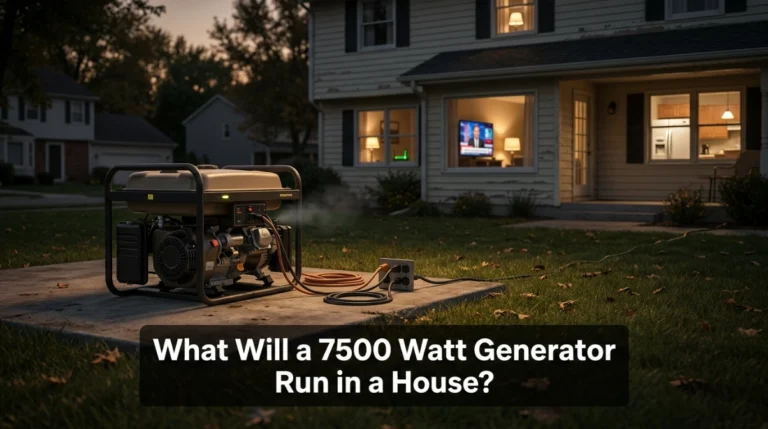
- Portable gasoline generators
- Propane or dual-fuel generators
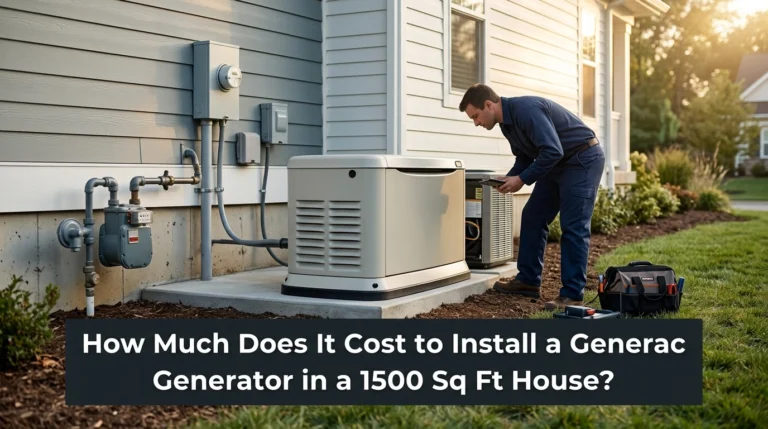
- Permanent standby generators
- Solar photovoltaic panels
- Small wind systems where local rules allow them
- Micro-hydroelectric equipment on suitable properties
- Battery systems charged from an independent energy source
Self-generation simply means producing electrical energy yourself instead of obtaining all of it from the utility grid.
The legal questions usually begin after generation. How you wire, locate, fuel, and connect the system matters much more.
When Do You Need Permission to Generate Your Own Electricity?
You may need approval when your power system changes permanent wiring, connects to the utility grid, or involves equipment covered by local permits. Requirements vary by state, municipality, utility, and installation type.
I separate these situations into four basic categories when thinking through a project.
| Setup | Typical Situation | Utility Approval | Local Permit May Apply? |
|---|---|---|---|
| Portable generator powering appliances directly | Appliances connect to generator outlets with suitable cords | Usually no | Local operating rules can still apply |
| Generator connected to home circuits | Transfer equipment connects generator to permanent wiring | Usually not for simple backup operation, but utility/local rules vary | Often |
| Grid-tied solar or other generation | System operates in parallel with utility service | Normally yes | Commonly |
| Fully off-grid system | Property doesn’t electrically parallel with utility supply | Generally not for interconnection | Building, electrical, zoning, or occupancy rules may still apply |
The table is a starting point, not a substitute for local requirements. Municipal electrical departments and utilities can impose rules specific to your address.
Can I Generate Electricity Without Connecting to the Grid?
Yes. An independent generator can produce electricity without operating in parallel with the utility grid. Portable generators used during outages are the most familiar example.
You might plug a refrigerator, freezer, lights, or other equipment directly into generator receptacles. That keeps the generator electrically separate from the home’s utility connection.
Before choosing a unit, I recommend calculating the loads you intend to run rather than buying solely by advertised peak wattage. My guide on what size generator a home needs explains running watts and starting demand in more detail.
What if I want the generator to power my electrical panel?
Once a generator supplies permanent household circuits, isolation becomes essential. Utility power and generator power must not be allowed to connect in an unsafe way.
Approved transfer equipment handles that job. A qualified electrician can determine whether a transfer switch or another permitted configuration is appropriate for your panel.
Never try to energize a house by plugging a generator into a dryer outlet, range outlet, or standard wall receptacle. That can create dangerous backfeed, meaning generator electricity flows backward into wiring that may be expected to be de-energized.
Is It Legal to Connect Your Own Generator to the Power Grid?
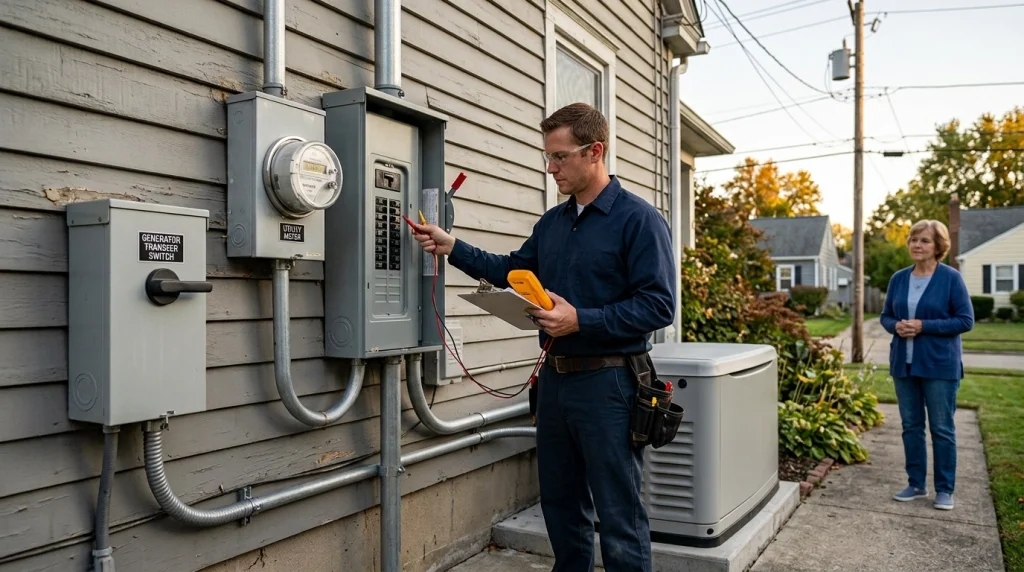
You generally can’t simply connect generating equipment in parallel with the utility grid without following applicable interconnection requirements. Grid connection is different from producing electricity solely for yourself.
The Federal Energy Regulatory Commission maintains generator-interconnection rules within its jurisdiction. Residential systems can also fall under state, local, and utility-specific processes.
A typical grid-connected project can involve:
- An interconnection application
- Approved inverters or other listed equipment
- Electrical permits
- Inspection
- A utility-compatible meter
- Required disconnecting or protective equipment
- An interconnection agreement
Don’t assume that buying grid-capable equipment automatically gives permission to energize it. The utility needs to know when privately owned equipment can put power onto its system.
Can You Sell Electricity You Generate Yourself?
Sometimes, but generating electricity and selling electricity are legally different activities. Compensation rules depend heavily on the state, utility, system type, and applicable tariff.
Residential solar owners often hear terms such as net metering or net billing. These describe arrangements under which exported electricity may receive a credit or other compensation.
The rate isn’t automatically the same as the retail price you pay for electricity. Programs, eligibility limits, and compensation structures differ between jurisdictions.
Large-scale electricity sales involve a different regulatory environment entirely. That’s far beyond what most homeowners encounter with backup generators.
Do You Need a Permit for a Home Generator?
A portable generator used as movable equipment may not require the same permits as a permanently installed standby system. Permanent electrical, gas, structural, or fuel-system work can require local approval.
A standby generator installation can involve several regulated parts:
- Electrical connection to the service panel
- Automatic transfer equipment
- Natural-gas or propane piping
- Concrete or manufactured mounting pads
- Required clearances
- Property-line setbacks
- Noise restrictions
- Inspection requirements
I wouldn’t buy a large permanent generator before checking these requirements. A perfectly good generator can become an expensive problem if the planned location violates a setback or equipment-clearance rule.
Are There Laws About Where You Can Run a Generator?
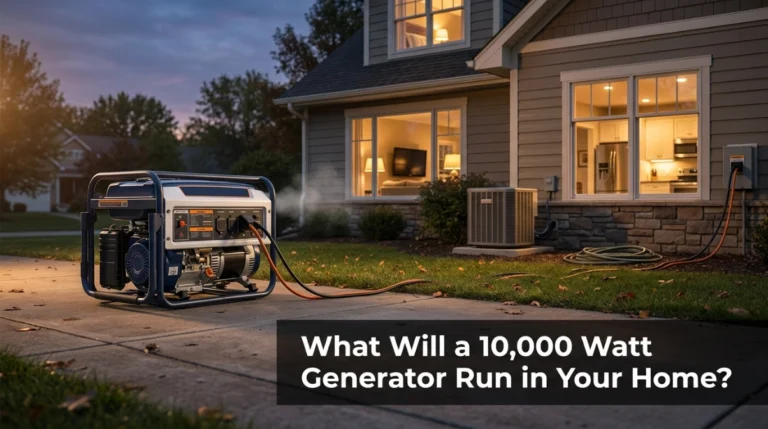
Local rules can govern noise and equipment placement, while generator exhaust creates a separate life-safety issue regardless of local permitting. Fuel-burning portable generators produce carbon monoxide.
The U.S. Environmental Protection Agency advises operating fuel-powered portable generators outdoors and at least 20 feet from buildings. Exhaust should point away from doors, windows, and vents.
Never move a running generator into a garage because of rain. An open garage door doesn’t make an enclosed or partly enclosed location safe.
My full guide to where to place a portable generator covers distance, exhaust direction, weather, cords, and surrounding structures.
Does generator grounding affect legality?
Grounding and bonding requirements depend on how a generator is designed and connected. A separate ground rod isn’t automatically required for every portable generator.
The equipment manual and the connection method both matter. See my guide on how to ground a portable generator before assuming one grounding arrangement fits every situation.
Is Going Completely Off Grid Legal?
Producing your own off-grid electricity doesn’t automatically exempt a property from building, electrical, zoning, or occupancy rules. That’s an important distinction.
People sometimes hear “off grid” and assume it means “outside regulation.” It doesn’t.
A local government may still regulate:
- Electrical installations
- Building occupancy
- On-site fuel storage
- Solar-array placement
- Wind-turbine height and setbacks
- Noise
- Permanent generator installations
- Fire-safety requirements
Rules vary enough that a claim about off-grid legality in one state or county shouldn’t be applied nationally. Check the authority having jurisdiction for the property before building a permanent independent-power system.
What Is the Difference Between Generating Power and Backfeeding?
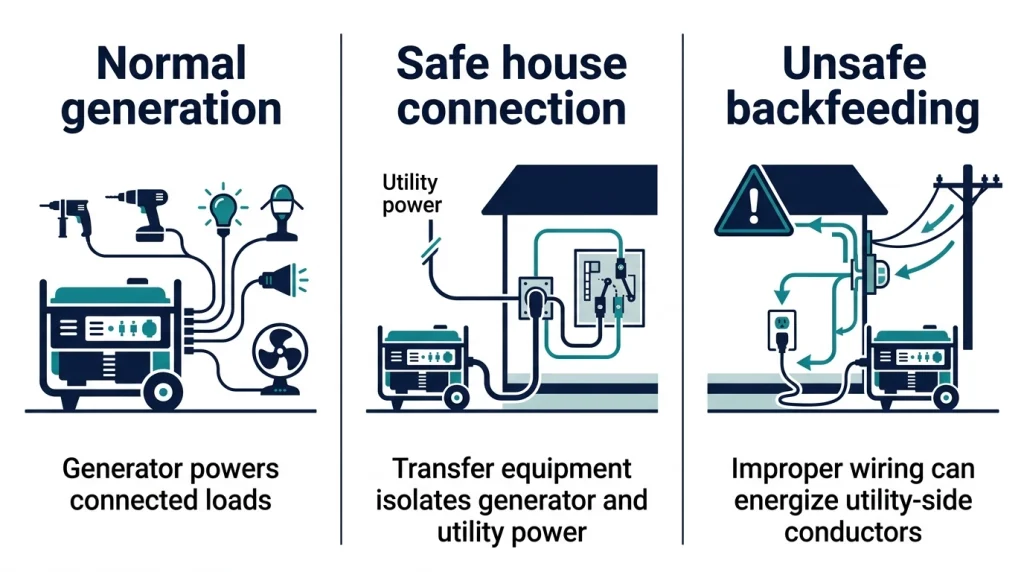
Generating power is normal. Backfeeding becomes dangerous when a generator energizes household or utility wiring without proper isolation.
This distinction causes a lot of confusion.
- Normal generation: A generator produces power for connected loads.
- Safe house connection: Approved transfer equipment isolates generator power from utility power.
- Unsafe backfeeding: A generator is connected through an improper receptacle or wiring arrangement that can energize utility-side conductors.
I’ve always treated the connection method as part of the generator itself. A powerful, reliable generator doesn’t create a safe backup system if the wiring method is wrong.
What Should You Check Before Generating Your Own Electricity?
Start with the connection method, then check local requirements and equipment safety. That catches most of the issues homeowners run into.
- Decide what you’re powering. Determine whether you need individual appliances, selected circuits, or whole-home backup.
- Calculate electrical demand. Include running loads and motor-starting surges.
- Choose the connection method. Use properly rated cords for direct loads or approved transfer equipment for permanent household circuits.
- Check permits. Ask your local electrical or building authority about permanent installation requirements.
- Check utility rules. Do this before operating equipment in parallel with the grid.
- Confirm generator placement. Keep combustion generators outdoors and safely away from occupied structures.
- Follow manufacturer instructions. Grounding, neutral configuration, clearances, fuel, and operating procedures vary by model.
If I’m planning backup power for a house, I work backward from the loads. That usually produces a better system than buying the biggest generator available and deciding how to connect it afterward.
Portable Generator vs Standby Generator vs Solar
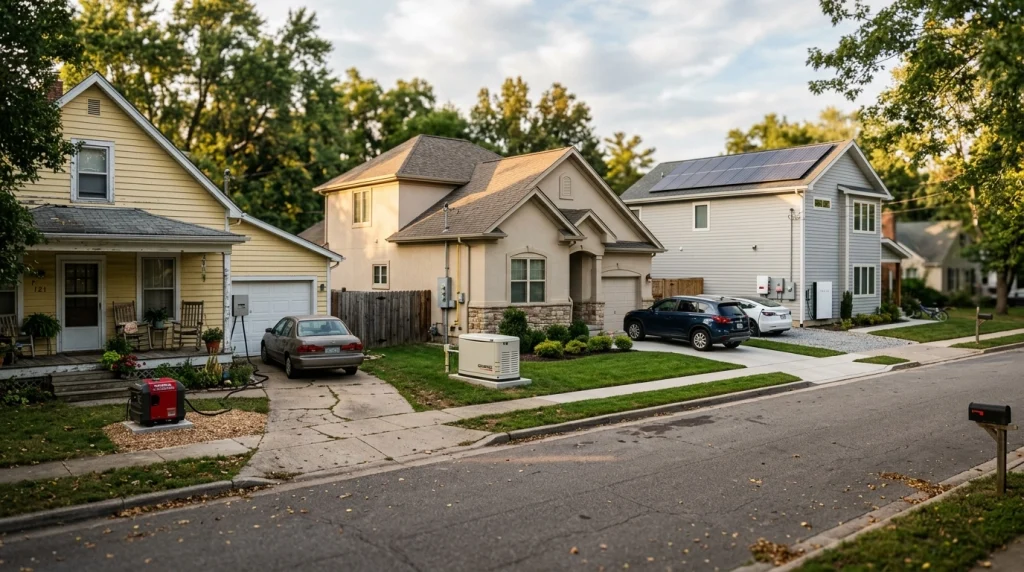
All three can legally generate home electricity, but they interact with permits and the grid differently. Your intended use determines which rules matter most.
| System | Common Purpose | Typical Connection | Main Regulatory Question |
|---|---|---|---|
| Portable generator | Temporary backup power | Extension cords or manual transfer equipment | Safe wiring, placement, noise, and local electrical rules |
| Standby generator | Automatic home backup | Permanent automatic transfer equipment | Electrical, fuel, zoning, placement, and permit requirements |
| Grid-tied solar | Daily energy production | Grid-interactive inverter | Permitting and utility interconnection |
Generator Equipment I’d Consider for a Home Backup Setup
If your goal is legal, practical emergency power rather than operating an independent power plant, these are the types of products I’d consider first.
🏆 Best for Home Backup
Westinghouse Dual-Fuel Portable Generators
★★★★☆ 4.7/5
Westinghouse offers several high-output models with gasoline and propane operation plus 120/240-volt home-backup connections. I like dual-fuel equipment because stored propane gives homeowners another option when gasoline availability becomes uncertain during an outage.
⚡ Best Transfer Setup
Reliance Controls Pro/Tran 2 310CRK
★★★★☆ 4.7/5
This 30-amp manual transfer-switch kit is designed for selected home circuits and compatible portable generators. I prefer a dedicated transfer system when someone wants refrigeration, lighting, a furnace blower, pumps, and other fixed circuits available during an outage.
🔌 Best for Simple Loads
Southwire Heavy-Duty Generator Extension Cord
★★★★☆ 4.6/5
A properly rated outdoor generator cord can be the simplest approach when you’re powering appliances directly instead of connecting household circuits. I prefer heavy-duty cords with clearly marked amperage and outdoor ratings rather than adapting ordinary indoor cords.
Frequently Asked Questions
Can I legally use a generator instead of utility electricity?
Yes, you can generally use a generator to produce electricity for your own loads. Permanent installations, home-wiring connections, fuel systems, noise, and zoning may still be regulated locally, so check applicable requirements before making a permanent change.
Can the electric company stop me from generating my own electricity?
A utility generally doesn’t control electricity you produce solely for independent private loads. However, it can require compliance with its interconnection rules before privately owned equipment operates in parallel with or exports power to its grid.
Do I need an electrician to connect a generator to my house?
If the generator will feed permanent household wiring, using a qualified electrician is the sensible approach. Transfer equipment, conductor sizing, neutral configuration, grounding, panel compatibility, permits, and locally adopted electrical requirements all have to work together.
Is it illegal to backfeed a generator into a house?
Improvised backfeeding through a household receptacle is unsafe and can energize wiring unexpectedly. Use approved transfer or interlock equipment appropriate for the electrical system rather than a male-to-male cord or another improvised connection.
Can I live completely off grid and make all my own electricity?
It may be possible, but off-grid living remains subject to applicable state and local rules. Electrical work, building occupancy, septic systems, water supply, fuel storage, zoning, generator placement, and renewable-energy equipment may each be regulated separately.
Final Takeaway
Yes, generating your own electricity is generally legal. The bigger legal and safety questions involve where the equipment goes, how it’s wired, and whether it connects to the utility grid.
For a portable generator, keep the electrical setup simple and safe. Use direct appliance connections or approved transfer equipment, follow local requirements, and never improvise a connection to your home’s wiring.
For solar, wind, or another grid-connected source, check the utility interconnection process before energizing the system. That one step separates private electricity generation from unauthorized grid connection.

Hi, I’m Michael Turner. I own a generator workshop in the United States and founded HomeGeneratorBlog to share practical, hands-on guidance about generator installation, maintenance, troubleshooting, safety, and backup power solutions. My goal is to help homeowners make smarter, more confident decisions through clear and reliable information