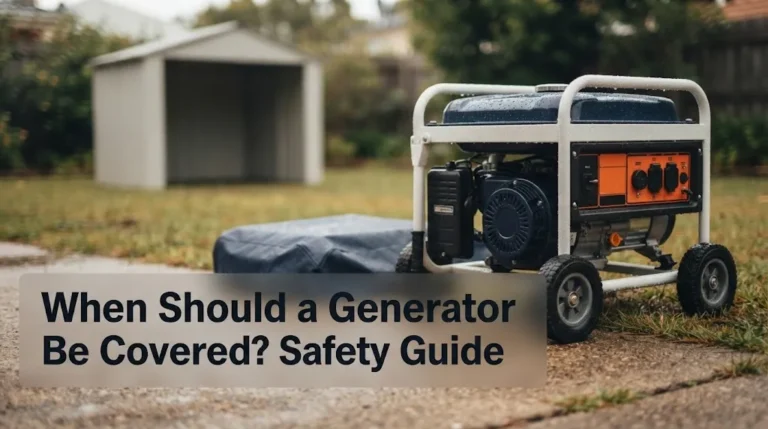
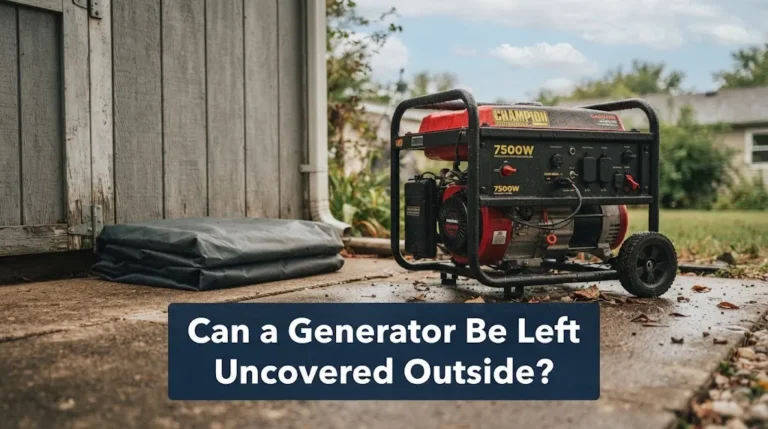
How to Protect a Generator Engine from Water
Quick Answer
Protect a generator’s engine from water by keeping the air intake, spark plug area, fuel system, and electrical connections dry; placing the machine on stable ground away from runoff; and using only manufacturer-approved weather protection. Never wrap a running generator in a tarp or operate it in an enclosed space. If water enters the engine or electrical system, stop using the generator until it has been properly checked.
Where Can Water Enter a Generator’s Engine?
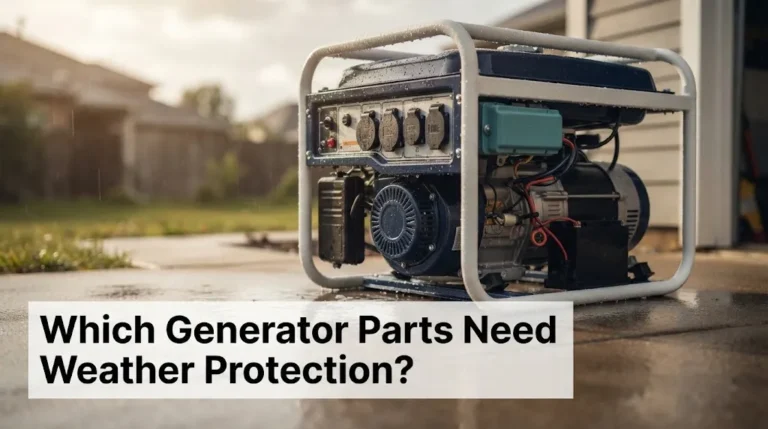
Water can reach a generator engine through its air intake, exposed openings, damaged seals, or fuel contaminated with water. Rain can also affect nearby ignition components and electrical equipment, even when the engine itself appears relatively protected.
The most important distinction is between water on the outside of the engine and water inside a component. A wet exterior does not automatically mean the engine is damaged, but moisture inside the intake, cylinder, fuel system, or electrical components can cause problems that are not visible from the outside.
- Air intake and air filter: Water entering the intake can soak the filter and potentially travel toward the engine’s cylinders.
- Spark plug and ignition area: Moisture around ignition components can interfere with starting or engine operation.
- Fuel tank and fuel system: Water contamination can cause rough running, stalling, or failure to start.
- Electrical outlets and control panel: Water can create shock hazards, short circuits, and equipment damage.
- Engine housing and metal surfaces: Repeated exposure to moisture can promote corrosion, particularly around damaged finishes and fasteners.
These areas need different forms of protection. A waterproof exterior cover cannot guarantee that the intake remains dry, and keeping the engine dry does not automatically make wet electrical connections safe.
How Do You Protect a Generator Engine from Water?
The best approach is to prevent water from reaching vulnerable parts before the generator is exposed to bad weather. Complete these preparations while the machine is switched off and the surrounding area is dry.
1. Position the Generator Away from Runoff
Place the generator on a firm, level, dry surface where rainwater cannot collect beneath it. Avoid low spots, drainage channels, areas beneath leaking gutters, and locations where roof runoff pours onto the machine.
Do not assume that a concrete surface is safe simply because it looks solid. Water can flow across concrete and collect around the frame, wheels, plugs, and extension-cord connections.
Use a stable surface appropriate for the model and follow the manufacturer’s placement instructions. Do not improvise a tall platform that could make the generator unstable or allow it to vibrate off its support.
2. Protect the Air Intake and Air Filter
The air intake deserves particular attention because water entering the engine’s intake path can cause more serious damage than rain on an external metal surface. Depending on the design, the intake may be located near the engine housing or behind an air-filter cover.
Inspect the air-filter housing, cover, and accessible seals for cracks, looseness, or damage. Replace defective parts with the correct components rather than sealing openings with tape or household materials.
Never cover the intake with plastic or an improvised waterproof barrier while the engine is running. The engine needs an adequate supply of air for combustion, and restricting airflow can interfere with operation or contribute to overheating.
3. Keep the Spark Plug and Ignition Area Protected
Follow the manufacturer’s instructions for inspecting the spark plug cap, ignition lead, and surrounding components. Look for damaged insulation, loose protective fittings, or signs that water has entered an area intended to remain dry.
Do not spray the engine with a hose or pressure washer to clean it. Forceful water can penetrate openings and damage electrical components, seals, and connectors. For routine cleaning, use the method specified in the owner’s manual.
4. Check the Fuel System for Water Intrusion
Keep the fuel cap properly secured and inspect its seal for wear. Store fuel in approved containers with their closures secured, and avoid leaving open containers where rain, condensation, or other contaminants can enter.
If you suspect that water has entered the fuel tank, do not keep starting the engine in an attempt to clear it. Follow the manufacturer’s fuel-draining and inspection procedure, or have the system serviced if you are unsure how to remove the contaminated fuel safely.
5. Use Suitable Weather Protection
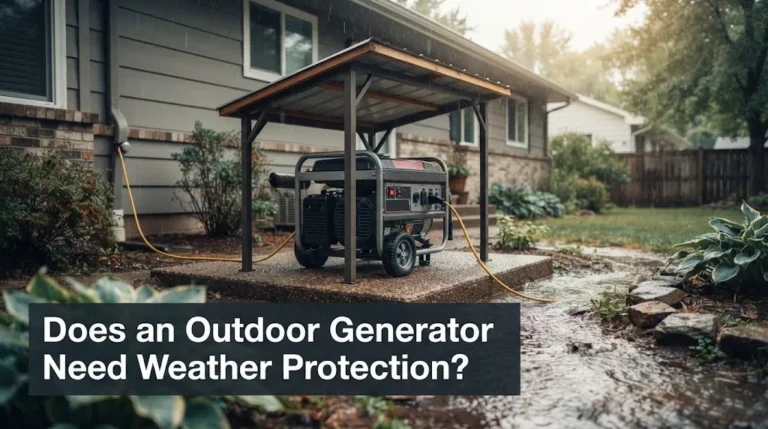
A purpose-built generator running cover or appropriately designed open canopy can help shield the engine and other vulnerable components from rain. The protection must be compatible with the particular generator and allow sufficient cooling airflow and exhaust discharge.
Check the owner’s manual before choosing a cover. Some models must not operate in wet conditions, even under a shelter, while other models may permit specific weather-protection arrangements.
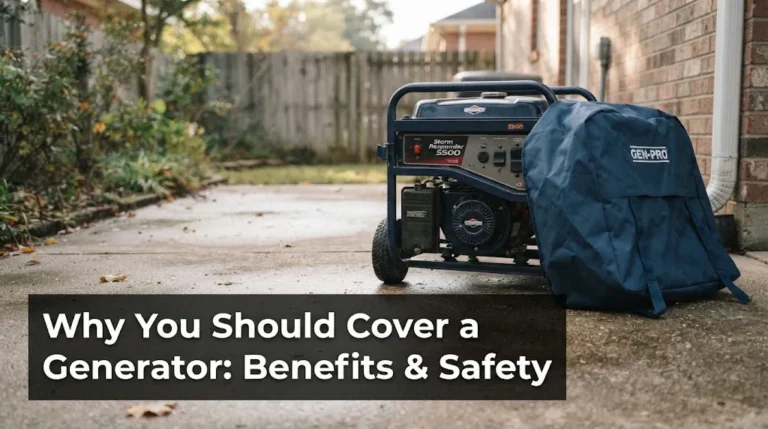
A regular storage cover, plastic sheet, or loose tarp is not a safe substitute for a running cover. Such materials can obstruct the air intake, trap hot air, contact the muffler, or move in the wind.
Tip
Prepare the weather shelter before a storm arrives. Confirm that the shelter is permitted by the generator manufacturer, remains stable in wind, and keeps rain away without blocking cooling airflow or exhaust.
Can You Run a Generator in Rain to Protect Its Engine?
Not necessarily. Preventing engine water damage is only one part of safe generator operation. Rain can also expose energized electrical components to moisture, increasing the risk of electric shock, electrocution, and equipment failure.
The Honda generator operating guidance advises users to keep generators dry and avoid operation in wet conditions, including rain and snow. Your own generator’s instructions take priority because permitted operating conditions vary by model.
Use these practical rules when deciding what to do:
- If the generator is exposed directly to rain: Do not assume it is safe to continue running. Follow the prescribed shutdown procedure when you can access it safely.
- If an approved running shelter is available: Use it only if the manual permits that arrangement and the surface, ventilation, exhaust clearance, and electrical connections remain safe.
- If water is pooling around the machine: Do not approach or operate wet electrical equipment while standing in water. Keep clear and obtain qualified assistance if necessary.
- If lightning or severe winds are nearby: Do not go outside to adjust the cover or relocate the generator. Wait until conditions are safe.
Never move a fuel-burning generator into a house, garage, shed, basement, or enclosed porch to keep it dry. Generator exhaust contains carbon monoxide, a poisonous gas that can kill without warning. The U.S. Consumer Product Safety Commission advises outdoor operation at least 20 feet from buildings, with exhaust directed away from windows, doors, and vents.
What Should You Do If Water Gets Into the Engine?
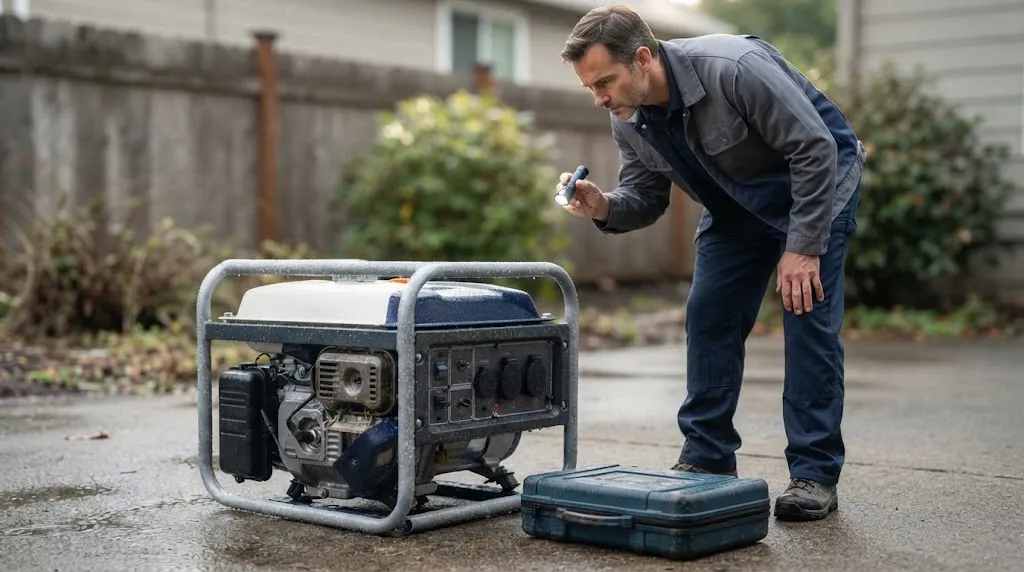
If you suspect water has entered the intake, cylinder, or fuel system, do not attempt to start the generator. Starting an engine with liquid inside a cylinder can cause severe mechanical damage because liquid cannot be compressed like air.
Use the following response process:
- Keep clear of immediate hazards. If the generator or its electrical connections are wet, do not touch the equipment while it may be energized or while you are standing in water.
- Switch off safely if possible. Follow the shutdown instructions only if you can reach the controls without touching wet electrical parts or entering a flooded area. Otherwise, keep away until the hazard can be addressed safely.
- Do not crank or pull-start the engine. If water may have entered the cylinder or intake, repeated starting attempts can worsen the damage.
- Inspect only accessible areas when safe. Once the equipment is safely isolated and cool, check for visible water around the air-filter housing, fuel cap, and exterior. Do not dismantle unfamiliar components.
- Arrange the correct inspection. Follow the manufacturer’s service instructions. If water may be inside the cylinder, or the unit was submerged, have a qualified technician inspect it before attempting to restart it.
Water exposure does not always mean the generator must be replaced. The outcome depends on where water entered, how much entered, whether the engine was running, and whether electrical components were affected. A proper inspection is more useful than guessing from the outside appearance.
Warning
Never test a potentially flooded generator by repeatedly pulling the starter cord or turning the ignition key. If liquid is inside the cylinder, forcing the engine to turn can cause major internal damage. Wet electrical equipment also requires appropriate evaluation before reuse.
How Can You Prevent Water Damage During Generator Storage?
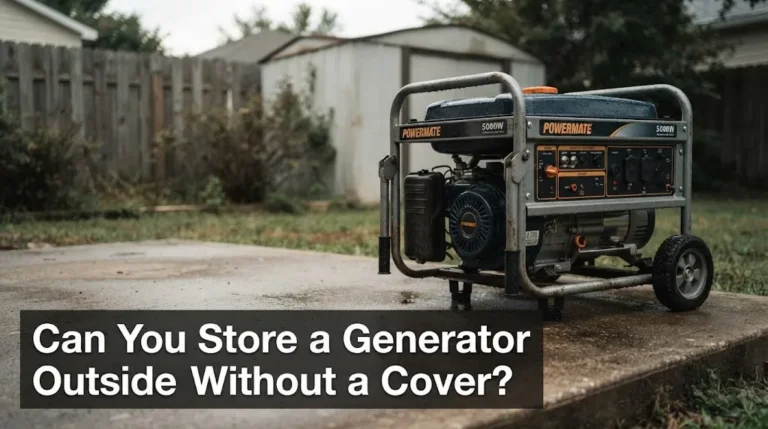
When the generator is not in use, store it in a dry, well-ventilated location protected from direct rainfall, roof leaks, ground moisture, and flooding. Follow the manual’s requirements for indoor storage, ventilation, fuel handling, and preparation for extended periods without use.
Allow the engine and exhaust to cool completely before installing a storage cover. A cover intended for storage should not be left on a running engine, and it should not trap moisture against the machine.
Check the generator periodically for corrosion, damaged seals, a cracked air-filter housing, loose covers, and evidence of water entry. After prolonged damp weather, inspect the exterior and accessible components before the next use.
If you need guidance on selecting appropriate protection, the site’s portable generator cover guide explains the difference between storage covers and running covers. For additional precautions involving exposed outlets and wet connections, see the portable generator electrical safety guide.
Frequently Asked Questions
Can rain damage a generator engine even if it is turned off?
Yes. Rain can enter openings, soak the air filter, contaminate fuel, or cause corrosion while a generator is switched off. Store it in a dry location and use a suitable cover after the engine has completely cooled.
Can I put a plastic bag over the generator engine?
Do not put a plastic bag over a running generator. It can restrict airflow, trap heat, and contact hot components. When the generator is off and cool, use an appropriate storage cover that does not trap moisture.
What happens if water enters a generator’s air filter?
A wet filter may restrict airflow, and water can potentially pass farther into the intake system. Keep the engine off if water intrusion is suspected, then inspect or replace the filter according to the manufacturer’s instructions.
Should I start a generator after it has been exposed to heavy rain?
Not until you have confirmed that it is safe to operate. If water reached the intake, cylinder, outlets, control panel, or other sensitive components, follow the manufacturer’s inspection procedure and arrange qualified service when needed.
Can a waterproof generator cover prevent all water damage?
No. A cover can reduce direct exposure, but wind-driven rain, runoff, condensation, flooding, and water entering through openings can still cause damage. The cover must also be approved for the intended use and compatible with the generator.
How do I know whether water has entered the engine cylinder?
Visible water in the intake or air-filter housing can indicate a risk, but exterior inspection cannot always confirm whether the cylinder is wet. Do not attempt to start the engine if water intrusion is suspected; have the unit inspected according to its service instructions.
Conclusion
Protecting a generator’s engine from water starts with good placement, a dry air intake, a properly maintained fuel system, and weather protection that suits the exact model. Keep the generator away from runoff and flooding, and never compromise cooling airflow or exhaust clearance to keep rain off the machine.
If water may have entered the engine or electrical system, resist the temptation to restart it immediately. Follow the manufacturer’s instructions and arrange an appropriate inspection before returning it to service. Preventing water intrusion is generally simpler than dealing with hidden engine or electrical damage afterward.

Hi, I’m Michael Turner. I own a generator workshop in the United States and founded HomeGeneratorBlog to share practical, hands-on guidance about generator installation, maintenance, troubleshooting, safety, and backup power solutions. My goal is to help homeowners make smarter, more confident decisions through clear and reliable information