Unsafe Weather for Running a Generator: Safety Guide
Quick Answer
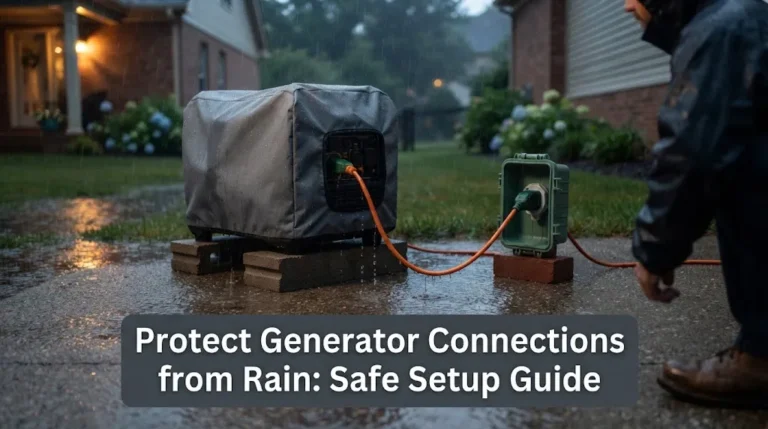
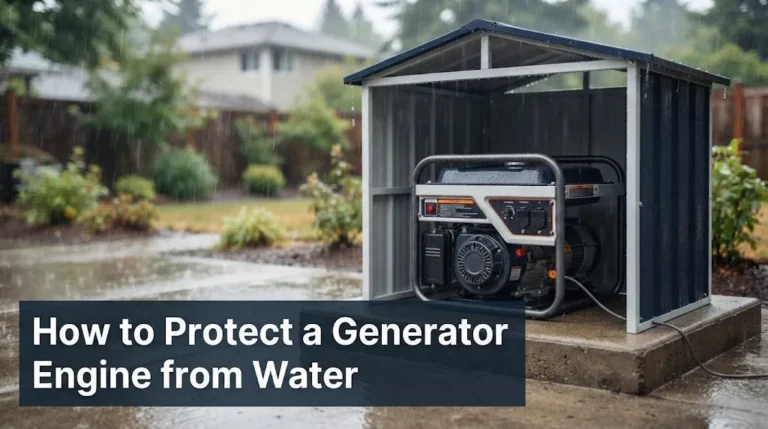
Running a portable generator in rain, snow, or wet conditions is unsafe because water exposure creates a serious risk of electric shock and electrocution. Most portable generators are not built to be weatherproof, and using one while it is raining or on a wet surface can energize the frame or connections. If you must operate a generator during bad weather, it needs to be placed on a dry surface under an open, canopy-like structure that keeps water off the unit while still allowing exhaust to escape.
Why Wet Weather Makes a Portable Generator Dangerous
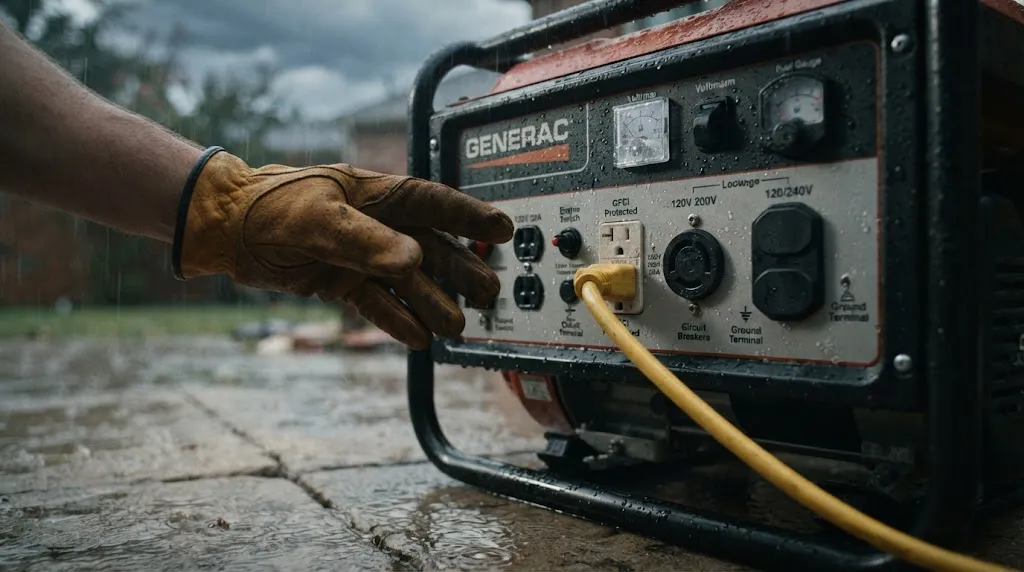
The core problem is simple: water and live electricity do not mix. A portable generator produces high voltage, and its output receptacles are exposed by design so you can plug appliances in while it runs. Unlike a permanently installed standby generator, a portable unit does not have a sealed, raintight enclosure protecting its live parts.
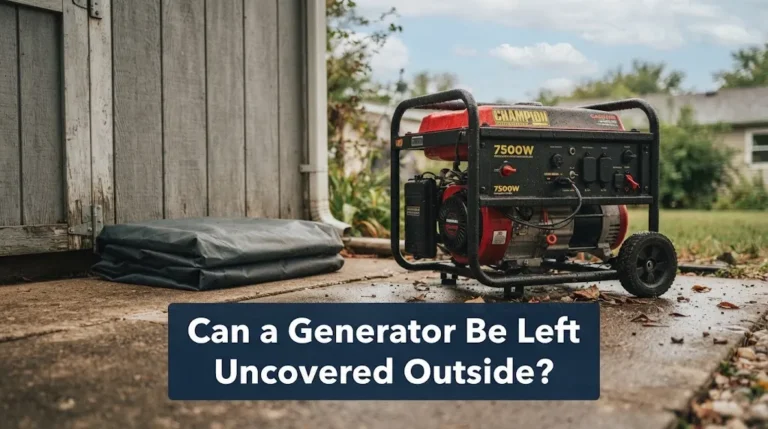
The Consumer Product Safety Commission has noted that portable gasoline-fueled generators are not constructed to permit their use outdoors during inclement weather. That creates a difficult situation. You cannot move the generator indoors because of carbon monoxide, but leaving it exposed to rain introduces an electrical hazard.
When rain or standing water reaches the generator’s electrical panel or receptacles, it can short-circuit the frame, create a static charge, or cause an electrical arc. The result can be a severe shock or electrocution, especially if you are touching the unit or standing on wet ground when it happens.
Warning
Never touch a generator, its cords, or its plugs with wet hands. Even if the unit appears dry, standing water nearby or damp ground can create a path for electric current.
The Specific Weather Conditions That Are Unsafe
Not every weather condition carries the same risk, but several common situations make generator operation unsafe for the average portable unit.
Rain and Active Precipitation
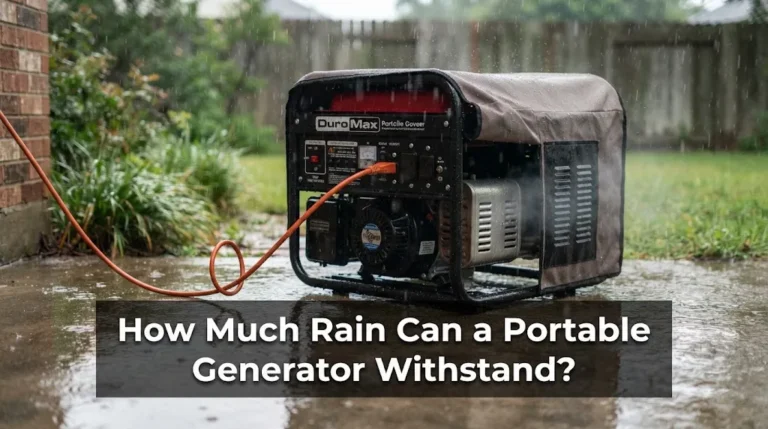
Active rain is the most obvious hazard. Water entering the generator’s vents, receptacles, or control panel can bridge electrical contacts. The Red Cross advises keeping the generator dry and not using it in wet conditions. If rain is falling on the unit, the safe choice is to shut it down and wait.
Snow, Sleet, and Freezing Rain
Snow and ice create the same electrical risk as rain, but they add another problem: melting snow can pool around the base of the generator and seep into the chassis. Ice can also crack cords or damage connections. Manufacturer manuals for portable generators commonly prohibit operation in rain, snow, and high humidity conditions.
Standing Water and Flooded Ground
A generator does not need to be rained on directly to become unsafe. If the ground where it sits is flooded or waterlogged, current can travel through the water to anyone standing nearby. The CPSC has specifically warned that areas normally dry can develop significant puddling during heavy rainfall, and small portable generators can become flooded from standing water.
High Humidity and Damp Conditions
Even without visible rain, very high humidity or heavy morning dew can leave a generator’s surfaces damp. While this is a lower risk than direct rain, it still warrants caution. Wipe down the unit and your hands before starting it, and make sure the surface underneath is dry.
The Overlooked Danger: Carbon Monoxide During Storms
Weather-related generator accidents are not limited to electrocution. The temptation to move a generator into a garage or shed to keep it out of the rain is extremely dangerous.
Carbon monoxide is colorless and odorless. Portable generators produce it in quantities that can be fatal within minutes in an enclosed or partially enclosed space. Opening a garage door or window does not make it safe. The National Weather Service and OSHA both state clearly that generators must never be used indoors, in garages, or in any enclosed space, even with ventilation.
This is the central dilemma of unsafe weather: the generator needs to stay outside and away from doors and windows, but it also needs to stay dry. The only acceptable solution is a covered outdoor location that maintains airflow and keeps precipitation off the unit.
Key Insight
The most dangerous generator mistake during bad weather is not leaving it in the rain. It is bringing it inside to keep it dry. Carbon monoxide kills quickly, and no amount of ventilation makes an enclosed space safe.
How to Operate a Generator When the Weather Is Bad
If you lose power during a storm and need the generator to run, the goal is to create a dry zone outdoors. This requires more planning than simply setting the unit on the patio.
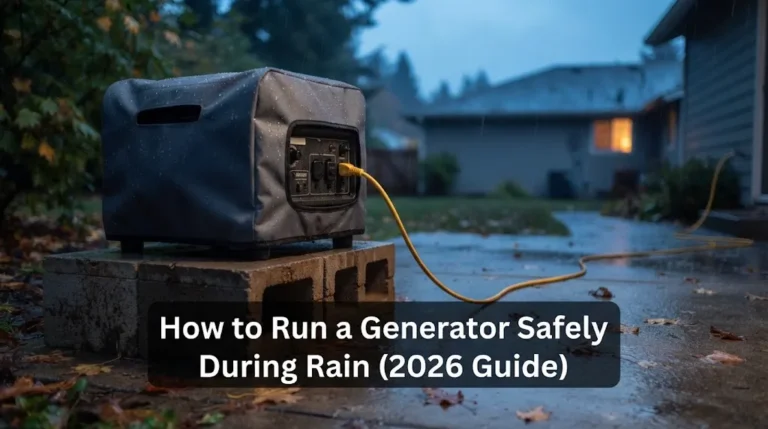
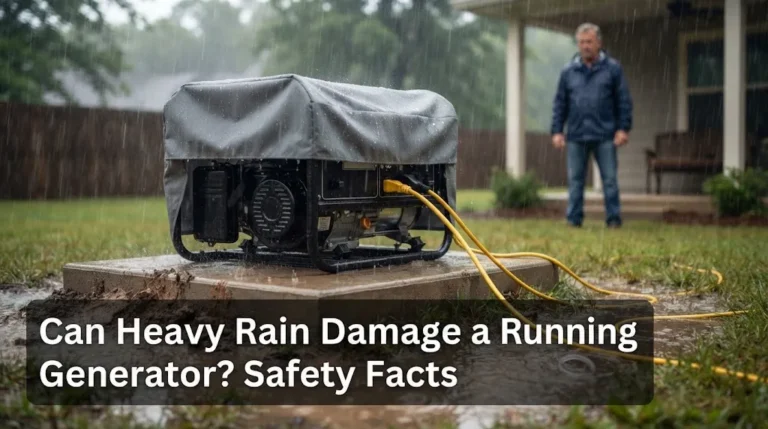
The Red Cross recommends operating the generator on a dry surface under an open, canopy-like structure, such as a tarp held up by poles. The key word is open. The structure must have at least two sides unobstructed so exhaust and heat can escape. A tent, a closed shed, or a tarp draped directly over the unit can trap carbon monoxide or create a fire hazard.
Place the generator at least 20 feet from doors, windows, and vents, and direct the exhaust away from the building. Check that the ground under the canopy stays dry. If water begins to pool around the base, shut the generator down.
- Use a dry, level surface that will not collect water.
- Keep a clear path for exhaust — never enclose the unit on all sides.
- Dry your hands before touching the generator or plugs.
- Inspect cords for cracks or damage before use, especially in cold weather.
- Plug appliances directly into the generator with grounded, heavy-duty cords.
When to Shut It Down and Wait
There are times when no amount of preparation makes generator operation safe. If the rain is heavy and wind is driving water under your canopy, the generator is getting wet. Shut it off, disconnect the loads, and wait for the weather to ease.
Lightning is another stop condition. A generator does not attract lightning, but a direct strike or a nearby strike can travel through cords and connected appliances. If you can hear thunder, you are close enough to be at risk. Unplug sensitive electronics and leave the generator off until the storm passes.
Flooding is an absolute stop condition. If water is rising around the generator or the ground is submerged, do not approach the unit. Water can conduct electricity from the generator to you before you realize the frame is energized. Wait until the water recedes and the unit has been inspected before using it again.
What About “Weatherproof” or Inverter Generators?
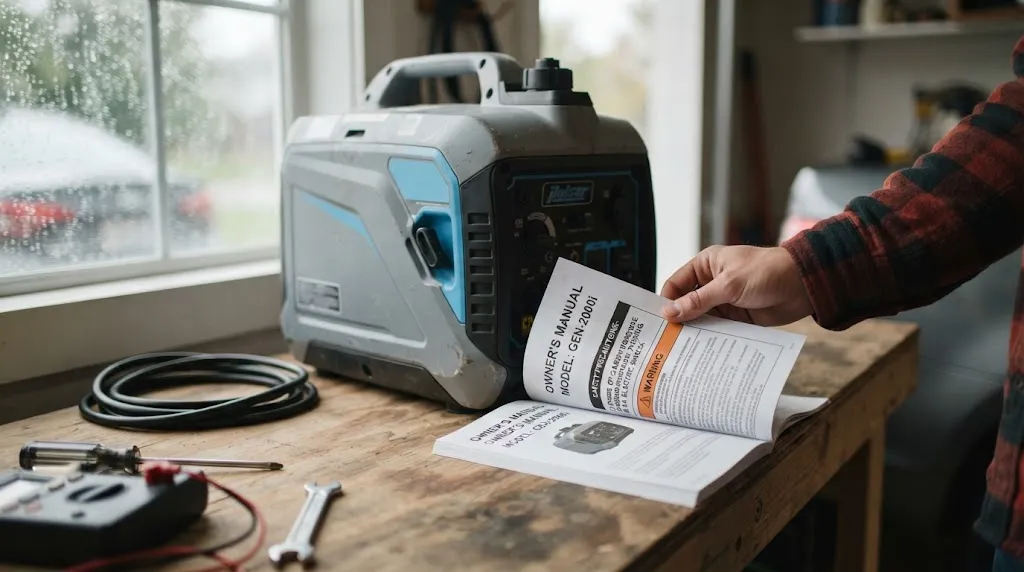
Some manufacturers market generators with weather-resistant features, and certain industrial or standby models are built with raintight or rainproof enclosures. Those units are designed differently from typical consumer portable generators. A raintight enclosure is tested to prevent water entry during rain, while a rainproof enclosure prevents live parts from getting wet.
However, most consumer-grade portable generators, including many inverter models, still carry explicit warnings against use in rain, snow, or wet conditions. Check your owner’s manual. If it says not to operate in wet weather, a canopy is the only workaround. If the manual says the unit is rated for outdoor wet use, follow the manufacturer’s placement and connection instructions exactly.
Do not assume that a generator is weatherproof because it has a plastic housing or because you have seen people use them in the rain. GFCI outlets on a generator provide shock protection for connected loads, but they do not make the generator itself safe to soak. The CPSC notes that GFCI protection alone does not constitute complete weatherization.
Preparing Before the Storm Arrives
The safest time to solve the weather problem is before the power goes out. Identify a covered outdoor location now, and test that the generator fits under the canopy with clear exhaust clearance. Store heavy-duty outdoor-rated extension cords and a battery-powered carbon monoxide detector.
If you live in an area where winter storms or hurricanes regularly cause outages, consider whether a battery-powered portable power station could handle your essential loads. Those units produce no exhaust and can be used indoors, which removes the weather dilemma entirely for smaller devices like phones, lights, and medical equipment.
Related Product
Battery-Powered Carbon Monoxide Detector
A backup CO detector for your home adds a critical layer of protection when a generator is running outside near doors or windows during a storm.
As an Amazon Associate, we earn from qualifying purchases.
Frequently Asked Questions
Can you run a generator in the rain if it is under a tarp?
Only if the tarp is set up as an open canopy with at least two sides unobstructed, and the generator stays completely dry. A tarp draped directly over the unit can trap carbon monoxide and heat, creating a fire and poisoning risk. If water is still reaching the generator, shut it down.
Is it safe to run a generator on a wet concrete patio?
No. A wet surface can conduct electricity if the generator develops a fault or water reaches its electrical components. Move the generator to a dry, covered surface, or wait until the patio dries. Never stand in water while touching the generator.
What should you do if your generator gets wet while running?
Do not touch it. If you can safely disconnect the loads from a dry location, do so. Then shut off the generator only if you can do so without contacting water or wet parts. Once it is off and dry, have it inspected before using it again.
Can you run a generator in snow?
Most portable generator manuals prohibit operation in snow. Melting snow can enter the unit and create a shock hazard, and ice can damage cords. If you must run one, place it under an open canopy on a dry surface and keep the area around it clear of accumulating snow.
Does a generator need to be covered during a hurricane?
Yes, but only with an open, canopy-like structure that keeps rain off while allowing exhaust to escape. Never run a generator inside a garage, shed, or enclosed porch during a hurricane. Keep it at least 20 feet from windows, doors, and vents.
Are inverter generators safe in wet weather?
Most consumer inverter generators carry the same warnings against rain and wet conditions as conventional portable generators. Check your specific model’s manual. If it does not explicitly permit wet-weather operation, treat it the same way: keep it dry or shut it down.
Conclusion
Unsafe weather for a portable generator means any condition that allows water to reach the unit, its cords, or the ground around it. Rain, snow, sleet, standing water, and even very damp conditions all raise the risk of shock. The safe approach is a dry, covered outdoor location with open sides for ventilation, kept far from doors and windows. If the weather overwhelms your setup, shut the generator down and wait. No outage is worth the risk of electrocution or carbon monoxide poisoning.

Hi, I’m Michael Turner. I own a generator workshop in the United States and founded HomeGeneratorBlog to share practical, hands-on guidance about generator installation, maintenance, troubleshooting, safety, and backup power solutions. My goal is to help homeowners make smarter, more confident decisions through clear and reliable information