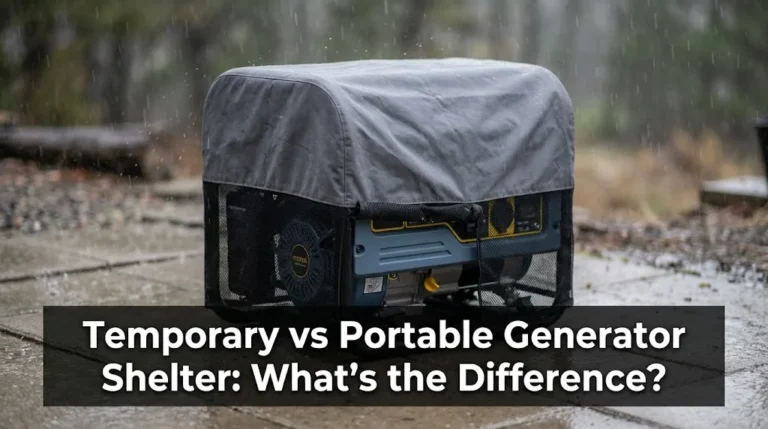
How to Secure a Generator Tarp During Wind (Safe Setup Guide)
Quick Answer
To secure a generator tarp safely during high winds, use heavy-duty bungee cords, ratchet straps, or nylon guy lines anchored to fixed ground stakes or heavy weights rather than relying solely on the generator frame. Leave clearance around the exhaust and frame for proper ventilation to prevent carbon monoxide buildup and overheating.
Understanding the Wind Hazard for Generator Tarps
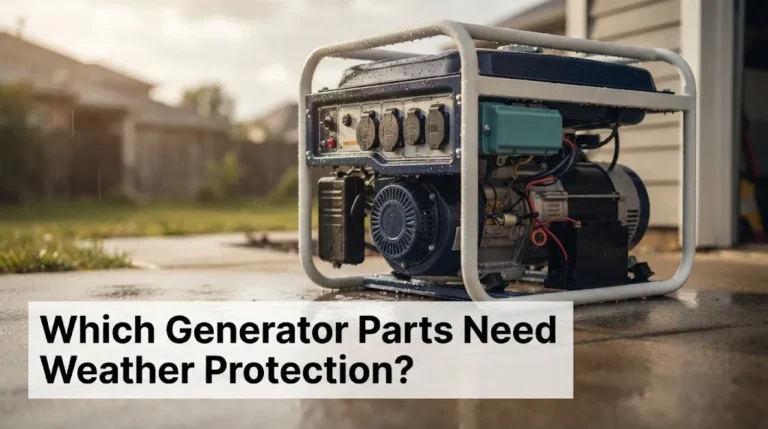
When severe weather brings high winds and heavy rain, portable generators are frequently deployed outdoors to maintain essential power. Because standard gasoline and dual-fuel generators must remain dry to operate safely, owners often use tarps to protect the unit from driving rain and snow.
However, securing a tarp over a generator during strong wind gusts presents a unique engineering challenge. A loose tarp acts like a sail, catching wind and transferring destructive leverage directly to the generator frame, fuel lines, or electrical outlets. Worse yet, an improperly anchored covering can easily shift, blocking vital exhaust airflow or igniting due to contact with hot engine components.
Critical Safety Rules Before You Cover Your Generator
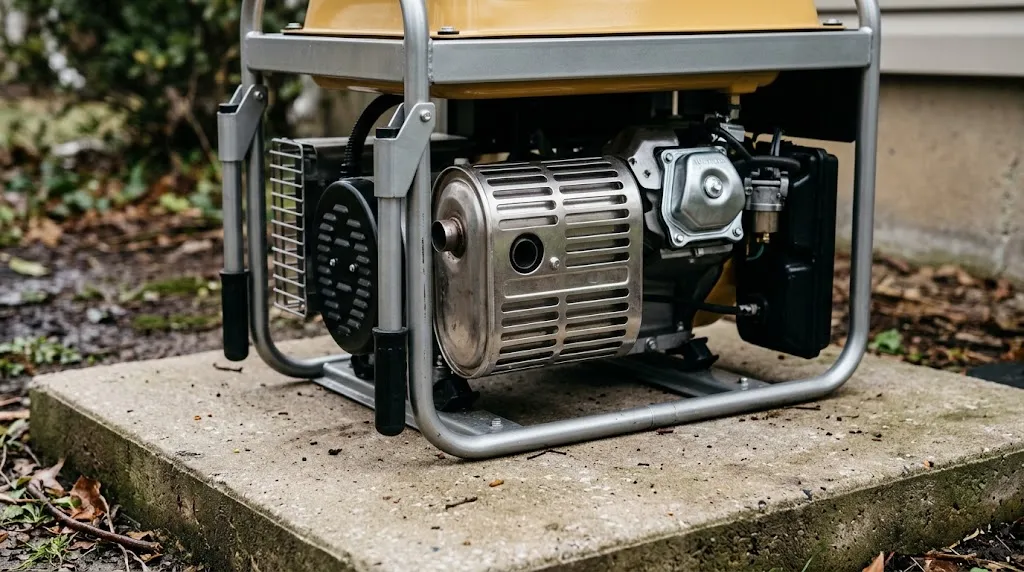
Before fastening any hardware or deploying a tarp during a storm, several non-negotiable safety boundaries must be established. Protecting your equipment from water damage is important, but preventing electrical shock and lethal carbon monoxide poisoning takes precedence.
Maintain Unrestricted Exhaust Clearance
The single most dangerous mistake during generator deployment is blocking the exhaust manifold or muffler area. Generator engines emit high volumes of carbon monoxide—an invisible, odorless gas that can accumulate rapidly if trapped under a sagging tarp or enclosed tent structure.
Warning
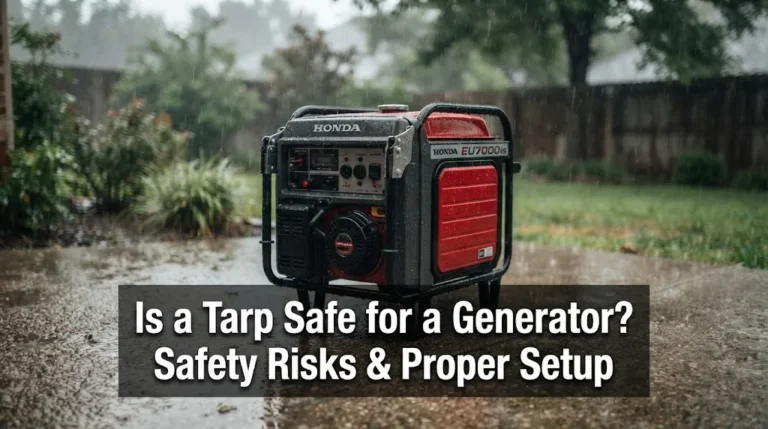
Never drape a flat tarp directly over the top of a running generator. The fabric can melt against hot exhaust pipes, create a fire hazard, and trap exhaust gases against the engine block.
Ensure Proper Ground Clearance
Wind-driven rain often pools on the ground around the generator base. Position the unit on an elevated, level concrete pad or treated wooden platform when possible. This prevents rising puddles from soaking electrical windings or shorting out the alternator while allowing tie-down anchors to secure properly.
Step-by-Step Guide to Secure a Tarp in High Winds
Securing a protective covering requires a rigid physical framework rather than improvised knots tied directly to fragile plastic control panels.
- Build or Install an Elevated Canopy Frame: Support the tarp above the generator using an independent PVC or metal conduit frame. The frame should stand at least 12 to 24 inches clear of the generator’s top and sides so the fabric never rests on the machine.
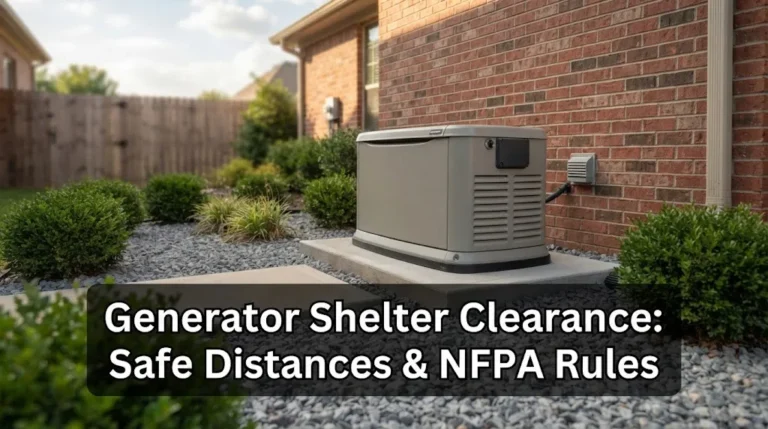
- Position the Generator Away from Structures: Place the unit at least 20 feet away from your home, garage, or shed, with the exhaust pointing safely away from windows and doors.
- Drape and Center the Heavy-Duty Tarp: Center a waterproof polyethylene or vinyl tarp over the support frame. Ensure the sides drop down to shield the unit from wind-driven moisture while leaving the intake and exhaust sides fully open or fitted with breathable mesh screens.
- Secure with Ratchet Straps or Heavy Bungees: Wrap ratchet straps completely around the support frame and tarp, cinching them down tightly to the ground anchors. Avoid anchoring tension lines exclusively to the generator’s tubular steel frame, as severe wind buffeting can warp the frame or crack engine mounts.
- Anchor to Ground Stakes or Weights: Drive heavy-duty spiral ground anchors or earth augers into the soil around the setup, or attach heavy sandbags to the corners of the canopy frame. This prevents strong gusts from lifting the entire structure into the air.
- Perform a Tension and Clearance Check: Tug on the tied-down corners to ensure zero slack exists. Verify that flapping fabric cannot break loose or drift into the path of the spinning cooling fan or hot exhaust pipe.
Alternative Solutions: Generator Tents vs. Standard Tarps
While standard blue tarps are inexpensive and readily available, they are rarely engineered for sustained high winds. Evaluating alternative covers helps ensure continuous power generation during severe weather events.
| Cover Type | Wind Resistance | Ventilation Design | Best Use Case |
|---|---|---|---|
| Standard Poly Tarp | Low to Moderate | None (requires manual spacing) | Temporary emergency coverage with a custom frame |
| Heavy-Duty Vinyl Tarp | Moderate to High | Requires user modification | Durable, long-lasting weather protection |
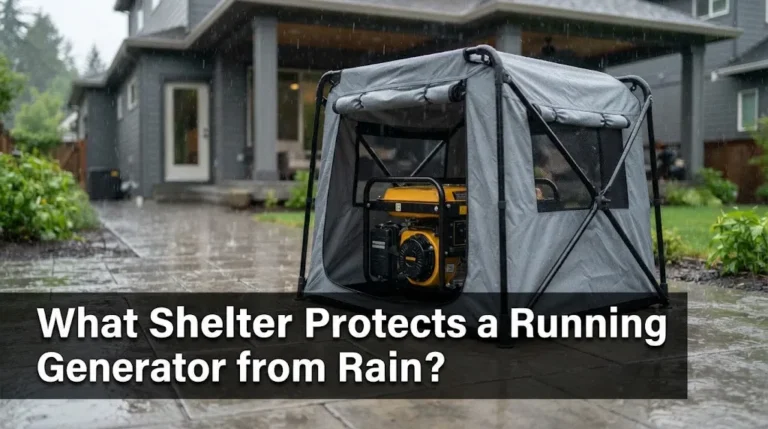
| Dedicated Generator Tent | High | Built-in marine-grade fabric and flaps | Running the generator safely while it actively rains or snows |
Dedicated generator tents clamp directly onto the generator’s steel frame, maintaining a rigid barrier that resists flapping and tearing during gale-force winds. They feature specialized marine-grade fabric and adjustable flaps that let you access control panels and refuel without exposing the engine to moisture.
Common Mistakes to Avoid When Weatherproofing a Generator
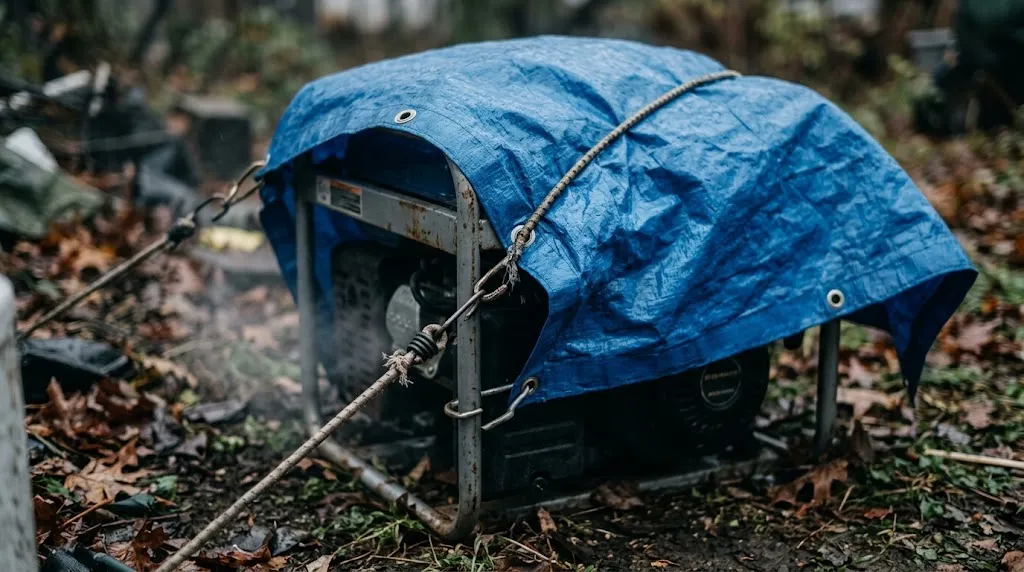
Even experienced homeowners make critical errors when rushing to prepare for an approaching storm. Avoiding these frequent missteps protects both your investment and your household safety.
- Using Elastic Bungee Cords as Primary Anchors: Bungee cords stretch excessively under heavy wind loads, causing the tarp to oscillate, snap, and strike the generator housing. Always use non-stretchy nylon ratchet straps or static ropes for high-tension tie-downs.
- Covering the Unit While Running Without a Frame: Resting fabric directly on an operating generator restricts cooling airflow across the alternator windings, leading to thermal overload and permanent electrical damage.
- Ignoring Fuel Addition Hazards: Refueling a generator under a wet, whipping tarp increases the risk of spilled gasoline coming into contact with hot engine surfaces. Always power down the unit, let it cool slightly, and lift the shelter before refueling.
- Failing to Secure Excess Tarp Flaps: Loose corners or hanging fabric tails will whip violently in 40+ mph winds, creating loud noises, wearing through eyelets, and eventually tearing the entire cover away.
Tip
Reinforce tarp grommets with heavy-duty plastic tarp clips or washers before strapping them down. Wind forces concentrate heavily at attachment points, and standard grommets frequently tear out under sustained stress.
Related Product
Portable Generator Running Cover or Tent
A weather-resistant generator tent clamps directly onto your unit’s frame, providing secure, wind-resistant protection while keeping exhaust and intake vents completely clear.
As an Amazon Associate, we earn from qualifying purchases.
Frequently Asked Questions
Can I run my portable generator underneath a standard blue tarp during a storm?
You should never run a generator under a flat tarp draped directly over the unit. Doing so traps lethal exhaust gases, restricts engine cooling, and creates severe fire risks. If you use a tarp, it must be supported by an external frame that keeps fabric well clear of the engine and exhausts.
What is the safest way to anchor a generator shelter against strong wind gusts?
The safest method is anchoring an independent canopy frame to heavy ground stakes, spiral earth augers, or filled sandbags. Tie your tension straps to the sturdy frame rather than wrapping them tightly around fragile parts of the generator itself.
How much clearance should be maintained between the generator and the tarp?
Maintain a minimum clearance of 12 to 24 inches on all sides, especially above the exhaust muffler and engine block. This space allows heat to dissipate safely and prevents toxic exhaust fumes from pooling under the fabric.
Will high winds blow away a generator shelter secured with bungees?
Standard elastic bungees stretch and allow tarps to billow like parachutes in high winds, which frequently leads to torn fabric or broken hardware. Switch to rigid nylon ratchet straps and secure ground anchors for maximum stability during severe weather.
What are the signs that my generator setup is unsafe during high winds?
Red flags include the tarp sagging against hot engine components, excessive vibration or shifting of the generator frame caused by pulling tie-downs, unusual engine straining due to blocked airflow, or any smell of exhaust pooling near your workspace.
Are dedicated generator tents better than regular tarps for windy conditions?
Yes. Dedicated generator tents are engineered specifically to withstand severe weather, attach securely to the generator’s steel tubing without independent ground frames, and feature specialized venting flaps that keep the engine dry while allowing safe operation.
Conclusion
Securing a generator tarp during high winds requires a careful balance between weather protection and operational safety. By avoiding direct contact with hot engine parts, utilizing an independent support frame, and anchoring with robust ratchet straps rather than loose bungees, you can shield your equipment from driving rain without compromising airflow. Prioritizing proper exhaust clearance and ground stability ensures your backup power source remains dependable and safe throughout the storm.

Hi, I’m Michael Turner. I own a generator workshop in the United States and founded HomeGeneratorBlog to share practical, hands-on guidance about generator installation, maintenance, troubleshooting, safety, and backup power solutions. My goal is to help homeowners make smarter, more confident decisions through clear and reliable information