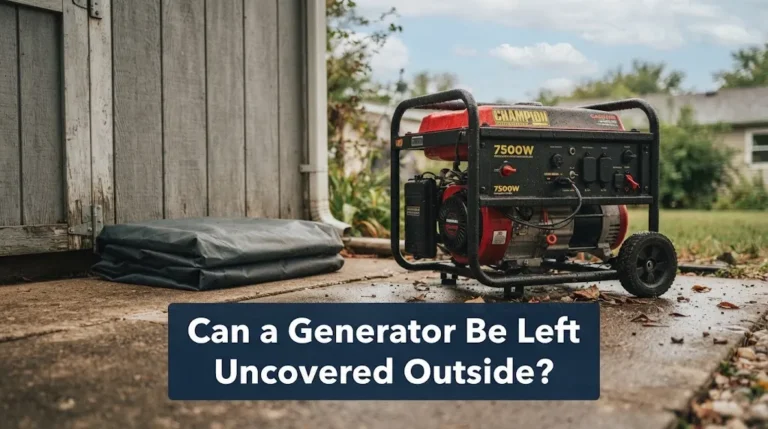
How to Shelter a Portable Generator from Bad Weather Safely
Quick Answer
To safely shelter a portable generator from bad weather, place it outdoors in a well-ventilated, open area at least 15 to 20 feet away from doors, windows, and vents. Protect it using a specialized generator tent, canopy, or running cover designed for wet conditions while ensuring the exhaust points safely away from living spaces and the unit never runs in an enclosed space like a garage or shed.
Understanding Weather Risks for Portable Generators
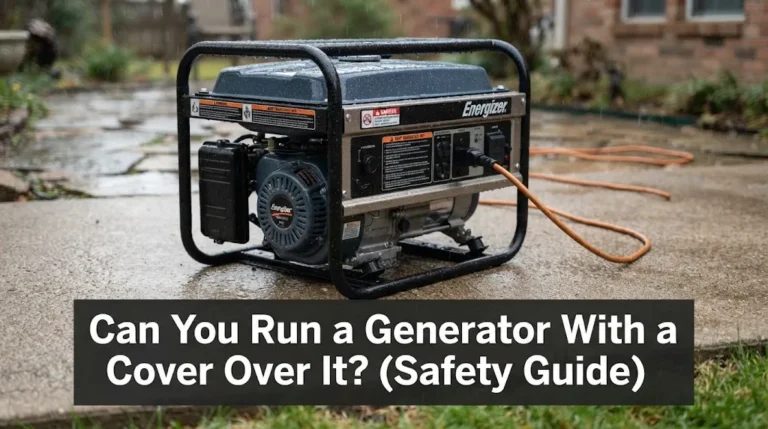
Portable generators provide essential backup power during severe weather events such as heavy rain, snowstorms, and hurricanes. However, running electrical equipment outdoors during severe storms creates significant operational hazards. Moisture intrusion can damage sensitive electrical components, cause short circuits, or create severe shock risks for anyone operating the unit.
At the same time, attempting to shelter a generator indoors or inside an enclosed structure to keep it dry introduces a far greater danger: carbon monoxide (CO) poisoning. Exhaust fumes from gasoline-powered generators contain high concentrations of colorless, odorless carbon monoxide gas that can quickly accumulate to lethal levels inside a home or garage. Effective weather protection must balance moisture defense with absolute ventilation safety.
Safe Placement Guidelines Before Setting Up a Shelter
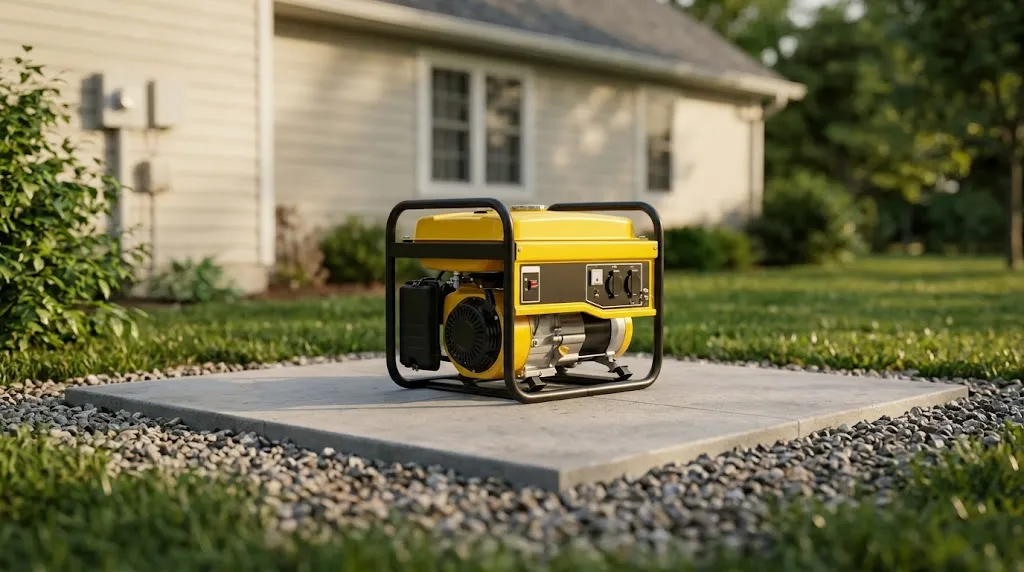
Before installing any protective cover or shelter, you must establish a safe operating location. Proper placement remains the single most critical factor in preventing generator-related injuries or fatalities during power outages.
Position the unit strictly outdoors on a flat, dry, stable surface where puddles will not accumulate around the frame or wheels. Maintain a minimum distance of 15 to 20 feet from your home, directing the exhaust muffler away from all windows, doors, and fresh air intakes. Never operate a portable generator on a wooden deck without verifying ground stability, and avoid placing it under low-hanging eaves or overhangs where dripping water or melting snow can pour directly onto the engine housing.
Choosing the Right Weather Protection Method
Several methods exist for shielding a portable generator from precipitation while it operates. Selecting the appropriate option depends on your specific model, climate severity, and setup flexibility.
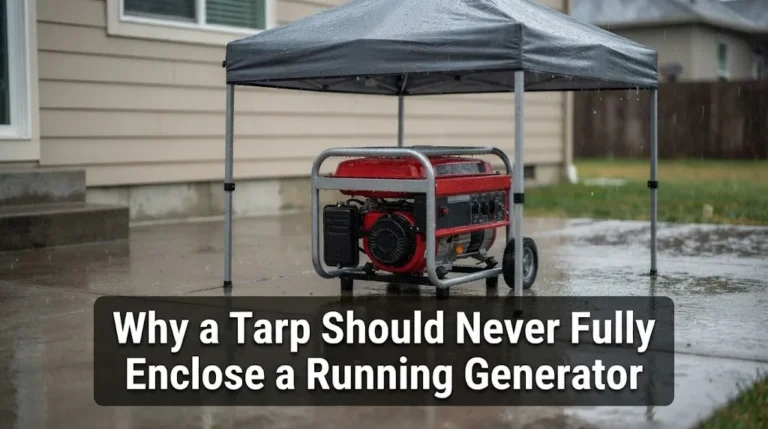
Specially engineered running tents and universal generator canopies represent the most practical solution for most homeowners. These portable shelters feature weather-resistant fabric supported by a rigid frame that shields the top and sides of the unit while leaving the exhaust area and ventilation panels completely unobstructed. Heavy-duty pop-up canopies can also work if anchored securely against high winds, provided they maintain ample overhead clearance.
Warning
Never drape a standard plastic tarp directly over a running generator. Restricting airflow causes the engine to overheat, creates a severe fire hazard, and increases the risk of moisture trapping and electrical shorts.
Step-by-Step Guide to Setting Up a Generator Tent
Using a dedicated generator running tent allows you to maintain continuous power generation through heavy rain or moderate snowfalls safely. Follow these steps for proper setup:
- Position your portable generator in its designated outdoor location at least 15 feet away from the house before connecting any cables.
- Assemble the manufacturer-approved shelter frame according to the specific instructions provided with your tent kit.
- Secure the frame around the generator base, ensuring the heavy-duty weather skirt or mounting brackets anchor firmly to the unit’s frame.
- Attach the waterproof canopy cover, making sure the exhaust side features a designated heat-resistant opening that leaves the muffler completely exposed to the open air.
- Verify that all air intake vents and electrical panel flaps remain easily accessible and unobstructed before starting the engine.
Managing Heavy Snow and High Winds
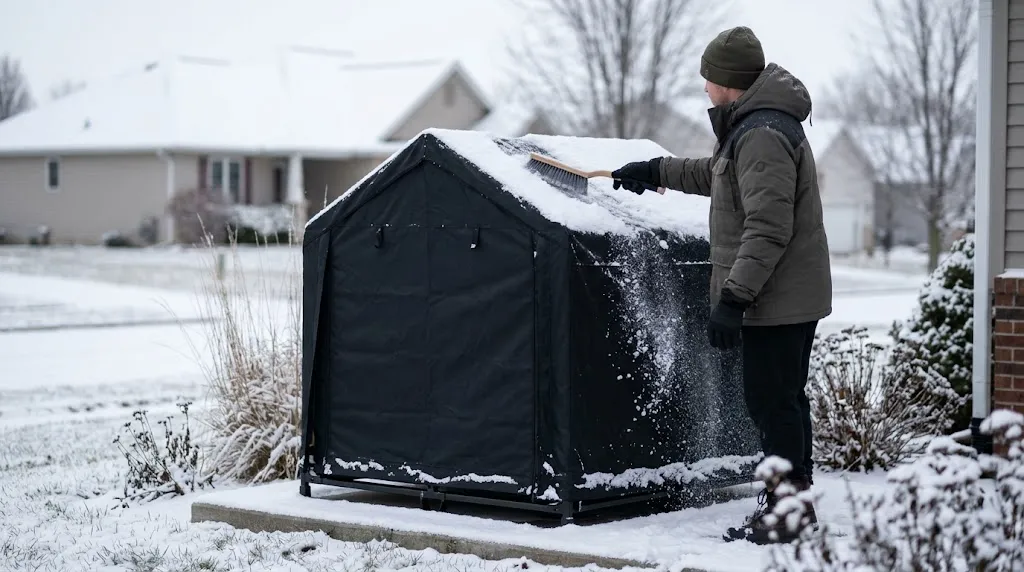
Winter storms and severe wind events present distinct mechanical challenges for outdoor generators. Heavy snowfall can accumulate on top of protective covers, adding unwanted weight and potentially sagging fabric toward hot engine components.
Periodically inspect the shelter during active snowstorms to brush away heavy accumulation. In high-wind conditions, ensure lightweight canopies or tents feature heavy-duty tie-downs, ground stakes, or weighted sandbags to prevent the structure from blowing away and exposing the running electrical unit directly to the storm.
Tip
Always let the generator cool down completely before removing or adjusting canvas covers, refueling, or performing routine maintenance tasks.
Common Mistakes to Avoid
Avoiding critical operational errors protects both your equipment and your household from preventable hazards during an outage. Watch out for these frequent pitfalls:
- Running the unit in a garage: Even with the garage door wide open, carbon monoxide levels can build up to dangerous levels inside attached living spaces.
- Blocking ventilation: Placing enclosures too close to walls or vegetation chokes airflow, leading to engine overheating and automatic shutdown.
- Using ungrounded extension cords: Damaged or improperly rated outdoor extension cords can cause electrical shocks in wet grass or standing water.
- Ignoring fuel safety: Storing extra gasoline containers inside the home or near the running generator creates extreme fire risks.
Related Product
Portable Generator Tent and Running Cover
A weather-resistant running cover protects your generator from rain and snow while leaving the exhaust and control panel safely accessible.
As an Amazon Associate, we earn from qualifying purchases.
Frequently Asked Questions
Can I run a portable generator in the rain without a cover?
Running a generator directly in heavy rain exposes electrical outlets and internal components to moisture, significantly increasing the risk of short circuits and electric shock. While many units feature weather-resistant designs, using a proper running tent or canopy is strongly recommended for safety and equipment longevity.
Is it safe to put a generator under a patio cover or porch?
Placing a generator under a low porch roof or patio cover is generally unsafe unless there is exceptional vertical clearance and wide-open airflow on all sides. Exhaust fumes and heat can easily become trapped underneath overhangs and drift directly into nearby windows or doors.
How far away from the house should a generator be placed?
Safety experts and manufacturers recommend positioning a portable generator at least 15 to 20 feet away from your home with the engine exhaust pointing away from all living areas, windows, and doors to prevent carbon monoxide accumulation.
What should I do if my generator gets soaked in a storm?
If water infiltrates the engine or electrical outlets during a severe storm, shut the unit down immediately if it is safe to do so. Allow the generator to dry completely in a safe outdoor location, and have a qualified technician inspect the electrical windings and outlets before attempting to restart it.
Can I build a custom wooden shed to shelter my generator?
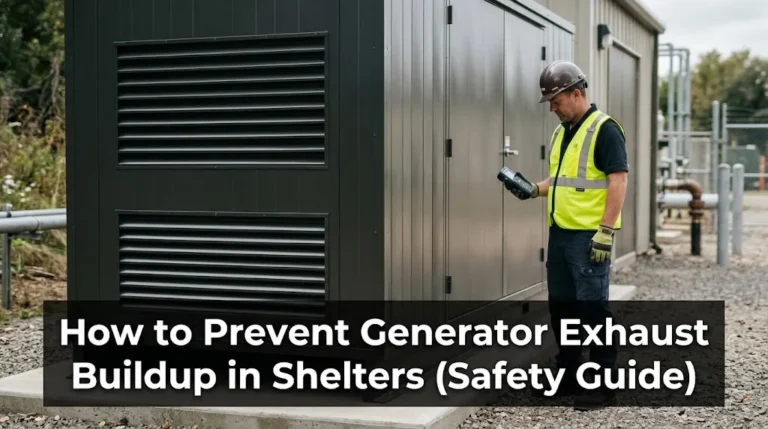
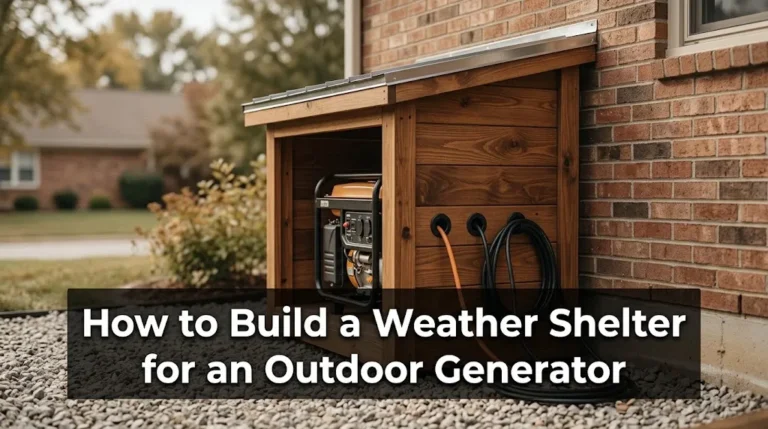
Building a custom enclosure is only safe if it is specifically designed as a louvered generator enclosure with active ventilation fans and large intake/exhaust louvers that open automatically when the unit runs. Standard enclosed sheds will quickly trap lethal levels of carbon monoxide.
How do I protect electrical cords from rain and snow?
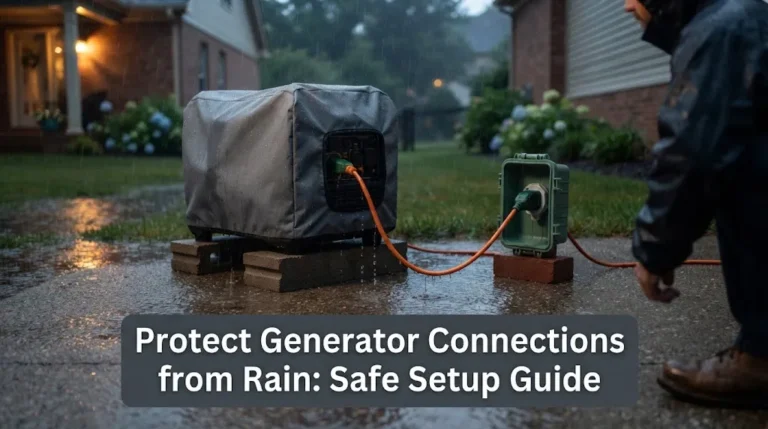
Use heavy-duty, outdoor-rated extension cords with proper gauge ratings for your electrical load. Keep cord connections elevated off the ground on dry blocks or inside weatherproof connection boxes to prevent water pooling around plug interfaces.
Conclusion
Sheltering a portable generator from bad weather requires careful coordination between weather protection and uncompromising ventilation safety. By placing the unit a safe distance from your home, utilizing a dedicated running cover, and keeping all exhaust pathways entirely clear, you can maintain reliable emergency power without exposing your household to electrical hazards or dangerous carbon monoxide fumes.

Hi, I’m Michael Turner. I own a generator workshop in the United States and founded HomeGeneratorBlog to share practical, hands-on guidance about generator installation, maintenance, troubleshooting, safety, and backup power solutions. My goal is to help homeowners make smarter, more confident decisions through clear and reliable information