How to Prevent Electrical Problems After a Generator Gets Wet
Quick Answer
To prevent electrical problems after a generator gets wet, immediately shut down the unit and disconnect all loads, allow it to dry completely in a well-ventilated area, inspect all wiring and receptacles for moisture or corrosion, and test the insulation resistance and GFCI components before restoring power.
Understanding the Risks of a Wet Generator
Water and electricity create an immediate hazard, posing risks of electrical shock, short circuits, and permanent component damage. When moisture penetrates an alternator winding, control panel, or receptacle box, it breaks down electrical insulation and creates unintended pathways for current to flow.
Even if a generator appears dry on the outside, trapped moisture inside the alternator housing or inverter assembly can corrode sensitive electronics and lead to winding failure when high voltage is generated. Understanding these risks highlights why rushing the drying process can ruin the unit or create dangerous operational hazards.
Moisture exposure typically affects three primary zones:
- Control Panel and Outlets: Direct water contact can short circuit switches, digital displays, and GFCI receptacles, rendering safety cutoffs unresponsive.
- Alternator Windings: Trapped water lowers insulation resistance, leading to internal arcing and winding burnout once excitement voltage is applied.
- Engine Ignition and Fuel System: Water entering spark plug boots or fuel carburetion creates secondary mechanical problems, though electrical concerns take priority during initial recovery.
Immediate Safety and Shut-Down Procedures
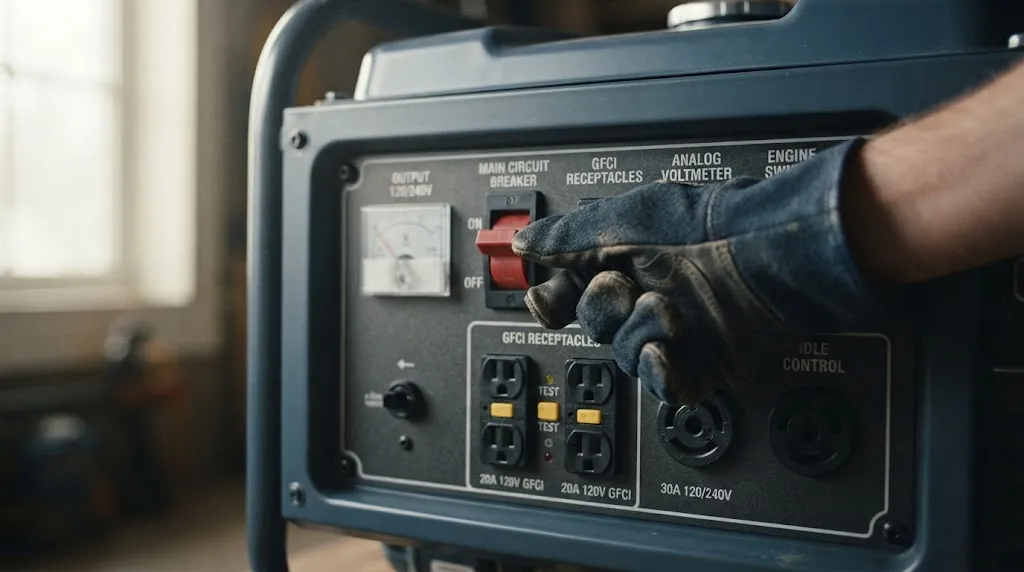
When you discover that a generator has been exposed to heavy rain, flooding, or accidental soaking, safety must guide your first actions. Never touch a running or connected generator that is standing in water or visibly wet.
If the generator is still running and you can safely reach the main breaker or the engine kill switch without wading into standing water or touching wet metal frames, shut it down immediately. If safe access is blocked by deep water or severe weather hazards, wait until the surrounding area is stable before approaching the unit.
Warning
Never attempt to disconnect cords, flip breakers, or inspect a wet generator while standing in puddles or wet grass. Always wear rubber-soled shoes and ensure your hands are completely dry.
Once the unit is safely powered down, unplug all extension cords and power distribution lines. Inspect the plugs and inlets for water droplets or mineral residue, and place protective caps over cords to keep additional moisture out while handling the generator.
Step-by-Step Drying and Inspection Process
A wet generator requires thorough drying before any attempt is made to restart it. Forcing electrical current through damp windings causes immediate internal shorting and can permanently destroy the copper coils.
Move the generator to a dry, shaded, and well-ventilated location if it is safe to transport. Never operate a portable generator indoors or inside an enclosed garage during the drying process, as carbon monoxide poisoning risks remain critical.
- Remove Access Panels: Take off protective covers, inverter housings, or control panel faceplates where water may be trapped, allowing air to circulate freely around internal components.
- Use Forced Air: Direct a standard electric fan or a hair dryer on a cool or low-heat setting across the alternator windings and control board. Avoid high heat, which can warp plastic housings or melt wire insulation.
- Apply Water Displacements: For stubborn moisture inside switches or plugs, a specialized electrical contact cleaner or moisture-displacing spray can help lift residual water, provided it is rated safe for generator electronics.
- Inspect Receptacles and Breakers: Look closely inside AC outlets, DC ports, and circuit breaker housing for pooling water, dirt, or mud deposits that could bridge electrical contacts.
Tip
Allow portable generators to air-dry for at least 24 to 48 hours following significant saturation. Accelerated drying with heaters often traps steam inside sealed alternator assemblies rather than eliminating it.
Testing Electrical Integrity Before Restarting
Before putting a post-wetness generator back into service, you must verify that its electrical insulation has not been compromised. Moisture degradation is not always visible to the naked eye.
Professional technicians use a megohmmeter (megger) to test winding insulation resistance against the generator frame. If you do not have specialized testing equipment, you should perform careful visual and operational checks:
- Verify that all internal wiring harnesses are clean, dry, and securely fastened to their terminals.
- Test the GFCI (Ground Fault Circuit Interrupter) reset and test buttons on the control panel to ensure the internal sensing mechanism survived the moisture exposure.
- Check that the circuit breakers click firmly between open and closed positions without sticking or showing internal corrosion.
If the generator was submerged in floodwaters containing salt, mud, or chemical runoff, sediment will coat internal windings and trap moisture. In these severe conditions, professional servicing or complete disassembly and cleaning is necessary before safe operation can resume.
Safe Startup and Load Reconnection
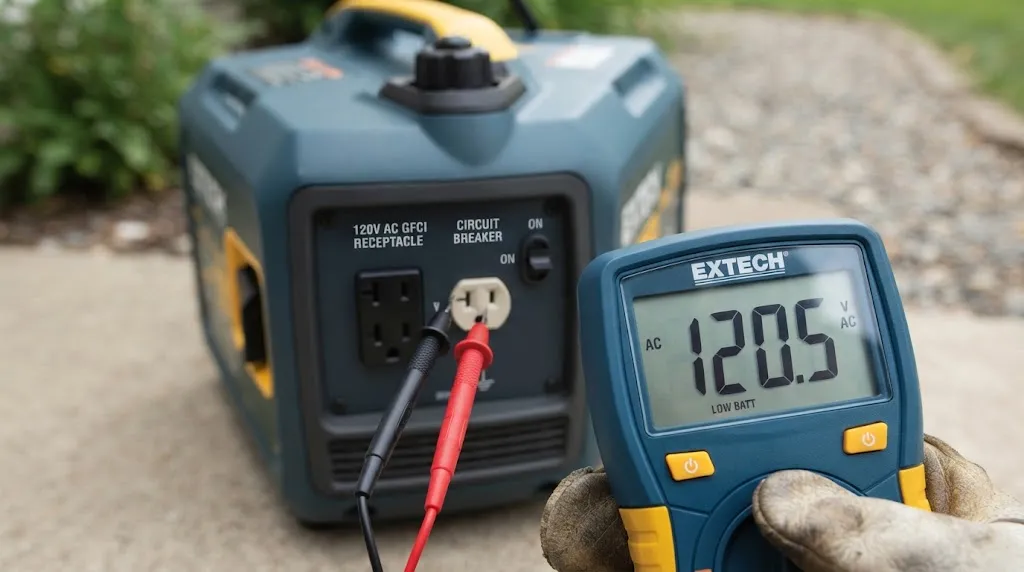
When you are confident that the unit is dry and all components have been inspected, follow a strict startup protocol to catch lingering electrical faults before they cause damage.
Start the engine with all circuit breakers in the OFF position and no loads plugged into the receptacles. Allow the motor to run smoothly for five to ten minutes, reaching normal operating temperature. This self-heating process helps drive off any microscopic moisture lingering deep within the stator and rotor windings.
Test the output voltage at the receptacles using a digital multimeter to confirm that voltage levels match manufacturer specifications (typically 120V/240V AC). Once stable output is verified, switch on the main breaker and test individual circuits gradually, connecting one appliance at a time while monitoring for unusual hums, burning smells, or tripping breakers.
Key Insight
A burning plastic smell, smoke, or erratic voltage fluctuations immediately after startup indicate trapped moisture or damaged insulation. Shut the generator down instantly and disconnect power.
Preventing Future Weather Damage
Preventing water exposure is far easier than troubleshooting electrical failures after a storm. Proper placement and protective enclosures keep portable generators running reliably during severe weather events.
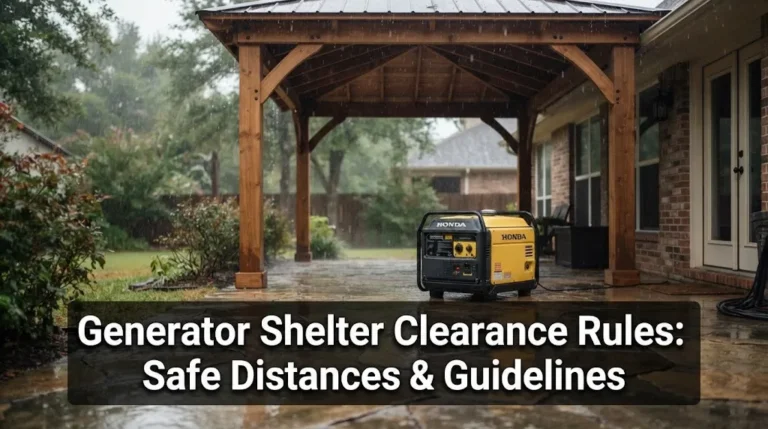
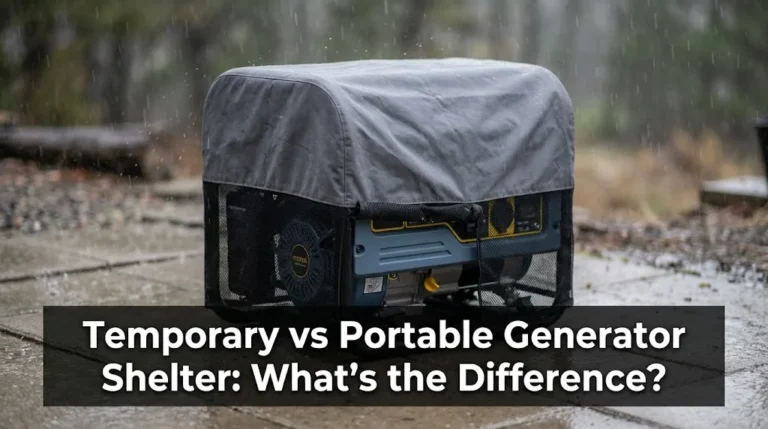
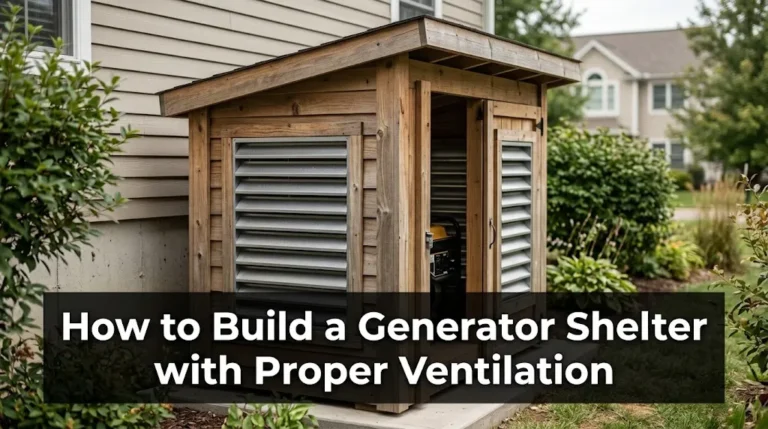
Never run a portable generator directly out in the open during heavy rain or snowstorms without an approved shelter. Use a dedicated generator tent, canopy, or a well-ventilated running shed designed specifically to deflect moisture while allowing adequate exhaust airflow.
| Protection Method | Best Use Case | Key Consideration |
|---|---|---|
| Generator Tent | Temporary storm use | Must remain anchored and allow proper clearance for exhaust. |
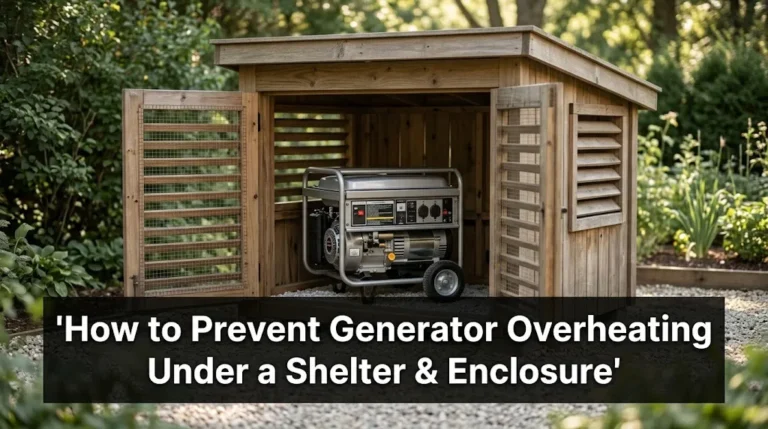
| Shed / Enclosure | Permanent backup setup | Requires active louvers and exhaust venting to prevent overheating. |
| Elevated Platform | Flood-prone regions | Keeps unit above pooling water and splash zones during heavy downpours. |
Always elevate your generator off the ground on concrete blocks or a sturdy stand to protect against rising puddles and runoff. Store the unit indoors in a dry garage or shed when not in use, and keep a breathable storage cover over it once the engine has completely cooled.
Related Product
Portable Generator Weather Cover and Tent
Protect your generator from rain, snow, and moisture accumulation while running safely outdoors with a weatherproof operational tent.
As an Amazon Associate, we earn from qualifying purchases.
Frequently Asked Questions
Can I use a wet generator immediately if it still starts up?
No. Even if the engine starts successfully, moisture inside the electrical windings or control panel can cause sudden short circuits, ruin the alternator, or transmit dangerous current to the metal frame and connected appliances.
How long does it take for a generator to dry out completely?
A generator exposed to light rain or surface condensation typically requires 24 hours of air-drying in a well-ventilated space. Units exposed to heavy soaking or flooding may take 48 hours or require professional disassembly.
Is it safe to use a hair dryer to dry generator windings?
Yes, provided you use a cool or low-heat setting. High heat from a heavy-duty heat gun can melt wire enamel insulation, warp plastic control panel components, and damage sensitive internal electronics.
What happens if floodwater gets inside the generator alternator?
Floodwater often carries silt, mud, and contaminants that coat internal copper windings and trap moisture. This causes rapid corrosion and breakdown of electrical insulation, requiring professional cleaning and testing.
Do GFCI outlets on a generator protect against water damage?
GFCI receptacles protect users from ground faults and shock hazards by tripping when current leakage is detected, but they do not prevent internal moisture from damaging the alternator windings or voltage regulator.
When should I take a wet generator to a professional repair shop?
You should seek professional service if the generator was submerged in deep water, if salt water entered the unit, or if you notice burning smells, smoke, or persistent electrical failure after completing a thorough drying process.
Conclusion
Preventing electrical problems after a generator gets wet requires patience, caution, and a methodical approach to drying and inspection. Rushing the process or attempting to run a damp generator risks permanent equipment failure and severe electrical hazards. By shutting down power immediately, allowing complete air-drying, inspecting all receptacles, and verifying electrical integrity before reconnecting loads, you can safely restore your generator to reliable operation while protecting both your equipment and your home.

Hi, I’m Michael Turner. I own a generator workshop in the United States and founded HomeGeneratorBlog to share practical, hands-on guidance about generator installation, maintenance, troubleshooting, safety, and backup power solutions. My goal is to help homeowners make smarter, more confident decisions through clear and reliable information