How to Keep Snow Away From a Generator: Safe Protection Tips
Quick Answer
To keep snow away from a running generator safely, use a specialized, manufacturer-approved generator tent or build a rigid overhead shelter with open sides that maintains at least three to five feet of clearance around all vents and exhaust areas. Never enclose a running generator in a tightly sealed box, shed, or garage, as this risks fatal carbon monoxide buildup.
Why Winter Weather Poses Risks to Your Generator
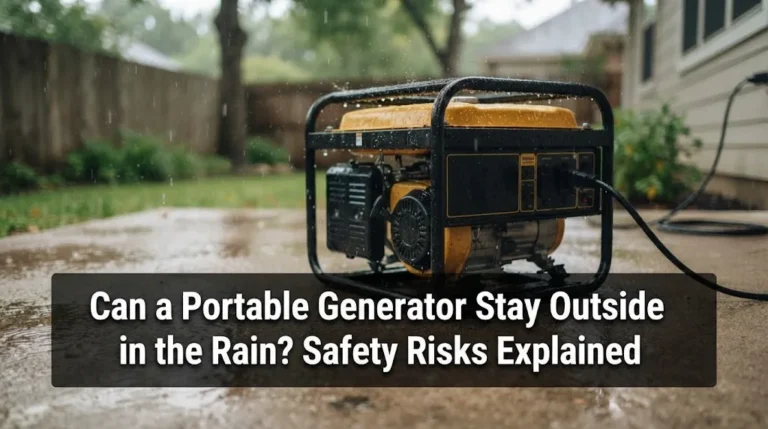
Winter storms bring heavy snowfall, freezing rain, and high winds that can easily compromise an outdoor power generator. When snow blows directly into sensitive electrical components, control panels, or ventilation louvers, it can freeze internal parts, cause electrical shorts, or block essential airflow.
However, the danger of protecting a generator from snow often lies in how the shelter is built. Generators require immense amounts of air for combustion and cooling. Restricting that airflow or trapping exhaust fumes creates severe hazards, making proper winter placement and shelter design critical for both equipment longevity and household safety.
Understanding Safe Clearance and Ventilation Requirements
Before setting up any snow barrier, you must understand the spatial and ventilation rules recommended by generator manufacturers and safety organizations. A generator should never be operated right up against a house, deck railing, or window well.
Exhaust Placement and Carbon Monoxide Safety
Carbon monoxide is an odorless, colorless gas that can quickly accumulate inside a home if generator exhaust is directed toward doors, windows, or intake vents. The exhaust must always point away from living spaces, and the unit itself should ideally be placed at least 15 to 20 feet away from the structure while running.
Airflow and Cooling Needs
A generator engine generates intense heat and requires continuous airflow to cool the alternator and engine block. Covering a generator with a heavy plastic tarp directly draped over the unit traps moisture, creates condensation, and can melt from engine heat. Any temporary shelter must allow free circulation of air on multiple open sides.
Warning
Never run a portable generator inside a garage, shed, crawlspace, or partially enclosed porch, even if the doors or windows are open. Lethal levels of carbon monoxide can build up in minutes and linger for hours.
Effective Methods for Keeping Snow Away
Depending on your budget, climate severity, and whether the generator is portable or standby, several practical methods can shield the unit from blowing snow without restricting safety clearances.
Using Dedicated Generator Tents
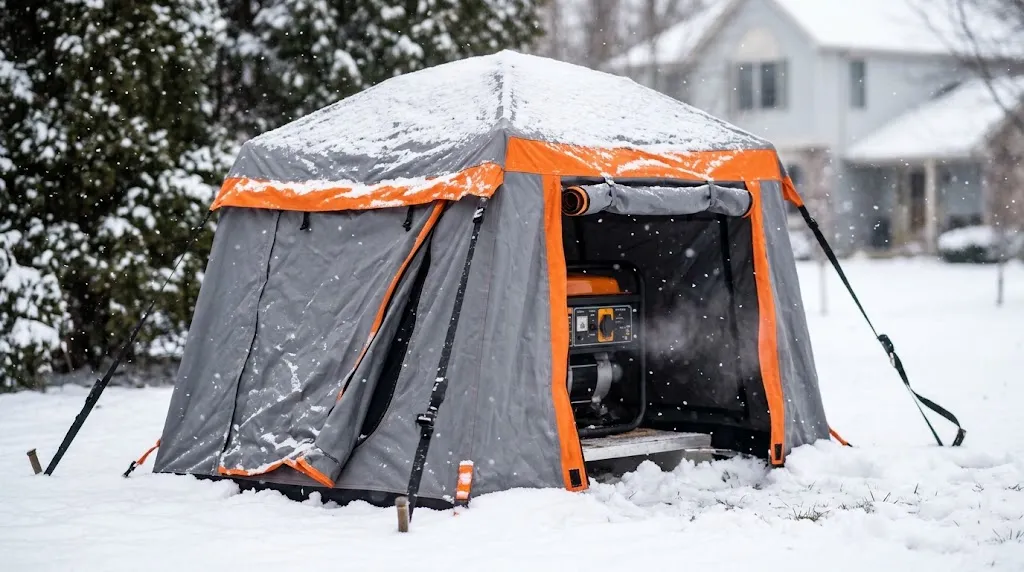
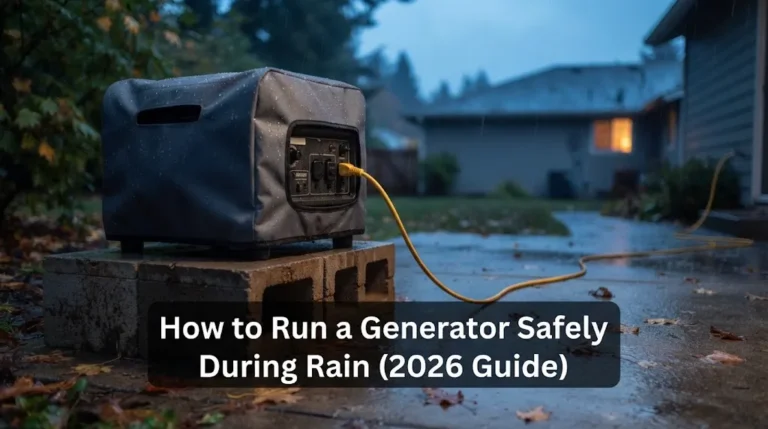
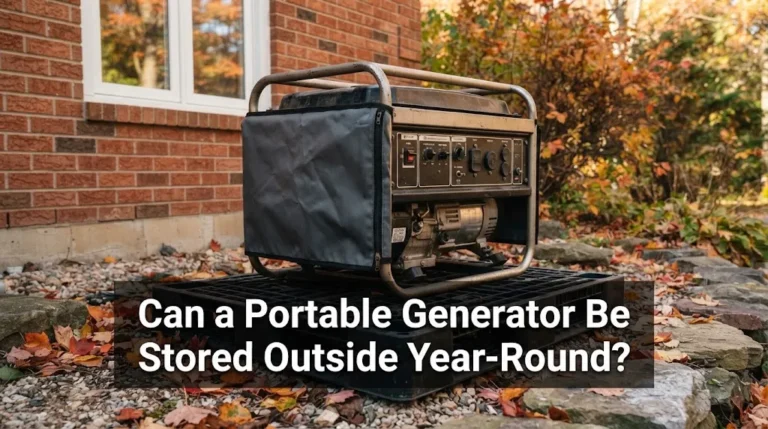
Manufacturer-approved or aftermarket generator tents are designed specifically for foul weather. These frameworks feature flame-retardant fabric roofs that shield the unit from falling snow and rain while leaving the side flaps open or semi-open for active ventilation during operation. They typically anchor securely to the generator frame to withstand high winter winds.
Building a Simple Open-Sided Awning
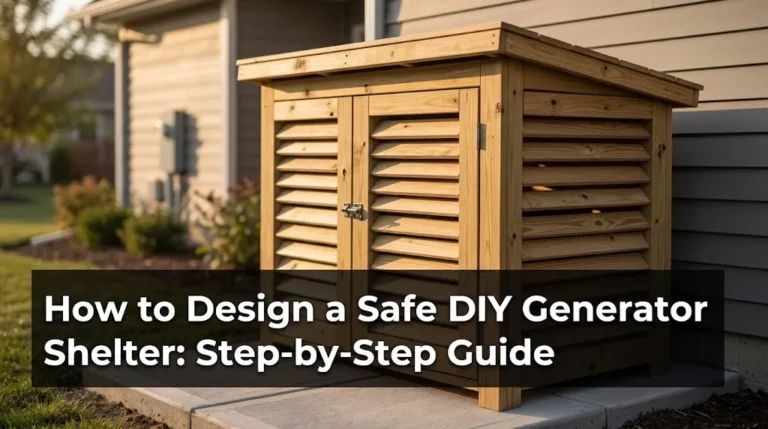
If you prefer a permanent or semi-permanent setup, you can construct a small lean-to or open-sided shed structure away from the main home. The roof protects the engine from direct accumulation, while the lack of walls ensures unobstructed cross-ventilation and exhaust dissipation.
Elevating the Unit
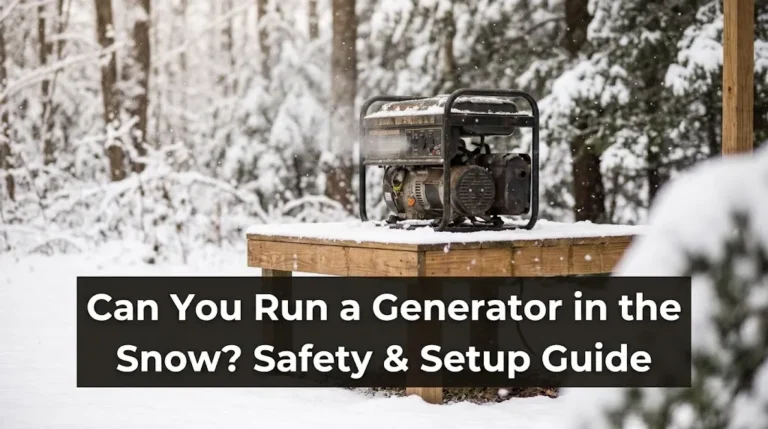
Heavy snow accumulation on the ground can quickly bury the bottom of a generator, blocking lower intake vents and submersing the frame in slush. Placing the generator on a sturdy, level wooden platform, concrete pavers, or composite blocks keeps the unit above ground-level snowdrifts.
Tip
Clear a wide perimeter around your generator setup before a storm hits so you can safely access the fuel cap, circuit breakers, and pull cord without stepping into deep, unstable drifts.
Common Mistakes to Avoid During Winter Operations
Operating a generator in freezing temperatures introduces unique pitfalls that can damage the equipment or create dangerous conditions.
One frequent mistake is draping a standard household tarp directly over a running unit. Tarps can sag against hot exhaust mufflers, creating a serious fire hazard. Furthermore, tight plastic wraps trap hot exhaust gases and moisture inside, causing the unit to ingest its own exhaust or short out electrical circuits.
Another error is neglecting fuel management in sub-freezing weather. Condensation can form inside fuel cans and gas tanks as temperatures fluctuate, leading to water contamination in the carburetor. Using a fuel stabilizer and keeping extra fuel stored in a dry, accessible location prevents starting failures during an outage.
Routine Maintenance Checks During Extended Freezing Weather
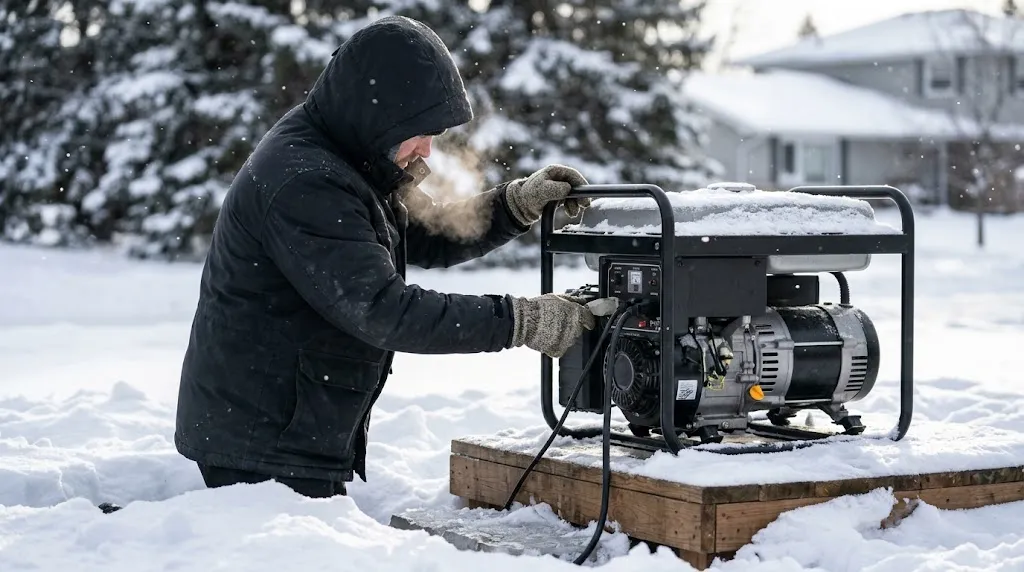
When a generator runs continuously through a multi-day winter storm, periodic inspections are necessary to ensure performance remains stable.
Safely shut down the generator according to manufacturer instructions before checking oil levels or clearing drifting snow from the perimeter. Inspect the exhaust outlet periodically to ensure blowing snow or ice has not formed a blockage around the muffler port. Additionally, check the electrical cords and connection plugs to verify that ice has not formed inside the receptacle boots, which can cause intermittent disconnections or shock hazards.
Related Product
Portable Generator Tent Cover
Protect your generator from heavy snow and rain while allowing safe running ventilation with a heavy-duty weather tent.
As an Amazon Associate, we earn from qualifying purchases.
Frequently Asked Questions
Can I use a standard plastic tarp to cover my generator in the snow?
No, you should never drape a standard plastic tarp directly over a running generator. Tarps can melt against hot exhaust components and trap moisture or exhaust gases, creating severe fire and carbon monoxide hazards. Use a specialized generator tent or an open-sided shelter instead.
How far away from the house should a generator be placed in winter?
A portable generator should generally be placed at least 15 to 20 feet away from your home, with the exhaust pointing safely away from all windows, doors, and fresh air intakes to prevent carbon monoxide from entering living spaces.
What should I do if snow blocks the generator exhaust while it is running?
Safely shut down and power off the generator, allow the hot exhaust components to cool slightly if possible, and carefully clear away the snow blockage using a brush or shovel. Never attempt to clear snow from active exhaust areas without turning the unit off first.
Will freezing temperatures affect how my generator starts?
Yes, extreme cold can thicken engine oil and make gasoline harder to vaporize. Using the correct winter-grade oil weight specified in your manual and ensuring your battery is fully charged for electric-start models will help the unit start reliably in sub-zero weather.
Is it safe to build a wooden enclosure around a portable generator?
Building a fully enclosed wooden box or shed is unsafe unless it has been professionally engineered with active, powered ventilation systems designed specifically for generators. Standard enclosed sheds will trap exhaust and cause the engine to overheat.
How can I keep ice and snow from building up underneath the generator?
Elevating your generator on a flat, sturdy platform such as concrete pavers, wooden blocks, or a raised deck prevents the unit from sitting directly in melting snow or getting buried by ground-level drifts.
Conclusion
Protecting your generator from winter snow requires a careful balance between shielding electrical components and maintaining uninhibited airflow and exhaust safety. By utilizing approved generator tents, elevating the unit off the ground, and strictly avoiding fully enclosed boxes or makeshift tarps, you can keep your power source running dependably through severe winter storms while safeguarding your household from carbon monoxide risks.

Hi, I’m Michael Turner. I own a generator workshop in the United States and founded HomeGeneratorBlog to share practical, hands-on guidance about generator installation, maintenance, troubleshooting, safety, and backup power solutions. My goal is to help homeowners make smarter, more confident decisions through clear and reliable information