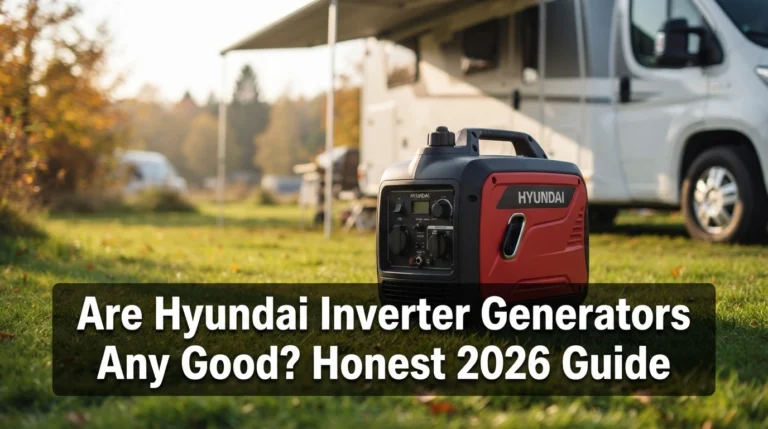
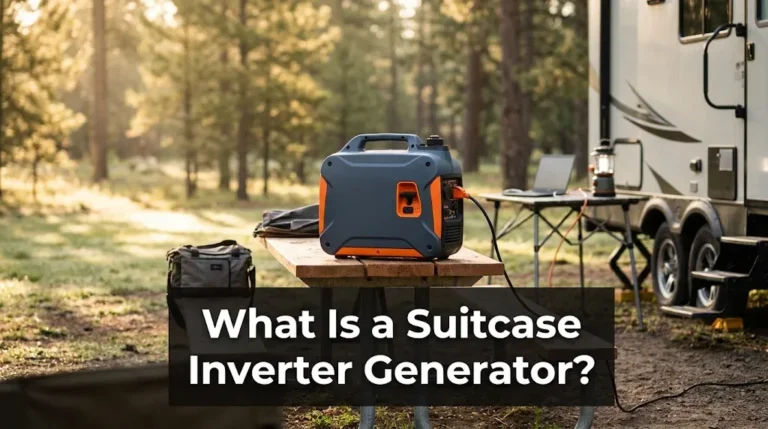
Are PowerSmart Inverter Generators Any Good? 2026 Review
Quick Answer
Yes, PowerSmart inverter generators are good value for light, occasional use. They suit camping, tailgating, and short outages when you pick the right size and keep up with basic care. They are not the best pick for daily use, heavy loads, or whole-home backup, where premium models from the best inverter generator brands tend to last longer and run quieter.
Why buyers choose PowerSmart
- Lower price: You pay less upfront than you would for a premium badge.
- Clean power: Inverter output suits phones, laptops, and other sensitive electronics.
- Light build: Small models are easy to carry, load, and store.
- Simple controls: Most models use a clear panel with standard household outlets.
- Good fit: The range works best for campsites, RV trips, and basic backup power.
Before you buy
- Add up running watts and starting watts for everything you plan to run at once.
- Check the spec sheet for rated watts, outlets, runtime, noise, and warranty terms.
I’ve tested a lot of inverter generators over the years, from premium suitcase models to budget units that cost half as much. PowerSmart sits firmly in that budget group, and that shapes every part of this answer.
This guide goes past the sales page. You’ll get an honest verdict on power quality, noise, runtime, reliability, and real limits, plus sizing math and care tips that help a value generator last.
In This Guide
- What Is a PowerSmart Inverter Generator?
- Are PowerSmart Inverter Generators Any Good?
- How Do PowerSmart Models Perform in Real Use?
- What Can a PowerSmart Inverter Generator Run?
- PowerSmart vs Other Budget Brands
- What Problems Should You Watch For?
- How Do You Choose and Maintain the Right One?
- Frequently Asked Questions
- Final Takeaway: Should You Buy a PowerSmart?
What Is a PowerSmart Inverter Generator?
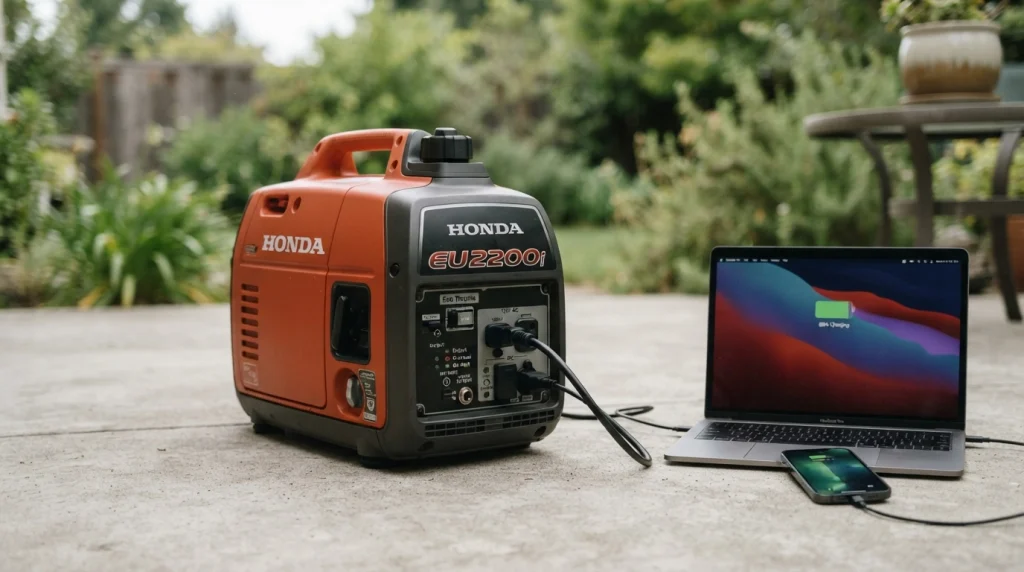
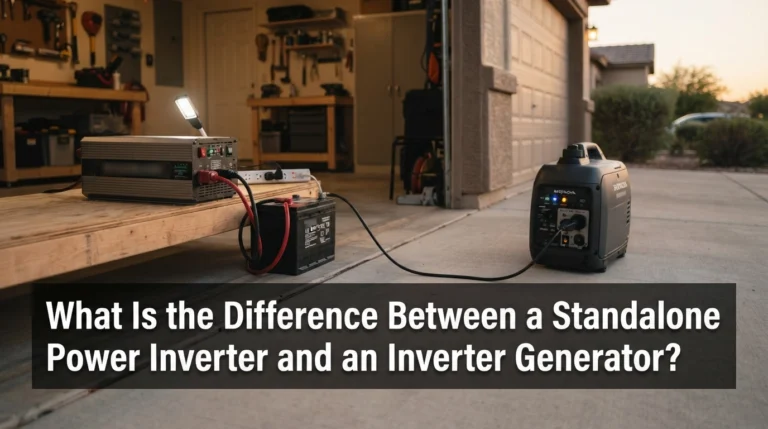
An inverter generator is a portable generator that makes AC power, converts it to DC, then rebuilds it as stable AC power. That extra step gives you a clean sine wave with low total harmonic distortion (THD), which matters for sensitive electronics.
PowerSmart is a value brand in outdoor power equipment. Its inverter models focus on low cost, light weight, and simple operation for home, RV, and camping use.
What does the PowerSmart range cover?
The range centers on small, portable inverter models for light loads. Larger models add more watts for RV air conditioning, power tools, and longer backup runs.
Exact models, watts, and features change by year and retailer. Check the spec sheet for the exact unit you plan to buy.
- Small suitcase models: Best for charging, lights, fans, and small electronics.
- Mid-size models: Better for a fridge, TV, router, and a few small loads at once.
- Larger portable models: Built for higher loads, with more outlets and fuel capacity.
- Parallel-capable models: Some units can pair with a second unit for more power.
How is an inverter generator different from a conventional generator?
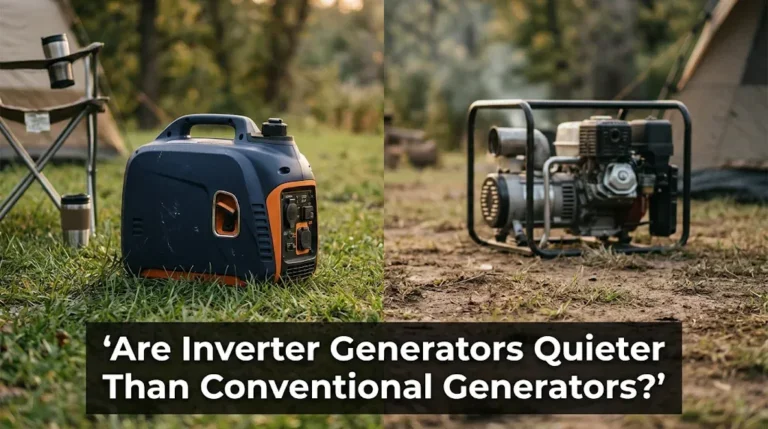
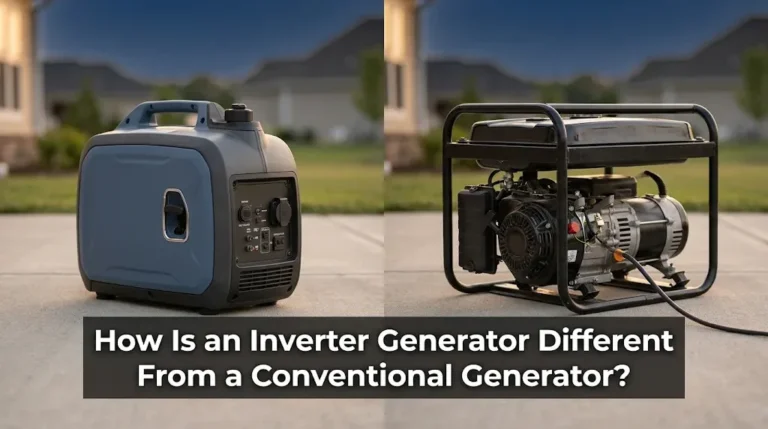
A conventional generator, also called an open-frame generator, runs at a fixed speed. It can be louder and less fuel-efficient at light loads.
An inverter generator adjusts engine speed to match the load. That design saves fuel, cuts noise at light loads, and keeps voltage steadier.
That difference matters at a campsite. It also matters when you run a laptop, phone charger, CPAP machine, or modern fridge controls.
If you want a full buying checklist, start with what to look for in an inverter generator before you compare prices. Size, outlets, and runtime matter more than brand alone.
Section Takeaway: PowerSmart sells affordable inverter power for light, portable use. The inverter design is the main draw, not premium build or heavy-duty output.
Are PowerSmart Inverter Generators Any Good?
Yes, for the right job. PowerSmart earns its place as a budget pick for occasional use, not as a workhorse for daily power.
I’ve run budget inverter generators through weekend camping trips and short outages. They shine when loads stay modest and care stays consistent.
What do owners tend to like?
Owners praise the low price first. They also like the light weight, easy starts when fuel is fresh, and quiet-enough sound at light loads.
For many buyers, that mix is enough. A small unit that starts, runs the fridge, and charges phones feels like a win during a short outage.
- Value: You get inverter power without a premium price tag.
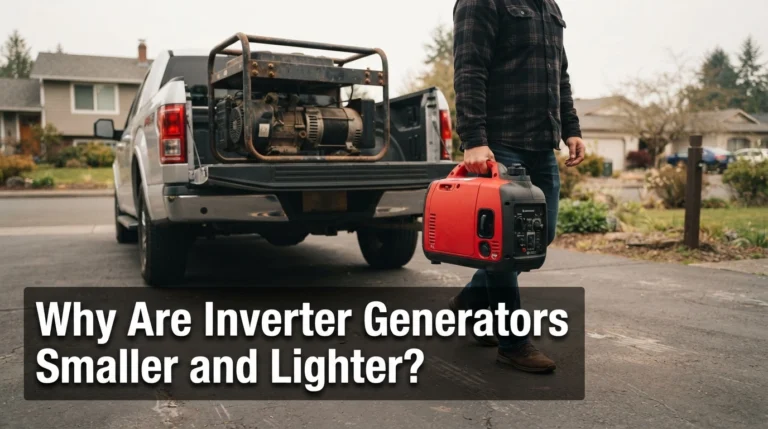
- Portability: Small models fit in a car trunk or RV storage bay.
- Clean output: Inverter power suits laptops, phones, and battery chargers.
- Eco mode: Economy mode lowers engine speed at light loads to save fuel.
Where does PowerSmart fall short?
Build feel, long-term support, and parts access can lag premium brands. Noise and runtime also vary more by model, so two units in one lineup can feel quite different.
That gap shows up over time. A unit used twice a year may serve well for years, while a unit run hard each week will show wear sooner.
- Heavy loads: Overload shutdowns happen fast when you stack motor loads.
- Long runs: Small tanks need refills, and heat builds up on hot days.
- Support: Warranty terms and service options vary, so read them before you buy.
- Resale: Budget brands tend to hold less value than Honda or Yamaha.
Independent testing and owner reports, including guidance from Consumer Reports, stress the same point. Match the generator to your loads, and do not judge it by starting watts alone.
Section Takeaway: PowerSmart is good value for light, occasional use. It is not the best choice for heavy, daily, or whole-home duty.
How Do PowerSmart Models Perform in Real Use?
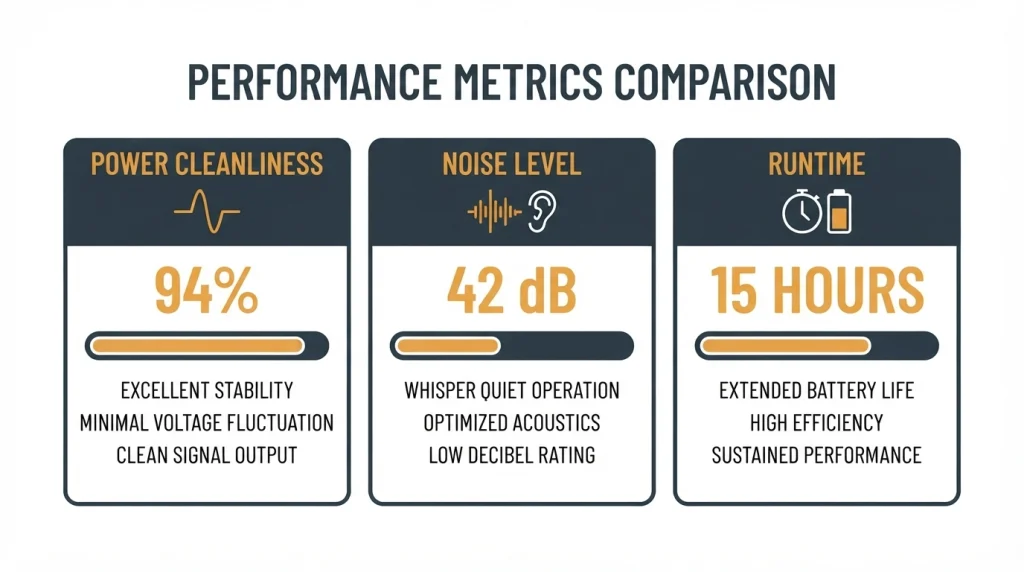
Real performance comes down to three things: power quality, noise, and runtime. PowerSmart does well on the first, and it stays fair on the other two for its price.
As of 2026, most budget inverter models share the same trade-off. You get clean, portable power, but you give up some refinement and long-run stamina.
Is the power clean enough for electronics?
Yes, in general. Inverter generators produce a stable sine wave with low THD, which suits phones, laptops, routers, TVs, and battery chargers.
THD measures how clean the power wave is. Lower THD means smoother power for sensitive circuits.
Still, check the spec sheet for the exact THD claim. Do not assume every model in a lineup shares the same rating.
How loud are PowerSmart inverter generators?
Noise depends on load, distance, and the exact model. Most makers quote noise at quarter load, measured from about 23 feet away.
At light loads with eco mode on, a small inverter unit sounds like a low hum. At full load, the same unit gets much louder.
Distance helps a lot. Move the unit farther from tents, windows, and neighbors, and use a long, heavy-duty extension cord rated for outdoor use.
For context on the gap, read how much quieter inverter generators are than conventional models. Inverter models win at light loads, but no gas generator is silent.
How long will one run on a tank?
Runtime depends on tank size, load, and eco mode. A light load can stretch a tank for many hours, while a heavy load can drain it fast.
Eco-throttle, also called economy mode, slows the engine when demand drops. That saves fuel when you run lights and chargers, but it can lag when a motor starts.
- Light load: Longest runtime, lowest noise, best fuel use.
- Half load: A fair test point for comparing models on one spec sheet.
- Full load: Shortest runtime and highest noise, so plan refills ahead.
Fuel use also depends on how you store gas. Stale fuel causes hard starts and surging, which hurts runtime and reliability alike.
The U.S. Department of Energy offers broad guidance on home energy use and backup planning. Use it to size loads with care, not guesswork.
Safety note: Run generators outdoors and well away from windows, doors, and vents. Never run one in a garage, even with the door open.
Section Takeaway: PowerSmart performs well for light loads and short runs. Noise and runtime get worse fast as load rises, so size with headroom.
What Can a PowerSmart Inverter Generator Run?
It depends on running watts and starting watts. Running watts power a device in steady use, while starting watts cover the brief surge when a motor starts.
A fridge may need only 150 running watts, but it can surge several times higher at startup. That surge is where small generators trip.
How do you do the wattage math?
List each device you plan to run at the same time. Add running watts, then add the largest starting surge once.
Keep a margin. I aim for 20% headroom above my total, so a motor start does not push the unit into overload.
- List loads: Write down each device, with running watts from its label.
- Add surges: Add the biggest motor surge, such as a fridge or AC compressor.
- Compare: Check the total against running watts, not starting watts alone.
- Stagger starts: Start large motors one at a time, with other loads off.
What loads fit a small PowerSmart model?
Small models suit charging and light comfort loads. They handle phones, laptops, lights, fans, a TV, and a router with ease.
They can often run a fridge on its own. They struggle when you add a microwave, window AC, or power tool at the same time.
- Easy loads: Phones, laptops, lights, fans, router, CPAP machine.
- Moderate loads: Fridge, freezer, TV, small fan, battery charger.
- Hard loads: RV air conditioner, window AC, sump pump, large power tools.
- Too much: Electric water heater, full oven, or several motor loads at once.
Is a PowerSmart good for camping and RV use?
Yes, for light camping and RV use. Small inverter models are light, fairly quiet at low load, and easy to store.
For RV air conditioning, check watts with care. Many RV AC units need a larger model, a soft-start kit, or two units in parallel.
Compare options in our guide to portable inverter generators for camping before you pick a size. Campsite rules and noise limits vary, so quiet operation matters.
On one camping trip, I watched a neighbor overload a small unit with a coffee maker and a heater at once. The generator shut down, the coffee went cold, and the lesson stuck.
Section Takeaway: A PowerSmart can run essentials if you size it right and stagger motor starts. It will not run a whole home, and it should not try.
PowerSmart vs Other Budget Brands
PowerSmart competes on price, not prestige. That puts it beside WEN, Predator, and entry Champion models, not beside Honda at the top.
Use the table below to compare roles, not exact specs. Check each spec sheet for watts, outlets, and warranty terms.
| Brand | Typical position | Best for | Watch out for |
|---|---|---|---|
| PowerSmart | Budget value | Camping, tailgating, short outages | Support and long-run stamina vary |
| Honda | Premium benchmark | Daily use, quiet sites, long life | High upfront cost |
| Champion | Mid-price workhorse | Home backup, RV use, dual fuel choice | Larger models weigh more |
| WEN | Budget value | Camping, light backup, first buyers | Specs vary widely by model |
| Predator | Budget value | Job sites, RV use, value buyers | Noise and support vary by model |
Should you pay more for Honda or Champion?
Pay more if you run a generator often, need quiet operation, or want stronger support. Premium models tend to hold up better under frequent use.
Stay with a budget pick if use is rare and loads are light. The savings can fund a good cord, fuel stabilizer, and a CO alarm.
How does PowerSmart compare with Predator and WEN?
All three target value buyers with similar trade-offs. The best pick often comes down to the exact model, price, outlets, and warranty on the day you buy.
Read how Predator inverter generators compare and whether WEN inverter generators are reliable side by side. Compare running watts, noise ratings, and support terms, not just starting watts.
Section Takeaway: PowerSmart holds its own on price among budget brands. Honda and Champion win on refinement, support, and long-term use.
What Problems Should You Watch For?
Most PowerSmart complaints mirror other budget inverter generators. Fuel, overload, and upkeep cause more trouble than the inverter board itself.
Knowing these faults early helps you avoid them. A little care beats a repair bill.
Why won’t a PowerSmart start?
Stale fuel is the top cause. Gas left in the tank and carburetor for months can clog jets and make starts hard.
Low oil can also block a start. Many models use a low-oil shutdown to protect the engine, so check oil level first.
- Stale gas: Drain old fuel, use fresh gas, and add stabilizer per the manual.
- Clogged carburetor: Surging or stalling after storage points to fuel residue.
- Low oil: Top up oil to the fill line and check for leaks.
- Dead spark plug: A fouled plug causes weak starts and rough running.
- Choke error: Use the choke as the manual directs for cold starts.
Why does it overload or surge?
Overload happens when total demand tops running watts. A motor surge, a heater, or two large loads at once can trip it.
Surging often means a fuel or air issue. Dirty fuel, a blocked air filter, or a clogged carburetor can make the engine hunt up and down.
Turn eco mode off for motor loads. The engine then holds speed better when a compressor kicks in.
Are parts and support hard to get?
Parts and support can be slower than premium brands. Filters, plugs, and pull cords are often easy to find, while boards and panels can take longer.
Keep your receipt, model number, and manual in one place. That record speeds up any warranty claim.
Safety note: Let the engine cool before you refuel, and refuel outdoors away from sparks. Store fuel in an approved container, away from living spaces.
Section Takeaway: Fuel care and load control prevent most PowerSmart problems. Neglect turns a small fault into a dead generator fast.
How Do You Choose and Maintain the Right One?

Choose by loads first, then by noise, runtime, and outlets. Price comes last, once the unit fits the job.
Maintenance then decides how long it lasts. Budget units reward owners who follow the manual.
How do you choose the right size?
Start with your must-run loads. A fridge, lights, router, and phone charging need far less power than an RV AC plus a microwave.
Pick running watts above your total, with headroom for surges. If you need more power later, parallel capability can help.
- List must-run loads: Include fridge, CPAP machine, lights, and chargers.
- Check outlets: Match household, USB, 12V, and RV outlets to your gear.
- Check runtime: Compare runtime at the same load level across models.
- Check weight: Make sure one person can lift and move it with ease.
- Check warranty: Read coverage, service steps, and return terms before you buy.
What maintenance keeps it reliable?
Follow the owner’s manual for break-in, oil changes, and valve checks. Intervals vary by model, so do not copy another brand’s schedule.
Run the unit under load each month or two. Short, loaded runs keep fuel fresh, seals wet, and faults visible early.
- Oil: Change oil per the manual, and check the level before each run.
- Air filter: Clean or replace it when dirty, more often in dusty air.
- Spark plug: Inspect it each season and replace it when worn.
- Fuel: Use fresh gas, add stabilizer, and drain fuel for long storage.
- Storage: Store dry, covered, and away from living spaces.
How do you use it safely at home?
Place the generator outdoors, at least 20 feet from the house when you can. Point exhaust away from windows, doors, and vents.
Use heavy-duty outdoor cords, and do not overload one cord. For house circuits, use a transfer switch or interlock kit installed by a licensed electrician.
A transfer switch is a device that safely connects a generator to home circuits. It stops backfeeding, which can harm utility workers and damage gear.
The Consumer Product Safety Commission and the CDC both warn about carbon monoxide from generators. CO is colorless and odorless, so a battery CO alarm adds a vital layer of safety.
The EPA also sets emission rules for small engines. Follow local rules on fuel, storage, and use, and check your manual before each season.
Safety note: Never plug a generator into a wall outlet to backfeed a home. Use a transfer switch or interlock installed by a licensed electrician, and check your owner’s manual before use.
Section Takeaway: Right size plus steady care gives a PowerSmart its best chance. Safe placement and fresh fuel matter as much as watts.
Frequently Asked Questions
Are PowerSmart inverter generators reliable?
They can be reliable for light, occasional use with fresh fuel and regular care. Heavy, daily use will test a budget unit harder than a premium model, so match the job to the design.
Are PowerSmart generators good for home backup?
They work for short outages and a few essentials, such as a fridge, lights, router, and chargers. They are not a good fit for whole-home backup or large motor loads running at once.
Can a PowerSmart inverter generator run sensitive electronics?
Yes, inverter output suits phones, laptops, routers, and TVs when the unit is sized right. Check the spec sheet for THD and running watts, and avoid overloads that can cause voltage dips.
How loud is a PowerSmart inverter generator?
Noise varies by model and load, with the quietest sound at light loads in eco mode. Check the spec sheet for the rated noise level, test distance, and load, and place the unit as far from people as your cord allows.
Is PowerSmart better than Champion or Honda?
PowerSmart wins on upfront price, while Champion and Honda tend to win on refinement, support, and long-term durability. Choose PowerSmart for rare, light use, and pay more if you run a generator often.
How long do PowerSmart inverter generators last?
Life depends on use, loads, fuel care, and maintenance, so no single number fits every owner. Fresh fuel, timely oil changes, and monthly test runs help a budget unit last far longer than one left sitting with old gas.
Final Takeaway: Should You Buy a PowerSmart?
Buy a PowerSmart if you want low-cost inverter power for camping, tailgating, or short outages. It earns that role with clean output, light weight, and simple controls.
Skip it if you need daily power, quiet operation at high load, or strong long-term support. In that case, step up to a mid-price or premium model.
- Buy it for: Light loads, rare use, tight budgets, and portable power.
- Skip it for: Whole-home backup, heavy tools, and daily job-site duty.
- Check first: Running watts, outlets, runtime, noise, and warranty terms.
Size it with headroom, keep fuel fresh, and run it outdoors with care. Do that, and a PowerSmart can be a smart buy, not just a cheap one.

Hi, I’m Michael Turner. I own a generator workshop in the United States and founded HomeGeneratorBlog to share practical, hands-on guidance about generator installation, maintenance, troubleshooting, safety, and backup power solutions. My goal is to help homeowners make smarter, more confident decisions through clear and reliable information