How Much Ventilation Does a Generator Shelter Need?
Quick Answer
A generator shelter generally requires separate, unobstructed intake and exhaust openings that provide at least two to three square inches of net free ventilation area per kilowatt (kW) of generator capacity, alongside a dedicated rigid metal exhaust pipe routed directly outdoors. Enclosures must supply adequate airflow for both engine combustion and ambient cooling to prevent dangerous overheating and carbon monoxide accumulation.
Why Generator Shelters Require Precision Ventilation
Operating a backup generator inside any enclosure introduces two critical hazards: thermal overload and toxic gas accumulation. Internal combustion engines generate massive amounts of heat and consume large volumes of oxygen while expelling exhaust gases rich in carbon monoxide (CO).
Without proper airflow, an enclosed generator will quickly starve for oxygen, causing engine sputtering, incomplete combustion, and rising carbon monoxide output. Simultaneously, trapped ambient heat will degrade generator windings, damage electronic control boards, and cause thermal shutdown.
Designing a safe shelter requires balancing two distinct airflow pathways: combustion and cooling air intake, and hot air and exhaust expulsion. Getting these proportions wrong risks permanent equipment damage and severe safety failures.
Understanding the Dual Airflow Requirements
When calculating shelter ventilation, you must separate general room airflow from engine exhaust routing. Conflating these two systems is one of the most common mistakes in generator enclosure design.
1. Combustion and Cooling Airflow
The engine requires fresh air to mix with fuel inside the cylinders. At the same time, the alternator and engine block radiate substantial heat that must be swept away by moving ambient air. This intake air enters through low-level louvers or vents.
2. Exhaust Gas Expulsion
Exhaust gases cannot simply be dumped into the shelter room and vented out through general louvers. Engine exhaust must be captured at the muffler and piped through a sealed, high-temperature rigid metal pipe directly to the exterior of the structure.
How to Calculate Vent Sizing for a Generator Shelter
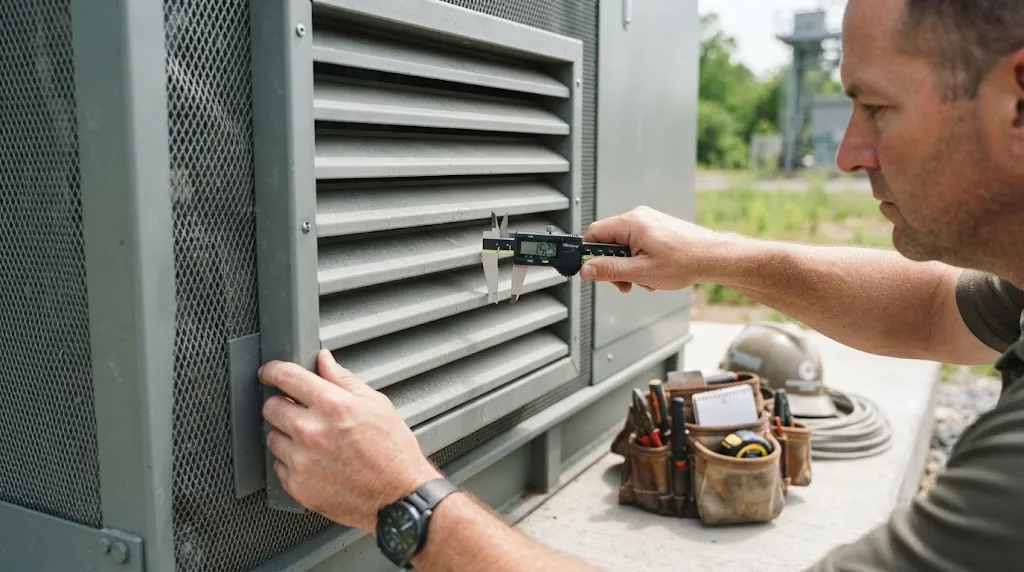
Ventilation sizing is determined by the kilowatt (kW) rating of the generator and the heat rejection rates specified by the manufacturer. While industrial installations require precise cubic feet per minute (CFM) mechanical fan calculations, residential shed setups typically rely on Net Free Area (NFA) vent sizing rules.
Net Free Area refers to the actual open area through which air can pass, accounting for the obstruction caused by louver blades, insect screens, and protective mesh. Standard louvers often block 40% to 50% of the total rough opening size.
Tip
When purchasing louvered vents for a generator enclosure, always check the manufacturer’s published NFA percentage. A 12×12-inch vent with a 50% free-area rating provides only 72 square inches of actual airflow space.
Placement and Configuration of Intake and Exhaust Vents
The physical placement of vents dictates how efficiently air circulates through the shelter. Poor placement creates thermal dead zones where heat accumulates around the alternator.
To establish effective cross-ventilation, intake and exhaust openings should be placed on opposite sides of the enclosure:
- Low-Level Intake Vents: Position fresh air intake vents near the base of the shelter, preferably on the side facing the engine intake or alternator cooling fan. Pulling cool air in low ensures that dense, oxygen-rich air reaches the engine block first.
- High-Level Exhaust Vents: Position hot air exhaust vents near the ceiling on the opposite wall. Because hot air naturally rises, high-level placement assists thermal convection and prevents trapped heat pockets.
Passive Versus Active Ventilation Systems
Choosing between natural (passive) airflow and mechanical (active) ventilation depends heavily on the size of the generator and the climate where it operates.
Passive Ventilation
Passive systems rely entirely on natural wind pressure and the thermal stack effect. This approach works well for smaller portable generators (under 7 kW) housed in large, well-vented enclosures, provided the net free area of the louvers significantly exceeds the minimum recommendations.
Active Ventilation
Larger standby or heavy-duty portable generators housed in compact sheds almost always require active ventilation. Thermostatically controlled exhaust fans pull hot air out of the enclosure when temperatures rise above a safe threshold. These fans must be rated for high ambient temperatures and wired to a reliable auxiliary power source or backup battery system.
Warning
Never rely solely on electric ventilation fans without a fail-safe backup. If power fails or the fan motor burns out while the generator runs under load, the enclosure can overheat and melt plastic components or trigger engine seizure within minutes.
Managing Engine Exhaust Routing Safely
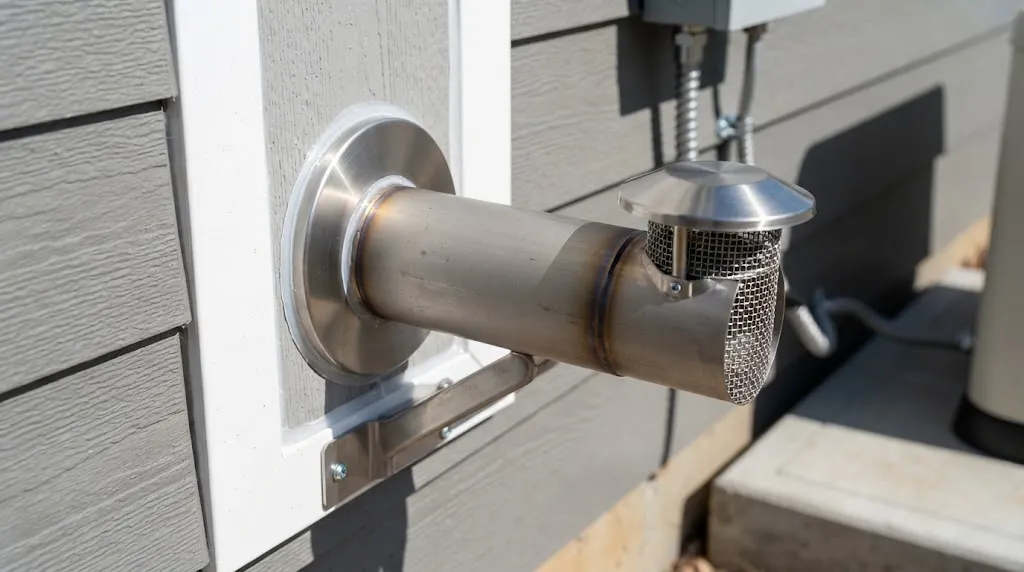
Routing the exhaust pipe out of a shelter is a critical engineering task that demands strict adherence to safety standards. Flexible metal exhaust extensions must be rated for high temperatures and connected using high-temp silicone or rated gaskets.
Key safety precautions for shelter exhaust systems include:
- Maintaining Clearance: Ensure the hot exhaust pipe maintains a minimum safe clearance from combustible wood, insulation, and siding materials. Use rated wall thimbles when passing pipe through wooden framing.
- Preventing Backpressure: Excessive pipe length or tight bends create backpressure, which chokes the engine, reduces power output, and causes overheating. Keep exhaust runs as short and straight as possible.
- Weather Protection: Install a rain cap or flapper on the exterior exhaust termination to prevent rainwater from traveling down the pipe into the engine manifold.
Related Product
Generator Louvered Vents and Exhaust Kits
Ensure balanced airflow and secure weather-resistant intake and exhaust openings for your custom generator enclosure.
As an Amazon Associate, we earn from qualifying purchases.
Frequently Asked Questions
Can I run a portable generator inside a standard closed storage shed?
No. Running a generator in a standard closed shed without major structural modifications is extremely dangerous. Standard sheds lack the necessary intake/exhaust venting and direct exhaust piping required to prevent lethal carbon monoxide accumulation and extreme heat buildup.
How large do the intake and exhaust vents need to be?
As a general guideline, provide at least two to three square inches of net free ventilation area per kilowatt of generator capacity for both intake and exhaust. Always verify your specific generator manufacturer’s heat rejection specifications for precise requirements.
Do I need an active exhaust fan or is passive ventilation enough?
Passive ventilation works well for small portable units in mild climates with large louvered openings. Larger standby generators or units housed in compact, tightly sealed enclosures require thermostatically controlled active exhaust fans to maintain safe operating temperatures.
How does fuel type affect generator shelter ventilation?
Gasoline, propane, and natural gas generators all produce carbon monoxide and heat, but closed-system fuels like propane and natural gas eliminate liquid fuel storage vapors inside the shelter. Regardless of fuel type, oxygen depletion and carbon monoxide production remain constant hazards requiring identical ventilation standards.
What is the minimum clearance needed around a generator inside a shelter?
Most manufacturers recommend a minimum of 3 to 5 feet of clearance on all sides and above the unit to allow proper airflow and maintenance access. Cramping a generator into a tight enclosure restricts cooling airflow and dramatically raises operating temperatures.
How do I prevent rain and debris from entering the ventilation louvers?
Use exterior weather-resistant louvered vents featuring downward-angled blades and integrated insect screens or wire mesh. Positioning intake vents under roof overhangs or behind protective baffles also prevents wind-driven rain from penetrating the enclosure.
Conclusion
Proper ventilation is the single most important factor in operating a safe and reliable generator shelter. By calculating correct net free area requirements, establishing balanced low-level intake and high-level exhaust paths, and routing engine exhaust strictly outdoors, you protect your equipment from thermal degradation and your home from deadly carbon monoxide risks. Always prioritize manufacturer specifications and local building codes before finalizing any generator enclosure design.

Hi, I’m Michael Turner. I own a generator workshop in the United States and founded HomeGeneratorBlog to share practical, hands-on guidance about generator installation, maintenance, troubleshooting, safety, and backup power solutions. My goal is to help homeowners make smarter, more confident decisions through clear and reliable information