How to Protect a Portable Generator During Storms Safely
Quick Answer
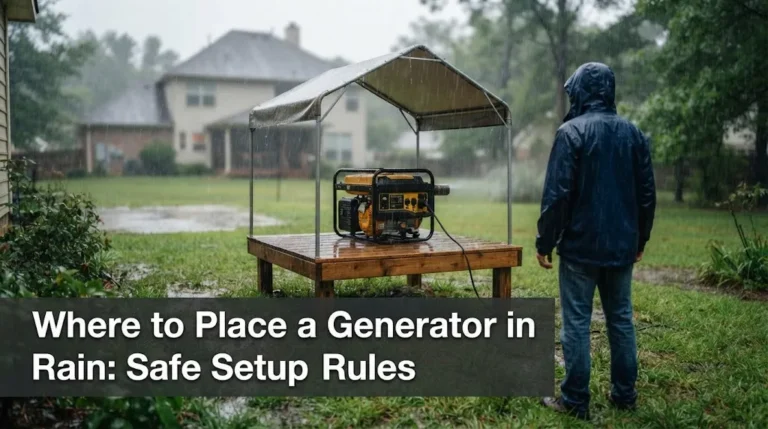
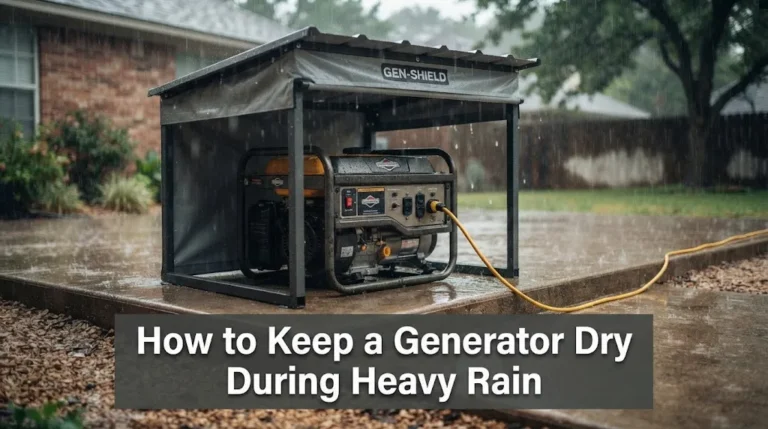
To protect a portable generator during a storm, place it on a dry, elevated, and well-ventilated surface at least 15 to 20 feet away from your home, operating it inside a dedicated generator tent, enclosure, or under an open-sided overhang while keeping it completely shielded from direct rain, snow, and flooding.
Understanding the Risks Storms Pose to Portable Generators
Severe weather brings intense moisture, high winds, flying debris, and localized flooding. Operating a portable generator in these conditions introduces severe hazards, including electrical shock, equipment short-circuiting, carbon monoxide poisoning, and permanent alternator damage.
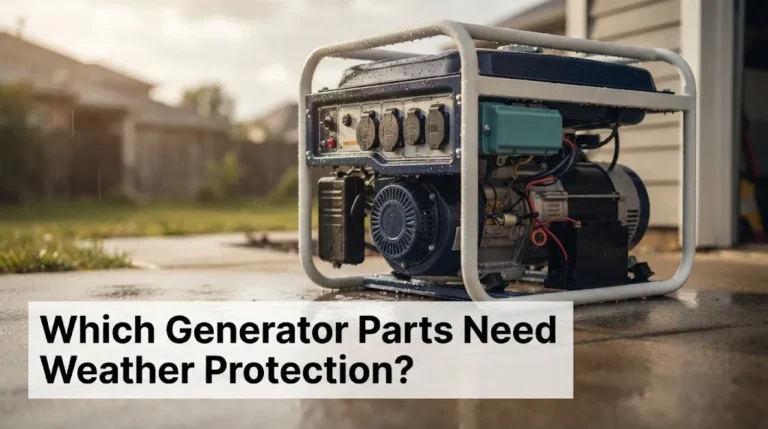
Moisture is the primary enemy of electrical windings. When rainwater penetrates the control panel, outlets, or engine housing, it can cause immediate ground faults or ruin the alternator assembly. Simultaneously, restricted airflow or improper placement can cause exhaust fumes to back up into living spaces, creating a lethal safety hazard.
Protecting your equipment requires balancing two opposing needs: keeping the generator completely dry from precipitation while maintaining the massive volume of fresh air required for engine cooling and exhaust dissipation.
Selecting the Safest Operating Location
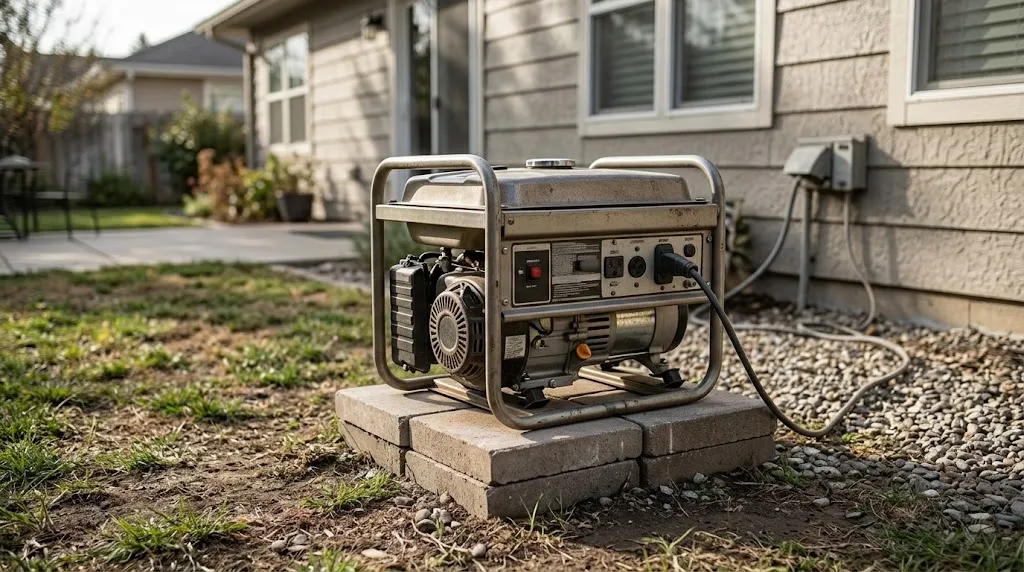
Location is the single most important factor in storm generator safety. A generator must never be placed inside a house, garage, crawlspace, or enclosed shed, even if doors and windows are left open.
Safe Distance and Exhaust Direction
Position the unit at least 15 to 20 feet away from your home, with the engine exhaust pointing away from all windows, doors, vents, and outdoor seating areas. Wind gusts can easily push carbon monoxide back toward living quarters if the unit is placed too close to exterior walls.
Elevation and Flood Prevention
Heavy storms frequently cause standing water, pooling, and flash flooding. Never place a portable generator directly on wet grass, mud, or low-lying concrete where water can pool around the wheels or frame.
Tip
Elevate your generator on concrete pavers, solid wooden blocks, or a specialized heavy-duty stand to keep the electrical components safely above rising puddles and saturated soil.
Weatherproofing Options: Tents, Canopies, and Enclosures
Running a generator unprotected in a torrential downpour invites disaster. However, improvising a shelter using standard plastic tarps draped directly over the unit restricts airflow and traps heat, often causing the engine to overheat or melt plastic components.
Using a Purpose-Built Generator Tent
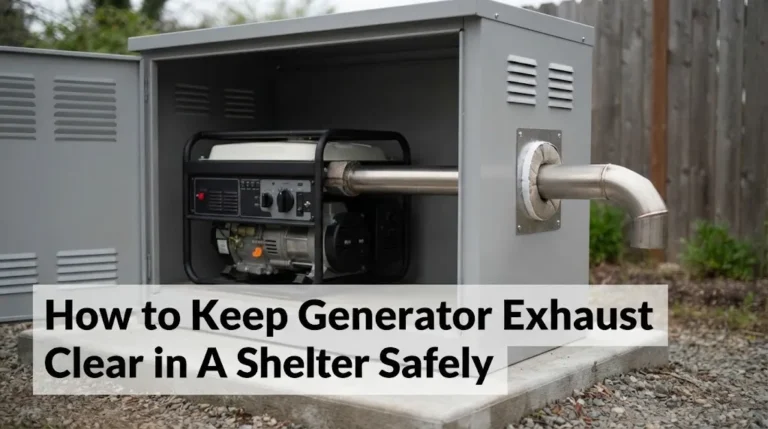
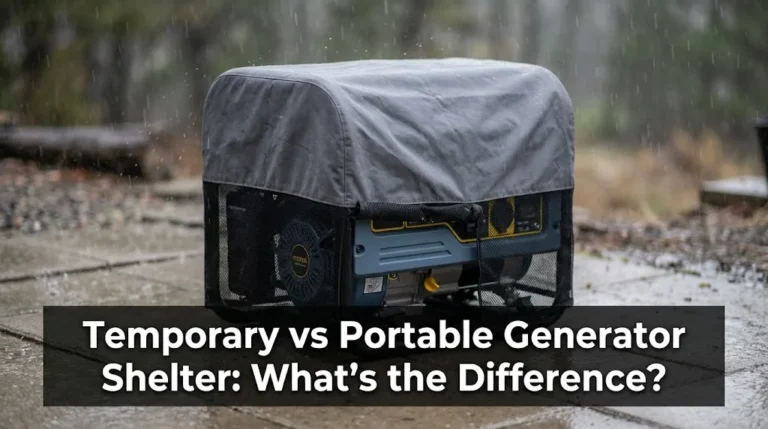
Specially engineered running tents or storm covers are designed to shield portable generators while allowing them to operate safely in rain, snow, and high winds. These covers feature open mesh skirting or ventilation panels that maintain cooling airflow while deflecting falling precipitation.
Operating Under an Open-Sided Awning
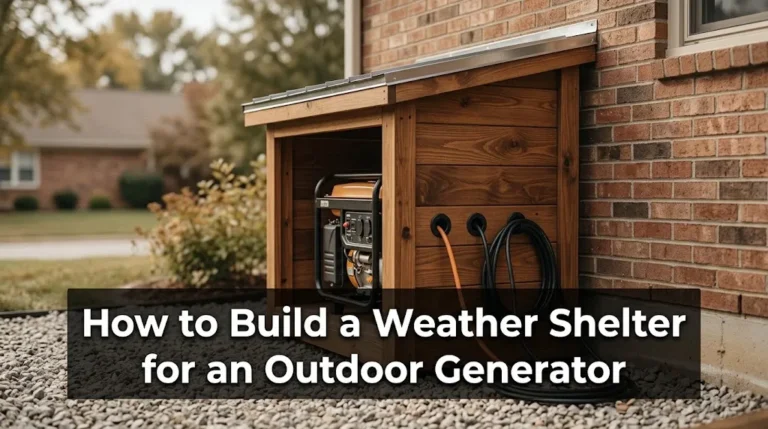
If you place the generator under a porch roof, patio cover, or carport, ensure there are at least three completely open sides to prevent toxic exhaust gas from accumulating. Never operate a generator under a low, unventilated overhang where exhaust fumes can become trapped against the structure.
Managing Refueling and Electrical Safety During a Storm
Handling fuel and electrical connections in wet, stormy weather requires strict adherence to safety protocols to prevent shocks, burns, and engine damage.
Safely Refueling in Wet Conditions
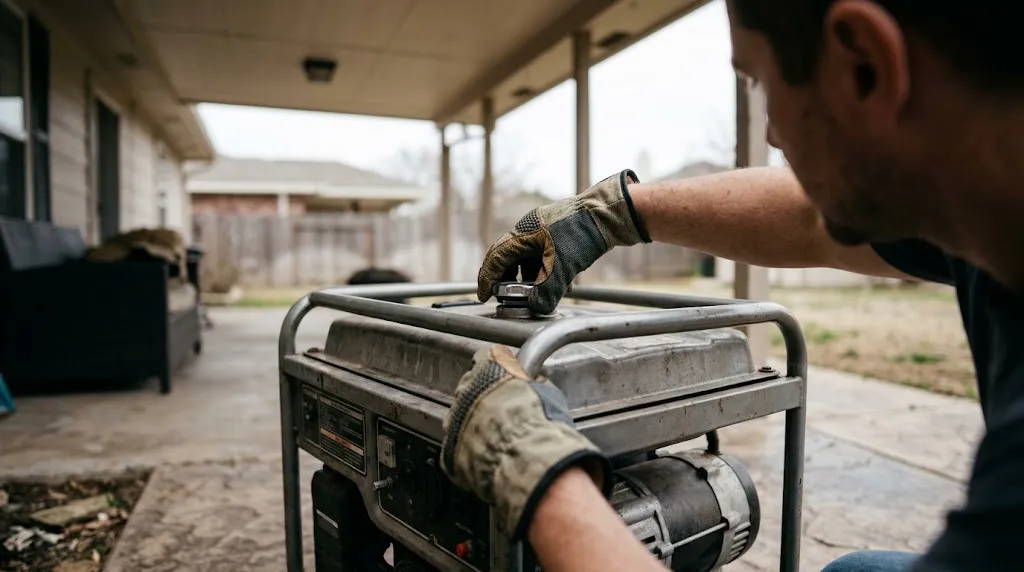
Hot engine components paired with wet surroundings create significant hazards. Always shut down the generator and allow it to cool for several minutes before adding fuel. Never refuel in the middle of a heavy downpour if rain can enter the hot fuel tank, as water contamination will damage the carburetor and engine.
Warning
Never touch a running generator or plug in cords if you are standing in water or if your hands are wet. Ensure your power cords are rated for outdoor use, feature ground-fault protection, and show no signs of cuts or frayed insulation.
Protecting Cord Connections
Keep extension cord connections elevated off the ground and out of puddles. Wrapping connection points in standard household plastic bags can trap condensation and moisture; instead, use specialized weatherproof cord connection covers designed to withstand outdoor moisture.
Post-Storm Inspection and Maintenance
Once the storm passes and weather conditions clear, perform a thorough inspection before shutting down or storing your generator.
Check the exterior housing, control panel, and air filter for moisture accumulation. If water managed to enter the fuel tank or crankcase, do not attempt to restart the engine until the contaminated fluids have been completely drained and replaced. Inspect the grounding rod and connections to ensure shifting soil during the storm hasn’t compromised the electrical ground.
Related Product
Portable Generator Running Tents and Weather Covers
Keep your generator fully shielded from heavy rain and snow while maintaining proper ventilation during severe weather storms.
As an Amazon Associate, we earn from qualifying purchases.
Frequently Asked Questions
Can I run a portable generator directly in the rain?
No. Operating an unprotected portable generator in direct rain exposes electrical outlets, control panels, and internal windings to moisture, creating extreme risks of electrical shock, short circuits, and permanent alternator failure. Always use a specialized generator tent or approved shelter.
How far away from the house should a generator be placed?
A portable generator should be operated at least 15 to 20 feet away from your home, with the exhaust pointing completely away from all windows, doors, crawlspaces, and ventilation intakes to prevent dangerous carbon monoxide accumulation.
What is the safest way to cover a generator outside?
The safest method is using a manufacturer-approved running tent or weatherproof canopy designed explicitly for generators. These structures protect the unit from falling precipitation while leaving the sides completely open or mesh-ventilated to ensure adequate airflow and cooling.
Can I use a standard plastic tarp to cover my generator?
Using a flat plastic tarp draped directly over a running generator is dangerous. It restricts crucial airflow, traps engine heat, increases moisture condensation from exhaust interaction, and can create a fire hazard if it touches hot exhaust components.
What should I do if my generator gets flooded during a storm?
If rising water reaches the electrical outlets or engine block, immediately shut off power at the main breaker if safe to do so, disconnect all loads, and turn off the generator. Do not attempt to start a water-logged generator until a qualified technician services the unit and replaces contaminated fuel or oil.
How do I protect generator extension cords from standing water?
Keep all cable connections elevated off the ground using bricks or plastic stands, and place plug junctions inside weatherproof connection covers. Avoid laying cords directly in puddles or low areas where heavy storm runoff accumulates.
Conclusion
Protecting a portable generator during severe storms requires careful attention to location, elevation, and weatherproofing. By maintaining a safe distance from your home, keeping the unit elevated above standing water, and utilizing proper running shelters instead of improvised tarps, you protect both your equipment and your household. Proper storm preparation ensures your generator remains a reliable power source when grid failure occurs, keeping your family safe and comfortable.

Hi, I’m Michael Turner. I own a generator workshop in the United States and founded HomeGeneratorBlog to share practical, hands-on guidance about generator installation, maintenance, troubleshooting, safety, and backup power solutions. My goal is to help homeowners make smarter, more confident decisions through clear and reliable information