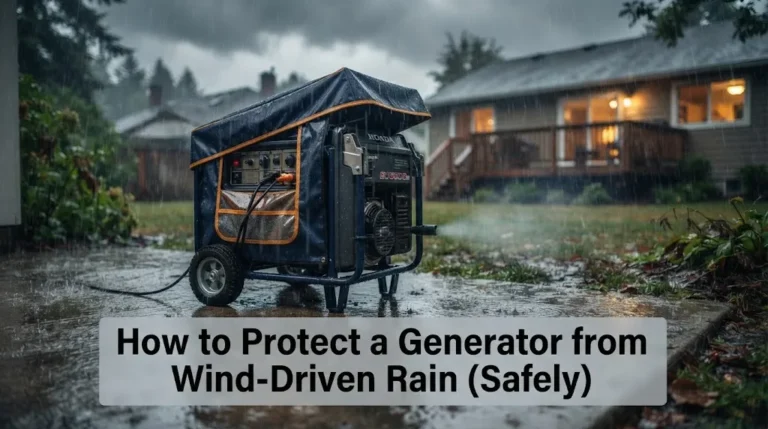
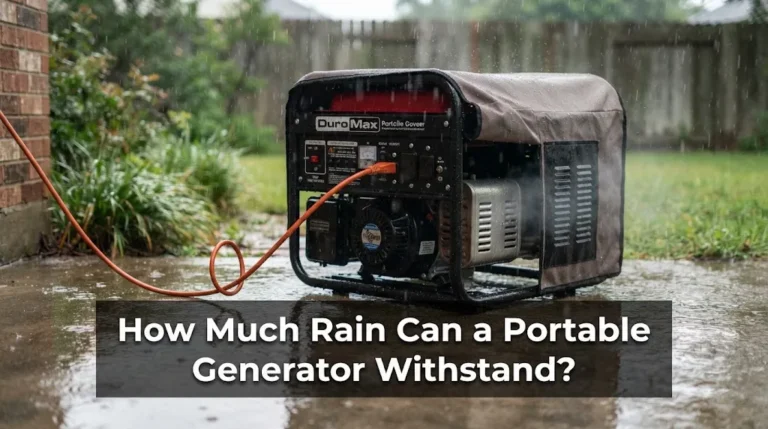
Can a Generator Tarp Protect Against Heavy Rain? Safety Rules
Quick Answer
No, standard direct-contact tarps should never be placed directly over a running portable generator. While a portable generator needs protection from heavy rain and moisture to prevent electrical shock or alternator damage, completely enclosing it with a tight tarp traps deadly carbon monoxide gas and creates severe fire and electrocution hazards. Instead, you must use a specialized generator tent, a ventilated enclosure, or a permanently installed transfer switch setup under a dry open-air shelter.
When severe weather knocks out the power grid, keeping your emergency backup generator running becomes a top priority. However, running electrical equipment in the middle of a torrential downpour or severe thunderstorm introduces major safety risks. Moisture can short-circuit electrical components, damage the control panel, or create a dangerous shock hazard for anyone operating the unit.
At the same time, improvising a quick fix by throwing a standard plastic tarp over the machine can be even more dangerous than the rain itself. Understanding how moisture interacts with portable power equipment—and learning safe ways to shield your generator—protects both your investment and your family’s safety.
The Core Risks of Using a Standard Tarp on a Generator
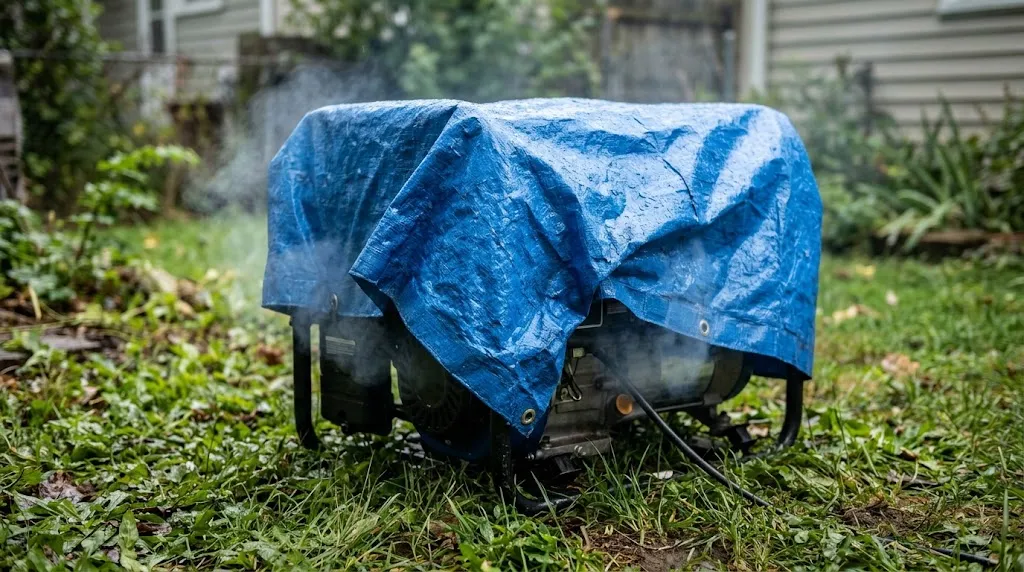
When homeowners grab a blue plastic tarp to cover a humming generator in the yard, they usually intend to keep the engine dry. Unfortunately, standard tarps create several hidden dangers that manufacturers explicitly warn against.
Carbon Monoxide Accumulation
Portable gasoline and propane generators produce massive quantities of carbon monoxide (CO), an odorless, colorless, and lethal gas. When you drape a tarp tightly over a running generator, you create a makeshift tent that traps exhaust gases right around the unit. If wind blows the tarp downward or if the clearance is too tight, exhaust can pool under the cover, increasing the risk of toxic fumes migrating toward windows, doors, or living spaces.
Fire Hazards and Extreme Heat
Generators generate intense heat around the engine block, exhaust manifold, and muffler during operation. Standard polyethylene tarps are highly flammable. If a loose tarp sags, flaps in high winds, and makes direct contact with a hot exhaust pipe, it can easily melt, catch fire, or ignite nearby dry brush and fuel containers.
Moisture Trapping and Condensation
While a tarp blocks falling rain from above, it also traps ambient humidity and condensation underneath. As the engine cycles through hot and cold phases, moisture condenses on the alternator windings, wiring harnesses, and electrical outlets. This trapped humidity can cause internal corrosion, electrical short circuits, and premature component failure just as effectively as an open puddle.
Warning
Never operate a portable generator inside an enclosed space, garage, crawlspace, or shed, and never use a low-hanging tarp that restricts natural airflow around the engine exhaust.
How Water Damages Unprotected Generators
Rainwater poses a legitimate threat to portable power units, which is why weather protection is necessary when managed correctly. Water can infiltrate electrical components in several specific ways:
- Control Panel Short Circuits: Moisture pooling inside toggle switches, digital display screens, and circuit breakers can cause immediate electrical shorts or permanent panel failure.
- Alternator Winding Degradation: Water entering the generator head can rust copper windings and rotor components, destroying electrical output capability.
- Spark Plug Fouling: Driving rain splashing directly onto a hot engine block or spark plug boot can crack ceramic insulators or cause immediate engine stalling.
- Ground Fault Hazards: Puddles forming around the base of the generator increase the risk of severe electric shock if insulation is compromised.
Safe Alternatives for Wet Weather Generator Operation
Because direct tarps are unsafe, manufacturers and safety experts recommend engineered solutions that combine weather resistance with proper ventilation and structural clearance.
Dedicated Generator Tents and Canopies
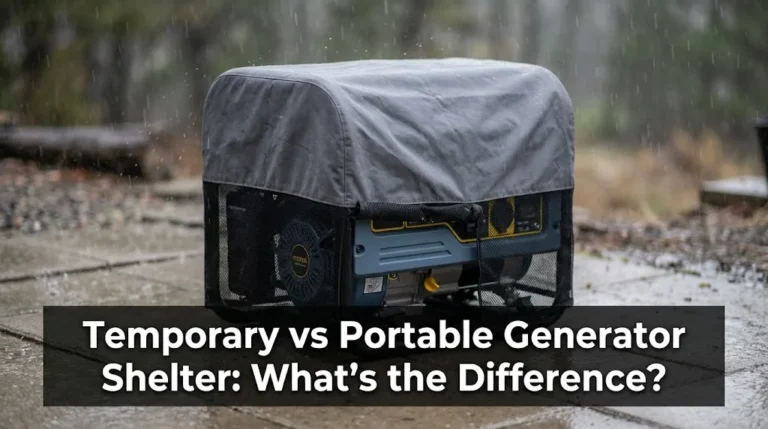
Specialized generator enclosures—often called generator tents—are designed specifically for wet weather use. These aftermarket shelters feature heavy-duty, flame-retardant fabric stretched over a rigid metal frame that sits several feet away from the unit. They allow you to operate the generator safely in rain or snow while maintaining open sides for exhaust ventilation and cooling airflow.
Open-Air Porches and Permanent Roof Overhangs
Placing your generator under a sturdy, open-sided patio roof, carport, or dedicated equipment overhang provides natural shelter from vertical rainfall. However, you must always maintain a safe distance—typically at least 15 to 20 feet—away from doors, windows, and vents to prevent exhaust fumes from drifting indoors, regardless of overhead cover.
DIY PVC and Canopy Frameworks
Some homeowners construct custom rigid frames using PVC pipes or metal conduit anchored securely to the ground, positioning a non-flammable roof canopy well above the unit. If you build a custom shelter, ensure there are no walls trapping exhaust and that the structure cannot collapse in high storm winds.
Essential Safety Rules for Running a Generator in Storms
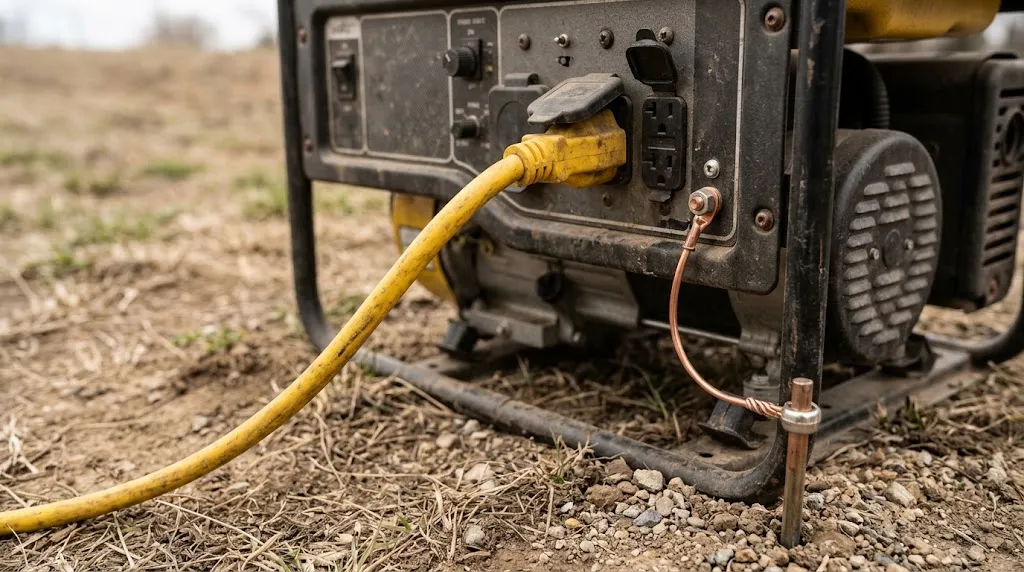
Operating backup power during severe weather requires strict adherence to electrical and mechanical safety guidelines. Keep these operational rules in mind:
- Maintain Grounding: Ensure your generator is properly grounded according to the manufacturer’s manual, typically via an external grounding rod driven into the earth.
- Use Weatherproof Extension Cords: Only use heavy-duty outdoor-rated extension cords with proper gauge ratings that match your total electrical load. Inspect cords for cracks or cuts before plugging them in.
- Keep Outlets Elevated: Ensure extension cord connections do not lie in standing puddles or saturated grass where water can pool.
- Never Refuel in the Rain: Shut down the engine, let it cool completely, and refuel under a dry shelter to prevent spilled fuel from igniting on hot metal surfaces.
Tip
If an unexpected heavy storm hits and your generator is completely exposed, shut the engine down safely before attempting to adjust or install any temporary weather cover.
Evaluating Your Emergency Backup Setup
Preparing for heavy seasonal storms means anticipating power outages before they occur. Relying on hasty, improvised solutions like taping plastic sheets or draping low tarps over running machinery puts your home at risk of fire and carbon monoxide poisoning.
Investing in a dedicated generator running cover or constructing a certified open-air shelter ensures your equipment stays dry, performs reliably, and keeps your family safe throughout extended severe weather events.
Related Product
Portable Generator Running Cover
Protect your generator from heavy rain and snow while maintaining safe ventilation and exhaust clearance during severe weather.
As an Amazon Associate, we earn from qualifying purchases.
Frequently Asked Questions
Can I use a plastic sheet if I leave the sides open?
Even with open sides, draping flexible plastic directly over a hot generator is risky because wind can push the material against the hot exhaust muffler, causing it to melt or catch fire. Always use a rigid framed shelter designed specifically for generators.
What happens if a generator gets wet in the rain?
Getting soaked can cause electrical short circuits, damage the alternator windings, ruin the control panel, and increase the risk of electrical shock to operators. Always protect the unit from direct heavy downpours.
How far away from the house should a generator be run?
Portable generators should be operated at least 15 to 20 feet away from your home with the engine exhaust pointing away from all windows, doors, and air intake vents to prevent carbon monoxide poisoning.
Can I build my own wooden enclosure for a generator?
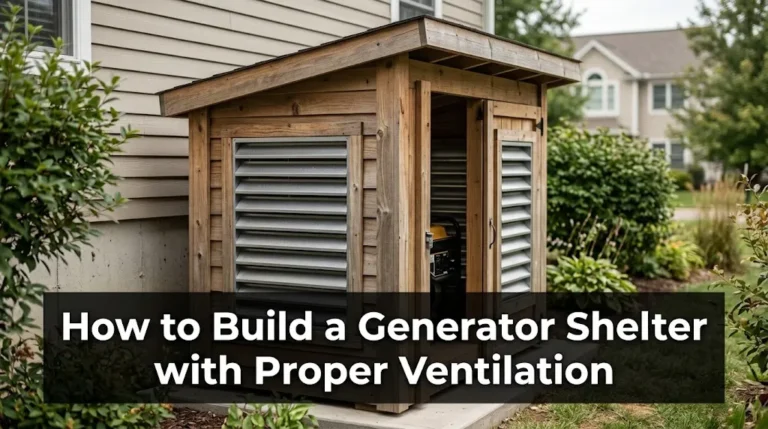
You can build a permanent or semi-permanent shed, provided it features robust louvered vents or open walls that guarantee continuous cross-ventilation and prevent exhaust buildup.
Are generator tents safe in high winds and heavy rain?
Quality generator tents are engineered with heavy-duty frames and weighted legs designed to withstand wind gusts and heavy rain while keeping the top and sides properly distanced from the hot engine.
Can I run a generator inside a garage with the door open?
No. Operating a generator inside a garage—even with the door wide open—frequently leads to dangerous carbon monoxide accumulation inside adjacent living areas due to eddy currents and wind patterns.
Conclusion
Protecting a portable generator during heavy rain is essential for preventing electrical damage and ensuring uninterrupted backup power, but standard tarps create severe fire and carbon monoxide risks when placed directly over running equipment. By utilizing specialized generator tents, open-air overhangs, or ventilated enclosures, you can safely shield your power source from severe weather while maintaining the vital airflow and exhaust clearance required for safe operation.

Hi, I’m Michael Turner. I own a generator workshop in the United States and founded HomeGeneratorBlog to share practical, hands-on guidance about generator installation, maintenance, troubleshooting, safety, and backup power solutions. My goal is to help homeowners make smarter, more confident decisions through clear and reliable information